When an Abyssinian Kitten’s Gums First Go Red
It's incredibly alarming and frankly, heartbreaking, to notice your lively Abyssinian kitten, a bundle of boundless energy and mischief, suddenly show signs of discomfort, especially when those signs involve their tiny, precious gums. Many new Abyssinian parents find themselves staring into their kitten's mouth, seeing an angry red line where healthy pink should be, and a wave of panic sets in. This guide is here to walk you through exactly what those red gums might mean for your Abyssinian kitten, what to do about it, and how to safeguard their oral health for years to come.
Recognizing the Early Signs of Red Gums in Your Abyssinian Kitten
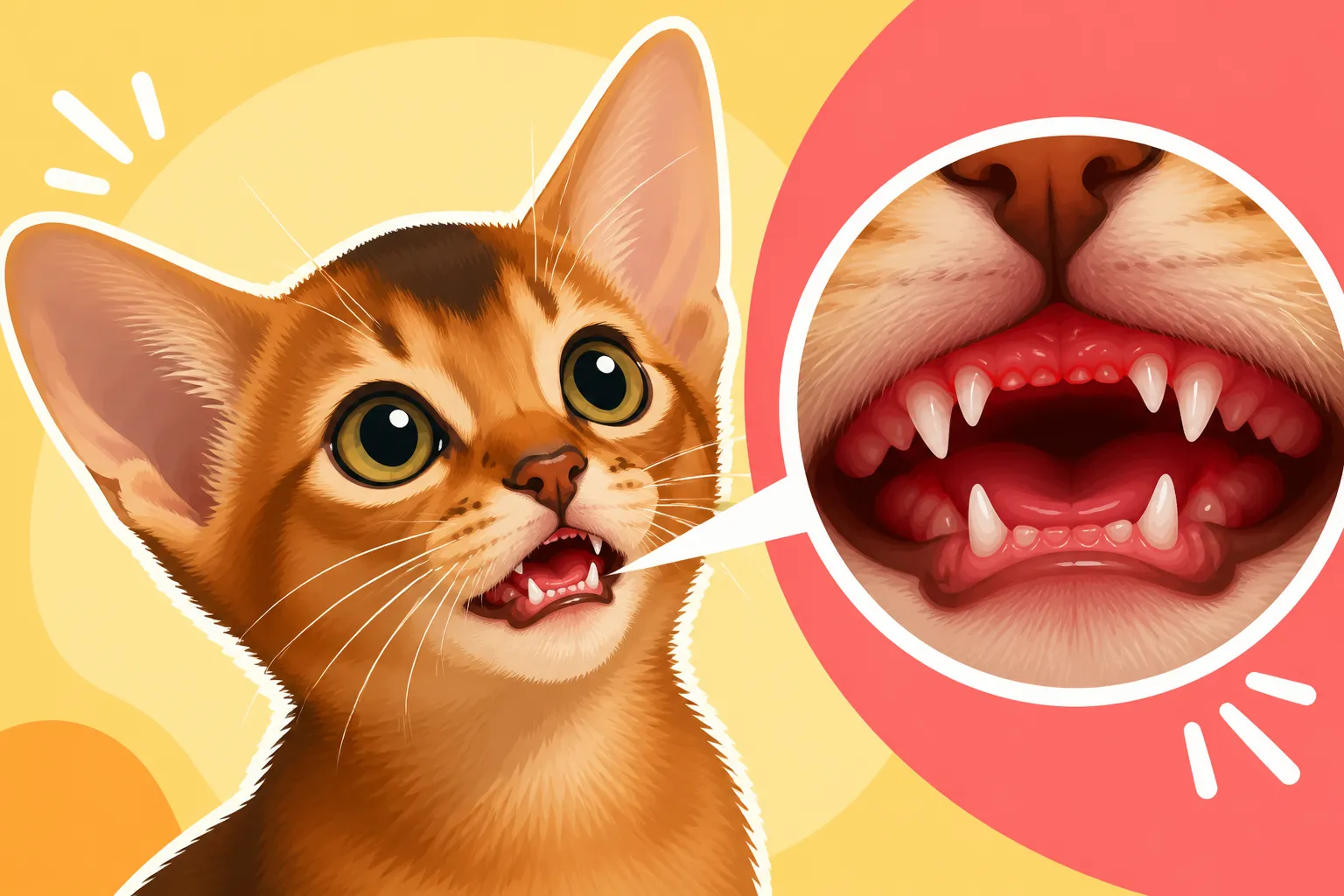
When you first bring home an Abyssinian kitten, you're usually prepared for their playful antics and curious nature, but not necessarily for early dental woes. Unfortunately, many Abyssinian kittens are predisposed to a condition known as juvenile gingivitis, which often makes its unwelcome appearance just as their permanent teeth are coming in. Typically, this happens around six to nine months of age, though it can manifest a bit earlier or later. You might be gently playing with your kitten, or perhaps they yawn widely, and there it is: a noticeable redness along the gum line, particularly around the molars and premolars. It’s not just a faint blush; it’s a distinct, inflamed crimson that immediately catches your eye.
Beyond the visual redness, there are other, more subtle cues your Abyssinian might be giving you. Abyssinians are notoriously stoic, masters at hiding pain, so you really have to be an attentive observer. You might notice your kitten favoring one side of their mouth when chewing, or perhaps they drop food more often than usual. Some kittens might even become pickier with their kibble, suddenly preferring softer, wet food, or even shying away from crunchy treats they once adored. Foul breath, far beyond typical "cat breath," is another strong indicator that something is amiss in their mouth. They might paw at their face, rub their mouth against furniture, or become slightly less enthusiastic about play, though their inherent high energy can sometimes mask these behavioral changes for a while. If you start to notice that your Abyssinian kitten stops chewing its food, it's a definite red flag that warrants immediate attention.
The Specifics of Juvenile Gingivitis in Abyssinians
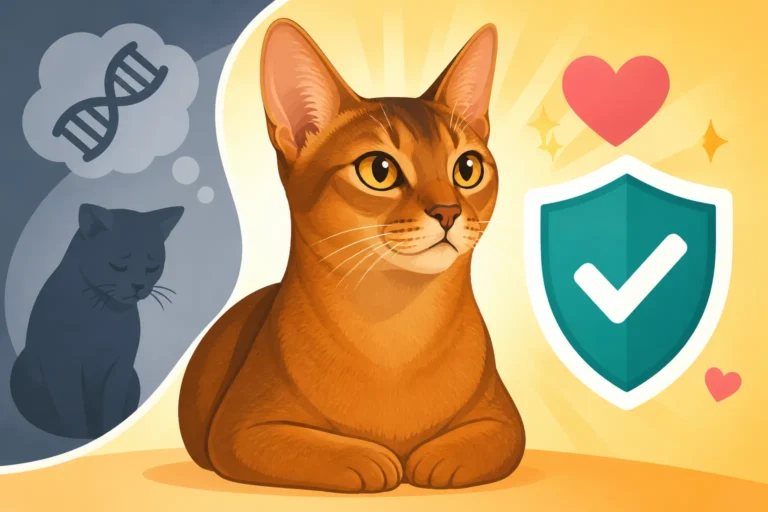
Juvenile gingivitis in Abyssinians isn't just "bad hygiene" like in some other breeds or even humans. While plaque and tartar certainly play a role, the primary driver for many Abyssinians is an overactive or abnormal immune response to the bacteria naturally present in their mouths. Their immune system goes into overdrive, treating normal oral flora as a major threat, leading to exaggerated inflammation. It's a frustrating situation because even with diligent home care, some Abyssinians can still develop severe inflammation due to this inherent predisposition. It's truly a genetic lottery that no owner wants to win.
This condition is often progressive, meaning if left untreated, it can worsen considerably. The inflammation can cause the gum tissue to actually overgrow, a condition known as gingival hyperplasia, which can then partially or completely bury the teeth. This creates even deeper pockets where bacteria can hide and flourish, exacerbating the cycle of inflammation. Understanding How Juvenile Gingivitis Starts in an Abyssinian Kitten is crucial for early intervention, as is grasping Why an Abyssinian's Gums Overgrow Its Teeth. The goal is to interrupt this cycle and manage the immune response before irreversible damage sets in. It’s a battle, and one that often requires more than just regular brushing.
Your Action Plan: Veterinary Diagnosis and Initial Treatment
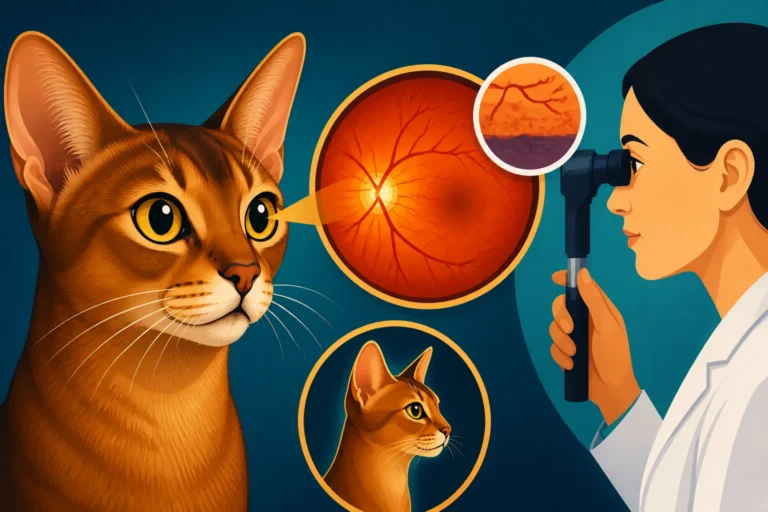
Seeing those red gums or other behavioral changes in your Abyssinian kitten means one thing: it’s time for an immediate vet visit. Don't wait, hoping it will resolve on its own, because with juvenile gingivitis, it rarely does. Your veterinarian will perform a thorough oral examination. While they can get a general idea during an awake exam, a definitive diagnosis and proper treatment plan often require your kitten to be sedated or placed under anesthesia. This allows the vet to fully assess every tooth surface, measure gum pockets, and identify any other underlying issues without causing stress or pain to your kitten. They might also take dental X-rays to check for issues beneath the gum line, such as tooth resorption, which is sadly common in felines, especially those with chronic gum disease.
Once diagnosed, the initial treatment typically involves a professional dental cleaning under anesthesia. This process, often called a scale and polish, removes plaque and tartar buildup both above and below the gum line. Your vet might also prescribe a course of antibiotics to knock down any bacterial infection and anti-inflammatory medications to soothe the aggravated gums. Following this initial treatment, your veterinarian will discuss a rigorous home care routine with you. This will likely involve daily tooth brushing with a feline-specific enzymatic toothpaste, oral rinses, or dental gels. It can feel overwhelming, but remember, every step you take helps. Keep in mind that specialized vet care for a kitten can be costly, but pet insurance providers like Healthy Paws can be a real lifeline for managing these unexpected expenses, ensuring your kitten gets the best care without financial strain dictating decisions.
| Symptom Severity | Description | Immediate Action | Long-Term Management |
|---|---|---|---|
| Mild | Slight redness along gum line, no obvious pain, normal eating habits. | Gentle home brushing, monitor closely. Schedule vet check-up soon. | Daily brushing, consider dental chews/water additives. |
| Moderate | Distinct redness, swelling, mild bad breath, some food dropping or pickiness. | Urgent vet visit for diagnosis and professional cleaning. | Consistent daily brushing, vet-prescribed rinses, regular follow-ups. |
| Severe | Deep red/purple gums, significant swelling/overgrowth, severe bad breath, difficulty eating, pawing at mouth. | Emergency vet visit. Likely requires professional cleaning and possibly gingivectomy. | Lifelong dental care plan, potentially repeat gingivectomies, pet insurance. |
Advanced Treatments and Lifelong Dental Care for Your Abyssinian
For many Abyssinians with juvenile gingivitis, a professional cleaning and home care are simply not enough to keep the inflammation at bay. This is where advanced treatments come into play. If your kitten's gums have significantly overgrown, creating deep pockets that harbor bacteria and are difficult to clean, your vet might recommend a gingivectomy. This surgical procedure involves carefully trimming away the excess gum tissue to reduce pocket depth and expose more of the tooth surface, making it easier to clean and reducing areas where bacteria can hide. It’s a significant procedure but can offer immense relief and a much better prognosis for long-term gum health. Understanding What a Gingivectomy Involves for an Abyssinian can help you prepare for this potential step.
After any advanced procedure, or even just a standard professional cleaning, the true battle begins with lifelong home dental care. This means committing to daily tooth brushing, as often as twice a day, using feline-specific toothpaste. It’s a consistent effort, and your Abyssinian, being the intelligent and spirited cat they are, might not always make it easy! However, it's absolutely paramount to prevent recurrence and keep their mouth healthy. Regular professional cleanings, often yearly, will also be a non-negotiable part of their routine. You might be surprised at How Often an Abyssinian Needs Its Teeth Cleaned compared to other breeds, but their predisposition makes it vital. Neglecting this crucial aspect of their care can lead to painful tooth resorption and early tooth loss, explaining Why an Abyssinian Loses Teeth Younger Than Most Cats more frequently than other breeds.
The Broader Impact of Gum Health on Your Abyssinian's Lifespan
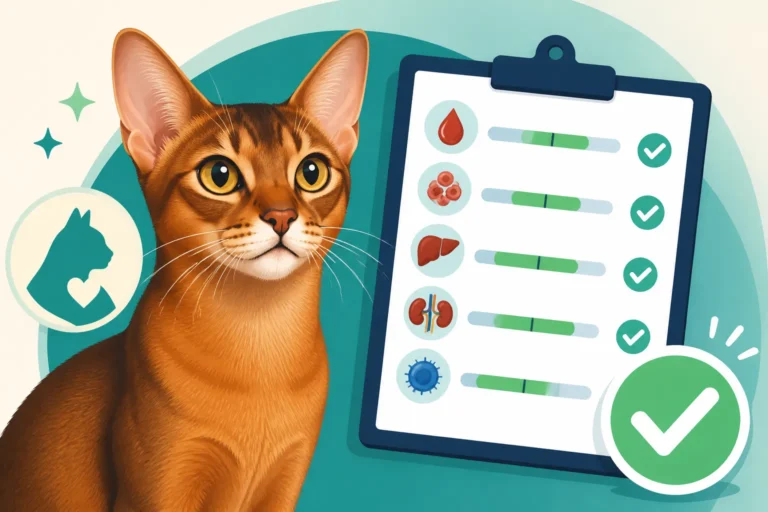
It’s easy to view red gums as an isolated problem, but chronic inflammation in your Abyssinian's mouth can have far-reaching consequences for their overall health and ultimately, their lifespan. The constant presence of bacteria and inflammation in the gums means that these inflammatory mediators and bacteria can enter the bloodstream and travel to other organs. Over time, this systemic inflammation can contribute to serious health issues, including kidney disease and heart problems. It's a sobering thought, but a real one, and it underscores why monitoring Which Blood Values Catch an Abyssinian's Kidneys Early is important in their annual health checks, especially as they age. Your diligent dental care isn't just about fresh breath; it's about protecting their internal organs too. Remember, Why a Lean Abyssinian Hides Illness Longer Than a Heavy Cat, so any subtle sign of discomfort should be taken seriously.
The financial reality of managing juvenile gingivitis and subsequent dental issues throughout your Abyssinian’s life can be substantial. Routine cleanings, potential gingivectomies, and ongoing dental products add up quickly, which is Why Abyssinian Dental Work Is the Biggest Line in the Budget for many owners. This is where a proactive approach with pet insurance, such as a plan from Healthy Paws, can make a huge difference. Having coverage for these recurring and sometimes unexpected veterinary expenses allows you to make decisions based on what’s best for your Abyssinian's health, rather than what you can afford out of pocket. By staying on top of their oral health, you are not just alleviating immediate pain, but you are actively contributing to ensuring your beloved companion enjoys The Twelve to Fifteen Years an Abyssinian Usually Gets to the fullest, free from the silent suffering of dental disease.
Disclaimer
This article is intended for informational purposes only and does not constitute veterinary advice. Always consult with a qualified veterinarian for any health concerns or before making any decisions about your pet's medical care.