Why Early Abyssinians Were Called Bunny Cats
When you delve into the fascinating history of our beloved Abyssinian cats, you often stumble upon some charmingly old-fashioned descriptions. One that always catches people off guard, and really paints a picture of a bygone era, is the nickname "Bunny Cat." It's not immediately obvious to us today why this sleek, regal feline would be likened to a rabbit, but if you look closely at their unique characteristics and consider the context of the early cat fancy, it starts to make a lot of sense. This guide will explore the physical traits, behaviors, and historical perceptions that earned the Abyssinian this endearing, if somewhat perplexing, moniker.
The Distinctive Physical Traits That Echoed a Rabbit's Charm
It's easy to look at a modern Abyssinian and think, "Rabbit? Where?" But cast your mind back to the late 19th century, when these cats were first making their mark in the Western world. They were truly unlike most other domestic cats commonly seen, and several of their standout features immediately drew comparisons to the familiar, fast-moving bunny.
That Iconic Ticked Coat and Soft Texture
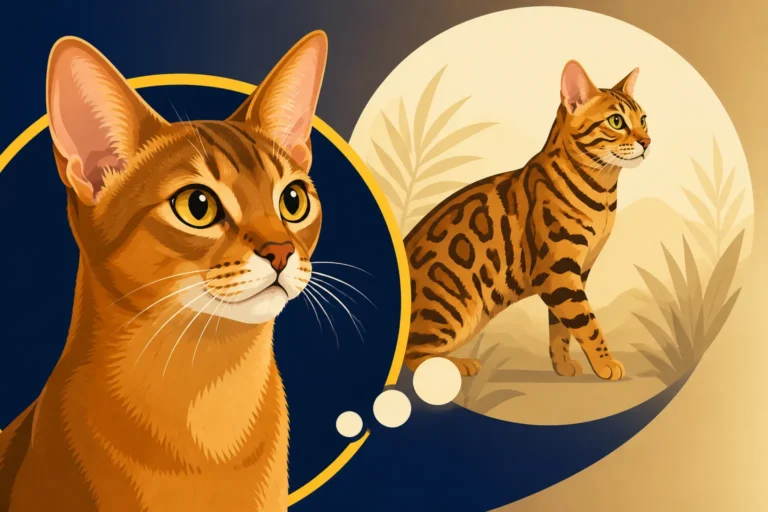
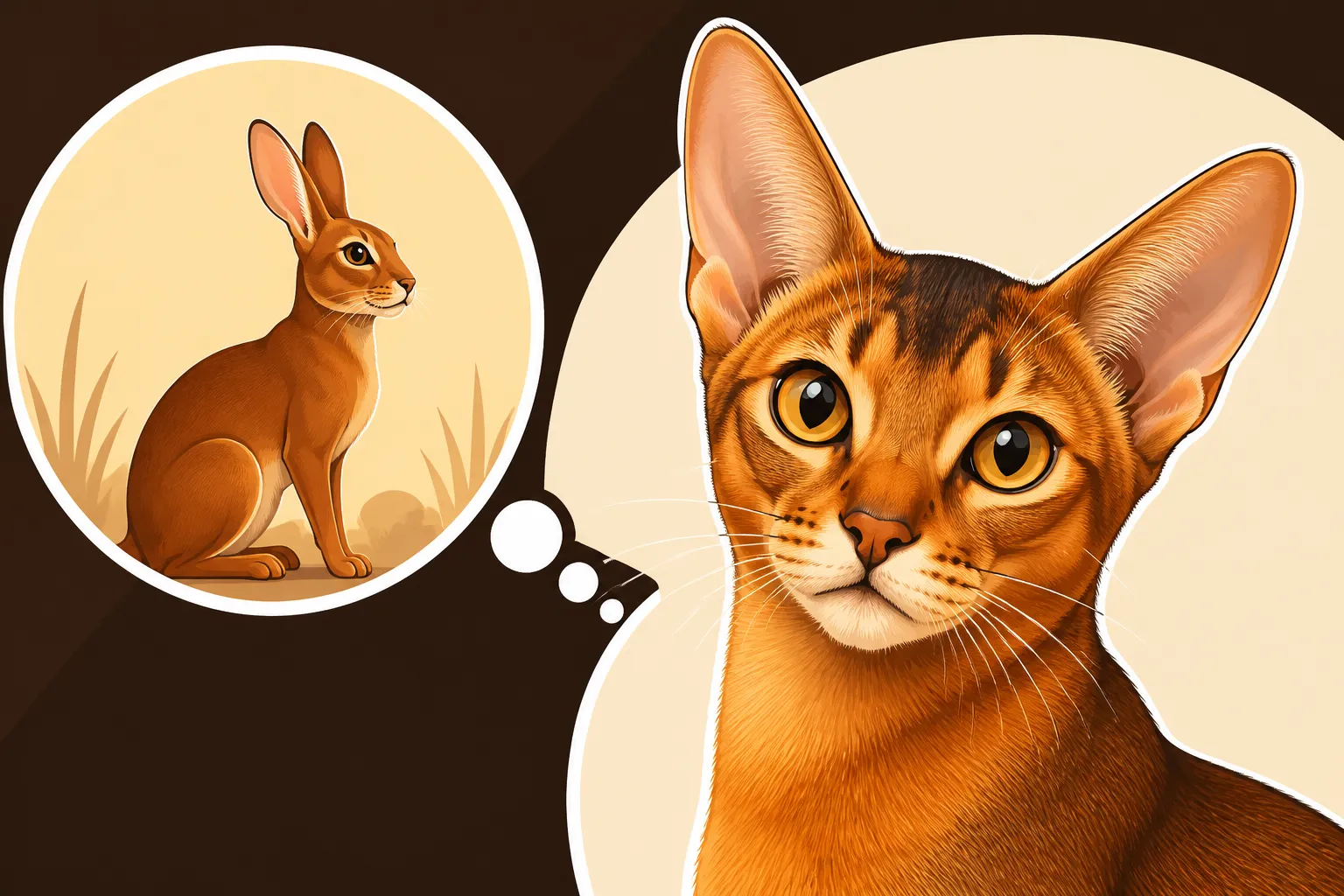
One of the most striking resemblances came from their coat. Abyssinians boast a truly unique ticked coat, where each individual hair shaft carries multiple bands of color, giving them a rich, shimmering, and almost iridescent appearance. This absence of distinct stripes or spots was a huge departure from the tabby patterns prevalent in most domestic cats of the time. Think of the wild rabbit's fur—it has that very similar, soft, agouti-ticked pattern, designed for camouflage. When people saw the Abyssinian's coat, especially in the ruddy color, it was almost identical to the wild rabbits they were familiar with. It lacked the bold, contrasting markings of many other felines, lending it a distinctly "furry" rather than "feline" texture in appearance. The feel of an Abyssinian's coat is also incredibly fine and lies close to the body, contributing to that soft, dense feel that might remind you of a rabbit's pelt. This lack of a thick undercoat, and the way the short hair simply shimmered with movement, was a completely new experience for many cat enthusiasts, further cementing the comparison. How an Abyssinian's Agouti Banding Works delves deeper into this fascinating coat.
Large Ears and Expressive Eyes
Beyond the coat, the Abyssinian's head and facial features also played a significant role in earning the "Bunny Cat" label. They possess notably large, expressive ears, set wide apart, which are often described as being cupped forward. These ears, while undeniably feline, have a certain prominence that, when combined with their overall head shape, can evoke the alert, constantly twitching ears of a rabbit. Picture a rabbit listening intently, its ears swiveling to catch every sound – there’s a visual parallel there with an attentive Aby.
Then there are their eyes. Abyssinians have those captivating, almond-shaped eyes, often outlined in a dark rim, giving them an almost kohl-rimmed look. But it's not just the shape or lining; it's the sheer expressiveness. They have a wide-eyed, intelligent gaze that can appear soft and gentle one moment, then intensely curious the next. When they're relaxed, their eyes can have a gentle, wide-set quality that some might have associated with the softer gaze of a bunny, especially compared to the narrower or more angular eyes of some other cat breeds. The combination of these features on their elegant, wedge-shaped head provided a distinct profile that was a significant departure from the more common cat breeds, making the "Bunny Cat" comparison an understandable shortcut for description. What an Abyssinian's Ideal Head Shape Is explores more about these unique facial characteristics.
Lean Body and Agile Movement
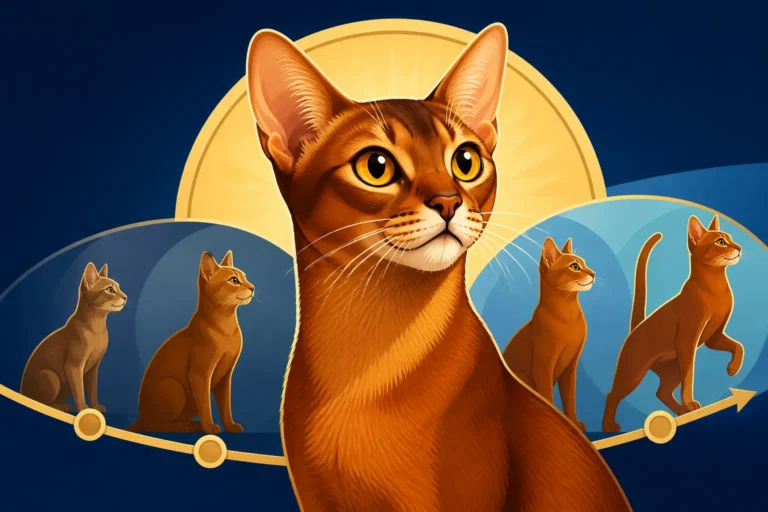
Finally, the Abyssinian's body type and way of moving are perhaps the most compelling reasons for the "Bunny Cat" nickname. Abyssinians are known for their slender, muscular, and incredibly athletic build. They are medium-sized cats, but they carry themselves with an elegance that makes them appear longer and lighter than they actually are. Their legs are relatively long and finely boned, ending in small, oval paws. This combination gives them a poised, almost tiptoeing gait.
But it's their movement that truly seals the deal. Abyssinians are renowned for their incredible agility, speed, and boundless energy. They don't just walk; they glide, they leap, they dart. They can go from a dead stop to a full sprint in an instant, often bounding across a room or launching themselves to great heights with seemingly effortless grace. This swift, almost silent movement, combined with their lean physique, is remarkably reminiscent of how a rabbit moves—quick, sudden bursts of speed, and agile leaps. They are always in motion, exploring, climbing, and running, often with a spring in their step that many found rabbit-like. How Many Hours a Day an Abyssinian Stays Active delves into their incredible energy levels.
Early Perceptions and Comparisons in Victorian Britain
Understanding the context in which Abyssinians were introduced to the Western world is crucial to grasping why the "Bunny Cat" label stuck. The Victorian era was a time of burgeoning interest in exotic animals and the formalization of pet breeding. Cats were no exception, and the arrival of the Abyssinian marked a significant moment.
A Novelty in the Cat Fancy World
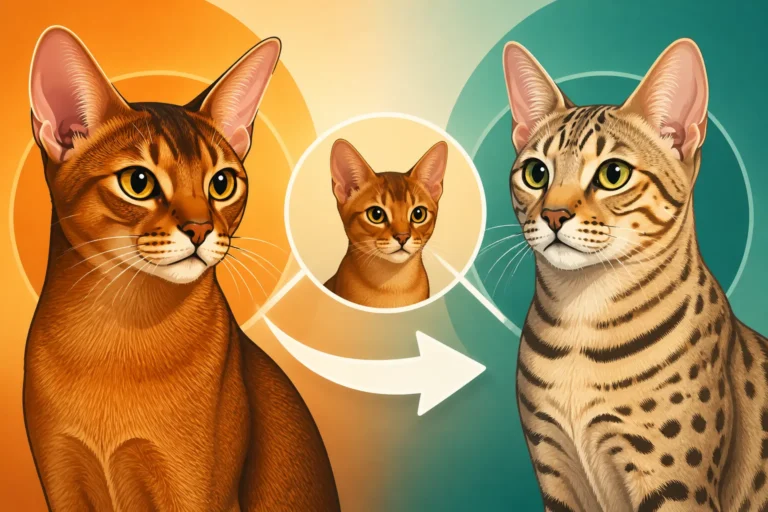
When Abyssinians first appeared at cat shows in Britain, notably the Crystal Palace show in 1871, they were quite literally a sensation. The domestic cat population in Britain at the time was largely made up of a mix of European Shorthairs and long-haired breeds like Persians and Angoras, often with distinct tabby, solid, or bi-color patterns. The Abyssinian, with its ticked coat, slender build, and "wild" appearance, was a complete departure. What Happened at the 1871 Crystal Palace Show offers more insight into this historical event.
They weren't just another pretty cat; they were exotic, intriguing, and presented a challenge to the prevailing understanding of what a domestic cat should look like. Early writers and cat fanciers struggled to categorize them, to find words that adequately described their unique attributes. The "Bunny Cat" comparison, therefore, wasn't meant as a slight but as a descriptive shorthand for something new and distinctive, highlighting their unusual qualities by relating them to another, more familiar, small, furry creature. This was a novelty, something to marvel at, and its appearance invited comparisons to other small, fleet-footed animals.
How They Stood Apart from Other Domestic Breeds
Consider the typical "mouser" of Victorian England: a sturdy, often tabby-patterned shorthair. Then imagine the elegant, lithe Abyssinian, with its shimmering coat and large, alert ears. The contrast was stark. While other breeds might have been admired for their robust health or their fluffy coats, the Abyssinian brought something entirely different to the table. They possessed an almost wild grace, a sleekness that suggested speed and agility rather than placid lounging.
The "Bunny Cat" moniker served to emphasize this distinction. It highlighted their departure from the norm, their perceived delicacy and swiftness. It wasn't about being weak or timid like a rabbit, but about possessing that unique combination of fine fur, large ears, and dynamic movement that set them apart. People were truly captivated by this "new" kind of cat, and comparing it to a bunny was a way to communicate its distinctiveness in a world full of less exotic felines. Whether the Abyssinian Was Built From British Tabbies explores some of the early breeding theories.
The Allure of Exoticism
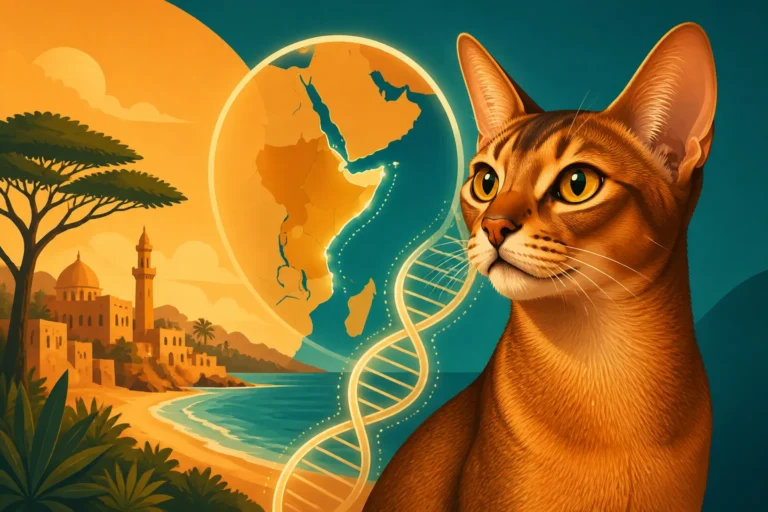
The very name "Abyssinian" itself carried a strong whiff of the exotic, linking the breed to faraway lands. This was a time when exploration and empire-building were keenly felt in Britain, and anything brought back from distant shores held a special fascination. The early accounts, however romanticized, often linked the Abyssinian to ancient Egypt or the wilds of Ethiopia, adding to their mystique. The idea of a cat with a slightly wild, "bunny-like" appearance, supposedly from these exotic locales, only enhanced its appeal.
This allure meant that the descriptions didn't have to be perfectly scientific; they needed to be evocative and captivating. The "Bunny Cat" nickname certainly achieved that. It painted a picture of a creature that was both familiar enough to be endearing (like a rabbit) but also mysterious and special because it was a cat with such unusual traits. It played into the romanticized notions of discovering something new and beautiful from an ancient, distant land, solidifying its place as a fashionable and intriguing addition to the burgeoning cat fancy. The Abyssinian Is Probably Not From Abyssinia discusses the historical origins of the breed name.
Beyond Appearance: Behavioral Similarities
It wasn't just physical looks that contributed to the "Bunny Cat" nickname. The Abyssinian's lively, inquisitive personality and particular movements also drew parallels to their lagomorphic counterparts. These cats are known for their boundless energy and unique ways of interacting with their world, which, once again, diverged significantly from the stereotype of the lazy housecat.
High Energy and Constant Motion
If there’s one thing every Abyssinian owner will tell you, it’s that these cats never stop moving. They are a whirlwind of activity, constantly exploring, climbing, and surveying their domain from the highest possible vantage points. This isn't a breed content to nap all day on the sofa; an Abyssinian is usually found bouncing off the walls, literally and figuratively. They have an almost insatiable need for physical and mental stimulation. The Abyssinian Is the Busiest Cat in the House details their energetic nature.
This constant state of motion, their quick bursts of speed, and their ability to jump with remarkable agility could very well have reminded early observers of rabbits darting across a field or hopping around a warren. Rabbits are known for their sudden movements and their tendency to be always alert and ready to spring. An Abyssinian's energetic leaps and bounds, their tendency to "pounce" on toys or even their owners' feet, create a dynamic visual that aligns with the activity levels of a bunny. This active, almost restless energy is a hallmark of the breed, and it's easy to see how this translates into the "Bunny Cat" imagery.
Curiosity and Playfulness
Beyond pure energy, Abyssinians possess an incredibly curious and playful nature that endures well into adulthood. They are problem solvers, explorers, and always ready for a game. They will investigate every new object, every open cabinet, and every rustle in the house. This insatiable curiosity drives much of their active behavior, leading them to explore every nook and cranny. Why an Abyssinian Opens Doors and Cabinets discusses this particular trait.
Rabbits, too, are often underestimated in their intelligence and curiosity. They are known to explore their surroundings thoroughly, investigate new smells and textures, and engage in playful, sometimes mischievous, behavior. An Aby's tendency to "bunny hop" when excited or during play, or their habit of sitting up on their haunches like a meerkat to get a better view (a very rabbit-like posture!), would have further reinforced the comparison. Their keen interest in their environment and their inclination to engage with it actively certainly echoed the busy, inquisitive nature of a rabbit.
The Quiet Chirp and Affectionate Nudges
While Abyssinians aren't typically known for being lap cats, they are incredibly affectionate and bond deeply with their human companions. Their affection, however, is often expressed through unique behaviors that aren't always seen in other cat breeds. Instead of a loud meow, Abyssinians are known for a softer, more trilling or chirping vocalization, almost like a bird or, yes, a rabbit. It's a gentle sound, often used to call attention or express contentment.
Furthermore, they often show affection through gentle head-nuzzles, rubbing against legs, or perching on shoulders rather than sprawling out on a lap. These subtle, tactile displays of affection, combined with their generally quieter vocalizations compared to, say, a Siamese, could be interpreted as a more "gentle" or "reserved" form of interaction, somewhat akin to how one might interact with a rabbit. The overall impression is one of graceful, gentle attention rather than demanding overtures, fitting the imagery of a quiet, charming "bunny." How an Abyssinian Shows Affection Instead of Lap Sitting delves into their unique ways of showing love.
The Evolution of the Abyssinian Standard and the Fading Nickname
As the Abyssinian breed became more established and recognized by cat registries, the focus shifted from poetic descriptions to precise standards. While "Bunny Cat" was an affectionate and descriptive term in its day, it gradually receded as the breed's distinct identity solidified.
Formal Recognition and Breed Standards
With the formation of cat fancy organizations and the development of detailed breed standards, such informal nicknames naturally started to fade. Breeders and judges needed concrete, measurable criteria to evaluate cats, not charming but vague comparisons. Organizations like the Cat Fanciers' Association (CFA) and others established specific points for the Abyssinian's head shape, ear set, eye color, body type, and, of course, that iconic ticked coat. What the First Abyssinian Breed Standard Said gives insight into these early guidelines.
The language of the breed standard became the official lexicon, focusing on terms like "agouti ticking," "modified wedge head," "medium-sized, lithe, and graceful body," and "well-muscled." There was no mention of rabbits, bunnies, or any other animal. The goal was to define the Abyssinian as a unique feline entity, celebrating its distinct qualities rather than relying on analogies to other species. This formalization process was essential for the breed's development and recognition, but it also meant that the playful, informal names like "Bunny Cat" gave way to more precise terminology.
Here's a quick comparison of the terms:
| Characteristic | Early "Bunny Cat" Description | Formal Breed Standard Terminology |
|---|---|---|
| Coat Pattern | Soft, wild rabbit-like fur | Ticked, agouti banding, no barring or stripes |
| Ear Size/Set | Large, alert, rabbit-like | Large, moderately pointed, wide-set, cupped forward |
| Body Build | Lean, agile, delicate, swift | Medium-sized, lithe, graceful, firm, well-muscled, long legs |
| Movement | Quick, darting, bounding, 'bunny hops' | Athletic, active, elegant, powerful in movement |
| Vocalization | Quiet, chirping, soft | Soft, trilling, melodious (less emphasis on comparison to other animals) |
Modern Breeding Focus
Today, Abyssinian breeders continue to work within these established standards, focusing on enhancing the breed's inherent qualities while maintaining its health and temperament. The emphasis is on perpetuating the "wild look" – that elegant, slightly exotic appearance – coupled with the intelligent, active, and affectionate personality that makes Abyssinians such wonderful companions. The breeding goals are specific to the Abyssinian's unique traits, not to make them more or less like a rabbit.
For example, breeders are carefully selecting for the clarity of the ticking, the size and placement of the ears, and the overall balance and proportion of the body, all defined within the context of what makes an Abyssinian an Abyssinian. While the historical nickname is a fun piece of trivia, it no longer guides breeding decisions. The focus is squarely on the ideal Abyssinian, as understood and refined over more than a century of careful breeding. Why Abyssinian Breeders Track Kidney Deaths by Line highlights the importance of health in modern breeding practices.
A Nod to the Past
Despite its fading from everyday use, the "Bunny Cat" nickname remains a charming historical footnote, a testament to the early impressions these remarkable felines made on those who first encountered them. It reminds us of a time when the cat fancy was nascent, and people were still finding the language to describe the wonders of newly introduced breeds. It speaks to the Abyssinian's distinctiveness and the captivating impact its unique appearance and behavior had.
For those of us who live with Abyssinians today, it's a sweet echo of how their unusual traits—their shimmering, ticked coats, their large ears, and their incredible agility—struck observers in a different era. While we now have a much deeper understanding of feline genetics and breed standards, the "Bunny Cat" moniker offers a delightful glimpse into the past, connecting us to the very first fanciers who were utterly enchanted by these graceful, spirited cats. It’s a lovely way to remember just how much of a departure the Abyssinian was from the norm, and why it captured hearts and imaginations so thoroughly. It also underscores that even with all our modern knowledge, there's still a timeless charm in observing the simple, striking resemblances between different creatures.
Disclaimer
This article is for general informational purposes only and does not constitute professional advice. Laws, prices and regulations vary by location and change over time. Consult a qualified professional for guidance on your specific situation.