Why the Indian Ocean Coast Fits the Abyssinian’s Genes
For generations, the story of the Abyssinian cat has been intertwined with the romantic notion of ancient Ethiopia, a land once known as Abyssinia. Many of us have grown up with the charming tale of Zula, a cat supposedly brought back by a British soldier, becoming the progenitor of this magnificent breed. However, the world of genetics is often a ruthless fact-checker, and it turns out the truth of the Abyssinian's ancestry is far more complex, more widely traveled, and ultimately, even more fascinating, pointing not to the highlands of Africa, but to the bustling port cities along the Indian Ocean Coast. This guide will delve into the enduring myths and the compelling scientific evidence that rewrites the history of our beloved Aby.
The Enduring Myth of Abyssinian Origins
It’s completely understandable why the myth of the Abyssinian cat originating from ancient Abyssinia (modern-day Ethiopia) has persisted for so long. It’s a captivating narrative, one that evokes images of ancient pharaohs, mysterious lands, and a direct lineage to cats depicted in Egyptian hieroglyphs. This story taps into our desire for a dramatic and historically significant origin for such a distinctive and aristocratic-looking feline. Who wouldn't want their cat to have such an exotic and noble past?
The Zula Legend and Its Flaws
The most popular version of this origin story centers around a cat named Zula, allegedly brought back to England by a Captain Barrett-Lennard after the Abyssinian War in 1868. Zula was even exhibited at the Crystal Palace Cat Show in 1871, fueling the public's imagination and solidifying the breed's association with Ethiopia. Newspaper accounts of the time spoke of "a cat brought from Abyssinia by Lord Napier" and how "she was called Zula." It's a wonderful, almost cinematic beginning for a cat breed.
But here's where the romantic tale starts to fray under the microscope of history and genetics. While Zula certainly existed and was a beautiful, ticked cat, there's absolutely no documented lineage connecting her directly to the modern Abyssinian breed. Pedigrees from that era were often inconsistent or non-existent by today's standards. Many early "Abyssinians" were simply domestic cats with ticked coats, bred haphazardly, and often outcrossed with British Shorthairs or other local cats to maintain or introduce certain traits. The simple truth is that while Zula was a lovely cat from Abyssinia, we can't definitively say she was the direct ancestor of every Aby tracing back today. It's a bit like saying every person named "Smith" is descended from the same original blacksmith—unlikely, and historically untraceable.
Why the "Abyssinian" Name Stuck
Despite the lack of clear genealogical proof linking Zula or other early "Abyssinian" imports directly to our modern Abyssinians, the name stuck with incredible tenacity. Why? For starters, "Abyssinian" sounded exotic, sophisticated, and ancient, perfectly fitting the breed's regal appearance and mysterious ticked coat. It conjured images of the famed cats of the Nile, even if the genetic evidence doesn't support a direct Egyptian origin for the breed as a whole.
The early cat fancy, just like today's enthusiasts, was drawn to unique and captivating stories. The name offered a distinct identity, setting these cats apart from common domestic shorthairs. It became an established label in registries and popular culture, and once a name gains such traction, it's incredibly difficult to dislodge, even in the face of new evidence. Think of how many common terms we use today that have outdated or inaccurate origins! The name became part of the breed's identity, a romantic nod to a perceived past, rather than a precise geographical marker. Why the Abyssinian Was Named After a Country It Is Not From explores this phenomenon in more detail.
Genetic Science Unravels the Past
For a long time, the origins of many cat breeds were based on historical records, anecdotal evidence, and sometimes, educated guesses. But the advent of advanced genetic testing has revolutionized our understanding, allowing scientists to peer directly into the past and trace the ancestral lines of our feline companions with remarkable accuracy. It's a bit like a detective finally getting access to forensic evidence after years of relying on eyewitness accounts.
Modern DNA Studies and Their Revelations
Modern DNA studies employ sophisticated techniques to analyze genetic markers within cat populations. These markers are like tiny, inheritable flags in the cat's genetic code that can indicate shared ancestry, migration patterns, and even how closely related different breeds are. Researchers look at things like mitochondrial DNA (mtDNA), which is passed down maternally, and nuclear DNA, which comes from both parents. By comparing these markers across a vast database of cat breeds and feral cat populations worldwide, they can construct a genetic family tree.
What these studies consistently show is that the domestic cat Felis catus largely originated in the Near East. However, specific breed developments tell different stories. For Abyssinians, the genetic markers don't strongly point to East Africa as the primary birthplace. Instead, they show a much stronger kinship with cat populations found along the coastal regions of the Indian Ocean, particularly in Southeast Asia. This wasn't a one-and-done test, either. Multiple independent genetic studies have corroborated these findings, leading to a much clearer, albeit less romanticized, picture of the Abyssinian's true roots. If you're curious about the specifics of genetic testing for your own Aby, How the Abyssinian's DNA Panel Is Ordered explains the process.
The Genetic Link to Southeast Asia and the Indian Ocean
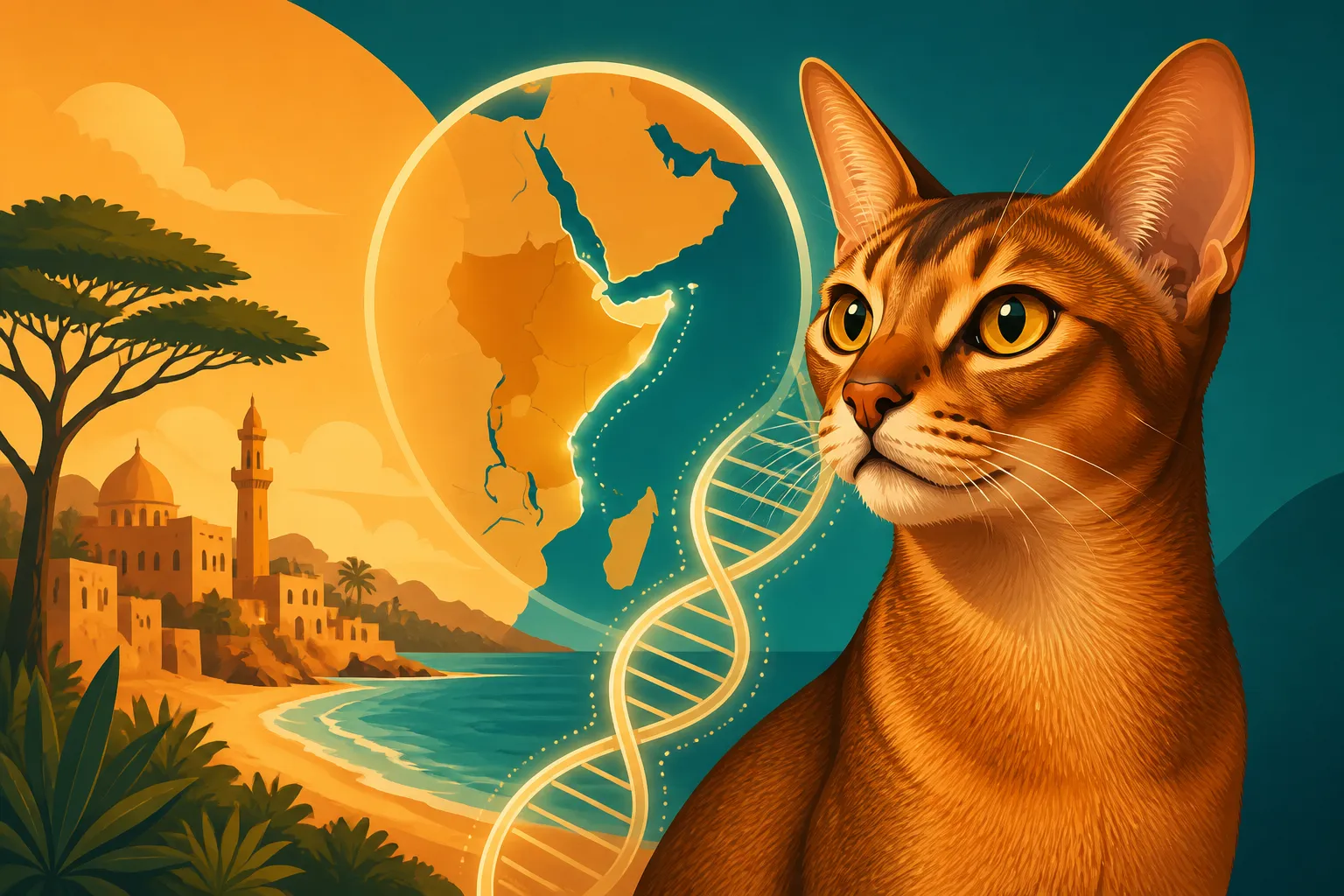
The genetic data points compellingly towards cat populations from the Indian Ocean basin, stretching from the coasts of India and Sri Lanka all the way to Southeast Asia. This area was a hub of ancient maritime trade, where ships traversed vast distances, carrying not just goods but also people and their companion animals. Cats were invaluable on these long voyages, keeping rodent populations in check in ships' holds and in port warehouses.
These genetic studies have found that the specific mutation responsible for the Abyssinian's characteristic ticked (agouti) coat, which gives it that wild, shimmering appearance, is prevalent in cat populations from these Indian Ocean coastal regions. It suggests that the ancestors of the Abyssinian, already possessing this distinctive coat pattern, were part of the bustling port ecosystems in places like Bengal and Singapore. Over time, these cats, or their direct descendants, eventually made their way to Europe, likely brought by traders, sailors, or colonial administrators, where they were then selectively bred into the distinct breed we recognize today as the Abyssinian. It's a testament to ancient globalization, long before we even had a word for it.
The Maritime Trade Route Theory
Imagine a world centuries ago, before planes and even reliable land travel. The ocean was the highway, and ships were the vehicles connecting continents. This ancient network of trade routes, particularly across the Indian Ocean, wasn't just for spices, silks, and precious metals; it was also a conduit for life, including the unassuming domestic cat. This theory provides a much more robust explanation for the Abyssinian's origins than a single cat from a military expedition.
The Role of Seafaring Merchants and Port Cities
For thousands of years, intrepid seafaring merchants crisscrossed the Indian Ocean, connecting the Middle East, India, Southeast Asia, and eventually, parts of Africa and Europe. These trade routes were vital arteries of commerce and cultural exchange. And where there are ships, there are often cats. Cats were essential crew members, valued for their pest control abilities, protecting valuable cargo from rats and mice. A ship without a cat was a ship inviting trouble.
As these ships docked in various port cities—bustling hubs like those in present-day India, Sri Lanka, and even further east—their feline passengers would disembark, mingle with local cat populations, and sometimes remain in the new land. These port cities became genetic melting pots for cats, where genes from different regions could mix and spread. Over generations, this continuous flow of cats along the trade routes would have led to a widespread distribution of certain genetic traits, including the ticked coat pattern. It explains how specific genetic markers found in Abyssinians today could be traced back to a broad region rather than a single, isolated origin point.
Early Cat Populations in the Indian Ocean Region
The cats native to or common in the Indian Ocean region during these ancient times were often short-haired and many displayed the ticked coat pattern. These weren't necessarily "wild" cats in the sense of never being domesticated, but rather free-ranging domestic cats, often working to keep rodent populations down in granaries, markets, and homes. They were self-sufficient, agile, and well-adapted to varied environments.
The genetic studies suggest that the ancestors of the Abyssinian were very much a part of these dynamic, often semi-feral, cat populations found in places like coastal Bengal or parts of Malaysia. These were hardy, intelligent cats, perfectly suited for survival in environments shaped by human settlement and trade. When these cats eventually made their way to Europe, either through direct import or successive migrations, their unique traits, particularly the ticked coat and lean build, would have caught the eye of early cat fanciers. They were then selectively bred and refined, over many generations, into the elegant, domestic breed we adore today. This journey from a bustling port to a pedigreed show ring is quite the transformation!
Physical Traits Echoing Ancient Ancestry
Beyond the genetic markers, many of the Abyssinian's distinctive physical characteristics subtly hint at a lineage shaped by life in open, diverse environments rather than a strictly confined or purpose-bred existence. These are traits that speak to efficiency, agility, and a certain primal elegance.
The Ticked Coat: A Legacy of Adaptation
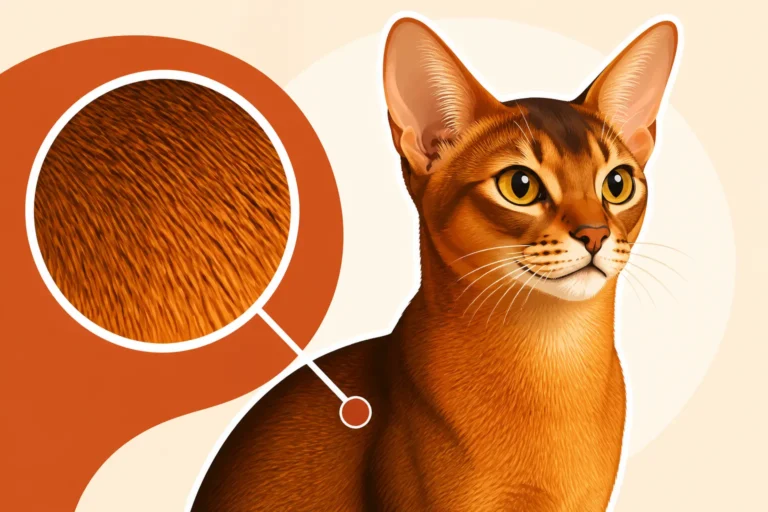
The most striking feature of the Abyssinian is, without a doubt, its ticked coat. Each individual hair boasts bands of color, giving the coat a shimmering, almost iridescent quality, without the traditional stripes or spots seen in tabbies. This agouti ticking is not unique to the Abyssinian; it's actually a common trait in many wild felines and early domesticated cats around the world. For instance, the African Wildcat, often considered the primary ancestor of all domestic cats, also exhibits a form of ticking.
Why is this important? Because ticking provides excellent camouflage in a variety of natural environments, from grasslands to rocky outcrops. It helps break up the cat's outline, making it harder for both prey and predators to spot. For an ancestral cat living in diverse landscapes along ancient trade routes, or even simply within the busy, often varied terrain of a port city, such effective camouflage would have been a significant advantage for hunting and survival. The Abyssinian's coat is a functional legacy, a beautiful echo of its wilder past. Why Each Abyssinian Hair Carries Three or Four Bands delves into the intricacies of this fascinating coat.
Slender Build and Active Nature
The Abyssinian is renowned for its lean, muscular, and athletic build. They are often described as having a "foreign" or "oriental" body type – long, lithe, and graceful, with slender legs and a fine bone structure. This isn't the heavy, cobby build of some European domestic shorthairs. This body type, combined with their incredible energy and intelligence, strongly suggests an ancestry of cats that needed to be agile, quick, and highly adaptable.
Imagine cats navigating crowded docks, scrambling up ropes, chasing rodents in tight spaces, or hunting in varied terrains. A slender, powerful build would have been paramount for such a lifestyle. Their high energy levels, often making them seem like perpetual motion machines, could also be a residual trait from ancestors who needed to be constantly on the move, hunting, exploring, and avoiding danger. These aren't cats bred for sitting still; they're built for action. If you've ever tried to keep up with an Aby, you know exactly what I mean! This is why vertical space is so crucial for them; An Abyssinian Needs Height More Than It Needs Floor.
| Feature | "Abyssinian" Mythical Origin (Ethiopia) | Genetic Origin (Indian Ocean Coast) |
|---|---|---|
| Primary Location | East Africa (Ethiopia, Egypt) | Southeast Asia, Indian subcontinent |
| Mechanism of Spread | Direct import (e.g., Zula), ancient Egyptian reverence | Maritime trade routes, seafaring merchants |
| Genetic Evidence | Weak, no direct lineage confirmation | Strong, shared genetic markers with local populations |
| Coat Trait Origin | Speculative link to ancient Egyptian art | Prevalent ticked cats in source regions |
| Historical Context | 19th-century British military expedition | Millennia of global trade and feline migration |
Connecting the Dots: Why the Indian Ocean Coast Makes Sense
Putting all the pieces together – the genetic data, the historical context of maritime trade, and the physical characteristics of the breed – the Indian Ocean Coast emerges as a far more logical and scientifically supported origin for the Abyssinian cat than the romanticized stories of ancient Abyssinia. It paints a picture of a journey across oceans, rather than a singular, isolated event.
The 'Wild Cat' Resemblance and Shared Traits
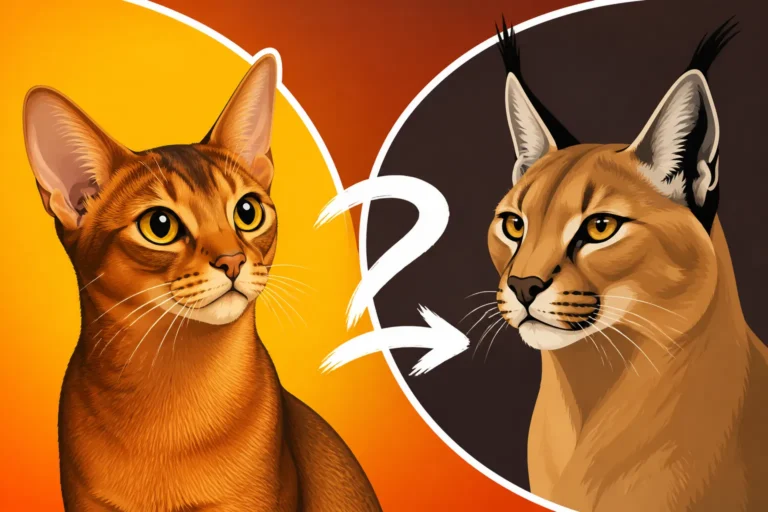
One of the most common observations about the Abyssinian is its striking resemblance to smaller wild cats, such as the African Wildcat. This isn't just about the ticked coat; it's also about their alert demeanor, their lean musculature, and their overall "untamed" look. This resemblance makes perfect sense when we consider that their ancestors likely originated from populations of domestic cats that were very close to their wild forebears, or frequently interbred with them, across a wide geographical range.
The Indian Ocean Coast theory doesn't limit the Abyssinian's heritage to one small, ancient population. Instead, it suggests a broader, more robust genetic pool that was continually refreshed and diversified by the constant movement of cats along trade routes. This would have helped maintain a strong genetic link to the more "wild" characteristics, preventing the kind of bottleneck that can sometimes lead to very distinct, but sometimes less hardy, domestic breeds. How the Abyssinian Compares to the African Wildcat provides more insight into this fascinating comparison.
Dispelling Old Myths with New Knowledge
It can be a little bittersweet to see cherished myths debunked by scientific evidence. Many of us, myself included, held onto the Zula story with a certain fondness. It felt right, it felt historical, and it added a layer of mystique to an already captivating breed. But science, while sometimes challenging our romantic notions, ultimately offers a deeper, more accurate understanding of the world around us – and the cats within it!
Embracing the Indian Ocean Coast origin doesn't diminish the Abyssinian's appeal; if anything, it enhances it. It tells a story of resilience, adaptability, and an incredible journey across continents and centuries. It highlights the often-unseen role of cats in human history, traveling alongside us, whether we fully acknowledged their impact or not. It's a testament to how our understanding evolves, and how new tools like genetic mapping allow us to uncover truths that were previously inaccessible.
Practical Implications for Abyssinian Owners and Breeders
Understanding the true genetic origins of the Abyssinian isn't just an academic exercise; it has subtle but significant implications for how we appreciate, care for, and breed these amazing felines. It helps us see beyond the surface and connect with the deeper history encoded in their very being.
Understanding the Breed's Robustness and Vulnerabilities
Knowing that the Abyssinian likely descends from hardy, adaptable cats that thrived in diverse, free-ranging environments along the Indian Ocean coast helps explain some of their inherent traits. These are not a fragile breed; they are generally robust, intelligent, and highly active. Their athleticism and high energy are echoes of a past where quick reflexes and constant movement were essential for survival. This historical context reinforces the importance of providing ample enrichment, vertical climbing spaces, and interactive play for your Aby. Companies like Chewy offer a fantastic array of puzzle feeders, interactive toys, and sturdy cat trees designed to engage an active mind and body. This ancestry also suggests a natural resilience, which breeders have worked to preserve through careful selection.
However, even a robust history doesn't negate the potential for inherited health conditions that can emerge during selective breeding. As we understand the broader genetic background, it helps inform ongoing efforts to identify and manage breed-specific issues. Which Four Diseases the Abyssinian Actually Carries provides important details on these vulnerabilities. While their history points to general hardiness, modern breeding requires vigilance.
Celebrating a Rich and Complex Heritage
Ultimately, the revelation of the Abyssinian's Indian Ocean Coast origins adds a layer of depth and wonder to their story. Instead of a single, perhaps coincidental, import from a specific African country, we now see a narrative of ancient trade, diverse populations, and a gradual, global journey. This breed is a living testament to the intertwined histories of humans and cats, traveling the world together, even when the human participants weren't intentionally "breeding" them.
For owners, it means appreciating that your energetic, curious Aby carries a history of maritime adventure and resilience within its DNA. For breeders, it underscores the importance of maintaining genetic diversity and understanding the true breadth of the breed's ancestry. It's a celebration of a feline journey that spans centuries and continents, a vibrant tapestry woven from countless generations of adaptable, beautiful cats. As you watch your Abyssinian climb to the highest point in the room or chase a wand toy with wild abandon, remember the long, fascinating path their ancestors took to arrive in your home. You can find many products to support their adventurous spirit and climbing needs on sites like Chewy.
Disclaimer
This article is for general informational purposes only and does not constitute professional advice. Laws, prices and regulations vary by location and change over time. Consult a qualified professional for guidance on your specific situation.