What Happened at the 1871 Crystal Palace Show
It can be incredibly frustrating trying to piece together the true history of a beloved cat breed, especially when so many captivating stories get passed down through generations. For Abyssinian enthusiasts, the tale of Zula and the 1871 Crystal Palace Show is one such narrative, a foundational myth that often overshadows the complex reality of the breed's origins. This guide aims to clear up the confusion surrounding that pivotal event, separating fact from charming legend to give you a clearer picture of what truly happened and why it still matters for the Abyssinian cat today.
The Grand Stage: London's Crystal Palace Exhibition
Imagine a time when the world was rapidly industrializing, and people flocked to grand exhibitions to marvel at technological wonders, artistic achievements, and exotic specimens from far-flung corners of the globe. That was the Victorian era, and the Crystal Palace in London was often at the epicenter of these spectacles. It was a place of immense public fascination, designed to showcase the best of human ingenuity and natural diversity, making it the perfect backdrop for introducing something new and intriguing.
A World of Wonders and Curiosities
The Crystal Palace itself was an architectural marvel, a colossal structure of iron and glass that first housed the Great Exhibition of 1851. After its initial success, it was re-erected in Sydenham, South London, becoming a permanent venue for educational, cultural, and recreational events. These exhibitions were grand affairs, featuring everything from machinery and art to anthropological displays and live animal shows. For many Victorians, it was their only chance to glimpse creatures from distant lands, a spectacle that fed a growing appetite for the exotic and the novel. It was within this vibrant, curiosity-driven atmosphere that the first "Abyssinian" cat made its public debut, a creature whose striking appearance perfectly fit the era's fascination with all things foreign and mysterious. The sheer scale and ambition of these events meant that anything showcased there gained immediate, widespread attention, cementing its place in the public consciousness, sometimes more strongly than accurate historical record could support.
The Cat Show Phenomenon Takes Hold
While livestock and dog shows had long been popular, the concept of competitive cat shows was still quite new in the mid-19th century. The very first organized cat show took place in 1871, and where else but at the Crystal Palace? This was a groundbreaking event, spearheaded by Harrison Weir, a well-known artist and animal fancier who is often credited with organizing the world's first formal cat show. Before this, cats were largely seen as utilitarian creatures, valued for their mousing skills rather than their aesthetic qualities or specific breeds. Weir's show changed all that, bringing cats into the spotlight as objects of beauty and distinct characteristics worthy of recognition and selective breeding. It marked the beginning of modern cat fancy, where "pedigree" was slowly becoming a recognized concept, and where enthusiasts began to define and standardize what a particular breed should look like. The show was a massive success, attracting thousands of visitors and setting the stage for the structured development of cat breeds that we recognize today. This shift from utilitarian animal to cherished companion with specific breed standards provided the ideal environment for a cat like Zula to make a significant, if symbolic, impression.
Zula's Moment in the Spotlight
Among the many intriguing animals displayed at the 1871 Crystal Palace Show was a particular cat, a female with a unique ticked coat, that was simply identified as an "Abyssinian." This cat, named Zula, immediately captured attention, not just for her unusual appearance but for the exotic story attached to her origins. It was a narrative that perfectly fit the Victorian desire for tales of adventure and discovery, solidifying her legendary status from the outset.
The Arrival of the "Abyssinian Cat"
The story, as it was widely recounted, was that Zula had been brought back from Abyssinia (modern-day Ethiopia) following the British military expedition of 1868. This expedition, led by Lieutenant General Robert Napier, concluded with the Battle of Magdala and the subsequent capture of Emperor Tewodros II's fortress. The narrative suggested that one of Napier's officers acquired this distinctive cat during the campaign and brought her back to England as a souvenir. This romantic origin story immediately imbued Zula with a sense of adventure and mystery, making her a star attraction at the burgeoning cat shows. She was a tangible link to a far-off land and a recent military triumph, something that resonated deeply with the British public. While the exact details of her acquisition and journey remain shrouded in the mists of time, the captivating tale undoubtedly played a huge role in her fame. She was presented as a unique specimen, a living testament to exploration and the exotic. You can read more about Who Brought Zula to England in 1868 to dive deeper into this fascinating piece of lore.
What Zula Represented to the Public
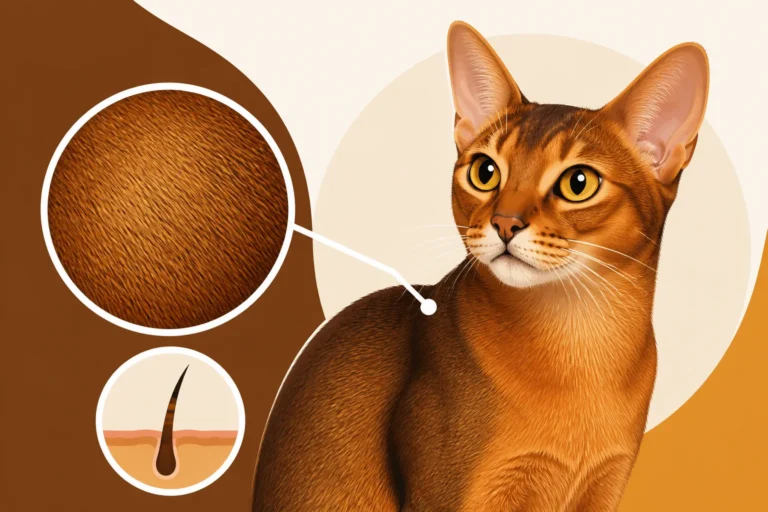
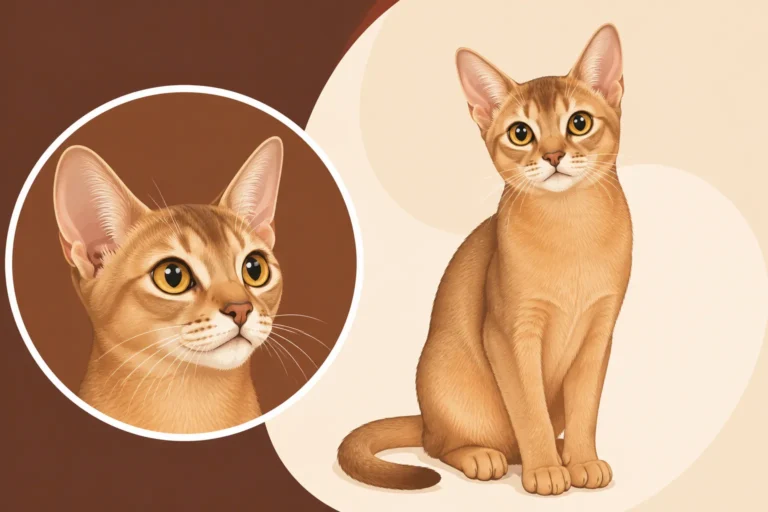
At the Crystal Palace Show, Zula was not just another pretty feline; she was a symbol. She was exotic, unique, and had a captivating backstory that set her apart from the common domestic cats of England. Her striking ticked coat, often described as resembling a wild rabbit's fur, was a novelty. Unlike the striped or blotched patterns of most tabbies, Zula's coat appeared uniformly warm brown, with each individual hair banded with different colors. This subtle, shimmering effect made her stand out, hinting at an ancient, untamed lineage.
The public, eager for new and interesting breeds, saw in Zula the potential for something truly special. She won a third-place prize at the show, a significant achievement for a cat with no established "breed" status, simply recognized for her distinctiveness. This award helped to popularize the idea of "Abyssinian" cats, inspiring early fanciers to seek out similar-looking cats and begin the arduous process of formalizing a new breed. Even if her direct descendants don't form the basis of today's breed, her legend was powerful enough to ignite an entire movement. You can learn more about What Prize Zula Won in 1871 and the impact of her win.
The Disconnect: Zula and the Modern Abyssinian
While Zula's story is undeniably charming and holds a special place in the hearts of Abyssinian enthusiasts, the historical record presents a significant challenge: there's a frustrating lack of solid evidence connecting her directly to the pedigreed Abyssinians we cherish today. This isn't to say Zula wasn't real or important, but rather that the path from her singular appearance to the established breed was far more circuitous and complex than the popular narrative often suggests.
The Missing Link in Pedigree Records
Here's the rub: in the early days of cat fancy, meticulous record-keeping wasn't quite the standard it is today. Pedigrees, if they existed at all, were often incomplete or relied heavily on oral tradition. For Zula, the paper trail simply runs cold. There's no clear, continuous line of documented offspring that connects her directly to the cats that were later recognized as the foundation stock of the Abyssinian breed. This is a common issue with many early breeds; the initial excitement often outpaced the strict genealogical documentation we expect now. Cats that were visually similar to Zula might have been given the "Abyssinian" label, even if they weren't her direct descendants, simply because they fit the exotic aesthetic. Without definitive proof, she remains an inspirational figure rather than a direct ancestress. The gaps in the historical records are what make piecing together the true story so challenging, and why many historians point to this period as a key area of disconnect. This lack of a solid lineage is a major reason Why No Pedigree Connects Zula to Later Abyssinians, a fact that can be a little disheartening for those who love the romantic origin story.
The Role of Early Breed Development
The 19th century cat fancy was a far cry from the highly organized, DNA-tested world of today. Early breeders often relied on a combination of selective breeding, outcrossing with local domestic shorthairs that displayed similar traits, and even importing cats from various regions. If a cat had a ticked coat, regardless of its true origin, it might have been incorporated into the "Abyssinian" breeding program. This practice was common for many developing breeds at the time, as breeders worked to establish a consistent look and temperament. It wasn't about preserving a single bloodline from one specific cat, but rather about creating a new, distinctive breed from a collection of cats that shared desired characteristics.
The "Abyssinian" name likely became a catch-all term for these ticked-coated cats, with breeders striving to enhance and stabilize the ticking, wedge-shaped head, and slender body that became hallmarks of the breed. It wasn't until later, as breed standards became more stringent, that specific foundational cats were definitively recorded. The earliest officially registered "Abyssinian" cat, named "Fancy," appeared in the studbook in 1882, but even her lineage prior to that registration is somewhat vague. This period of early, less documented development explains why the modern Abyssinian's ancestry is more a mosaic of carefully selected cats than a direct descent from Zula. To understand how the breed slowly solidified, it's worth exploring Which Cat Was First Listed as an Abyssinian in 1882 and the context of its registration.
The Legacy of the "Abyssinian" Name
Despite the historical ambiguities surrounding Zula's direct genetic contribution, the name "Abyssinian" stuck. It became intrinsically linked to these beautiful, ticked-coated cats, giving them an air of exoticism and ancient heritage that resonated deeply with the public and early breeders alike. The power of a captivating story, it seems, can often outweigh the precision of scientific record, especially in the nascent days of breed development.
How a Name Endures Beyond Fact
The reason the "Abyssinian" name persevered is a fascinating study in marketing and romanticism. "Zula, the cat from Abyssinia," simply sounded more intriguing and distinctive than "a ticked-coated cat of unknown origin." The name evoked images of ancient lands, mysterious cultures, and thrilling expeditions, aligning perfectly with the Victorian public's appetite for the exotic. It wasn't just a label; it was a narrative, a brand that gave the cats a unique identity in a crowded field of burgeoning breeds.
Breeders, even if they were outcrossing with domestic cats to stabilize traits, found value in maintaining this exotic association. It helped to sell kittens and draw attention to their breeding efforts. The legend provided a compelling reason for the cat's unique appearance, even if the actual genetic journey was far more mundane. This endurance of the name highlights how powerful a good story can be, becoming a cornerstone of the breed's identity even as scientific understanding evolved. It's a prime example of Why the Abyssinian Was Named After a Country It Is Not From, yet the name remains.
The Evolution of the Ticked Coat
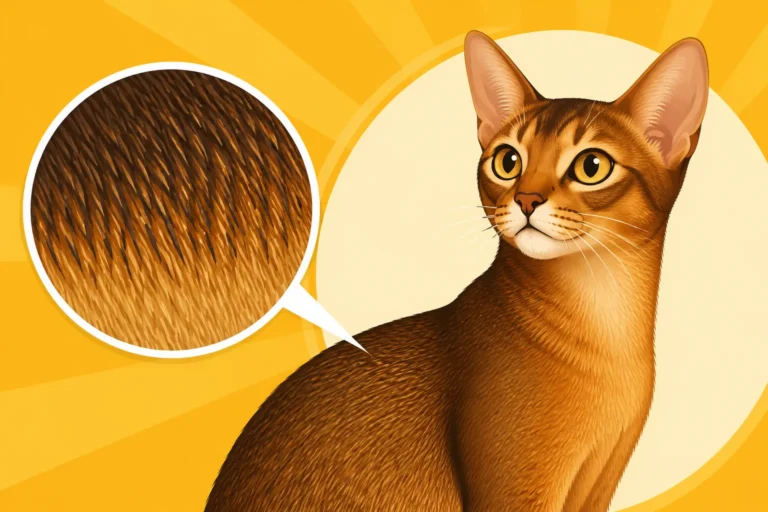
While Zula's direct lineage might be debated, her likely appearance—a cat with a distinctively ticked coat—undoubtedly inspired breeders to focus on this particular trait. The ticked pattern, where each individual hair has bands of color, giving the coat a shimmering, agouti effect without distinct stripes or spots, was relatively rare and striking. Early breeders worked diligently to enhance and standardize this ticking, making it the defining characteristic of what would become the Abyssinian breed.
They likely achieved this by selectively breeding cats that exhibited strong ticking, potentially including domestic cats that carried the agouti gene. Over generations, through careful selection and sometimes, through necessity, crossing with other shorthair breeds, the ticked pattern became more refined and consistent. The goal was to eliminate any barring or stripes (ghost tabby markings) and achieve the clear, even ticking that is prized in Abyssinians today. This dedicated focus on the coat pattern meant that "ticked cat" became almost synonymous with "Abyssinian," so much so that at one point, the breed was sometimes simply referred to by its most distinctive feature. You can learn more about Why the Abyssinian Was Once Called the Ticked Cat and its historical significance.
The True Ancestry of the Abyssinian Revealed
For decades, the romantic tale of Zula from Abyssinia was the accepted origin story. However, with the advent of advanced genetic research, scientists have been able to delve into the very DNA of the Abyssinian cat, revealing a much more nuanced and surprising truth about its heritage. This modern understanding challenges the long-held beliefs, offering a fresh perspective on where these captivating felines truly came from.
Genetic Studies Rewrite History
Modern genetic studies have revolutionized our understanding of cat breeds. By analyzing DNA samples from Abyssinians and other domestic cat populations around the world, researchers can trace genetic markers and pinpoint ancestral origins with far greater accuracy than historical anecdotes allow. These studies have consistently shown that the Abyssinian breed's genetic footprint does not align with an Ethiopian origin. Instead, their genetic profile strongly suggests a different geographical background, one that was perhaps less glamorous but ultimately more accurate.
These findings have been pivotal in dismantling the myth of Zula as the direct progenitor. While the name "Abyssinian" still conjures images of ancient African kingdoms, the scientific evidence points elsewhere. It highlights the importance of using objective data to inform our understanding of breed histories, rather than solely relying on appealing but unsubstantiated narratives. This scientific approach helps us appreciate the true evolutionary journey of these remarkable animals. You can delve into the specifics of What DNA Says About Where Abyssinians Came From to get the full picture.
The Southeastern Asian Connection
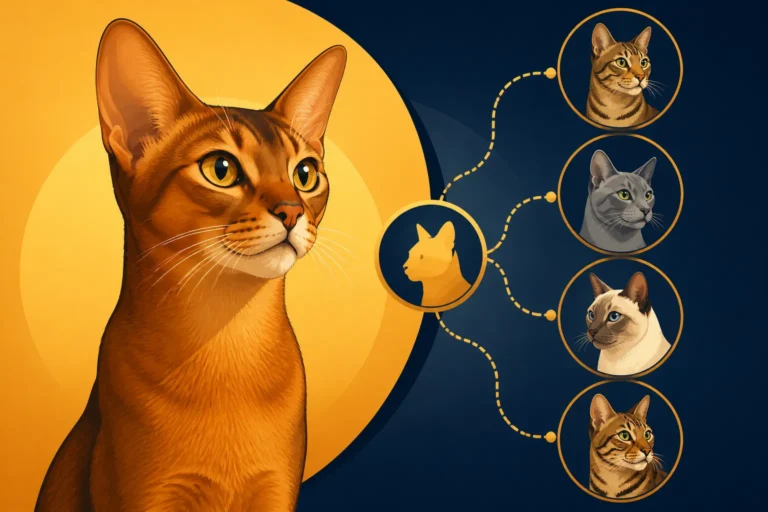
So, if not Abyssinia, then where? Genetic research has pointed strongly towards Southeast Asia and the Indian Ocean coast as the most likely ancestral home of the cats that formed the basis of the Abyssinian breed. This might seem surprising at first, but it makes a lot of sense when considering historical trade routes. Sailing ships frequently traveled between ports in Southeast Asia, India, and the Middle East, and cats were often carried on board as mousers. It's highly probable that some of these ticked-coated cats, displaying the agouti gene that gives the Abyssinian its distinctive look, made their way to Europe via these maritime connections.
These cats likely possessed the unique genetic mutations for the ticked coat pattern that early British breeders found so appealing. They were then selectively bred and refined in Europe to create the breed we know today. This theory also aligns with the genetic diversity found in indigenous cat populations in these regions, which often exhibit the ticked agouti pattern. This new understanding doesn't diminish the Abyssinian's allure; if anything, it adds another layer of fascinating global history to its story. For a deeper dive into this geographical link, check out Why Southeast Asia Turns Up in Abyssinian Genetics.
Understanding the Abyssinian Today
While the 1871 Crystal Palace Show and the legend of Zula are undeniably part of the Abyssinian's story, it's crucial to understand that the breed as we know it today is a product of deliberate, dedicated breeding efforts. The breed's identity wasn't just handed down from a single exotic cat; it was carefully cultivated over many generations by passionate fanciers who meticulously worked to establish and maintain its unique characteristics.
A Breed Forged Through Dedicated Breeding
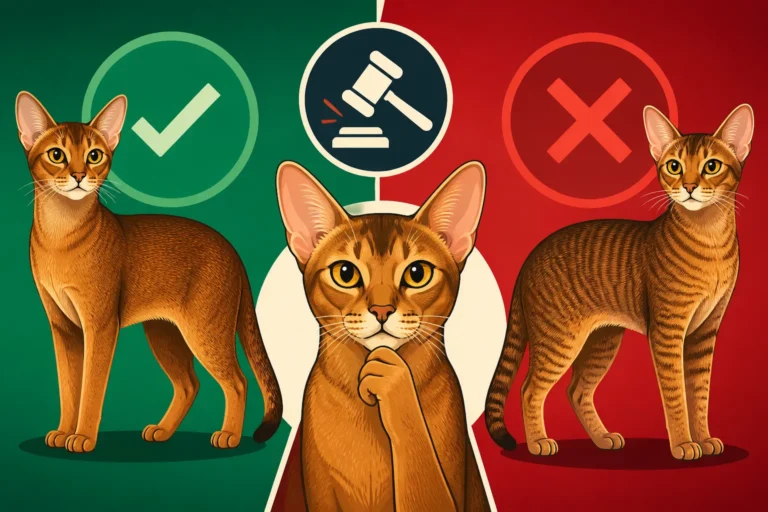
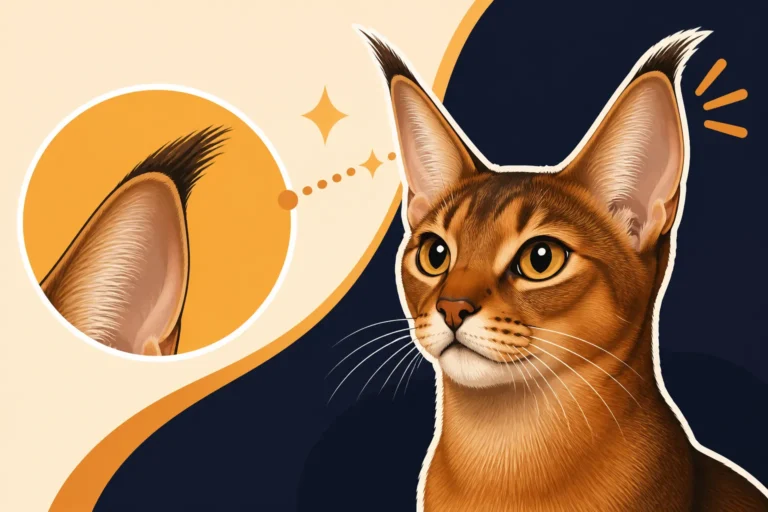
The Abyssinian's distinctive appearance and lively temperament are not accidents of nature. They are the result of tireless work by breeders throughout the late 19th and 20th centuries. After the initial excitement around Zula, and the realization that a direct lineage was elusive, breeders took up the mantle of creating a consistent "Abyssinian type." This involved carefully selecting cats with desirable traits—the ticked coat, the lean muscular body, the wedge-shaped head, and those striking almond-shaped eyes—and breeding them together. They aimed to eliminate undesirable traits, such as tabby barring, and to produce a cat that consistently met an evolving breed standard.
This process required a deep understanding of genetics (even if it was rudimentary at the time) and a strong vision for the future of the breed. It was a commitment to preserving and enhancing the beauty they saw in these cats. The Abyssinian's energetic and intelligent personality, often described as "dog-like" in its affection and playfulness, was also nurtured through selection, ensuring that the breed was not just beautiful but also an engaging companion. For those interested in the foundational work, How the Abyssinian Was Bred in Victorian Britain offers great insight into these early efforts.
The Importance of Verified Pedigrees
In stark contrast to the vague records of Zula's era, modern Abyssinian breeding places immense importance on verified pedigrees and genetic health testing. Responsible breeders today go to great lengths to ensure the health and genetic purity of their lines. This includes DNA testing for known inherited conditions like Pyruvate Kinase Deficiency (PKD) and Progressive Retinal Atrophy (PRA-rdAc). These tests, often performed by specialized veterinary labs, provide clear results that confirm whether a cat is clear, a carrier, or affected by these genetic conditions. Many breeders also use platforms to publicly register their cats' test results, offering full transparency to potential kitten buyers.
This meticulous approach ensures that the Abyssinians being bred are healthy and that their lineage is accurately documented, protecting the integrity of the breed for future generations. When you consider bringing an Abyssinian into your home, always ask about the parents' genetic test results and pedigree. Many reputable breeders will also use resources like Chewy for high-quality food, toys, and supplements to ensure their cats are in peak condition, further demonstrating their commitment to the health and well-being of the breed. Understanding How the Abyssinian's DNA Panel Is Ordered can help you make an informed decision when looking for a kitten.
Here's a quick comparison of the legendary vs. scientific origins:
| Aspect | Zula/1871 Crystal Palace Narrative | Modern Genetic Understanding (Post-DNA) |
|---|---|---|
| Origin Point | Abyssinia (Ethiopia), 1868 British Expedition | Southeast Asia / Indian Ocean Coast |
| Evidence Basis | Anecdotal accounts, public exhibition | DNA analysis of modern & historical cat populations |
| Direct Ancestry | Zula is considered the direct founder | Zula's direct link to modern Abyssinians is unproven |
| Key Traits | Ticked coat, exotic appearance | Ticked coat, refined through selective breeding from diverse sources |
| Breed Formation | Single founder theory | Multiple founding cats, gradual development over time |
| Impact on Name | Named for alleged country of origin | Name retained for historical/romantic reasons, despite genetic evidence |
This article is for general informational purposes only and does not constitute professional advice. Laws, prices and regulations vary by location and change over time. Consult a qualified professional for guidance on your specific situation.