How the Abyssinian Was Bred in Victorian Britain
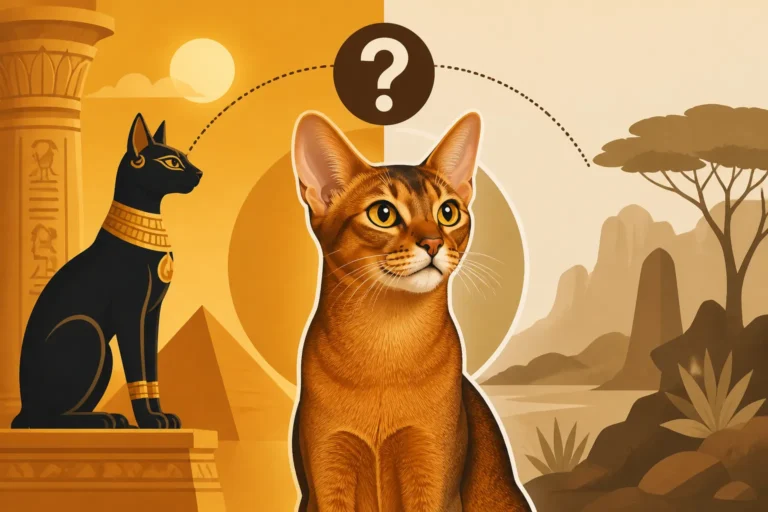
When you first fall in love with the Abyssinian, you might hear romantic tales of their ancient lineage, tracing back to the pharaohs of Egypt or the wild plains of Abyssinia. While those stories certainly add to the mystique of these incredible cats, the truth about their origin as a recognized breed is far more grounded in the meticulous efforts of Victorian-era British breeders. It's a fascinating journey, marked by dedication, careful selection, and a bit of uncertainty, that shaped the Aby we know and adore today.
The First Glimpse: Zula and the Early Abyssinian
The story often begins with Zula, a cat reputedly brought back to England by soldiers returning from the Abyssinian War in 1868. She was described as having a unique ticked coat, a striking departure from the more common tabby patterns of the time. This exotic appearance captured the imagination of the Victorian public and fueled the narrative that these cats were direct descendants of ancient Egyptian felines, arriving in Britain as living artifacts. It’s a compelling image, isn't it? The idea of a cat straight from antiquity gracing the parlors of London.
Zula and the Mythical Origins
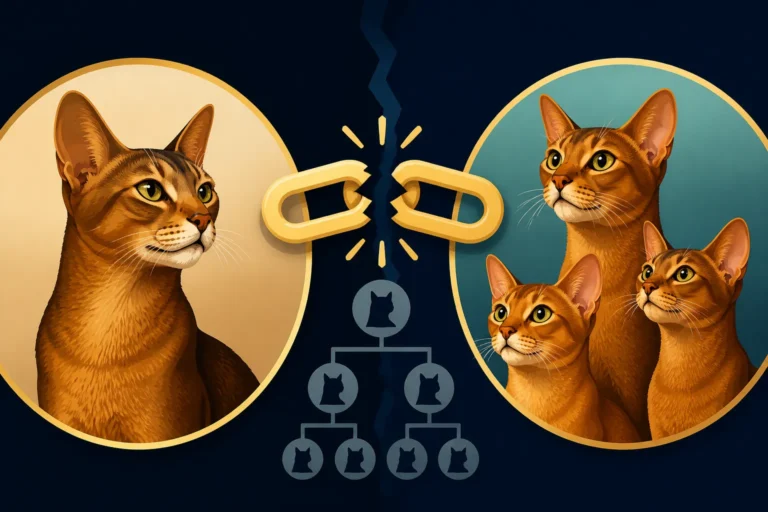
Zula was indeed showcased at the famed Crystal Palace Cat Show in 1871, an event that really brought pedigree cats into the public eye. Imagine the buzz! A cat with such an intriguing backstory, looking unlike anything most people had seen before. She was a sensation, and her presence solidified the "Abyssinian" name, linking the breed directly to the country from which she supposedly hailed. However, as charming as this tale is, modern genetic studies have thrown some cold water on the idea that Zula is a direct ancestor of today's Abyssinians. It's more likely she was a beautiful example of a ticked cat who served as an inspiration rather than a foundational queen. The story of her return from conflict, however, was just too good not to stick around. You can read more about Zula and the 1868 Story Everyone Repeats and Why the Abyssinia Origin Story Survived Anyway to delve deeper into this captivating myth.
The excitement around Zula, and other similar ticked cats appearing around the same time, was enough to spark interest among cat fanciers. These weren't your average barn cats; they were distinct, elegant, and had a wild, untamed beauty that fascinated people. While the direct lineage from Zula herself might be broken, her role in igniting the passion for the Abyssinian breed in Victorian Britain is undeniable. She was the face of a new kind of feline allure.
The "Bunny Cat" and Early Registries
In the early days, before the breed standard was fully established, Abyssinians were often referred to by various affectionate nicknames. One popular moniker was the "bunny cat," a nod to their soft, ticked coats and sometimes, their larger, forward-tilted ears that vaguely resembled a rabbit's. This might sound a little strange now, but it speaks to how unique and novel these cats appeared to the Victorians. The coat, in particular, was a talking point – soft, shimmering, and without the distinct stripes of a tabby.
As cat fancying grew in popularity, so did the desire for formal recognition and pedigrees. In 1882, the first cat officially listed as an "Abyssinian" was registered. This marked a crucial step in moving from a collection of interesting, exotic-looking cats to a defined breed with a recorded history. These early registries were vital for tracking parentage and ensuring that desired traits could be consistently reproduced. Without them, the careful selection and development that defined Victorian breeding would have been impossible. Learning about Which Cat Was First Listed as an Abyssinian in 1882 offers a glimpse into this historical moment.
These first registered Abyssinians often had a somewhat varied appearance, not quite as standardized as what we see today. The focus was on the ticked coat and the overall "wild" look, but other features were still in flux. Breeders were essentially starting from scratch, trying to capture and refine a specific aesthetic from a relatively small pool of cats. It was a pioneering time for cat genetics, even if the understanding of DNA was centuries away.
Building the Breed: Cross-breeding and Standardization
The challenge for Victorian breeders wasn't just finding more cats with the ticked coat; it was about solidifying the breed's characteristics, ensuring health, and preventing undesirable traits from cropping up. This meant a deliberate, and sometimes controversial, approach to breeding.
The Necessity of Outcrossing
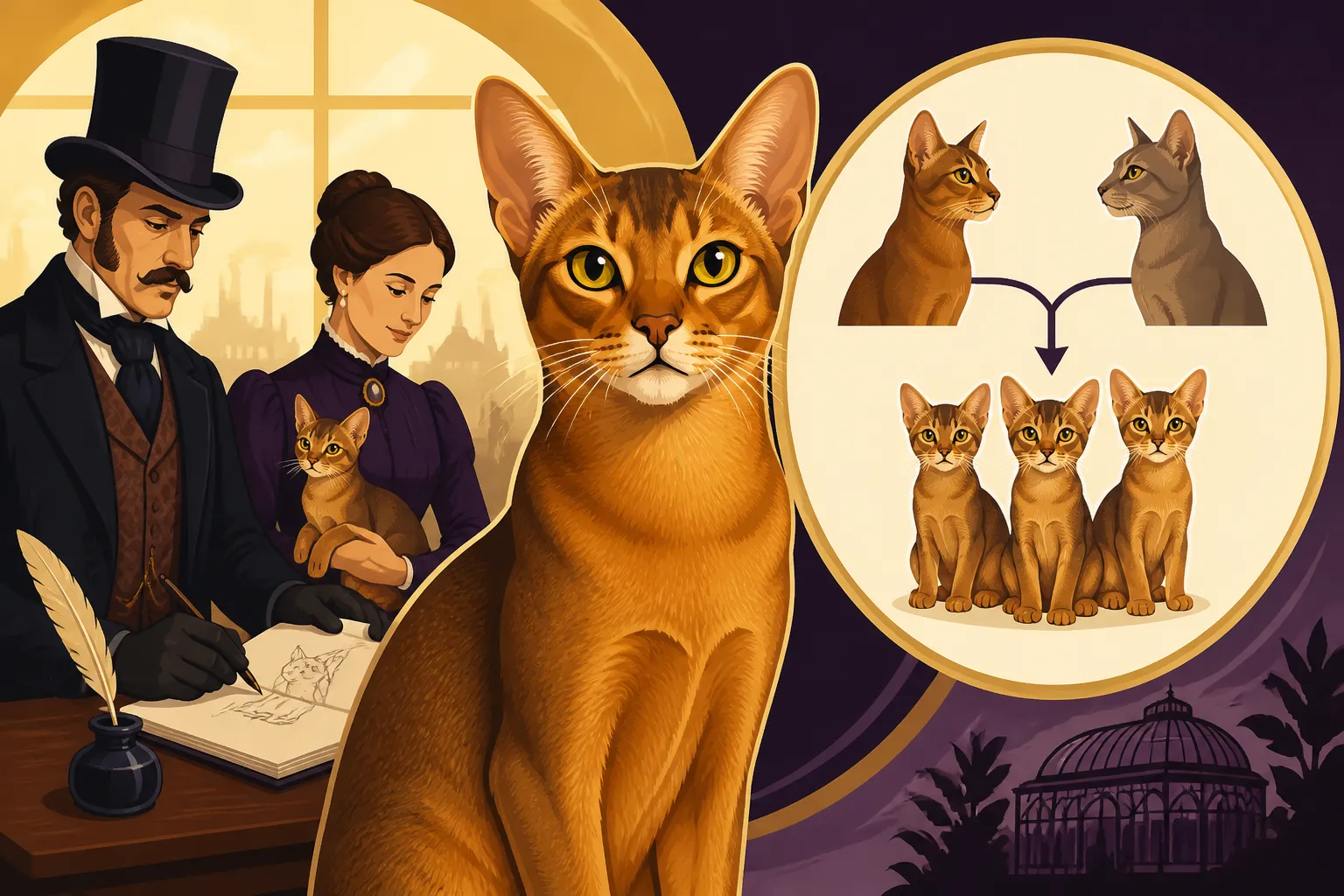
One of the biggest hurdles for early Abyssinian breeders was the limited gene pool. There weren't many ticked cats running around Britain, and relying solely on a handful of individuals would have quickly led to inbreeding issues and a weakening of the breed. To introduce genetic diversity and reinforce desired traits, breeders often resorted to outcrossing. This meant breeding Abyssinians with other domestic shorthairs, particularly those with strong, robust constitutions and perhaps some latent ticking in their coats.
This practice was absolutely essential for the survival and development of the breed. Imagine trying to bake a cake with only a tiny pinch of flour – you need more ingredients to make a full, healthy loaf! These early crosses helped to strengthen the Abyssinians' health and broaden their genetic base, preventing the pitfalls of too much inbreeding. It wasn't always a straightforward process, as breeders had to carefully select the offspring to retain the distinct Abyssinian look while benefiting from the new genetics. The question of Whether the Abyssinian Was Built From British Tabbies is often discussed in this context, highlighting the role of other breeds in its development.
Without these thoughtful outcrosses, it's highly likely the Abyssinian breed might never have become as robust or widespread as it is today. It was a pragmatic decision born out of necessity, showcasing the breeders' commitment to establishing a lasting legacy for their beloved "bunny cats."
Establishing the Ticked Coat
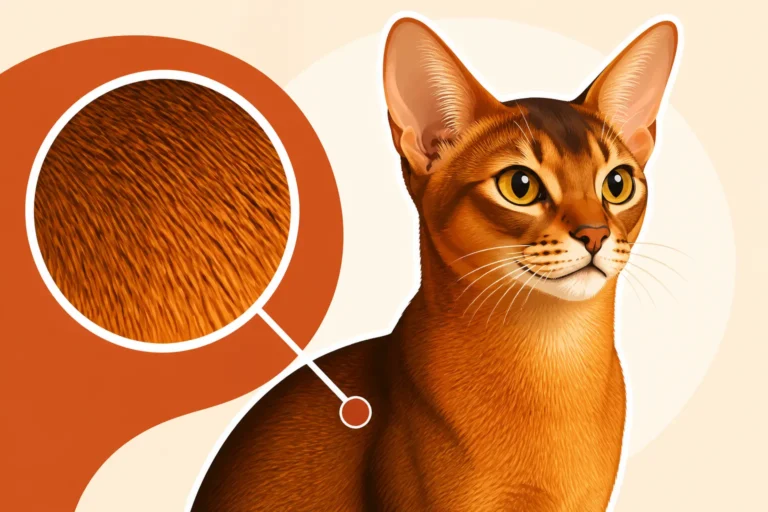
The defining feature of the Abyssinian, then as now, is its stunning ticked or agouti coat. Unlike tabby cats, which have distinct stripes, swirls, or spots, each individual hair on an Abyssinian has multiple bands of color, giving the coat a shimmering, almost iridescent quality without any visible patterns on the body. This was the holy grail for Victorian breeders: to consistently reproduce and refine this unique coat.
Breeders worked tirelessly to select cats that exhibited this ticking strongly and to eliminate any kittens that showed signs of barring (stripes) or blotches, which were considered faults. The earliest breed standards, though less detailed than today's, explicitly prioritized the ticked coat. It was a visual marker, a badge of identity for the Abyssinian, setting it apart from all other breeds. This dedicated focus is why Abyssinians are sometimes still referred to as Why the Abyssinian Was Once Called the Ticked Cat.
Achieving a truly "clear" ticked coat, free from distracting tabby markings, took generations of careful breeding. It was a testament to the Victorian breeders' keen eye and their understanding of inheritance, even without the scientific tools we have today. They meticulously recorded litters, studied the offspring, and made breeding decisions based on what they observed.
Developing the Abyssinian's Look
Beyond the coat, Victorian breeders also began to shape the overall physical appearance of the Abyssinian. They envisioned a cat that was elegant, athletic, and retained a subtle "wild" grace, reminiscent of its supposed ancient ancestors. This meant selecting for a moderate, muscular body type – not too cobby, not too slender – with long, graceful legs that made them appear to stand on their toes.
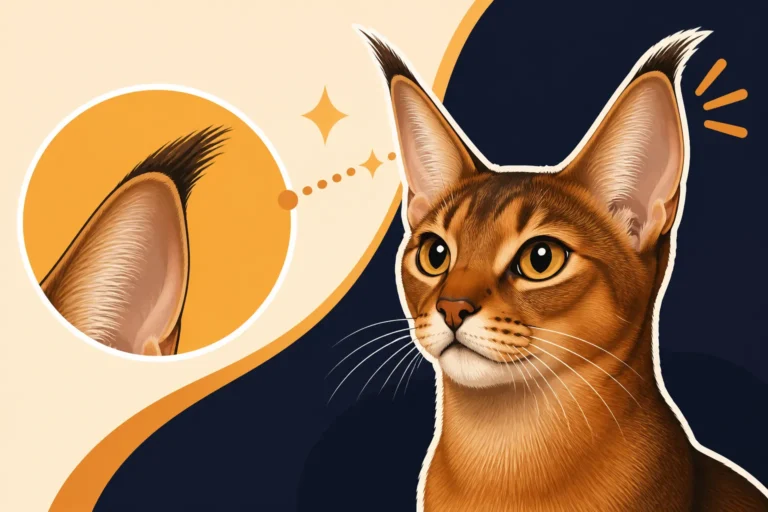
The head shape was also a point of focus: a modified wedge, with medium-sized ears that were broad at the base and set relatively wide apart. They aimed for expressive, almond-shaped eyes, often gold or green, outlined with a darker rim, giving them an almost kohl-lined appearance that enhanced their exotic allure. These characteristics, carefully cultivated through generations, distinguish the Abyssinian's profile to this day. You can imagine the lively discussions among breeders at cat shows, debating the finer points of ear set or eye shape as they worked towards an ideal.
This process of standardization was crucial for ensuring that future generations of Abyssinians would consistently display these beloved traits. It was a collaborative effort among breeders, often sharing knowledge and even breeding stock to achieve their collective vision for the breed. What the First Abyssinian Breed Standard Said gives us a peek into what they were aiming for.
Challenges and Resilience in the Early Years
Despite the dedication, the journey of establishing the Abyssinian breed in Victorian Britain was not without its serious setbacks. Maintaining a healthy and thriving population proved to be a constant struggle.
Small Gene Pool and Fragility
Even with careful outcrossing, the initial gene pool for Abyssinians remained relatively small. This inherent fragility meant the breed was vulnerable to various challenges. Genetic bottlenecks can lead to a higher prevalence of certain health issues, and in those days, understanding feline genetics and inherited diseases was rudimentary at best. Breeders worked largely on observation and trial-and-error, a far cry from the DNA testing available today.
The limited numbers also made the breed susceptible to external pressures. A single unfortunate event, like a severe disease outbreak in a cattery, could wipe out a significant portion of the entire breed population. It was a precarious existence for these beautiful cats, relying heavily on the success of a few dedicated breeding programs to keep them going. History shows us How Few Abyssinians Were Left in Britain by 1900, highlighting just how close they came to disappearing.
Victorian breeders, while passionate, faced immense odds. They often worked in isolation, guided by their vision for the breed but constrained by the realities of genetic limitations and the nascent understanding of animal husbandry. Their persistence is truly remarkable, laying the groundwork for the robust breed we know today.
The Impact of World Wars
As if the challenges of a small gene pool weren't enough, the Abyssinian breed in Britain faced near extinction due to the two World Wars. War isn't just devastating for humans; it has a profound impact on animal populations, especially pedigree breeds. During wartime, resources become scarce, priorities shift dramatically, and the luxury of breeding and maintaining show cats often becomes impossible. Many catteries had to close, cats were lost, and breeding programs were severely disrupted.
The sheer difficulty of feeding and caring for animals, coupled with bombing raids and widespread societal upheaval, meant that many beloved breeds dwindled to alarmingly low numbers. The Abyssinian, already starting from a relatively small base, was hit particularly hard. It was a dark period where the very existence of the breed hung by a thread. Why the Two World Wars Nearly Ended the Abyssinian details this harrowing time, illustrating the resilience required to pull the breed back from the brink.
It truly speaks to the enduring appeal and the dedication of a few persistent individuals that the Abyssinian survived these catastrophic events at all. Breeders who managed to keep even a handful of cats alive, often under incredibly difficult circumstances, were instrumental in ensuring the breed's future.
The Legacy of Victorian Breeding
The meticulous work and sheer perseverance of Victorian breeders laid the fundamental groundwork for the Abyssinian cat. Their vision, despite the limited scientific understanding of their era, defined the traits that we cherish in Abyssinians today.
American Influence and Revival
After the devastation of the World Wars, particularly in Britain, the Abyssinian breed found a new lifeline across the Atlantic. American breeders, who had imported Abyssinians before and between the wars, played a crucial role in the breed's revival. They had managed to maintain and even expand their own breeding programs during the periods when their British counterparts were struggling or had completely lost their lines. These American lines became the genetic reservoir that helped to rebuild the breed in its ancestral home and beyond.
Imagine the relief, the international collaboration required! British breeders, desperate to re-establish their lines, often imported cats from the United States to bring fresh genetics and bolster their numbers. This transatlantic effort was absolutely vital in pulling the Abyssinian back from the brink of extinction and ensuring its continuity. It highlights how connected the global cat fancy truly is, even in times of global crisis. More information can be found in How American Breeders Rebuilt the Abyssinian and Which American Cattery Founded the Modern Abyssinian.
This period of revival underscored the collaborative spirit of dedicated breeders who saw the value in preserving this unique feline. Without their combined efforts, the Abyssinian we know today might have been lost to history.
Enduring Characteristics
The foundational choices made by those pioneering Victorian breeders continue to define the Abyssinian cat. The sleek, muscular body, the large ears, the expressive almond eyes, and most importantly, the stunning ticked coat – these are all hallmarks established in those early days. The careful selection for temperament also played a role. Abyssinians are known for their lively, intelligent, and curious personalities, traits that were likely favored by breeders looking for engaging and interactive companions, not just pretty faces.
Even the tendency for certain health considerations, like the prevalence of dental issues such as How Juvenile Gingivitis Starts in an Abyssinian Kitten, can be traced back to the narrow genetic pathways established early on. While modern breeders have far more tools, including DNA testing, to manage these issues, the initial genetic blueprint was set over a century ago.
The legacy of Victorian breeding is a testament to the power of dedicated individuals to shape a living work of art. The Abyssinian is a living connection to that past, a beautiful, energetic, and engaging cat that stands as a testament to the enduring passion of early cat fanciers. And while we now have access to wonderful resources like Chewy for all our modern cat care needs, it’s worth remembering that the very existence of this breed comes from a much older, more challenging origin story.
Here's a quick look at some key aspects of early Abyssinian breeding:
| Aspect | Victorian Era Breeding Reality | Common Myth/Perception |
|---|---|---|
| Origin Point | Developed largely in Britain through selective breeding | Direct descendant of ancient Egyptian cats or Ethiopian wild cats |
| Breeding Strategy | Outcrossing with domestic shorthairs to broaden gene pool | Pure lines directly imported from Abyssinia |
| Coat Development | Meticulous selection for strong ticking, against tabby patterns | Naturally occurring, untouched coat from the wild |
| Breed Numbers | Small, fragile population, nearly extinct after World Wars | Always a robust and numerous breed |
| Genetic Knowledge | Based on observation and selective pairing | No scientific understanding of genetics existed |
Disclaimer
This article is for general informational purposes only and does not constitute professional advice. Laws, prices and regulations vary by location and change over time. Consult a qualified professional for guidance on your specific situation.