Which Cat Was First Listed as an Abyssinian in 1882
Oh, the Abyssinian! Such a vibrant, inquisitive breed, full of history and spirited antics. Many of us fall in love with their striking looks and energetic personalities, often wondering about their ancient origins, especially when we hear tales of them gracing ancient Egyptian tombs. However, tracing their lineage back through time to concrete records can be a real puzzle, especially when you're trying to pinpoint specific milestones in their development, like when they first truly became "Abyssinians" in the eyes of the budding cat fancy world. This guide is going to take a deep dive into that very question, uncovering which feline first earned that distinguished title in the official records of 1882 and what that pivotal moment meant for the breed we adore today.
The Genesis of Cat Fancy: Laying the Groundwork for the Abyssinian
Before we get to 1882, it's important to understand the world into which the Abyssinian stepped. The late 19th century was a fascinating time for pet enthusiasts, especially in Britain. This was the era when the concept of "breed" as we understand it today was really taking shape for cats. Until then, most cats were simply… cats. While distinct types certainly existed, the idea of formal registration, pedigree records, and breed standards was relatively new. This movement was largely spearheaded by passionate individuals like Harrison Weir, often considered the "Father of the Cat Fancy."
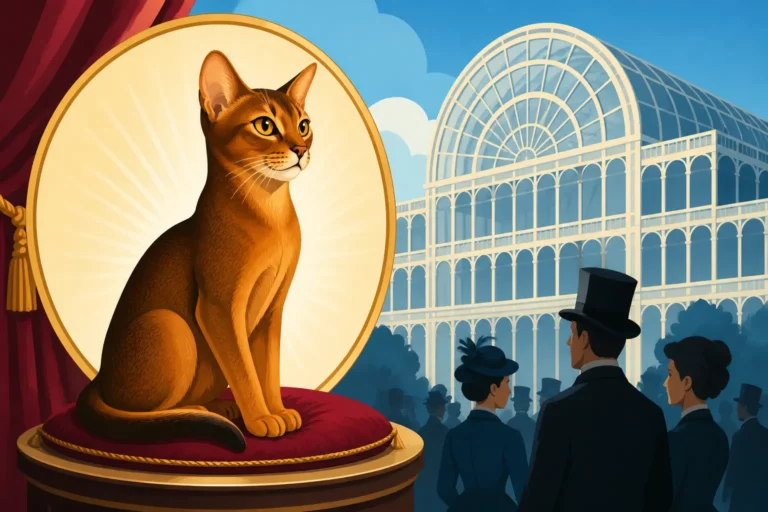
Weir organized the first modern cat show in 1871 at the Crystal Palace in London, an event that truly ignited public interest in distinct cat breeds. Imagine, people bringing their cherished felines, often of unknown heritage, to be judged against others for beauty and conformation! It was quite a spectacle. This show, and others that followed, began to standardize how cats were viewed and categorized. It also created a need for definitions and, eventually, official listings. It wasn't just about showing off; it was about defining, preserving, and improving specific feline traits, many of which we now recognize as characteristic of our favorite breeds. The groundwork for the Abyssinian's official recognition was laid in these bustling, enthusiastic early days of organized cat fancy. You can learn more about this foundational event in What Happened at the 1871 Crystal Palace Show.
The Early "Abyssinian" Cats and the Zula Legend
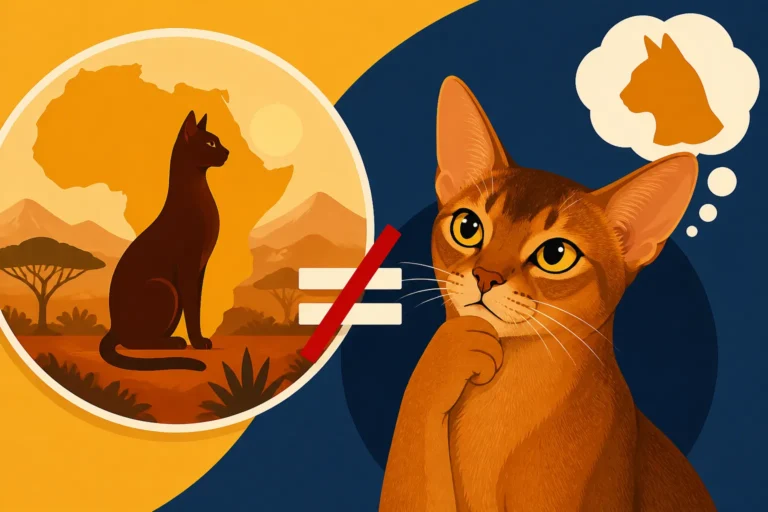
The story that most people remember about the Abyssinian's arrival in Europe involves a cat named Zula, purportedly brought back from Abyssinia (modern-day Ethiopia) by a British officer after the Abyssinian War in 1868. This tale, romantic as it is, has been widely repeated, often serving as the origin story for the entire breed. Zula was even said to have been shown at the 1871 Crystal Palace show. She was described as having a unique ticked coat, much like the wild rabbits of the time, and a sleek, elegant build.
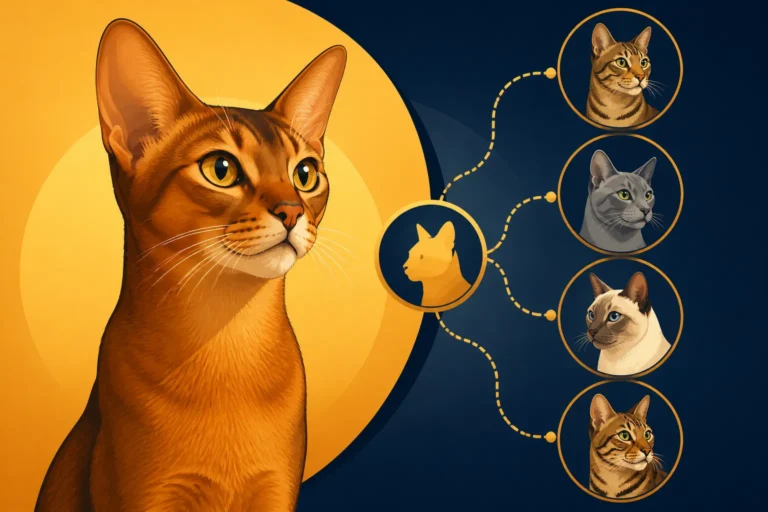
However, the connection between Zula and the modern Abyssinian lines is, unfortunately, quite tenuous. While Zula undoubtedly existed and captured imaginations, there's no clear, documented pedigree linking her directly to the Abyssinians that began to be registered later. Early breeding records were often sparse or lost, and outcrossing to other domestic cats was common to establish numbers and desirable traits. So, while the legend of Zula gave the breed its evocative name and an exotic mystique, the actual genetic foundation of the Abyssinian as we know it likely involved a more complex mix of domestic shorthairs from various regions, possibly with origins along the Indian Ocean coast. For more on this captivating but debated origin story, check out Zula and the 1868 Story Everyone Repeats.
"Fancy": The First Cat Officially Listed as an Abyssinian in 1882
After the excitement of early cat shows, the need for formal record-keeping became apparent. Enthusiasts wanted to track lineages, ensure purity of "type," and solidify what constituted a particular breed. This brings us to 1882 and the pivotal moment for our beloved Abyssinian. The first cat specifically listed as an "Abyssinian" in an official capacity was a female named Fancy.
Fancy was recorded in Volume 1 of the National Cat Club Stud Book, published in 1882. This stud book was essentially the first formal registry for cats, a comprehensive effort to document the emerging breeds and their individual members. Listing Fancy was a monumental step, moving the Abyssinian from a descriptive category ("that bunny-like cat") to a formally recognized entity within the burgeoning world of cat fancy. She wasn't just an Abyssinian; she was the first listed Abyssinian, given a name and a place in history. Her entry served as a baseline, a marker against which future generations of Abyssinians would be measured and documented.
The Significance of Fancy's Listing
Fancy's listing in the National Cat Club Stud Book marked a crucial transition. Before this, "Abyssinian" was a general term used to describe cats with a distinctive ticked coat and slender build, often rumored to have exotic origins. Her official entry provided a tangible starting point for the breed's documented history. It meant that breeders could now point to a recognized lineage, even if it was still quite shallow by modern standards.
This act of listing helped solidify the "Abyssinian" as a distinct breed identity, separate from other shorthaired cats. It provided a common reference point for breeders who were trying to develop and perpetuate the desired characteristics. It also gave the breed a stamp of legitimacy, elevating it within the growing hierarchy of recognized feline types. While the depth of her pedigree might be obscure to us today, her presence in that inaugural stud book was a foundational stone for everything that followed in the Abyssinian breed's development. This initial listing also paved the way for more detailed records, standards, and the eventual robust genetic testing we have for the breed today, as discussed in How the Abyssinian's DNA Panel Is Ordered.
The Meaning of "Listing" in the Victorian Cat Fancy
It’s easy to look back with modern eyes and assume that "listing" a cat in 1882 was the same as registering a fully pedigreed cat today. However, the reality of Victorian cat fancy was far more fluid and less stringent than current practices. When Fancy was listed, it didn't necessarily mean she had a long, documented family tree full of other Abyssinians. In many cases, it simply meant that she looked like an Abyssinian and was presented as such by her owner, often based on common understanding of the "type."
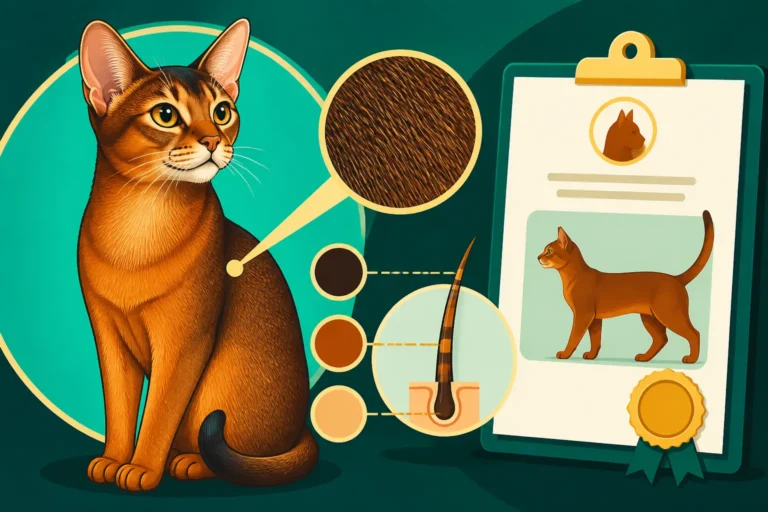
The early stud books were as much about recording exemplary individuals of a perceived breed as they were about tracing intricate genealogies. If a cat exhibited the desired traits – the distinctive ticking, the lean body, the large ears, the expressive eyes – it could be "listed" as belonging to that emerging breed. The process was often more phenotypic (based on appearance) than genotypic (based on genetic heritage). This is why many early "Abyssinians" likely had domestic shorthair ancestry that might not be visible in their outward appearance but contributed to their genetic makeup.
Harrison Weir and the Early Breed Standards
Harrison Weir, the central figure in the early cat fancy, was instrumental in developing these initial standards. He famously penned descriptions of what an ideal cat of each recognized breed should look like. For the Abyssinian, these early descriptions focused heavily on its unique ticked coat, which earned them the affectionate nickname of "Bunny Cats" due to their resemblance to wild rabbits. What Harrison Weir Wrote About the Abyssinian provides a fascinating insight into these foundational writings.
These early standards, while rudimentary compared to today's detailed guidelines, served a crucial purpose. They gave breeders a target, a blueprint for what they should strive for in their breeding programs. They encouraged selective breeding to enhance and stabilize these desirable traits. Without these initial efforts to define and list, the Abyssinian might never have developed into the distinct and recognized breed we cherish. The informal nature of these early listings slowly evolved into the rigorous pedigree systems and DNA testing that define modern purebred cat breeding.
The Lasting Legacy of Early Abyssinian Registrations
The listing of Fancy in 1882 was more than just a historical footnote; it was a critical moment that set the Abyssinian on its path to becoming one of the most beloved and recognizable purebred cats in the world. This initial step towards formal recognition laid the foundation for structured breeding programs, the establishment of comprehensive breed standards, and the eventual proliferation of the breed globally.
These early registrations, however imperfect, provided the initial genetic pool from which modern Abyssinians descend. Breeders in subsequent decades diligently worked to refine the breed, selecting for the most desirable traits and slowly building up the robust pedigrees we see today. It was a painstaking process, often fraught with challenges, including the near extinction of the breed in Britain due to World Wars and feline diseases. The Abyssinian Nearly Disappeared From Britain Twice highlights these struggles.
From Early Listings to Modern Recognition
Today, when you acquire an Abyssinian kitten, it comes with a detailed pedigree, often going back many generations, and its parents will have undergone specific health tests for conditions like Pyruvate Kinase Deficiency and progressive retinal atrophy. This level of detail and care stems directly from those early efforts to classify and record cats like Fancy. The desire to preserve specific traits and ensure the health of the breed has only grown stronger over time.
While the "Abyssinian" of 1882 might look slightly different from the sleek, athletic Abyssinian we know today, the spirit of that initial recognition remains. It underscores the continuous dedication of breeders and enthusiasts to a cat that embodies grace, intelligence, and an unparalleled zest for life. The history of the Abyssinian is a testament to how far dedicated individuals can take a beloved animal, transforming it from a "type" into a globally cherished purebred. When considering an Abyssinian, understanding this rich history helps appreciate the effort that goes into a well-bred cat, whose lineage is now carefully guarded and documented, often starting their lives in a home where they are given the best start, from quality food to enriching toys, readily available from retailers such as Chewy.
The Evolution of the Abyssinian Standard
The very first "Abyssinian" listings and descriptions formed the blueprint for what the breed should be. Over time, these standards became more precise, defining everything from the ideal head shape and ear set to the exact distribution of ticking on the coat. Breeders around the world, in organizations like the Cat Fanciers' Association (CFA), continue to adhere to and refine these standards.
This evolution from rudimentary "listings" to detailed "standards" is a hallmark of responsible breeding. It ensures consistency within the breed while allowing for careful adaptation and improvement, always with the health and welfare of the cats at the forefront. Without the bold step taken in 1882 to officially list cats like Fancy, this journey would never have begun. The long-term health and vibrance of the breed also depends on ongoing care, including appropriate nutrition and regular veterinary check-ups, which are important aspects of owning any purebred cat, just as much as understanding its historical origins. You can discover more about what makes them unique in What an Abyssinian Looks Like Against the Show Standard.
| Year | Event | Significance for Abyssinian |
|---|---|---|
| 1868 | End of Abyssinian War | Zula legend places origin of breed's name and mythical arrival in UK. |
| 1871 | First Crystal Palace Cat Show | Catalyst for organized cat fancy; Abyssinian "type" likely present. |
| 1882 | National Cat Club Stud Book Vol. 1 published | "Fancy" listed as the first official Abyssinian, marking formal recognition. |
| Late 19th Century | Harrison Weir's writings & early standards | Defined desired traits, guiding early breeders to solidify the Abyssinian "look". |
| Early 20th Century | World Wars & Feline Diseases | Nearly wiped out British Abyssinian lines, highlighting fragility of early breeds. |
| Mid 20th Century | American breeders rebuild lines | Ensured survival and global spread of the breed. |
| Present Day | Modern DNA testing & detailed pedigrees | Reflects rigorous standards, health screening, and documented ancestry stemming from early listings. |
Disclaimer
This article is for general informational purposes only and does not constitute professional advice. Laws, prices and regulations vary by location and change over time. Consult a qualified professional for guidance on your specific situation.