Why No Pedigree Connects Zula to Later Abyssinians
It's a story that has been whispered among Abyssinian enthusiasts for generations, a romantic origin tale tied to ancient lands and military campaigns. We've all heard about Zula, the Abyssinian cat supposedly brought to England from Abyssinia (modern-day Ethiopia) in 1868. While it's a wonderfully evocative narrative, the truth is a little more complex, and crucially, Zula doesn't appear in the official pedigrees of today's Abyssinians. This guide will delve into why this popular story, charming as it is, doesn't quite connect to the documented ancestry of our beloved breed.
The Legend of Zula and Her Initial Appearance
For many years, the origin story of the Abyssinian cat began with Zula. The tale usually goes something like this: she was one of the cats "captured" during the British expedition to Abyssinia in 1868. Specifically, she was said to have been brought back by Captain Barrett-Lennard, accompanying Lieutenant General Robert Napier's forces. This narrative paints a vivid picture of a wild, exotic cat from a faraway land arriving on English shores, sparking the fascination that led to the breed we know today. It's compelling, isn't it? Who wouldn't want their cat to have such a dramatic and adventurous origin?
Zula even made an appearance at one of the earliest cat shows in England. In 1871, she was reportedly exhibited at the famous Crystal Palace cat show. Imagine the scene: a bustling hall filled with curious spectators, and there, among various other felines, was this strikingly beautiful cat with a unique ticked coat, captivating the judges and the public alike. She certainly left an impression, contributing to the mystique surrounding what was then an emerging breed type. What Happened at the 1871 Crystal Palace Show gives a little more insight into that historical event.
This appearance helped solidify the idea that she was the progenitor, the mother cat from whom all Abyssinians descended. The story was repeated, written about, and passed down, becoming an integral part of the breed's identity. It gave the Abyssinian a sense of ancient lineage and a connection to a specific, historical event, making it feel less like a product of careful breeding and more like a gift from a distant, exotic past. It’s no wonder this particular origin myth has persisted for so long; it makes for a fantastic story.
The Elusive Pedigree: Why the Link is Broken
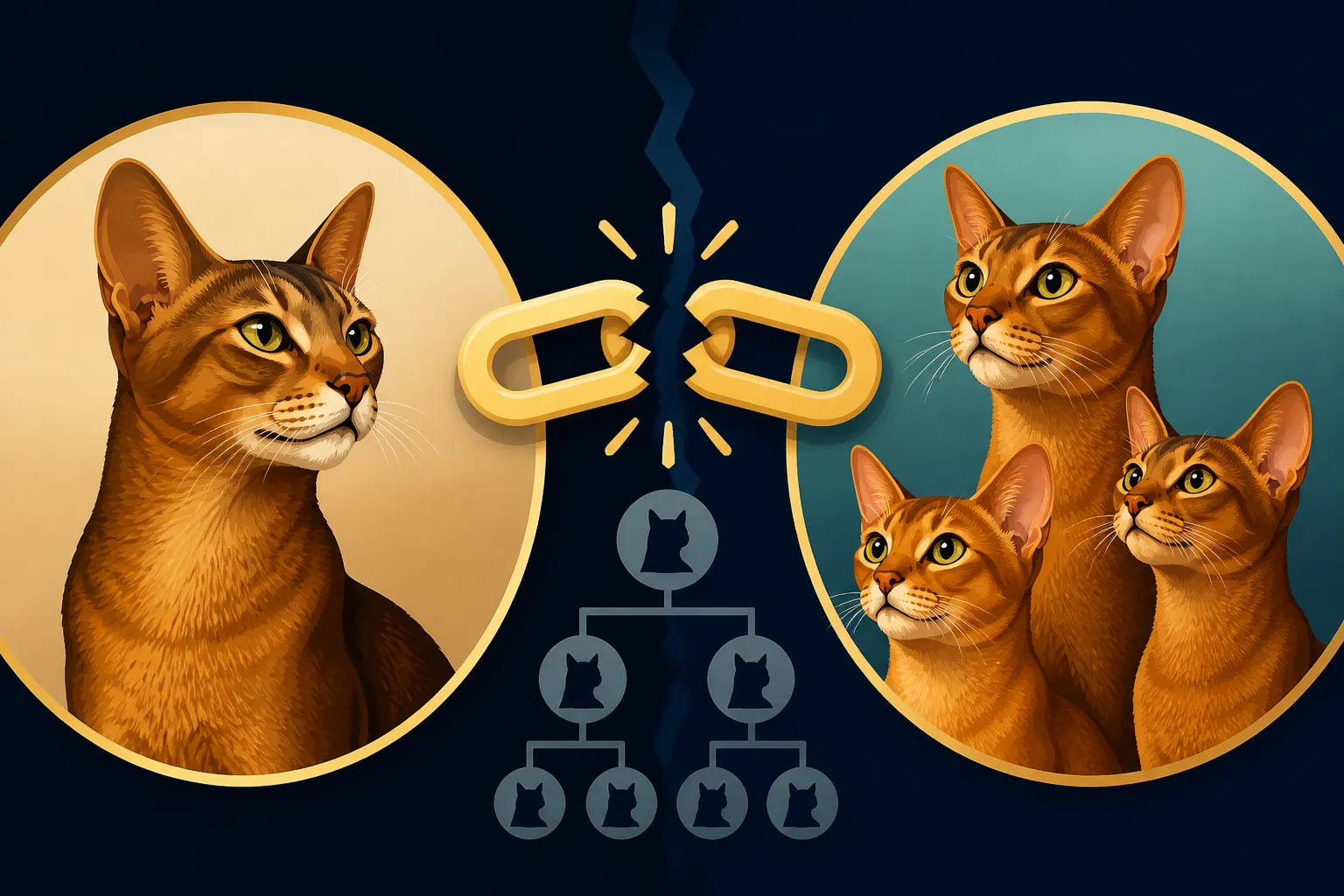
Despite the compelling nature of Zula's story, a deep dive into early cat pedigrees reveals a significant gap. The simple truth is, there's no documented, traceable line from Zula to the Abyssinians we register today. The early days of cat fancy were a far cry from the meticulous record-keeping we expect from reputable breeders now. Pedigrees were often informal, sometimes relying on memory or sparse handwritten notes rather than formal, multi-generational records.
When the cat fancy was truly beginning to take shape in the late 19th and early 20th centuries, the concept of a "breed" was still somewhat fluid. Cats were often grouped by appearance, and foundational stock might simply be domestic shorthairs that happened to exhibit the desired traits, like the Abyssinian's ticked coat. There wasn't a strict requirement for a long, verified lineage stretching back to a specific individual. Therefore, while Zula certainly existed and was noted, her individual breeding records and offspring weren't diligently tracked in a way that would allow us to connect her directly to subsequent generations. When the First Abyssinian Was Registered offers context on the initial attempts at formalizing the breed.
Furthermore, the early Abyssinian population faced several devastating setbacks. Both World Wars decimated breeding programs in Britain, leading to a severe shortage of cats. These events caused what's known as "bottlenecks" in the gene pool, forcing breeders to rely on very few remaining individuals or even crossbreed with other shorthair cats to keep the breed from disappearing entirely. Any tenuous lines that might have existed from a cat like Zula were likely lost during these periods, replaced by new foundation stock whose origins were less exotic but more reliably documented. If you were searching for supplies for your current Abyssinian, you might visit a site like Chewy, but looking for historical pedigrees from the 1800s requires a very different kind of archival research.
Rebuilding the Abyssinian: The True Foundation of the Breed
The reality is that the modern Abyssinian breed, as we know it, largely traces its lineage to later foundation stock, primarily from cats in Britain that exhibited the ticked pattern. These cats were likely selected from the general domestic shorthair population for their distinctive coats and physical characteristics that aligned with the emerging breed standard. Breeders then worked diligently to refine these traits, selectively breeding cats to enhance the ticking, build the lithe body, and establish the breed's energetic temperament. This process of selection and careful breeding is the true bedrock of the Abyssinian's documented history.
The breed faced near extinction not just once, but twice, during the World Wars. The Abyssinian Nearly Disappeared From Britain Twice describes these harrowing times. British catteries were devastated, and breeders had to painstakingly rebuild the population. This involved bringing in new blood, often from other shorthair breeds that carried some similar traits, to ensure genetic diversity and the survival of the breed. This constant need to infuse new genetics meant that any singular, ancient lineage would have been diluted or completely replaced. How British Abyssinians Nearly Died Out and What Feline Leukemia Did to British Abyssinian Lines further explain the challenges faced by the breed.
American breeders played a crucial role in the survival and resurgence of the Abyssinian. After the breed suffered heavily in Europe, American lines, which had begun to establish themselves, became vital. Many modern Abyssinians around the world can trace at least some of their ancestry back to these resilient American breeding programs. This re-establishment meant a fresh start for much of the breed's genetic base, with new, more rigorous record-keeping practices becoming standard. The focus shifted from romantic origin myths to verifiable pedigrees, crucial for responsible breeding. How American Breeders Rebuilt the Abyssinian details this pivotal role, and When the First Abyssinians Reached the United States sets the stage for their contribution.
Modern Science vs. Ancient Lore: Genetic Insights into Abyssinian Origins
While the Zula narrative is charming, modern genetic studies offer a more scientific perspective on the Abyssinian's origins, further confirming the lack of a direct link to a single, ancient cat from Ethiopia. DNA analysis suggests that the Abyssinian breed actually originated much closer to Southeast Asia and the Indian Ocean coast, rather than the horn of Africa. This evidence points to a more complex journey for the genetic traits that define the Abyssinian. What Genetic Studies Say About the Abyssinian's Origin elaborates on these findings.
These studies analyze genetic markers and compare them across various cat breeds and wild cat populations. The results consistently show that the Abyssinian's closest genetic relatives are found in a geographic region far removed from Abyssinia. This doesn't diminish the breed's beauty or unique characteristics, but it does reframe its history, moving it away from a singular, dramatic discovery to a more gradual evolution through human selection and migration patterns. For cat owners looking for reliable information on their furry companions, sites like Chewy often host articles and resources that combine breed history with modern care advice, reflecting this blend of historical interest and current scientific understanding.
The ticked coat, which is the hallmark of the Abyssinian, likely arose through natural mutation and was then selectively bred and enhanced by early cat fanciers. It wasn't necessarily a trait imported wholesale with one cat from a specific country, but rather something that developed and was cultivated. This shift in understanding from anecdotal history to genetic evidence is a common theme in the study of many domestic animal breeds, providing a clearer, albeit less romantic, picture of their true ancestry. What Modern DNA Studies Found About Abyssinian Ancestry provides additional detail on this fascinating area of research.
Here's a comparison of the Zula legend versus the documented history of the Abyssinian breed:
| Feature | The Zula Legend | Documented History |
|---|---|---|
| Origin Point | Abyssinia (Ethiopia) | Likely Southeast Asia/Indian Ocean Coast (genetic evidence) |
| Founding Cat | Zula, brought to England in 1868 | Multiple domestic shorthairs with ticked coats |
| Pedigree Link | Direct lineage to modern Abyssinians implied | No traceable pedigree from Zula to modern Abyssinians |
| Early Records | Anecdotal accounts, some exhibition records | Sparse, informal records; many lost to history |
| Breed Survival | Presumed continuous line from Zula | Multiple near-extinction events, breed rebuilt from diverse stock |
| Evidence Basis | Historical anecdotes, early publications | Formal pedigrees, scientific genetic studies |
The Zula story remains a charming part of Abyssinian lore, a testament to the enduring appeal of a romantic origin. However, for those seeking to understand the true history of the breed, it's important to recognize that while Zula was a real cat exhibited in the early days of the cat fancy, her direct lineage to our modern Abyssinians simply isn't there in the documented pedigrees. The breed's resilience and enduring beauty come from the dedicated work of countless breeders over many generations, who, through careful selection and thoughtful breeding, gave us the vibrant and intelligent cats we cherish today. When you're looking for high-quality food or even a new cat tree for your energetic Abyssinian, you might browse Chewy, but when you're looking for deep historical lineage, you need to turn to the careful work of cat registries and geneticists.
Disclaimer
This article is for general informational purposes only and does not constitute professional advice. Laws, prices and regulations vary by location and change over time. Consult a qualified professional for guidance on your specific situation.