How British Abyssinians Nearly Died Out
Imagine pouring your heart into a beloved pedigree cat breed, only to watch it teeter on the brink of extinction, not once, but twice, across just a few decades. This isn't just a historical footnote; it's a stark reminder of how fragile even the most cherished breeds can be. This guide will delve into the harrowing periods when the beautiful British Abyssinian population faced near obliteration, exploring the catastrophic events that led to these dramatic declines and the incredible efforts made to bring them back from the edge.
The Abyssinian's Early Footing in Britain
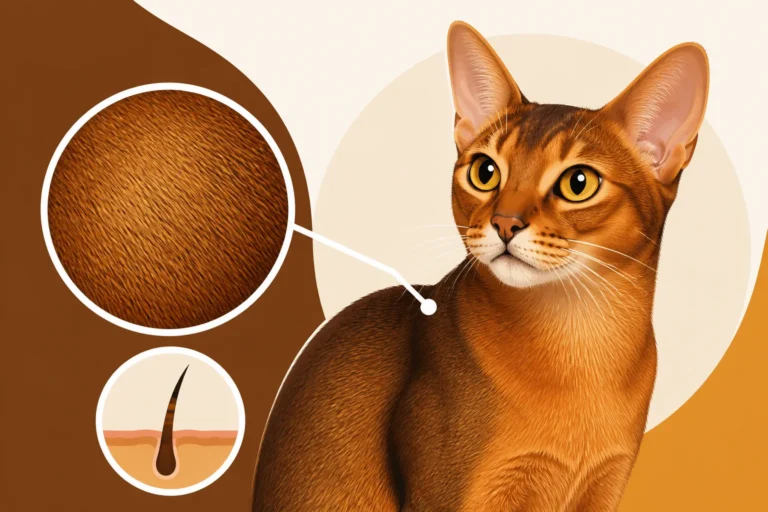
The Abyssinian cat charmed its way into British hearts in the late 19th century, captivating enthusiasts with its striking ticked coat, lithe build, and intelligent, active nature. These early Abyssinians were distinct, often described with a wild, almost regal appearance that set them apart from the more common domestic shorthairs of the era. They quickly gained a dedicated following among a nascent group of cat fanciers who saw immense potential in formalizing the breed.
First Appearances and Growing Popularity
The breed's presence in Britain is often traced back to stories of military campaigns, though modern genetic studies paint a slightly different picture about its ultimate origins, suggesting a more complex tapestry of Asian and coastal influences. However, the prevailing narrative that captivated the public was one of exotic imports. Early records, like those from the Crystal Palace cat show in 1871, mention a cat described as "Abyssinian," sparking curiosity and an immediate desire among fanciers to cultivate these unique felines. Their distinctive agouti ticking, which gives the impression of shimmering movement through their coat, was a novelty. Breeders worked diligently to establish consistent type and temperamental traits, carefully selecting foundation stock. Within a few decades, the Abyssinian had cemented its place in British cat fancy, celebrated for its unique beauty and engaging personality. People were fascinated by the tales of its origins, even if the truth about The Abyssinian Is Probably Not From Abyssinia was more complex than the popular narrative of Zula.
The Fragility of Early Breeding Programs
Despite their growing popularity, the number of Abyssinians in Britain remained relatively small. Pedigree breeding, in its infancy, often relied on limited numbers of imported cats and selective breeding within small gene pools. This made the entire population inherently vulnerable. Unlike today, where a wealth of information and genetic testing allows breeders to make informed decisions about pairings, early breeders operated with far less scientific understanding. They were driven by passion and aesthetic ideals, but without a deep grasp of genetics, they unwittingly set the stage for potential bottlenecks. Each individual cat carried a significant portion of the breed's future, and the loss of even a few key breeding animals could have devastating consequences. The breed's status was a delicate balance, reliant on continued careful management and a stable environment, neither of which would last. Many early lines were not robust, and the very foundation of the breed was narrower than what would be considered healthy today.
The Shadow of War: Twice on the Brink
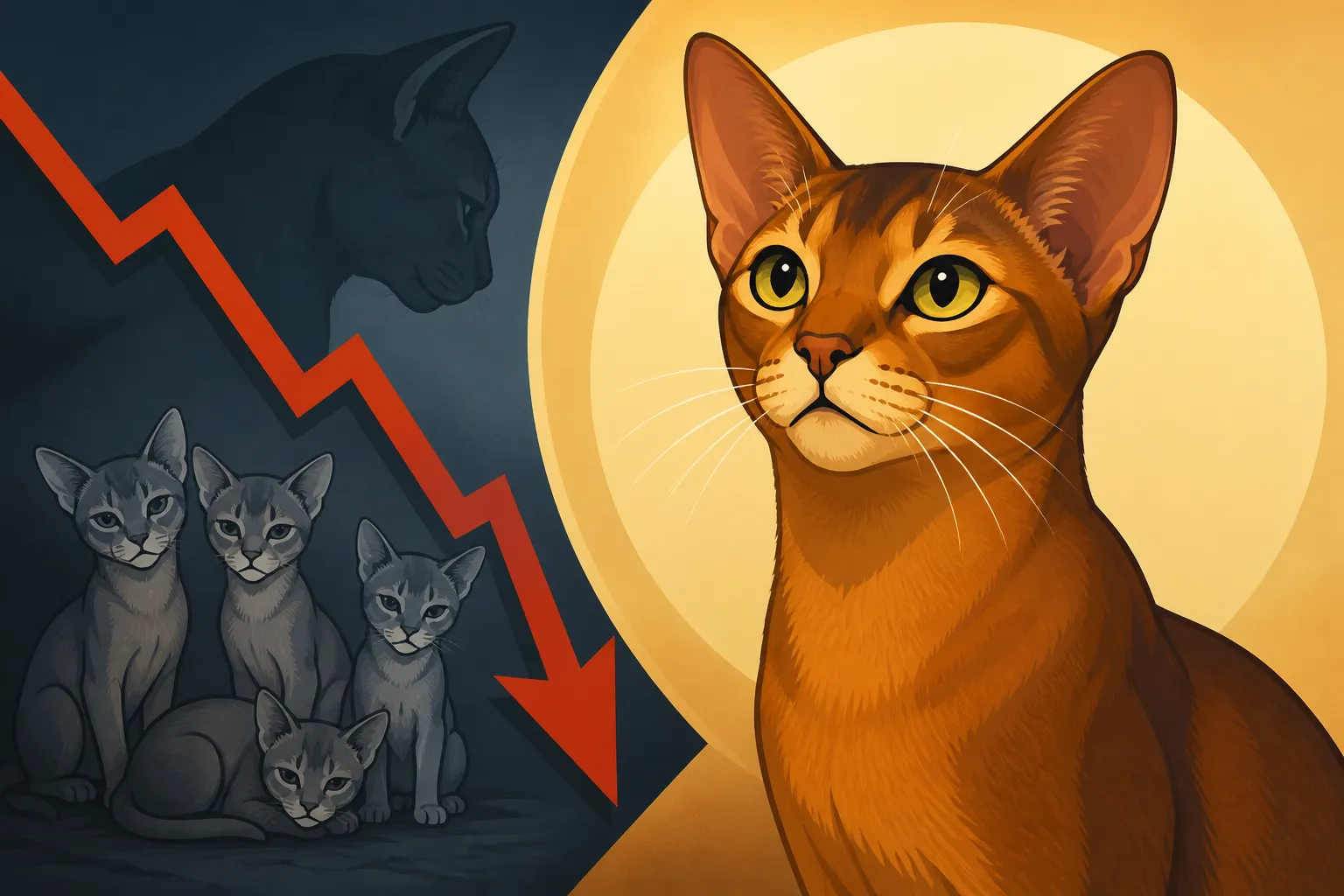
The 20th century brought not only social upheaval but also catastrophic events that directly threatened the existence of many pedigree animal breeds, including the Abyssinian. The two World Wars, in particular, proved to be brutal bottlenecks that dramatically reduced the breed's numbers in Britain.
World War I's Devastation
When World War I erupted in 1914, Britain’s focus shifted entirely to the war effort. Resources, attention, and manpower were diverted away from leisure activities like cat breeding. Food rationing became severe, and keeping a "non-essential" animal, especially one requiring a specific diet or specialized care, became an immense luxury that few could afford. Many breeders were called to service, their catteries dispersed or simply unable to continue. Pets were often put down or left to fend for themselves as families struggled to feed themselves. Travel became dangerous and restricted, making it impossible to import new breeding stock or move existing cats to safety. The systematic destruction of infrastructure and the pervasive atmosphere of scarcity meant that even if a breeder wished to continue, the practicalities were nearly insurmountable. The Abyssinian population, already small, dwindled dramatically during these years. The war wiped out many established lines, creating a significant genetic loss that would take generations to recover from.
World War II: A Double Blow
Barely had the breed begun to recuperate from the first global conflict when World War II descended upon Europe. This second war was even more devastating for British cat breeds. Bombing raids destroyed homes and catteries, killing cats and people alike. Food shortages were even more acute than during WWI, making it nearly impossible to maintain larger breeding programs. Many owners, facing evacuation or desperate circumstances, once again had to make the heart-wrenching decision to part with their beloved pets. The disruption of communication and transport channels isolated surviving breeders, preventing them from exchanging cats or coordinating efforts to preserve the gene pool. Why the Two World Wars Nearly Ended the Abyssinian is a story of sheer survival against overwhelming odds. The Abyssinian, like many other pedigree breeds, found itself in an incredibly precarious position, with numbers falling to critically low levels. It was a harrowing time, where the very concept of a "fancy breed" seemed trivial amidst the fight for national survival.
Feline Health Crises and Genetic Vulnerability
Beyond the ravages of war, the Abyssinian breed, like many others, also faced significant challenges from infectious diseases and the inherent risks of a limited gene pool. These factors compounded the problems caused by global conflicts, pushing the breed even closer to the brink.
The Silent Killer: Feline Leukemia
In the post-war era, as breeders attempted to rebuild their lines, a new, insidious threat emerged: Feline Leukemia Virus (FeLV). Before the development of effective vaccines and widespread testing, FeLV was a devastating illness that could sweep through a cattery, decimating entire populations. The virus is highly contagious and often fatal, especially in close-quarter breeding environments. What Feline Leukemia Did to British Abyssinian Lines was nothing short of catastrophic. Many British Abyssinian breeders, unaware of the lurking danger or how to prevent its spread, suffered immense losses. The virus targeted the very animals crucial for recovery, often wiping out entire generations of breeding stock. This was particularly damaging because the post-war gene pool was already so diminished; every lost cat represented an irreplaceable genetic contribution. The silent spread of FeLV became a significant hurdle to re-establishing stable and healthy Abyssinian lines.
Genetic Bottlenecks and Disease Susceptibility
The cumulative effect of two World Wars and devastating disease outbreaks led to severe genetic bottlenecks. This means that the surviving population had a very limited genetic diversity, making them highly susceptible to inherited health conditions. When a breed's gene pool shrinks too much, harmful recessive genes, which might otherwise remain rare, become more prevalent. This can lead to an increase in specific genetic diseases within the breed. For the Abyssinian, this period highlighted the critical importance of careful breeding practices and the need to broaden the gene pool whenever possible. It underscored why modern breeders now place such a high emphasis on DNA testing for known conditions like Pyruvate Kinase Deficiency (PKD) and Progressive Retinal Atrophy (PRA-rdAc), ensuring a healthier future for the breed. If an Abyssinian's background is unclear, responsible owners would today even ensure Why a Rescue Abyssinian Should Still Be PK Tested, a far cry from the knowledge available in those earlier, perilous times.
The American Lifeline: Rebuilding the Breed
With the British Abyssinian population so critically endangered, it fell to breeders in other parts of the world, particularly the United States, to step in and save the breed from vanishing entirely.
American Breeders to the Rescue
While the British Abyssinian population struggled, the breed had also gained a foothold in North America. American breeders, largely unaffected by the direct impact of the World Wars on their catteries, maintained a healthier and more numerous stock. When the dire situation in Britain became apparent, these American enthusiasts recognized the urgent need for intervention. They began exporting healthy, well-bred Abyssinians back to Britain. This wasn't just a simple transaction; it was a concerted effort by dedicated individuals and breed clubs to ensure the survival of the Abyssinian. How American Breeders Rebuilt the Abyssinian is a testament to international cooperation and a shared love for the breed. These imported cats brought much-needed genetic diversity, helping to re-establish breeding lines and infuse new vitality into the struggling British population. Without this lifeline from across the Atlantic, it's highly probable that the British Abyssinian, as it exists today, might never have recovered.
Rebuilding the Gene Pool
The task of rebuilding the British Abyssinian gene pool was arduous. It required careful selection of breeding pairs, meticulous record-keeping, and a long-term vision. Breeders had to navigate the challenge of introducing new blood while maintaining the characteristic Abyssinian type. They also faced the ongoing threat of latent genetic conditions and the need to breed for vigor and health. The focus shifted from mere numbers to ensuring a healthy, sustainable future for the breed. This period saw the strengthening of breed clubs and the establishment of more rigorous standards for health and breeding. The lesson learned was clear: genetic diversity is paramount for the long-term health and survival of any pedigree animal. Today, reputable breeders go to great lengths to provide potential owners with extensive documentation and health guarantees, even letting you know What an Abyssinian Breeder Should Have Tested Before You Buy. This commitment to transparency and health is a direct result of the hard lessons learned during these lean times.
Lessons Learned and Future Preservation
The near-extinction events served as powerful, albeit painful, lessons for the global Abyssinian community. These experiences fundamentally reshaped breeding practices and instilled a deep commitment to preserving the breed's health and genetic diversity.
Learning from the Past
The periods of near loss instilled a profound appreciation for the Abyssinian's resilience and the importance of proactive conservation efforts. Breeders realized that relying on a small, isolated population was a recipe for disaster. This led to a greater emphasis on international collaboration, the careful tracking of pedigrees, and a move towards more open stud books when necessary to prevent excessive inbreeding. The advent of scientific advancements, particularly in veterinary medicine and genetics, provided new tools for breed preservation. Understanding dominant and recessive traits, identifying genetic markers for diseases like PRA-rdAc, and developing vaccines for illnesses such as FeLV transformed the landscape of responsible breeding. The Abyssinian community, both in Britain and worldwide, became acutely aware that continuous vigilance and scientific engagement were crucial for the breed's long-term survival.
Preserving the Abyssinian Legacy
Today, the Abyssinian stands as a testament to the dedication of countless breeders and fanciers who refused to let this magnificent cat vanish. Efforts continue to maintain a broad and healthy gene pool. Organizations like the Cat Fanciers' Association (CFA) and international breed councils play a vital role in setting ethical breeding standards, registering pedigrees, and promoting genetic testing. Modern Abyssinian owners also play their part by providing excellent care, including high-quality nutrition and engaging enrichment, which can be easily sourced from accessible retailers like Chewy. They understand the importance of routine veterinary check-ups, ensuring their active felines are kept healthy. The Twelve to Fifteen Years an Abyssinian Usually Gets is a goal supported by these modern practices, a testament to how far the breed has come. The focus isn't just on quantity, but on quality of life and ensuring that the Abyssinian thrives as a vibrant, healthy, and beloved companion for generations to come.
Ongoing Vigilance and Research
While the immediate threat of extinction has receded, the work of preservation is never truly over. Breeders continue to track health trends, share information, and participate in ongoing research to identify and mitigate potential new health concerns. The history of the Abyssinian in Britain serves as a powerful reminder that all pedigree breeds, no matter how popular, require continuous, thoughtful stewardship. It reinforces the idea that an active, diverse, and well-managed breeding program is the best defense against unforeseen challenges, whether they be wars, epidemics, or emerging genetic issues. The story of the British Abyssinian's brush with oblivion underscores that the welfare of our feline companions is a shared responsibility, stretching from the individual pet owner to the global breed community.
Here’s a look at how key historical events impacted the British Abyssinian population:
| Event | Impact on Abyssinian Population | Recovery Efforts | Current Status (Post-Recovery) |
|---|---|---|---|
| Early 20th Century | Small, limited gene pool | Enthusiastic, but unscientific, breeding | Vulnerable |
| World War I (1914-1918) | Severe decline due to rationing & displacement | Slow, fragmented local efforts | Critically low numbers, genetic bottleneck |
| World War II (1939-1945) | Near obliteration due to bombing & scarcity | American imports, dedicated British breeders | Rebuilding, but still fragile |
| FeLV Epidemic (Post-WWII) | Significant losses, especially in catteries | Development of vaccines, testing, better hygiene | Managed with testing & vaccination |
| Modern Era | Stable, but ongoing focus on health/diversity | Genetic testing, international collaboration, responsible breeding | Healthy, active, but vigilance continues |
Disclaimer
This article is for general informational purposes only and does not constitute professional advice. Laws, prices and regulations vary by location and change over time. Consult a qualified professional for guidance on your specific situation.