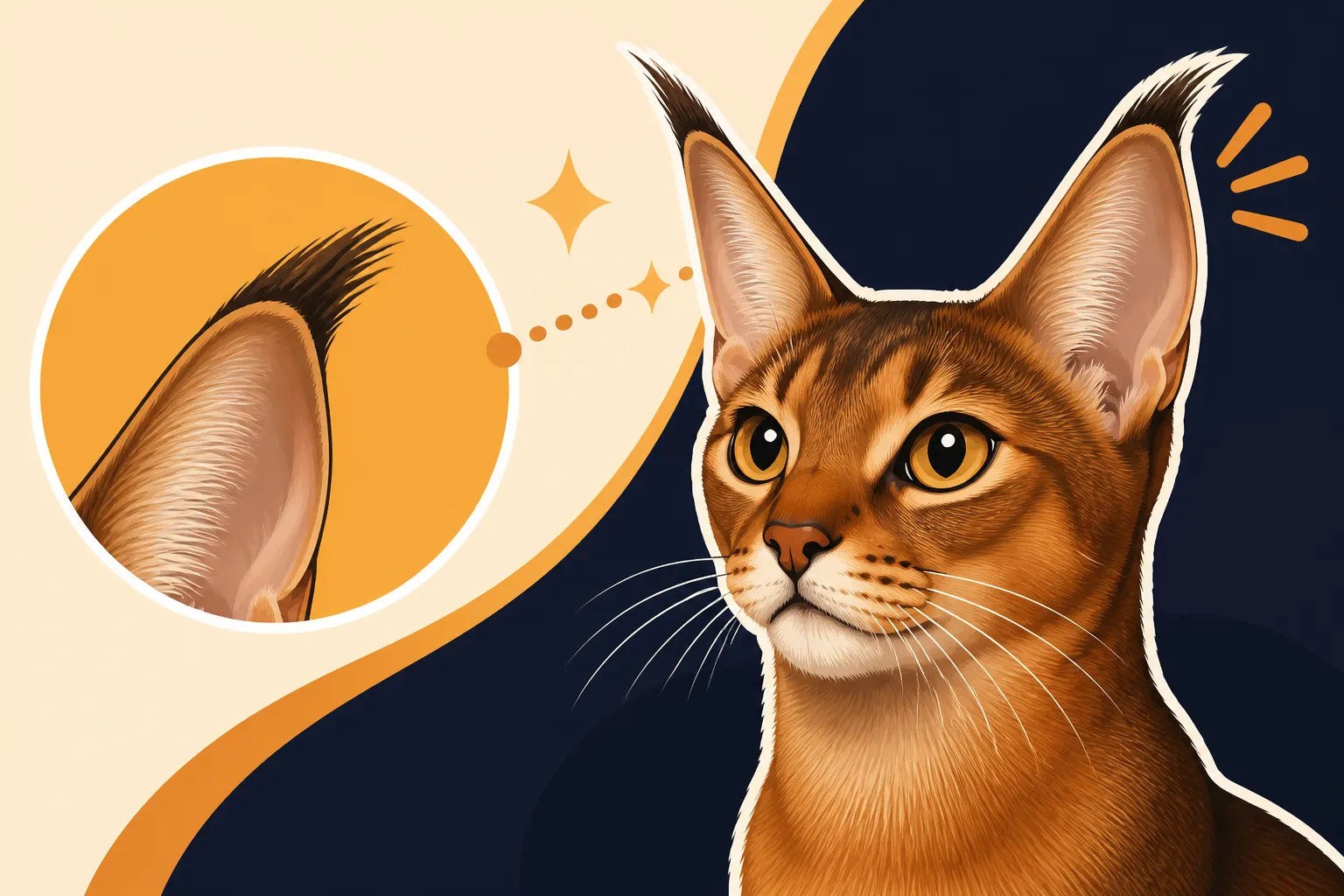
What Ear Tufts Add to an Abyssinian
An Abyssinian’s ear tufts can make the breed look especially alert and a little wild, but they are a small coat detail—not a sign that the cat has special hearing or needs elaborate grooming. If you are wondering whether tufts are part of the breed standard, how much they matter, or whether you should trim them, this guide explains what to look for and how to care for your cat’s ears safely.
What ear tufts look like on an Abyssinian
Tufts at the tips are a subtle feature
Ear tufts are the small hairs that grow near the tips of an Abyssinian’s ears. On some cats, they are easy to spot; on others, they are so fine or short that you may only notice them in a bright light or when the cat turns its head. Their appearance can vary from one Abyssinian to another, even within the same litter.
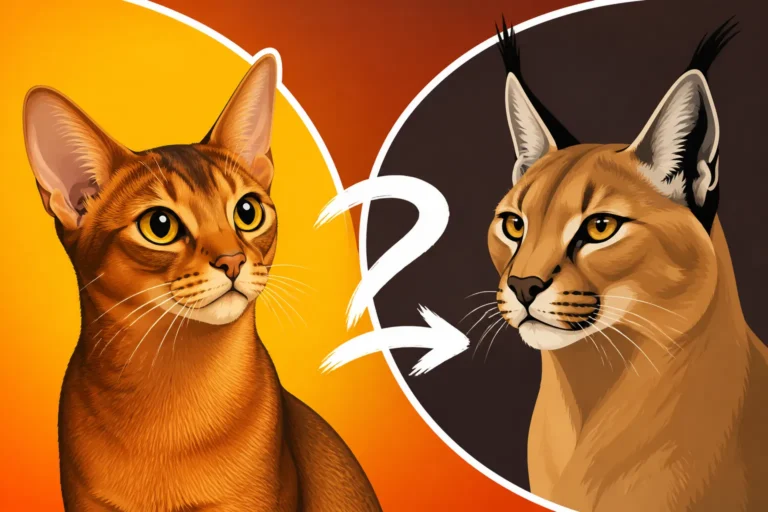
These hairs are not the same as the longer, more dramatic tufts often associated with lynx-like cats. An Abyssinian’s ears may look pointed and expressive, but the tufts usually add a slight finishing touch rather than forming prominent “ear brushes.” If you are comparing your cat with breed photos, remember that lighting, camera angle, age, and coat color can all make the tips look more or less noticeable.
Tufts also should not be confused with the finer hair inside the ear. That hair, often called ear furnishings, grows within the outer ear and is a separate feature. A cat can have visible tip tufts, ear furnishings, both, or neither in a particularly obvious form.
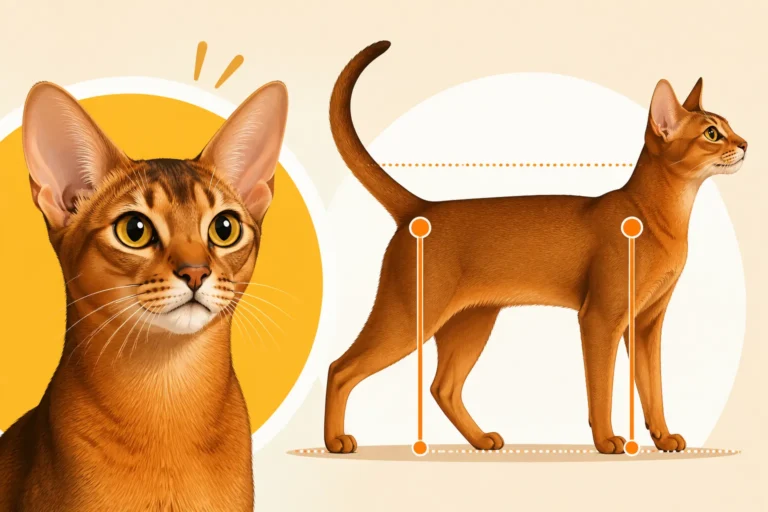
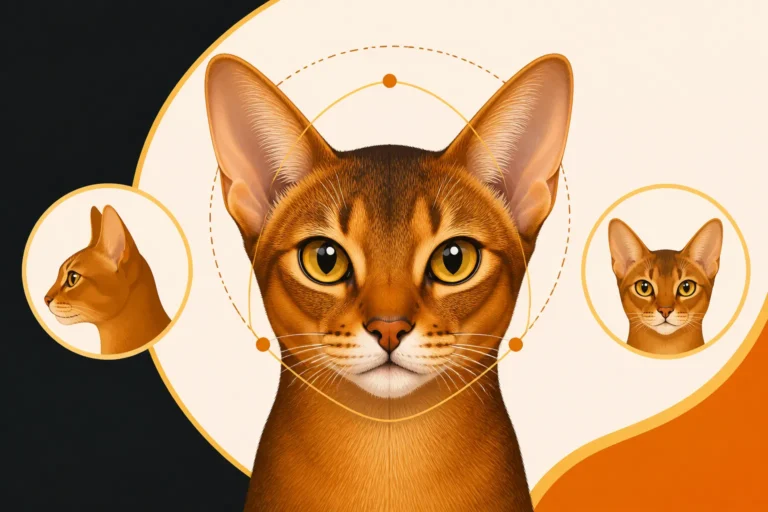
The ears are only one part of the Abyssinian’s overall outline. Their wide-set, alert look often draws the eye first, while the head shape and facial expression help complete the impression. For a broader look at the breed’s proportions, see What an Abyssinian Looks Like Against the Show Standard and Why an Abyssinian's Ears Are Set So Wide.
How tufts relate to the breed’s appearance
Abyssinians are known for a graceful, athletic shape and an alert expression. Their ears tend to be large in proportion to the head, broad at the base, and set to create an attentive look. Small tufts can emphasize that outline, giving the ear tips a slightly softer or more untamed edge without changing the cat’s basic shape.
The effect is easier to see when an Abyssinian is looking toward a sound or watching something from a high perch. The ears turn, the head tilts, and the fine hairs at the tips may catch the light. That visual detail can make a cat look especially focused, even though the tufts themselves do not explain the cat’s hearing ability.
Breed descriptions and show preferences can differ between registries, and judges assess the whole cat rather than awarding importance to one tiny feature in isolation. A tufted ear does not make an Abyssinian “more purebred,” nor does a lack of obvious tufts automatically make the cat a poor example of the breed. To understand how ears fit into the overall head, compare them with What an Abyssinian's Ideal Head Shape Is.
| Feature | Where it grows | What it looks like | What to do |
|---|---|---|---|
| Ear-tip tufts | Near the outer tips of the ears | A few fine hairs extending from the edge | Leave them natural |
| Ear furnishings | Inside the outer ear | Fine hair within the ear bowl | Do not pluck or cut |
| Ordinary coat hair | Around the ear and head | Short hair blending into the coat | Brush gently as needed |
What ear tufts do and do not do
They add to the look, not a special hearing advantage
It is tempting to assume that ear-tip hairs must help a cat hear, especially when they give the ears a wild or lynx-like appearance. But there is no reason to treat visible tufts as a special hearing aid. A cat’s ability to notice and locate sound is not determined by whether you can see hairs at the ear tips.
Abyssinians are naturally observant. They may swivel their ears toward a cabinet opening, a bird outside, or the faint rustle of a toy in another room. Those quick reactions can make their ears seem almost like little radar dishes, but that behavior comes from the cat’s attention and hearing, not from the tufts.
The tufts are best understood as a modest appearance detail. They can make the ear silhouette look a touch more textured, especially when the cat’s coat is sleek and close-lying. The breed’s ticked coat contributes far more to its distinctive overall appearance; see What an Abyssinian's Coat Should Feel Like in the Ring for more about that coat.
Tufts do not make an Abyssinian part wild cat
The pointed ears and fine tufts can give an Abyssinian a striking, almost wild look. That impression is part of the breed’s appeal, but appearance alone does not mean a domestic Abyssinian has recent wild ancestry. Domestic cats can share visual features—such as upright ears, athletic bodies, or finely patterned coats—without being wild hybrids.
Abyssinians are sometimes mistaken for small wild cats because of their warm coat, alert posture, and long, lean lines. The ear tufts can add to that first impression, but they are not proof of a special genetic connection. If that resemblance has made you curious, Why an Abyssinian Is Mistaken for a Wild Cat explores the look in more detail.
Tufts also do not tell you anything reliable about temperament. A cat with noticeable tufts is not necessarily more energetic, independent, or “wild” than one with smooth ear tips. Personality is better understood through the individual cat’s behavior, history, and daily needs—not through a few hairs at the edge of an ear.
How to care for an Abyssinian’s ears
Leave the tufts untrimmed
In most cases, ear-tip tufts need no special care. Avoid trimming them to make the ears look neater. The hairs are a natural part of your cat’s appearance, and cutting them can create an uneven look without offering a health or comfort benefit.
Do not pluck hair from inside the ear, either. Pulling at ear hair can irritate sensitive skin and make an otherwise calm grooming session unpleasant. If you are unsure whether a hair is an outer tuft or ear furnishing, the safest choice is to leave it alone and ask your veterinarian during a routine visit.
Abyssinians usually need only simple, gentle checks as part of regular handling. Pick a calm moment when your cat is relaxed—perhaps after play or while settling nearby—and look at the visible outer ear without forcing it open. If you use grooming supplies from a retailer such as Chewy, choose basic, cat-appropriate items and follow your veterinarian’s advice rather than buying products meant to remove hair or clean deep inside the ear.
Check the ears without over-cleaning
Healthy ears do not need to be scrubbed on a fixed schedule just because a cat has tufts. Look for changes such as persistent redness, an unpleasant smell, unusual discharge, swelling, or repeated scratching and head shaking. A little variation in the appearance of the outer ear is not automatically a problem, but a new or worsening change is worth discussing with a veterinarian.
If the outer ear has a small amount of visible dirt, ask your vet what cleaning method is appropriate for your cat. Never push cotton swabs, fingers, or other objects into the ear canal. Deep cleaning can hurt the ear or push debris farther inside, and household products can irritate delicate skin.
When shopping for supplies, Chewy may be one place to look for cat-safe grooming basics, but an ear-cleaning product should not be used just because it is marketed for pets. Cats with discomfort, recurring debris, or a sudden change in their ears need an examination to identify the cause. A quick photo of the ear can help you explain what you noticed, but it cannot replace a veterinary check when symptoms persist.
What tufts mean when choosing or showing an Abyssinian
Do not judge a kitten by ear tips alone
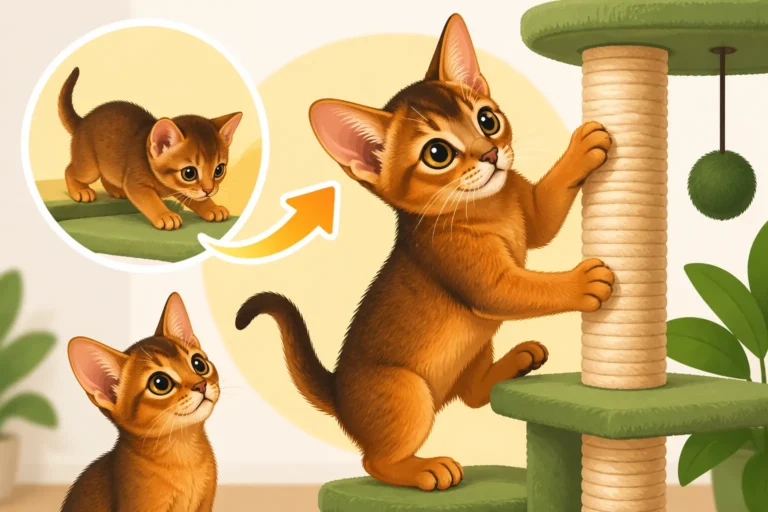
Abyssinian kittens change as they grow. Their proportions, coat texture, and overall look develop over time, so a young kitten’s ear tips may not resemble the finished appearance of an adult. Some hairs may be hard to see in early photos, while later grooming and coat development can make the edges look different.
When choosing a kitten, focus on the full picture: health, behavior, socialization, care history, and the breeder’s openness about the kitten and its parents. Ear tufts are a minor visual detail, not a sensible stand-alone reason to choose or reject a cat. If you are looking at photographs, ask for clear views of the kitten from several angles rather than trying to judge fine hairs from one flattering portrait.
The same goes for adult cats. A well-cared-for Abyssinian may have pronounced tufts, subtle tufts, or ear tips that appear smooth. Coat color and lighting can affect what you see, too. The darkest hairs may show more clearly on some cats, while pale or fine hairs can disappear against a bright background.
Understand the show-ring context
In a show setting, judges consider the cat’s overall type and how its features work together. The ears contribute to the head’s expression and balance, but a small tuft is not a substitute for correct structure, coat, condition, or temperament in the ring. A photo that makes tufts look dramatic does not necessarily reflect how they appear in person.
If you are preparing an Abyssinian for a show, resist the urge to shape the ear tips. Trimming can make the coat look uneven and does not improve the cat’s natural structure. Use calm handling and ordinary coat care instead. For perspective on another feature that can attract attention, Which Eye Colors an Abyssinian Can Have explains how appearance details fit into the breed’s overall look.
For everyday owners, the simplest approach is usually best: admire the tufts if your cat has them, leave them untouched, and keep an eye on the ears themselves for changes in comfort or health. If you need a gentle grooming mitt or other basic supplies, Chewy is one possible shopping option; the important part is choosing a suitable item and avoiding unnecessary ear treatments. A natural, untrimmed ear is generally the right look for a pet Abyssinian.
Disclaimer
This article is for general informational purposes only and does not constitute professional advice. Laws, prices and regulations vary by location and change over time. Consult a qualified professional for guidance on your specific situation.