Who Brought Zula to England in 1868
Ah, the Abyssinian! This breed has captivated cat lovers for generations, and a big part of that allure lies in its mysterious origins. When you delve into the history of the Abyssinian, one name consistently pops up: Zula, a cat famously brought to England in 1868. But who exactly brought this feline trailblazer across the seas, and how much of her story is fact versus a wonderfully romanticized legend? This guide will unravel the threads of Zula's journey, explore the figures associated with her, and distinguish the enduring myth from the realities of early Abyssinian history.
The Enduring Legend of Zula: A Story of 1868
For many years, the tale of Zula has been a cornerstone of the Abyssinian breed's origin story, painting a vivid picture of exotic lands and a grand military expedition. It’s a narrative that perfectly suited the Victorian era's fascination with the exotic and mysterious, providing a seemingly clear lineage for a cat that looked unlike any other common domestic feline in England at the time. This story has been passed down through countless books and articles, becoming almost gospel within the cat fancy community, even as genetic evidence began to challenge its core premise. The romantic notion of a brave soldier returning home with a unique souvenir from a distant land holds a powerful appeal, making the legend exceptionally sticky.
The Abyssinian Campaign and the Cat's Arrival
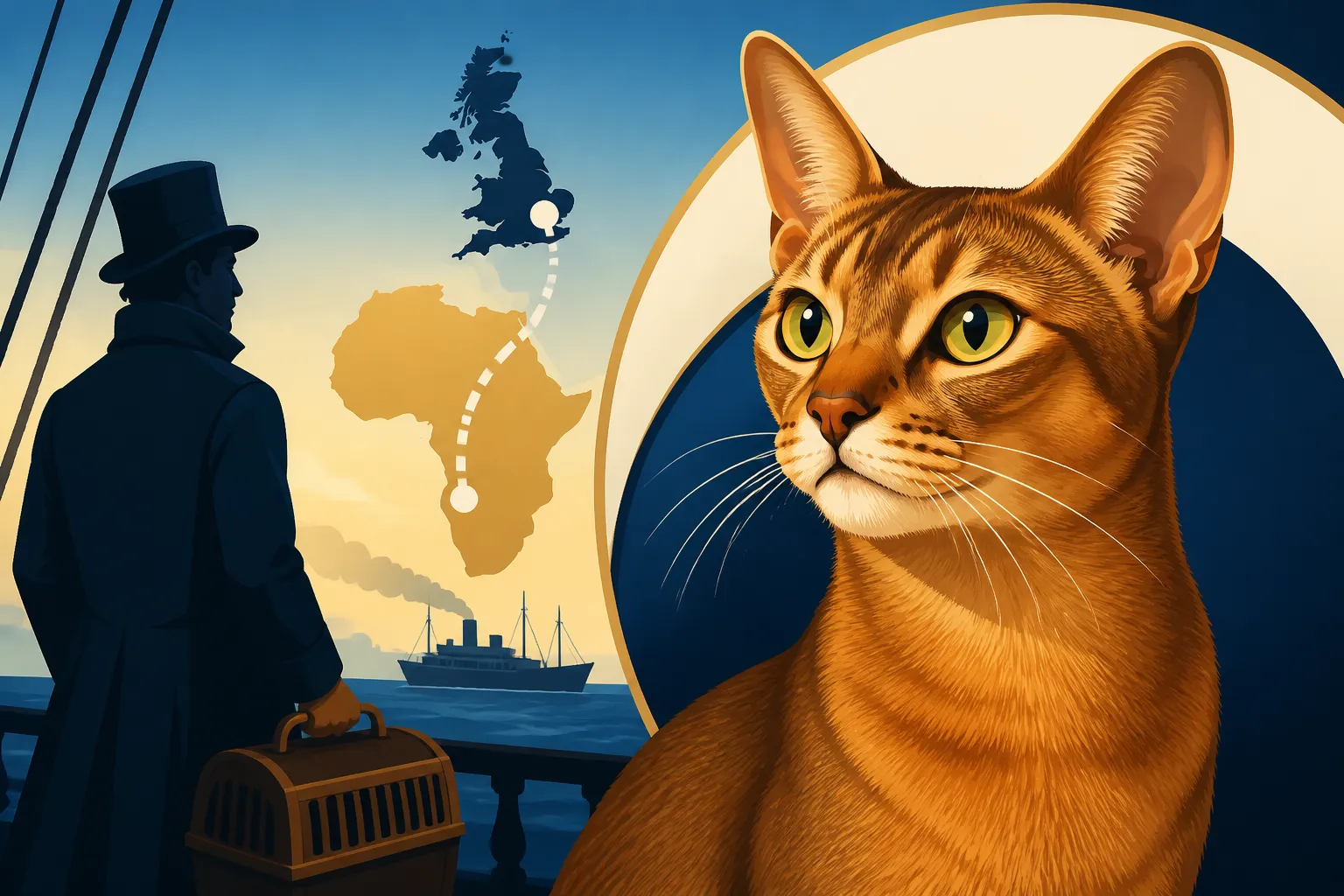
The year 1868 marks a significant historical event: the British expedition to Abyssinia, which is modern-day Ethiopia. This military campaign was undertaken to rescue British hostages held by Emperor Tewodros II. It was a substantial undertaking, involving thousands of troops and an impressive logistical effort. The popular story suggests that during this intense military operation, one of the returning soldiers brought back a fascinating souvenir: a cat. This cat, later named Zula, was said to embody the exotic beauty of her homeland, with her distinctive ticked coat and graceful, somewhat wild appearance. The very idea that such a refined and elegant creature could emerge from a rugged military campaign in a far-off land only added to her mystique and the breed's initial charm. It’s easy to see why such a dramatic origin story captured the imagination of cat enthusiasts and the public alike.
Lieutenant General Robert Napier and the Cat
When it comes to who brought Zula to England, one name is almost invariably linked: Lieutenant General Robert Napier. He was the commander of the British expeditionary force to Abyssinia and subsequently became Baron Napier of Magdala. The narrative often places Zula directly in his care, or at least attributes her presence in England to someone under his command. While Napier was undoubtedly a pivotal figure in the Abyssinian campaign, the direct link to the specific cat known as Zula is more anecdotal than documented fact. His involvement in the campaign provides a prestigious and historically significant context for the cat's arrival, further solidifying the romantic origin story. People love to connect important events with specific, influential individuals, and Napier fit the bill perfectly for this exotic feline. However, concrete evidence directly from Napier himself regarding Zula or any other cat brought back from Abyssinia remains elusive, leaving much to the realm of charming speculation.
The First Recorded Abyssinian in England
Regardless of the specifics of her arrival, Zula’s existence in England is well-documented through early cat fancy records. Her appearance at a prominent cat show was a landmark moment, effectively introducing the public and the burgeoning world of pedigree cat breeding to a unique and captivating feline type. This was a time when the concept of "breed" was still being formalized, and showcasing distinct animals like Zula was crucial for establishing new categories and standards. This period laid the groundwork for the modern cat fancy we know today, setting precedents for how breeds were recognized and developed.
The 1871 Crystal Palace Cat Show and Zula's Appearance
The year 1871 was monumental for the emerging British cat fancy, primarily due to the groundbreaking cat show held at the Crystal Palace in London. This was one of the earliest large-scale, organized cat shows, drawing significant public attention and marking a turning point in how domestic cats were perceived and valued. It was at this very show that a cat described as "an Abyssinian" was exhibited. While not explicitly named Zula in all early accounts, the description strongly aligns with the legendary cat. She was noted for her distinctive ticked coat, slender build, and captivating eyes—qualities that would become hallmarks of the breed. Exhibiting her here gave her immense visibility and sparked widespread interest in this "new" and exotic type of cat. This event provided a public platform that cemented the idea of the "Abyssinian" as a distinct and desirable breed, despite the fuzzy details of her exact origin. The show itself was a spectacle, and any cat featured prominently would have immediately captured the public's imagination, securing its place in history.
Harrison Weir's Account and the "Abyssinian" Name
Perhaps the most crucial figure in solidifying Zula's place in Abyssinian history, and indeed in the foundation of the entire cat fancy, was Harrison Weir. Weir was not only an artist but also a passionate animal lover, often credited with organizing the first modern cat show at Crystal Palace in 1871. His detailed writings and illustrations, particularly in "Our Cats and All About Them" (1889), served as an invaluable record of early breeds. Weir described a cat that fit Zula's description, emphasizing her unique ticking and "wild" appearance, and it was largely through his influence that the "Abyssinian" name gained traction. He observed that she had been imported from Abyssinia, reinforcing the popular narrative, even if he couldn't offer a definitive pedigree. What Harrison Weir Wrote About the Abyssinian His enthusiasm and authoritative voice helped define what an "Abyssinian" was supposed to look like and behave like, even if the precise ancestry remained murky. Without his meticulous documentation and promotion, it's possible the breed might not have taken hold as it did.
The Broken Link: Why Zula Isn't Our Direct Ancestor
It's a bittersweet truth for many Abyssinian enthusiasts: while Zula is a foundational figure in the breed's lore, she's highly unlikely to be a direct ancestor of today's Abyssinians. The romantic story is powerful, but historical records and modern science tell a different tale about the continuity of her line. This doesn't diminish her historical importance in introducing the idea of an Abyssinian cat to the Western world, but it does reframe her role from progenitor to pioneer. Understanding this distinction is key to appreciating the true, more complex history of how the breed came to be.
Gaps in the Pedigree Record
One of the most significant reasons Zula cannot be definitively linked to modern Abyssinians is the stark absence of continuous pedigree records. In the early days of cat fancy, breeding practices were much less stringent than today. Meticulous record-keeping, multi-generational pedigrees, and closed studbooks simply weren't the norm. Cats were often identified by type and appearance rather than by a documented lineage tracing back many generations. While Zula was presented at a show, there's no clear, unbroken chain of offspring documented that extends from her to the cats that were later recognized and bred as Abyssinians in the late 19th and early 20th centuries. Why No Pedigree Connects Zula to Later Abyssinians This lack of concrete evidence is a major hurdle for any claim of direct ancestry. It's a common issue with many older breeds; the beginnings are often shrouded in charming tales rather than precise genealogical charts. We simply don't have the paperwork to prove Zula's descendants contributed to the foundational breeding stock.
Early Breeding Practices and Crosses
The development of new cat breeds in Victorian England often involved a good deal of experimentation and outcrossing. Breeders aiming to establish a distinct "Abyssinian" type would often cross their existing cats, which might have shown some ticked patterning, with other short-haired domestic cats to solidify desired traits, or even introduce new ones. This practice, while effective for breed development, meant that any potential unique genetic contribution from a single imported cat like Zula could quickly be diluted or lost within a few generations. Which Cats the First Abyssinians Were Crossed With The goal was to create a type that consistently reproduced certain characteristics, rather than meticulously preserving the genetic line of one specific individual. This mixing of lines means that even if Zula did have offspring, their unique genetic markers might have been absorbed into a broader pool of cats that were simply "Abyssinian-like," rather than direct descendants. The process was more about shaping a breed through selective appearance than through strict genetic purity in those nascent years.
Unraveling the True Origins: What Modern Genetics Tell Us
For a long time, the Abyssinian's origin was a mystery shrouded in folklore and guesswork. While the Zula story provided a compelling narrative, modern scientific advancements, particularly in genetic sequencing, have allowed us to peer beyond the charming legends and uncover a more accurate, albeit less romanticized, picture of the breed's true heritage. It turns out that the answer to "where did Abyssinians come from?" is far more complex and fascinating than a single cat on a single ship.
Genetic Studies Point East, Not Northeast Africa
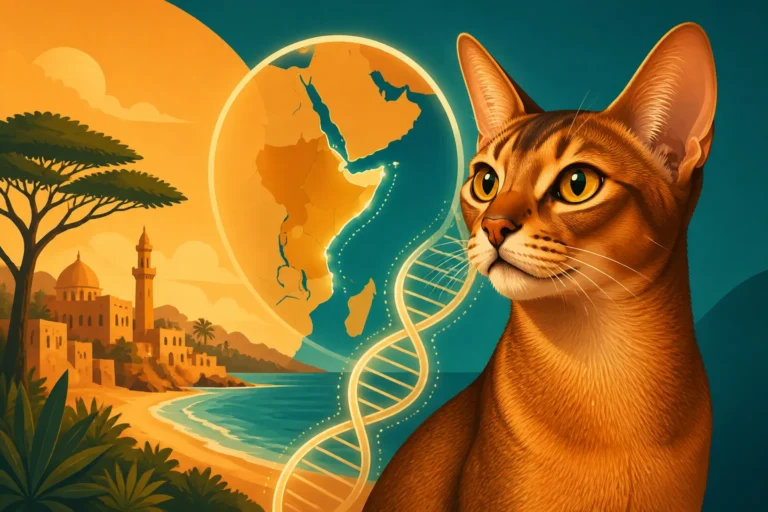
When geneticists began to analyze the DNA of various cat breeds, including the Abyssinian, they found something quite surprising. Instead of strong genetic markers linking them directly to Ethiopia or even ancient Egyptian cats, the evidence consistently pointed towards a different geographical origin: Southeast Asia, or more broadly, the coastal regions of the Indian Ocean. What Modern DNA Studies Found About Abyssinian Ancestry This revelation has effectively overturned the long-held belief that the breed originated in Abyssinia. The genetic blueprint of the modern Abyssinian shares more in common with cats found in places like Singapore and Malaysia than it does with felines from Northeast Africa. This doesn't mean the ticked pattern itself isn't ancient, but rather that the particular genetic combination that defines the Abyssinian breed likely consolidated in a different part of the world before making its way to Europe. For those of us who grew up with the Zula narrative, this scientific finding is a real head-scratcher! You can even find many cat supplies and foods, like those available on Chewy, formulated for active cats, regardless of where their ancestors roamed.
The Indian Ocean Trade Routes and Cat Migration
If the Abyssinian's genetic roots lie in Southeast Asia, how did they end up in England? The answer, according to geneticists and historians, likely lies in the extensive maritime trade routes that crisscrossed the Indian Ocean for centuries. Merchant ships sailing between Asian ports, the Middle East, and eventually Europe would often carry cats on board. These cats served a vital purpose: pest control, protecting valuable cargo from rodents. As ships made port calls, these cats would disembark, interbreed with local populations, and gradually spread their genes along these ancient trading networks. The distinct ticked pattern, or "agouti" gene, which is characteristic of the Abyssinian, would have been carried by some of these seafaring felines. Why the Indian Ocean Coast Fits the Abyssinian's Genes It's a testament to the enduring human-feline bond that our furry companions were such constant travelers. This gradual, organic spread, rather than a single dramatic import, paints a more realistic picture of how such a unique genetic trait could have made its way to Europe and subsequently been selected and refined by early breeders into the Abyssinian breed we know today.
The Lasting Impact of a Myth
Even with scientific revelations about the Abyssinian's true genetic heritage, the story of Zula and the Abyssinian Campaign retains a powerful hold on the imagination. It's a testament to the allure of a good story, especially one that connects a beloved pet to ancient lands and heroic deeds. Myths often serve a purpose beyond mere factual accuracy; they create identity, spark interest, and add a layer of depth to an animal's character. For the Abyssinian, this particular origin story has contributed significantly to its mystique and enduring popularity throughout its history in the cat fancy.
The Romanticism of the Ancient World
There's no denying the romantic appeal of associating the Abyssinian with the ancient, mysterious lands of Egypt and Abyssinia. For centuries, Western culture has been fascinated by the pyramids, pharaohs, and the perceived sacred status of cats in ancient Egyptian society. The Abyssinian, with its regal bearing, athletic build, and striking almond-shaped eyes, seems to perfectly embody the cats depicted in ancient Egyptian art. This visual resemblance, combined with the Zula story, created a powerful and evocative narrative that early breeders and enthusiasts eagerly embraced. It made the Abyssinian more than just another domestic cat; it made it a living link to a glorious past. Why the Abyssinia Origin Story Survived Anyway This romantic notion added significantly to the breed's desirability, making it seem exotic and historically significant, a pedigree that transcended mere physical appearance. It's a story that still captures hearts and minds, much like a carefully curated selection of unique toys from Chewy keeps our modern Abyssinians entertained.
The Abyssinian's Unique Look: A Visual Echo
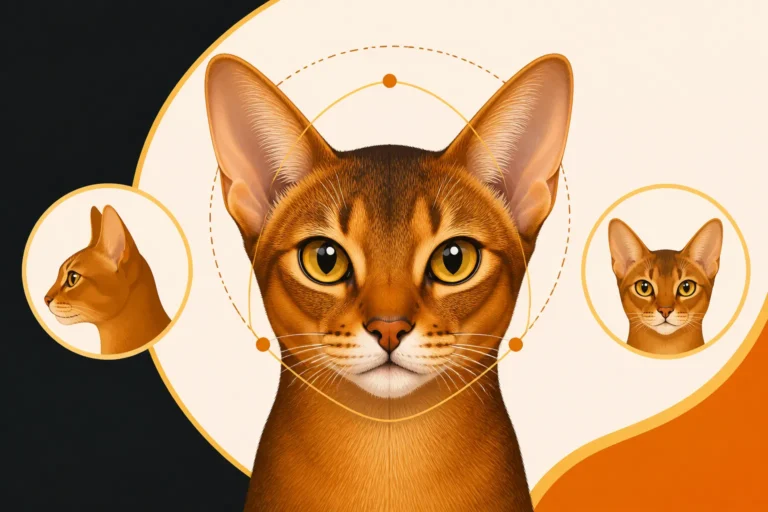
Despite the genetic findings, it's impossible to ignore the uncanny resemblance the Abyssinian bears to the cats often depicted in ancient Egyptian tomb paintings and sculptures. Their sleek, muscular bodies, large, expressive ears, and particularly their elegant, almost slender necks, all echo the artistic representations of felines from millennia ago. This visual connection is so strong that it's easy to understand why early cat fanciers readily accepted the Abyssinian origin story. The ticked coat, which lacks the distinct stripes or spots of many other breeds, also lends itself to a more "natural" or "wild" appearance, further reinforcing the idea of an ancient, undomesticated lineage. Why an Abyssinian Looks Like a Wall Painting So, while Zula might not be a direct ancestor, the idea of an Abyssinian originating from that part of the world resonated because the cats themselves seemed to visually confirm the story. This powerful visual association continues to be a defining characteristic of the breed's appeal, cementing its image as a noble, ancient feline, even if its true geographical roots lie elsewhere.
Zula's Legacy: Legend vs. Reality
It's clear that Zula holds a fascinating, if somewhat embellished, place in the history of the Abyssinian breed. While the romantic tale of her direct importation from Abyssinia by Lieutenant General Robert Napier might not stand up to modern genetic scrutiny, her role in introducing the "Abyssinian" concept to the Western world is undeniable. She was a cat that captured the public's imagination at a pivotal moment in the development of pedigree cat breeds.
Here's a quick comparison of the legendary narrative versus what historical and genetic research suggests:
| Feature | The Legend of Zula (1868) | Modern Understanding (Based on Research) |
|---|---|---|
| Origin Point | Directly from Abyssinia (Ethiopia) during the military campaign. | Genetic studies point to Southeast Asia/Indian Ocean Coast. |
| Brought By | Lieutenant General Robert Napier or his soldiers. | Likely traders or sailors via ancient maritime routes. |
| Role in Breed | Direct progenitor of all modern Abyssinians. | A pivotal initial example, but not a direct genetic ancestor. |
| Documentation | Anecdotal accounts, some mention in early cat fancy literature. | Limited pedigree, no direct genetic link to modern lines found. |
| Historical Impact | Symbol of the breed's exotic origins, popularizing the name. | Catalyst for breed recognition, fostering interest in ticked cats. |
The table clearly illustrates the divergence. While Zula didn't directly pass on her genes to every Abyssinian alive today, she certainly inspired the vision of what an Abyssinian should be. This vision was then cultivated by early breeders using cats that exhibited similar ticked patterns, likely from diverse backgrounds, to create the robust breed lines we cherish now. The idea of the Abyssinian began with Zula, even if the genetics tell us The Abyssinian Is Probably Not From Abyssinia. Her story is a beautiful blend of history and myth that continues to enrich the breed's unique identity.
Beyond Zula: The Evolution of the Abyssinian Breed
Even if Zula isn't the direct mother of all Abyssinians, her role in the public consciousness, and in the early cat fancy, was profoundly important. She served as an archetype, an exotic ideal that breeders then strived to replicate and refine. The focus shifted from a single originating cat to developing a consistent breed standard that defined the Abyssinian's appearance and temperament. This ongoing evolution is a testament to the dedication of breeders throughout history.
For instance, the early breeders in Victorian Britain were working with limited genetic pools and a nascent understanding of feline genetics. They often crossed cats that simply looked like Abyssinians, sometimes even introducing new bloodlines from domestic shorthairs to strengthen traits or overcome genetic bottlenecks. How the Abyssinian Was Bred in Victorian Britain This practical approach, while effective for breed development, made it difficult to maintain strict ancestral lines from any single cat. The goal was to establish a recognizable and repeatable "Abyssinian type" rather than to maintain the lineage of one specific import. Over time, as genetic understanding grew and breed registries became more organized, the focus shifted to refining these established lines and documenting pedigrees with greater accuracy.
The lasting legacy of Zula is not in her DNA being present in every Abyssinian, but in the enduring story she represents. It’s a narrative that speaks to our fascination with the exotic, the beautiful, and the historical connections we seek in our beloved pets. It reminds us that even when facts change, the stories that capture our hearts often persist, giving depth and character to the breeds we adore. Understanding this complex history allows us to appreciate the Abyssinian not just for its stunning looks and spirited personality, but also for the rich tapestry of myth and science that makes up its past.
This history, combined with their vibrant personality, makes Abyssinians truly special cats. Ensuring they live a long, healthy life involves not just appreciating their history, but also providing them with proper nutrition and care, for which resources like Chewy can be invaluable. From specialized diets to engaging toys, every Abyssinian owner invests in their cat's well-being, just as early fanciers invested in the breed's development. The breed's journey from anecdotal origins to genetic understanding highlights the ongoing dedication to these incredible felines.
Disclaimer
This article is for general informational purposes only and does not constitute professional advice. Laws, prices and regulations vary by location and change over time. Consult a qualified professional for guidance on your specific situation.