The Four Colors an Abyssinian Comes In
One of the most common questions I get from people falling in love with the Abyssinian breed is about their coat. You see pictures, and sometimes they all look a bit similar, making you wonder if there's only one "Abyssinian color." But that's far from the truth! It can be a little confusing to distinguish the subtle nuances, especially with that incredible ticked coat. This guide is here to unravel the beautiful spectrum of Abyssinian colors, delving deep into the genetics, appearance, and unique characteristics of each.
Understanding the Abyssinian's Unique Coat
Before we dive into the specific colors, it’s crucial to understand what makes an Abyssinian’s coat so visually striking and, frankly, unlike most other cats you’ll encounter. It’s all down to a fascinating genetic trait called "ticking" or the agouti gene, which creates an illusion of depth and movement in their fur that is simply mesmerizing. This isn't just a pretty pattern; it's a defining characteristic of the breed that influences how each individual color manifests.
The Magic of Ticking
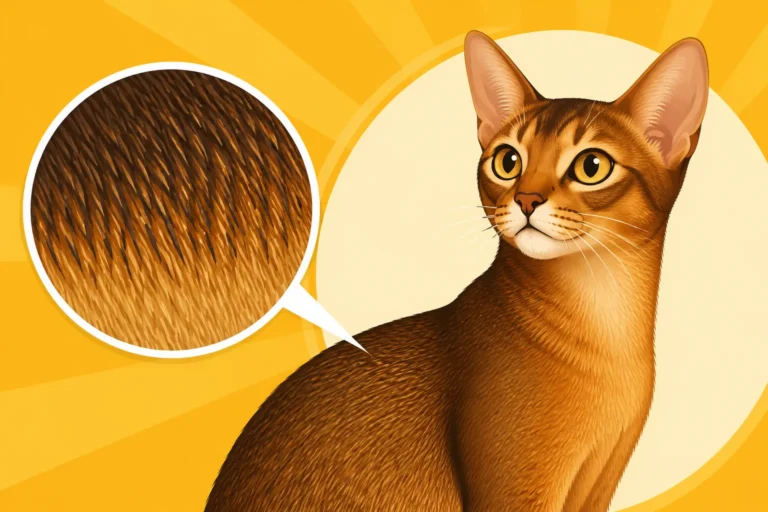
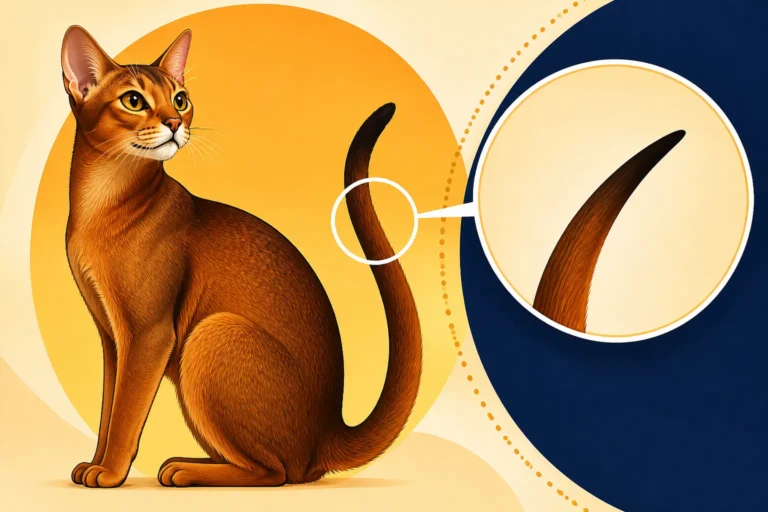
Imagine each individual hair on your Abyssinian. Instead of being one solid color from root to tip, it’s banded with alternating light and dark pigments. This is ticking. Typically, an Abyssinian hair will have three or four bands of color, with the darkest color at the tip and the lightest closest to the root. This is why their coat seems to shimmer and change as they move or as the light hits them from different angles. It creates this incredible depth, a sort of 'living' quality to their fur that makes them look almost wild, like a miniature cougar or puma. It's not about stripes or spots on the skin; it's about the microscopic detail on each strand of fur, creating a mosaic of color across their entire body. It’s truly a marvel of natural artistry. You can read more about it in Why Each Abyssinian Hair Carries Three or Four Bands.
Why No Stripes?
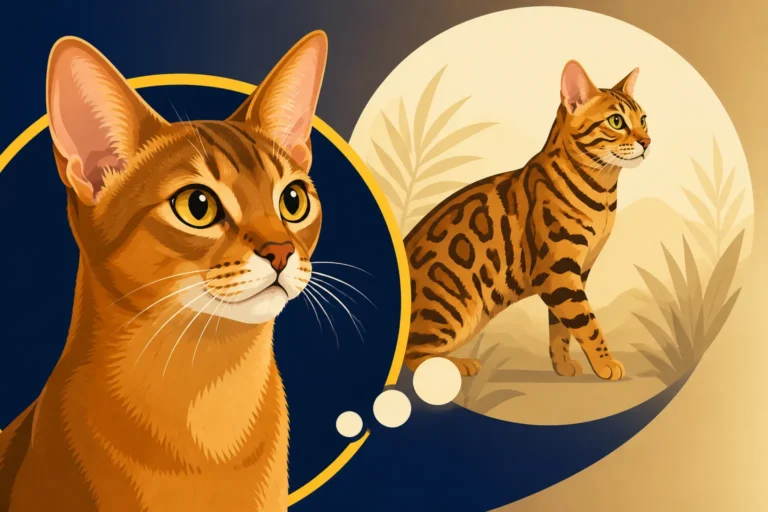
Unlike most domestic cats, particularly those with a "tabby" pattern, Abyssinians do not typically display visible stripes, blotches, or spots on their bodies. That's right – no classic "M" on the forehead, no tiger stripes down their legs, and no bullseye on their flanks. While they carry the agouti gene, which is part of the tabby complex, their specific genetic modifiers suppress the expression of these traditional tabby markings. Instead, the agouti gene in Abyssinians is expressed as ticking across their entire coat, creating a uniform, shimmering effect. Any strong barring on the legs, tail, or neck is actually considered a fault in the show ring. This lack of clear stripes is a hallmark of the breed, distinguishing them from many other shorthaired cats and contributing to their sleek, sophisticated appearance. It can be a bit of a trick for new owners, especially if you're used to spotting a cat's pattern easily!
How Color Develops in Kittens
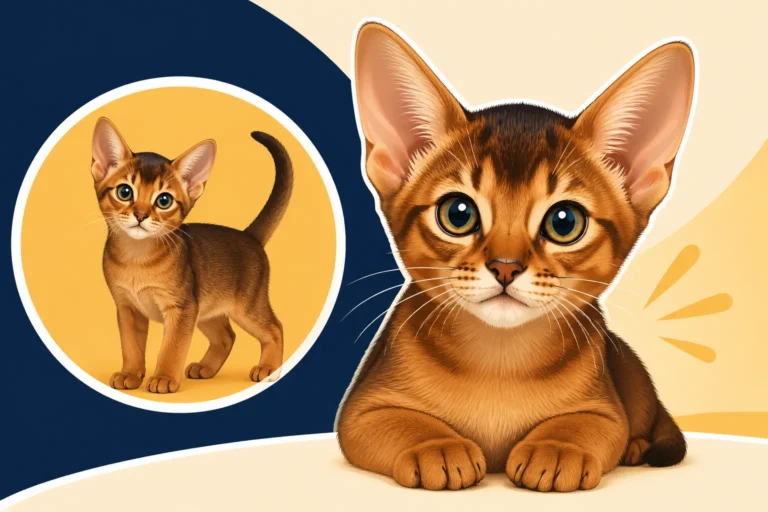
When Abyssinian kittens are born, their coats often look a bit, well, messy. They don't typically emerge with the fully defined, shimmering ticking you see in adults. Instead, many kittens appear somewhat blotchy, uneven, or even slightly darker than their eventual adult color. This is completely normal and part of their fascinating development. The full ticking pattern and depth of color take time to emerge and mature, often settling fully by the time they are a year or two old. During those early months, their coats might look a bit like a work in progress, with areas that seem less defined. Don't fret if your tiny Aby doesn't look exactly like the stunning adults in pictures; patience is key here. As they grow, shed their kitten fur, and their guard hairs develop their full banding, the magic of their true color slowly reveals itself. It’s one of the delightful surprises of raising an Abyssinian, watching that beautiful coat transform. You might find it interesting to note How an Abyssinian's Coat Looks Different in Every Light as it matures.
Ruddy: The Original Abyssinian Color
Ruddy is often considered the "original" or "classic" Abyssinian color, the one that most people probably picture when they think of the breed. It’s a warm, earthy tone that perfectly complements their elegant build and active personality. If you're looking for that iconic, wild-cat-esque look, ruddy is usually where most people start their search. It's a color that exudes natural beauty and timeless appeal.
What "Ruddy" Truly Means
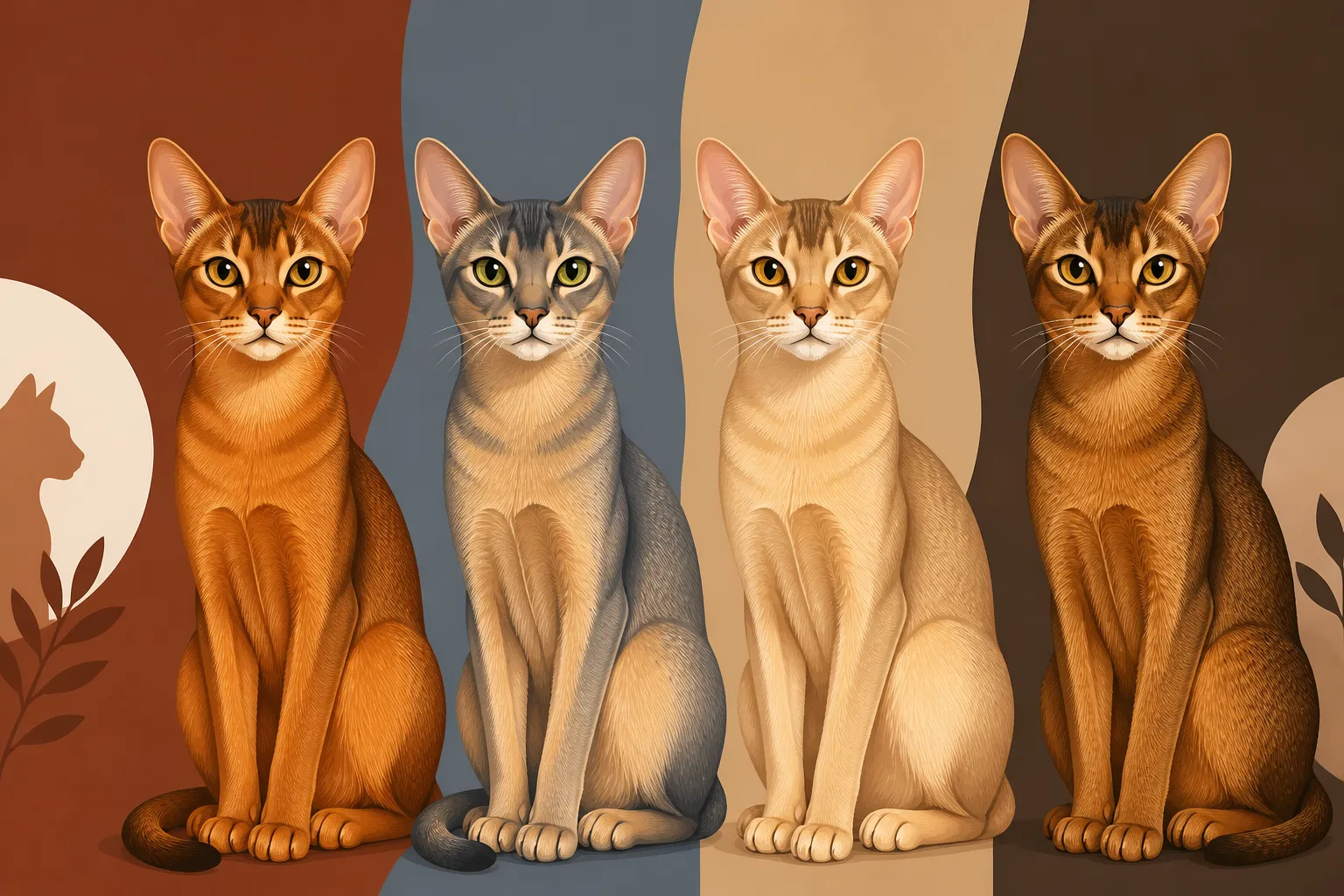
At its heart, a ruddy Abyssinian is a warm, rich coppery brown with black ticking. Imagine a wild hare or a fox – that kind of deep, vibrant brown. Each hair is banded with shades of dark brown or black at the tips, transitioning to a warm, orange-brown nearer the skin. The overall effect is a glowing, burnished appearance. Their paw pads are typically black or dark brown, and they often have a brick-red nose leather outlined in black. The deeper the richness of the base color, and the crisper the contrast of the ticking, the more prized the ruddy will be, especially in the show ring. It's a color that truly comes alive in natural light, showcasing every individual band on their fur.
The Distinctive Warmth of Ruddy
The warmth in a ruddy Abyssinian's coat is what truly sets it apart. It’s not just brown; it's a brown infused with vibrant reds and oranges, almost like embers glowing in a fire. This warm undertone is crucial to the ruddy standard. When you look closely, you’ll notice the underlying color beneath the ticking isn't grey or cold, but a rich apricot or burnt orange. This gives the cat a very "natural" or "wild" appearance, fitting their adventurous and curious nature perfectly. It's a color that evokes images of ancient landscapes and untamed beauty, making it eternally popular among enthusiasts. If you're wondering about the initial cost, How Much a Ruddy Abyssinian Costs can give you an idea.
Why It's Often Called "Usual"
In some circles, especially older breed literature or among British breeders, the ruddy Abyssinian is simply referred to as "Usual." This isn't a slight or an indication that it's boring; rather, it highlights its historical significance as the foundation color of the breed. It was the first color recognized and the one from which all other colors were developed through careful breeding and understanding of feline genetics. So, when you hear "Usual," it’s a nod to tradition and the deep roots of the Abyssinian breed. It's the standard against which all other colors are often compared, a testament to its enduring importance and classic appeal.
Sorrel: The Fiery Red Abyssinian
For those who love a vibrant, striking hue, the sorrel Abyssinian is often a showstopper. Sometimes mistakenly called "red," sorrel offers a completely different kind of warmth than ruddy – one that is more vivid and fiery, a true testament to the breadth of color within the breed. These cats practically glow with their rich, cinnamon tones, catching the eye with their intense coloration.
The Striking Red-Cinnamon Hue
A sorrel Abyssinian possesses a breathtaking coppery-red or cinnamon base color with chocolate-brown ticking. Think of autumn leaves at their peak, or a spice cabinet filled with rich paprika and cinnamon – that's the kind of warmth and depth you'll find in a sorrel. The contrast between the coppery red and the chocolate ticking creates a magnificent, shimmering effect that truly stands out. Their paw pads are typically pink, matching their beautiful brick-red nose leather, which lacks the dark outline seen in ruddy cats. This absence of black pigment is a key identifier for sorrel, giving them a softer, yet still incredibly vibrant, overall appearance.
Comparing Sorrel to Ruddy
While both ruddy and sorrel Abyssinians boast warm tones, their genetic underpinnings and visual effects are quite distinct. The easiest way to differentiate them is by observing the ticking and the general warmth. Ruddy cats have black or dark brown ticking over a red-brown base, giving them a darker, earthier look. Sorrel cats, on the other hand, have chocolate brown ticking over a coppery-red base, resulting in a lighter, more fiery and vibrant appearance. Another tell-tale sign is the paw pads and nose leather: ruddy will have dark pads and a black-outlined nose, while sorrel will have pink pads and a nose without a black outline. It's a subtle but significant difference that dramatically changes the cat's overall impression, from a deep, wild hue to a sparkling, cinnamon gleam. You can get more information about the price difference in Why a Sorrel Abyssinian Is Priced Differently.
The Misnomer of "Red"
It's common to hear people refer to sorrel Abyssinians as "red Abyssinians," and while the color is certainly within the red spectrum, "sorrel" is the official and more accurate term within the cat fancy. This distinction helps avoid confusion with other breeds that might have a true genetic red or orange color, which operates differently on a genetic level. The term "sorrel" specifically describes the coppery-red base combined with chocolate ticking, a unique expression within the Abyssinian breed. While you might see "red Aby" used informally, knowing the correct term helps appreciate the precise genetic and descriptive standards that breeders and enthusiasts adhere to. It’s all about respecting the nuances of the breed's beautiful palette.
Blue: The Cool and Elegant Abyssinian
Moving away from the warm, earthy tones, we enter the realm of the blue Abyssinian. This color is a testament to the elegant versatility of the breed's coat, offering a sophisticated and calming aesthetic. A blue Abyssinian often surprises people who expect only the more fiery colors, revealing a softer, more ethereal side of the breed.
The Soft, Powdery Grey Appearance
A blue Abyssinian is anything but a stark, dark grey. Instead, think of a soft, powdery slate blue or grey base color with darker blue-grey ticking. It's a very muted and refined shade, often described as having an almost lavender or silvery undertone, especially in certain lights. Their paw pads are a soft dusty rose or slate blue, and their nose leather is typically old rose, often outlined in a darker blue. The overall impression is one of cool elegance and understated beauty. The ticking in a blue Abyssinian, while distinct, can sometimes appear less contrasted than in a ruddy or sorrel, contributing to its soft, hazy effect. It’s a truly unique color that seems to absorb light rather than reflect it, creating a serene and calm aura.
The Dilution Factor
Genetically, the blue color in Abyssinians is a diluted form of ruddy. The "dilution gene" acts on the black pigment in the ruddy coat, turning it into a softer, less intense shade of blue-grey. So, where a ruddy cat has black ticking and a dark brown base, a blue cat has blue-grey ticking and a slate-grey base. This is a common genetic phenomenon in cats, responsible for many "blue" or "grey" variations across different breeds. The dilution gene essentially spreads out the pigment granules in the hair shaft, making the color appear lighter and softer. It's a fascinating peek into how specific genes can dramatically alter a cat's appearance, transforming a vibrant, rich hue into something beautifully subdued. This explains why blue Abyssinians appear so much lighter and cooler in tone than their ruddy counterparts. What a Blue Abyssinian Looks Like gives a good visual.
Subtle Variations within Blue
While "blue" describes the general color, there can be subtle variations even within this shade. Some blue Abyssinians might appear a slightly darker slate, while others lean more towards a silvery or dusty lavender hue, depending on the specific nuances of their genetics and the intensity of the ticking. Environmental factors, such as sunlight exposure, can also influence the appearance of their coat, sometimes leading to a slight bronzing or dulling if exposed for prolonged periods. The age of the cat can also play a role, with some blue Abyssinians developing a richer, deeper blue as they mature. These slight differences add to the individual charm of each blue Abyssinian, making them unique within their shared color classification.
Fawn: The Delicate and Rare Abyssinian
For those seeking something truly unique and incredibly delicate, the fawn Abyssinian is a treasure. This is the palest of the four recognized colors, possessing an almost ethereal quality that can make them seem to float across a room. They are less common than the other colors, adding to their allure and making them a sought-after choice for many enthusiasts.
The Creamy, Mushroom Grey Tone
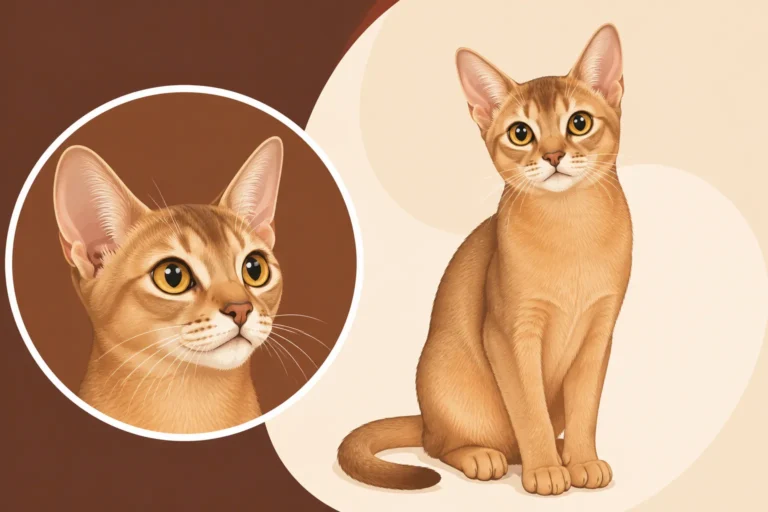
A fawn Abyssinian is characterized by a lovely warm, creamy beige or mushroom-grey base color with delicate fawn-colored ticking. It’s incredibly light, reminiscent of pale sand, unbleached linen, or the subtle shades of dried mushrooms. Their paw pads are pink, and their nose leather is a light salmon-pink, without any dark outline. The overall effect is incredibly soft, almost pastel, and very harmonious. The ticking in a fawn Abyssinian is often quite subtle, blending seamlessly with the lighter base coat, which contributes to their gentle and almost translucent appearance. They truly stand out for their understated elegance and their unique, delicate coloration among the Abyssinian family.
Double Dilution at Play
Genetically, fawn is even more complex than blue; it is a "double dilute." This means it's the diluted form of a sorrel cat. The dilution gene acts on the chocolate pigment of the sorrel coat, turning it into the softer, lighter fawn ticking, and similarly lightens the coppery-red base to a creamy beige. It's like taking the vibrant sorrel and washing it out to a whisper of its former self, but in the most beautiful way imaginable. This double genetic modification is why fawn Abyssinians are less common; it requires specific genetic combinations from both parents. Understanding this genetic dance helps us appreciate the intricate beauty of this delicate color and the careful breeding that goes into producing such stunning fawns.
Why Fawn is Often the Palest
Fawn Abyssinians are undeniably the palest of the four main colors, and this paleness is a direct result of that "double dilute" genetic factor. With both the red and the black pigments in the coat being diluted, the resulting color is incredibly soft and light. Where ruddy is a deep copper, sorrel a vibrant cinnamon, and blue a powdery grey, fawn takes those genetic instructions and turns them into the gentlest of tones. This makes them appear almost translucent, especially in bright light, and contributes to their distinctive and often sought-after appearance. They possess a unique charm that stands apart from the more robust colors, a quiet beauty that can be incredibly captivating. To see it firsthand, check out Why a Fawn Abyssinian Is the Palest of the Four.
Beyond the Four: Other Colors and Recognition
While ruddy, sorrel, blue, and fawn are the four cornerstone colors recognized by most major cat associations, the world of Abyssinian genetics holds a few other fascinating possibilities. These variations, whether through additional genes or simply less common expressions, add even more depth to the breed's already diverse palette. It's a reminder that genetics are constantly at play, creating new and exciting possibilities, even within well-established breeds.
Silver Abyssinians
Silver is a modifier gene that, when present, removes the warm, golden undertones from the base coat of any of the four standard Abyssinian colors, leaving behind a striking silver-white base with the ticking still present in its original hue. So, you can have a "Ruddy Silver," a "Sorrel Silver," a "Blue Silver," or a "Fawn Silver." A Ruddy Silver, for instance, would have black ticking on a cool, silvery-white base, rather than the warm coppery-brown of a standard ruddy. This creates a high-contrast, often dramatic, and very elegant look. Not all registries fully recognize all silver variations, but they are absolutely stunning and definitely exist. They sparkle with an almost metallic sheen, a truly captivating deviation from the traditional warm-toned Abyssinians.
Chocolate and Lilac
Occasionally, you might hear whispers of chocolate or lilac Abyssinians. These are even rarer colors, and their recognition status varies greatly, with most major associations like the Cat Fanciers' Association (CFA) not accepting them for championship status. Chocolate is essentially a non-diluted brown that is lighter than black but distinct from the brown ticking found in sorrel. Lilac, then, would be the diluted form of chocolate, appearing as a soft, pinkish-grey. These colors stem from further genetic mutations that sometimes appear in breeding programs. While they might be beautiful, they are not standard and are typically bred by enthusiasts focusing on unique colors rather than adhering to traditional show standards. It's a fascinating area for geneticists and experimental breeders, pushing the boundaries of what an Abyssinian can look like.
Registry Recognition Differences
It's important to remember that not all cat registries are created equal when it comes to color recognition. The Cat Fanciers' Association (CFA), for example, typically recognizes Ruddy, Red (Sorrel), Blue, and Fawn as the four main championship colors. However, other international organizations, like The International Cat Association (TICA) or the Governing Council of the Cat Fancy (GCCF) in the UK, might have slightly different standards or recognize a broader range of colors, including various silvers or even some of the more experimental shades. If you're looking to show your Abyssinian, or if you simply want to understand the definitive standards, it's always wise to consult the specific registry you're interested in. This difference in recognition can sometimes be a point of confusion for new owners, but it largely depends on the historical lineage and evolving standards of each organization. You can find more about this in Which Abyssinian Colors CFA Recognizes.
Coat Quality and Health Implications
Beyond the sheer beauty of their colors, the quality and condition of an Abyssinian's coat can tell you a lot about their overall health and well-being. A well-cared-for Abyssinian should have a coat that is soft, resilient, and shines with a healthy luster. Any deviation from this can often be a subtle indicator that something might be amiss, making coat observation a useful part of your regular health check routine.
The Importance of a Clear Coat
A healthy Abyssinian coat, regardless of color, should have clear, distinct ticking. The bands on each hair should be well-defined, and the overall impression should be one of uniformity and depth, without any strong tabby markings or barring. A coat that looks dull, greasy, or excessively shed could be a sign of nutritional deficiencies, stress, or an underlying health issue. Similarly, a coat that suddenly develops noticeable barring or uneven patches might indicate a genetic predisposition or a shift in health. Breeders work tirelessly to maintain the integrity of the ticked coat, and a "clear" coat—one free of undesirable markings—is a hallmark of a well-bred Abyssinian. It's truly The Ticked Coat Is the Whole Abyssinian Grooming Job in many ways, requiring specific attention to detail.
Sun Fading and Its Effects
One interesting (and sometimes frustrating) aspect of the Abyssinian's coat is its susceptibility to sun fading. If your Abyssinian spends a lot of time basking in sunny windows or, heaven forbid, has outdoor access (which is generally discouraged for Abyssinians), their beautiful, vibrant colors can gradually lighten and even take on a brassy or reddish tint. This is particularly noticeable in blue and fawn Abyssinians, where their delicate cool tones can become warmer and less distinct. While it doesn't harm the cat, it can certainly alter the aesthetic appeal of their coat. To preserve their exquisite color, it's best to provide shaded resting spots or UV-protective window films, especially for show cats. It's a small detail, but one that can make a big difference to their appearance over time. More on this can be found in Why Sun Fades an Abyssinian's Coat.
Maintaining Coat Health
Maintaining a healthy Abyssinian coat is surprisingly straightforward, thanks to their minimal undercoat and short, fine hair. Regular, gentle brushing – perhaps once a week – is usually sufficient to remove loose hairs and distribute natural oils, keeping their coat gleaming. Using a soft rubber brush or a grooming mitt works wonders without flattening their unique ticking. Beyond brushing, a high-quality diet rich in protein and essential fatty acids is paramount. Good nutrition directly translates to a healthy, vibrant coat and skin. Many owners find that reputable brands available on sites like Chewy offer a great selection of foods specifically formulated for active cats like Abyssinians, which contributes significantly to their coat's luster. Adequate hydration is also vital, so ensuring fresh water is always available, perhaps even investing in a pet fountain, can make a difference. While their grooming needs are relatively low, consistent care and a good diet are key to showcasing the full beauty of their unique colors.
To summarize the visual characteristics of these four stunning colors, here's a helpful table:
| Color | Base Coat Hue | Ticking Color | Paw Pads | Nose Leather | Genetic Basis |
|---|---|---|---|---|---|
| Ruddy | Warm, coppery-brown to burnt orange | Dark brown to black | Black/Dark Brown | Brick red, outlined in black | Standard black agouti pigment |
| Sorrel | Vibrant, coppery-red to cinnamon | Chocolate brown | Pink | Brick red, no dark outline | Red agouti pigment, no black (genetically "red") |
| Blue | Soft, powdery slate blue-grey to lavender | Darker blue-grey | Dusty rose/Slate | Old rose, outlined in darker blue | Diluted form of ruddy (black pigment diluted) |
| Fawn | Creamy beige to light mushroom-grey | Fawn-colored (light beige/brown) | Pink | Salmon pink, no dark outline | Diluted form of sorrel (red pigment diluted) |
The Abyssinian breed is truly a kaleidoscope of color, offering choices that range from the wild and earthy to the delicate and ethereal. Each color tells its own story, both visually and genetically, contributing to the rich tapestry of this magnificent breed. Whether you're drawn to the classic warmth of a ruddy, the fiery intensity of a sorrel, the cool elegance of a blue, or the rare delicacy of a fawn, one thing is certain: an Abyssinian's coat is always a marvel to behold. Caring for that coat, including selecting appropriate grooming tools and food (you can find a great selection on Chewy), is a small investment that pays dividends in their overall health and beauty.
Disclaimer
This article is for general informational purposes only and does not constitute professional advice. Laws, prices and regulations vary by location and change over time. Consult a qualified professional for guidance on your specific situation.