Why a Sorrel Abyssinian Is Priced Differently
So, you're enchanted by the warm, coppery glow of a sorrel Abyssinian and wondering why their price tag might seem a little different from their ruddy or blue siblings. It's a valid question, and one that many prospective Abyssinian parents ponder as they navigate the exciting, yet sometimes confusing, world of purebred cat ownership. This guide is here to unravel the mysteries behind Abyssinian pricing, with a special focus on what makes the gorgeous sorrel distinct in the market.
Understanding the Foundation of Abyssinian Pricing
Before we dive specifically into sorrel, it's crucial to understand the baseline factors that influence the cost of any Abyssinian kitten. These intelligent, active, and absolutely stunning cats come with a certain investment, and it's not just about the breeder plucking a number out of thin air. There's a lot of care, science, and dedication that goes into ethically breeding healthy Abyssinians.
Breeder Reputation and Experience
When you're looking at Abyssinian prices, a significant portion of that cost reflects the breeder's commitment, experience, and the reputation they've built over years. Reputable breeders don't just "have kittens"; they carefully plan litters, invest in top-quality breeding stock, and pour countless hours into raising well-socialized, healthy feline companions. This isn't a factory operation; it's a passion project with serious responsibilities. A breeder who has a long-standing positive reputation for producing healthy, well-tempered cats often commands a higher price, and for good reason. They are essentially selling you the culmination of years of knowledge and ethical practice.
This also extends to the environment the kittens are raised in. Are they free-roaming in a clean home, exposed to household sounds and interactions, or are they kept in separate runs? The early socialization a kitten receives from an experienced breeder profoundly impacts its temperament and adaptability in its new home. You're not just buying a cat; you're buying a creature that has been nurtured to thrive, and that nurturing comes with its own set of costs.
Health Testing and Guarantees
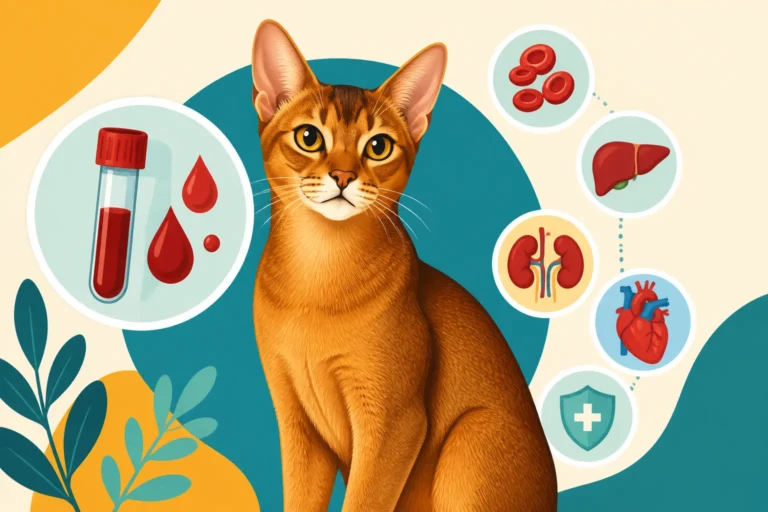
One of the most critical elements distinguishing a responsible breeder from a less scrupulous one, and directly impacting price, is health testing. Abyssinians, like many purebred cats, can be prone to certain genetic conditions. Ethical breeders invest heavily in screening their breeding cats to ensure they are not passing on these issues to their kittens. This isn't cheap; genetic testing, vet visits, and specialist consultations add up quickly.
When you see a higher price for an Abyssinian, it often means the parents have been tested for conditions like Pyruvate Kinase Deficiency (PK Deficiency) and Progressive Retinal Atrophy (PRA-rdAc). You can learn more about Which Two DNA Tests an Abyssinian Must Have to understand just how crucial these screenings are. A breeder who provides proof of these clear results for both parents is offering you peace of mind, and that's invaluable. They also typically offer health guarantees, outlining their commitment to the kitten's well-being for a certain period, especially against congenital defects. This transparency and proactive approach to health truly saves you potential heartache and significant veterinary bills down the line.
Show Quality vs. Pet Quality
Another factor in the price variation of Abyssinians, regardless of color, is whether the kitten is deemed "show quality" or "pet quality." Show quality kittens are those that closely adhere to the breed standard, with perfect ticking, ear set, eye shape, and body conformation, making them potential champions in the show ring. These kittens are often reserved for experienced breeders or exhibitors and come with a premium price tag, reflecting their genetic potential and aesthetic perfection.
Pet quality kittens, on the other hand, might have a minor flaw that disqualifies them from showing, such as a slight barring on the legs, a small break in the ticking, or ears that are a touch too wide-set. These minor imperfections don't affect their health or their loving personality one bit, but they do mean the kitten isn't destined for the show circuit. As such, pet quality Abyssinians are typically sold at a lower price point than their show-quality littermates, making them more accessible to families simply looking for a wonderful companion. Don't let the "pet quality" label fool you; these cats are just as delightful and energetic as any other Abyssinian. For a deeper look, check out How Much a Pet Abyssinian Costs From a Breeder.
The Allure of the Sorrel Abyssinian
Now, let's talk about the specific appeal of the sorrel Abyssinian. This color often stands out, and its pricing can reflect its unique charm and, sometimes, perceived demand.
Sorrel's Distinctive Look
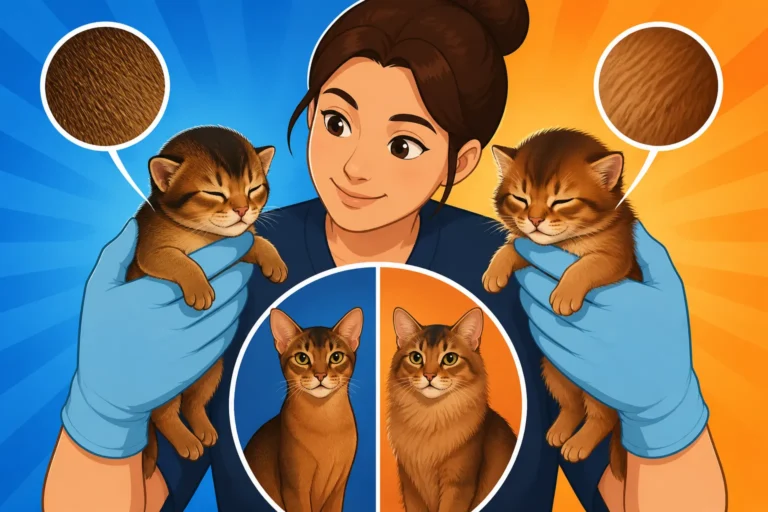
The sorrel Abyssinian is truly a sight to behold. Often described as a "cinnamon" or "red" cat, their coat is a beautiful warm, reddish-brown base with rich chocolate or copper banding on each hair shaft, creating that signature ticked effect. Their nose leather is usually rose-colored, and the paw pads are often a matching pink. It's a vibrant, eye-catching color that truly makes them glow in the right light. When the sun hits a sorrel Abyssinian, it's like their coat is lit from within, showcasing a depth of color that's simply captivating.
This striking appearance means they often catch the eye of potential owners looking for something a bit different from the more common ruddy or blue Abyssinians. The distinct warm tones can also complement certain home aesthetics or personal preferences, making them highly desirable for some. Many enthusiasts find the sorrel's warm hues to be incredibly expressive, highlighting the breed's graceful and lithe physique in a unique way. What Sorrel Means on an Abyssinian delves into this color in more detail.
Demand and Perceived Rarity
Is sorrel truly rarer? Not necessarily from a genetic standpoint, but regional preferences and specific cattery breeding programs can certainly make sorrel kittens less available in some areas, thereby driving up demand and price. In certain markets, sorrel might be more sought after than, say, a blue Abyssinian, simply because of current trends or personal preference among local buyers. This localized demand can lead to longer waiting lists for sorrel kittens.
If a particular cattery specializes in sorrels or has a reputation for producing exceptionally well-typed sorrel Abyssinians, their kittens might naturally command a higher price due to this specialized focus and demonstrated quality. It's less about actual genetic rarity and more about the interplay of supply, demand, and breeder specialization within specific geographic areas. The perception of rarity, even if not strictly accurate globally, can definitely influence pricing at a local level.
Color Genetics 101
Understanding the genetics behind the sorrel color can shed some light on why it's a distinct offering. The Abyssinian breed primarily comes in four main recognized colors: ruddy, sorrel, blue, and fawn. Ruddy is the dominant agouti gene, often considered the "original" or "wild" color, a warm brown with black ticking. Sorrel is genetically a "red" cat (or cinnamon, as it's often called), which is a diluted form of ruddy. It's based on the "B/b" series gene that influences black pigment.
Specifically, a sorrel Abyssinian carries two copies of the "b" allele for black dilution, meaning the black pigment found in a ruddy cat is diluted to a rich cinnamon or red. So, while it's not a "rare" gene, it requires specific genetic combinations from the parents. A breeder needs to ensure their breeding cats carry these specific genes to produce sorrel kittens consistently. This targeted breeding can sometimes influence the perceived value, especially if a breeder is known for their exquisite sorrel lines. For comparison, you might find it interesting to read about What Ruddy Means on an Abyssinian.
Factors Affecting Sorrel Abyssinian Pricing Specifically
Beyond the general breed factors, several elements specifically contribute to why a sorrel Abyssinian might be priced differently.
Regional Differences in Demand
Just like fashion trends, color preferences for cat breeds can vary significantly by region. What's highly popular and sought after in one state or country might be less so in another. For example, in some parts of the United States, the vibrant sorrel might be incredibly popular, leading to higher prices due to increased demand and fewer available kittens to meet that demand. Conversely, in other regions, ruddy or blue might be the preferred colors, making sorrel slightly less expensive by comparison.
Breeders are acutely aware of their local market and often adjust their pricing based on this demand. If a breeder has a long waiting list for sorrel kittens, it's only natural that the price might reflect that demand. It's always a good idea to research Abyssinian breeders and pricing trends in your specific area to get a realistic picture of what to expect for a sorrel kitten. This variation means you might find vastly different prices simply by looking at breeders a few hundred miles apart.
Lineage and Pedigree
The lineage and pedigree of a sorrel Abyssinian can play a substantial role in its pricing. Kittens from lines known for producing champion show cats, or those with a long history of excellent health, temperament, and adherence to the breed standard, will naturally command a higher price. This is particularly true if one or both parents are actively showing and winning titles, or if their ancestors are renowned champions.
A strong pedigree assures buyers that the kitten comes from a carefully curated genetic background, reflecting years of selective breeding to enhance desirable traits and minimize health issues. This investment in a superior lineage is passed down through the generations, and the price of a kitten reflects the quality and integrity of that breeding program. If you're looking for a kitten with distinct sorrel coloring and an impressive family tree, be prepared for the price to reflect that combined value. Breeders meticulously track these lines, often going back four generations or more, to ensure the quality they offer.
Availability and Litter Size
Abyssinian litters are generally smaller than those of many other cat breeds, typically yielding 2-4 kittens. This naturally limits the overall supply of Abyssinian kittens. When you factor in specific color demands, like for sorrel, the availability can become even more constrained. If a litter of four only produces one sorrel kitten, and there are multiple buyers eager for that specific color, the price will inevitably be higher due to scarcity.
Breeders cannot guarantee specific colors in every litter, even with careful genetic planning. Sometimes, nature simply dictates a particular distribution of colors. This unpredictability, combined with the breed's inherently smaller litter sizes, means that a highly sought-after color like sorrel might simply not be available in large quantities at any given time, thus influencing its market value. The fewer available, the more likely the price will reflect its perceived exclusivity.
The True Cost Beyond the Purchase Price
While the initial purchase price of a sorrel Abyssinian is a significant investment, it's crucial to remember that it's just the beginning. The ongoing costs of ownership are substantial and deserve careful consideration, regardless of the kitten's initial price or color.
Veterinary Care and Preventative Health
Abyssinians are generally a healthy breed, but like all cats, they require regular veterinary care to thrive. This includes annual check-ups, vaccinations, parasite prevention, and dental care. Remember, Abyssinians can be prone to certain health issues, such as early-onset gingivitis, making dental care particularly vital. You'll want to budget for regular cleanings and be prepared for potential gingivectomy procedures if your cat develops this condition. Read Why Abyssinian Dental Work Is the Biggest Line in the Budget for a comprehensive understanding. A yearly health check-up is also essential; for more on this, see What an Abyssinian's Annual Checkup Costs.
Beyond routine care, it's wise to consider the possibility of unforeseen medical expenses. Despite careful breeding, no cat is immune to illness or injury. Having a plan for these eventualities, whether it's a dedicated savings account or pet insurance, is incredibly important. Providers like Healthy Paws offer various plans that can help mitigate the financial impact of unexpected veterinary treatments, giving you peace of mind that your beloved Abyssinian can receive the best care without breaking the bank.
Nutrition and Enrichment
Abyssinians are known for their high energy levels and lean, muscular builds. This means they often require a high-quality diet rich in protein to maintain their health and vitality. Bargain-brand kibble might not cut it for an active Abyssinian, and investing in premium wet and dry food is a recurring expense you'll need to factor in.
Beyond food, Abyssinians need significant mental and physical enrichment. They are curious, intelligent, and highly active cats that require plenty of toys, scratching posts, and especially vertical climbing structures. Don't underestimate their need for height – these cats love to survey their domain from above. A tall, sturdy cat tree or wall-mounted shelves are not luxuries; they are necessities for an Abyssinian's well-being and to prevent destructive behaviors born of boredom. You can explore Why an Abyssinian Needs a Tall Cat Tree to understand more about their climbing habits. Investing in durable, engaging toys will also be an ongoing cost.
Unexpected Expenses and Insurance
Life with a cat, especially an active and curious Abyssinian, is full of surprises. From an emergency vet visit after swallowing something they shouldn't have, to an unexpected diagnosis later in life, having a financial safety net is crucial. Many owners find that pet insurance, such as plans offered by Healthy Paws, provides invaluable protection against these unforeseen costs. It allows you to make medical decisions based on what's best for your cat, rather than solely on your budget at the moment.
It's also wise to set aside a dedicated "cat fund" for those incidental expenses that pop up: new litter boxes, scratching post replacements, grooming supplies, or even a pet sitter if you travel. The long-term commitment to an Abyssinian, who can live for 12-15 years or more, means budgeting for their entire lifespan, not just the initial purchase. A financially prepared owner is a happy owner, and more importantly, ensures their Abyssinian lives a comfortable, well-cared-for life.
Navigating the Purchase of a Sorrel Abyssinian
Finding the right sorrel Abyssinian involves more than just picking a pretty face; it requires due diligence and clear communication with prospective breeders.
Asking the Right Questions
When you connect with a breeder, especially for a specific color like sorrel, be prepared with a list of thoughtful questions. Don't be shy! A good breeder will welcome your inquiries and appreciate your thoroughness. Ask about the health history of the parents and the lineage, inquire about the genetic tests performed, and request to see the results. Understanding the temperament of the parents is also crucial, as personality traits can be inherited.
You should also ask about the kitten's socialization process: what experiences has it had? Is it accustomed to household noises, children, or other pets? Inquire about the kitten's diet and what vaccinations it will receive before coming home. Don't forget to ask about the breeder's return policy or rehoming assistance if, for any reason, you find yourself unable to care for the cat in the future. The more information you gather, the more confident you'll be in your choice. For a more comprehensive list, read Which Questions to Ask an Abyssinian Breeder First.
Understanding the Contract
A reputable breeder will always provide a written contract that outlines the terms of sale, health guarantees, and responsibilities of both the buyer and the seller. This contract is a legal document designed to protect both parties and, most importantly, the kitten. It will typically include details about the kitten's health, vaccination status, and genetic testing results.
For pet-quality Abyssinians, contracts almost always include a spay/neuter clause, requiring you to have the kitten altered by a certain age. This is standard practice to prevent accidental breeding and to protect the integrity of the breed. There may also be clauses about notifying the breeder if you ever need to rehome the cat, allowing them to take it back or assist in finding a suitable new home. Reading and understanding every detail of this contract is vital before you commit. You can learn more about What an Abyssinian Breeder Contract Restricts.
Verifying Health Tests
Never take a breeder's word alone when it comes to health testing. Always ask for verifiable proof of genetic testing for PK Deficiency and PRA-rdAc for both parents. Reputable laboratories like Optimal Selection or Wisdom Panel provide official certificates with results. These results are often registered publicly, making verification easier.
If a breeder seems hesitant or refuses to provide documentation, consider it a significant red flag. While a higher price for a sorrel Abyssinian might seem steep, paying for a cat from untested parents could lead to far greater emotional and financial costs down the line if the cat develops a preventable genetic disease. Ensuring proper health testing is not just about the cost; it's about the well-being and longevity of your future family member. For details on how to check, see How to Verify an Abyssinian's Test Certificate.
Abyssinian Color Pricing Comparison
To give you a clearer picture, here's a general comparison of how different Abyssinian colors might be priced. Remember, these are rough estimates and can fluctuate wildly based on all the factors discussed above: breeder, region, lineage, and demand.
| Abyssinian Color | General Price Range (Pet Quality) | Notes on Pricing Factors |
|---|---|---|
| Ruddy | Middle-to-Lower | Often the most common color, but high-quality RMs still fetch good prices. |
| Sorrel | Middle-to-Higher | Popularity and specific demand in regions can drive prices up. |
| Blue | Middle | A beautiful, understated color; demand can be steady. |
| Fawn | Middle-to-Higher | Often considered rarer due to genetic dilution, increasing perceived value. |
| Silver Series | Higher | Less common, distinct appearance, often commands a premium. |
This table illustrates that while sorrel often sits in the middle-to-higher range, it's not universally the most expensive, nor is it always the cheapest. Its value, like all things in the purebred world, is a dynamic combination of genetics, aesthetics, and market forces.
Ultimately, choosing a sorrel Abyssinian, or any Abyssinian, is about finding a companion whose personality and health are paramount. The price is an investment in that future.
Disclaimer
This article is for general informational purposes only and does not constitute professional advice. Laws, prices and regulations vary by location and change over time. Consult a qualified professional for guidance on your specific situation.