Why a Cream Abyssinian Female Reaches Twenty Five Hundred
If you've started looking into bringing a beautiful Abyssinian cat into your home, you've probably noticed that the price tags can be a bit of a shock, especially when you start looking at specific colors and genders. It's not uncommon to see a price for a Cream Abyssinian female that makes you do a double-take, pushing towards the upper end of what many people expect for a pedigree kitten. This guide will walk you through all the factors that contribute to these higher costs, from genetics and rarity to the deep commitment of responsible breeders.
Understanding Abyssinian Kitten Pricing Fundamentals
When you first start researching Abyssinian kittens, you might be met with a wide range of prices. It’s natural to feel a bit confused, wondering why one kitten costs significantly more than another, even within the same breed. The truth is, the cost of an Abyssinian kitten isn't just a number pulled out of thin air; it's a reflection of many underlying factors, primarily the breeder's investment in health, genetics, and the overall welfare of their cats.
The Baseline Cost of a Pet Quality Abyssinian
Let's start with the basics: what you might call a "pet quality" Abyssinian. This term doesn't mean the cat is lesser in any way; it simply means the kitten is being sold as a beloved family companion, not for breeding or showing. Even a pet quality Abyssinian from a reputable breeder is a significant investment. These kittens generally come with a non-breeding agreement, meaning they must be spayed or neutered by a certain age, often included in the purchase price or as a condition of the contract. This baseline cost covers a portion of the breeder's extensive efforts, from providing top-notch care to the queen and her kittens, to the significant time spent on socialization and early veterinary visits.
Comparing this to what a cat at a shelter might cost, it’s a stark difference, and for good reason. A well-bred Abyssinian has a known genetic history, meticulous health screening, and a lineage aimed at preserving the breed's best qualities and avoiding hereditary issues. You're paying for predictability in health and temperament that you simply can't guarantee with a rescue, however wonderful those cats may be. For a clearer picture, you can learn more about How Much a Pet Abyssinian Costs From a Breeder.
Why Health Testing and Breeder Reputation Drive Up the Price
The commitment a responsible Abyssinian breeder makes to the health of their cats is perhaps the single biggest driver of cost. This isn't just about a vet check-up; it's about extensive genetic screening. Abyssinians, like many pedigree breeds, are prone to certain inherited conditions. Reputable breeders invest in DNA tests for Pyruvate Kinase Deficiency (PKD) and Progressive Retinal Atrophy (PRA-rdAc) for all their breeding cats. These tests aren't cheap, and they need to be performed by specialized labs. Knowing that your kitten comes from parents who have been cleared of these debilitating conditions provides immense peace of mind and significantly reduces the likelihood of future heartbreaking veterinary bills for you.
Beyond genetic tests, breeders also meticulously track their lines for conditions like renal amyloidosis, for which no direct genetic test exists. This involves careful pedigree analysis and sometimes even annual bloodwork for their breeding cats to monitor kidney function. A breeder's reputation is built on transparency and a lifelong commitment to the health of their cats, and this dedication is reflected in the price. They are often happy to share test results and discuss the health history of their cattery. It’s absolutely crucial to understand Which Two DNA Tests an Abyssinian Must Have before you commit. You should also definitely ask What to Ask About an Abyssinian Line's Kidney History.
The Impact of Supply and Demand on Abyssinian Kitten Availability
The Abyssinian is a popular breed, but it's not a mass-produced one. Good breeders prioritize the health and well-being of their queens, meaning they breed less frequently and have smaller litters. This creates a natural scarcity. When you combine this careful breeding practice with high demand for healthy, well-socialized kittens, prices naturally increase. Many reputable breeders have waiting lists that can stretch for months, or even over a year, for a specific color or gender.
This controlled supply ensures that each kitten receives ample attention and the best possible start in life. Breeders are not just churning out kittens; they are carefully nurturing each individual, ensuring they are socialized, vaccinated, and ready for their new homes. The time, effort, and resources dedicated to each litter, from the moment of conception through to their departure at around 12-14 weeks, are all factored into the final price. This careful approach helps maintain the quality and health of the breed, but it also means you won't find an Abyssinian on every corner.
The Allure and Rarity of Cream and Other Dilute Colors
When we talk about the price of an Abyssinian, color plays a surprisingly significant role. While all Abyssinian colors are beautiful, some are simply less common than others due to the underlying genetics. Cream, in particular, stands out as a color that often commands a higher price point, and understanding why involves a little dive into feline genetics and market demand.
The Genetics Behind Cream and Fawn Abyssinians
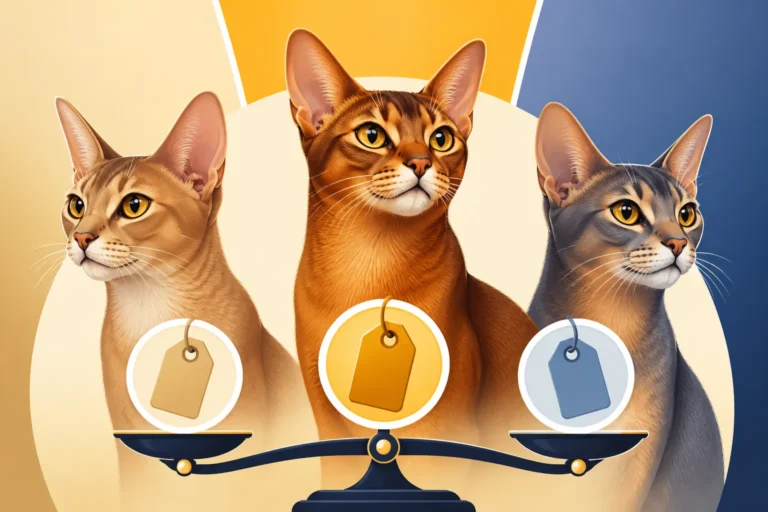
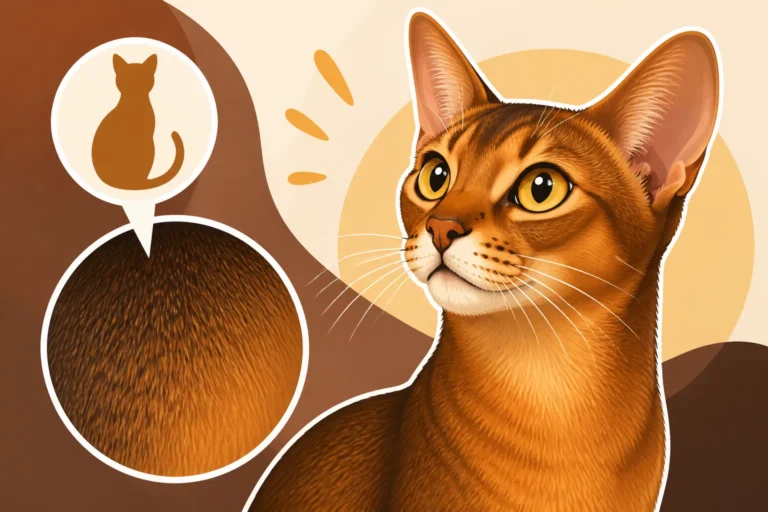
Abyssinian coats are characterized by their unique ticking – each individual hair has bands of color. The standard, and most common, color is Ruddy (sometimes called Usual). Then there's Sorrel (often called Red), and the two dilute colors: Blue and Fawn. Cream is actually a very light version of Fawn, or sometimes a dilute version of Sorrel or Ruddy with additional dilution genes at play. To get these dilute colors, specific recessive genes must be present in both parents. For example, for a Fawn kitten to be born, both parents must either be Fawn themselves or carry the recessive gene for Fawn. If only one parent carries it, you might get a mix of colors, but no Fawn.
Cream is even more complex, often requiring multiple dilution genes to express itself so faintly. This makes it genetically less likely to occur in a typical breeding program compared to Ruddy or Sorrel. Breeders aiming for these rarer dilute colors must carefully select their breeding pairs based on their genetic background, which might involve importing cats with the correct genetic markers or waiting for specific combinations to appear. This careful genetic planning and selection adds to the breeder's investment and, consequently, the kitten's price. You can explore Why Blue and Fawn Abyssinians Cost More for additional insights into dilute color pricing.
Why Cream is a Sought-After and Less Common Color
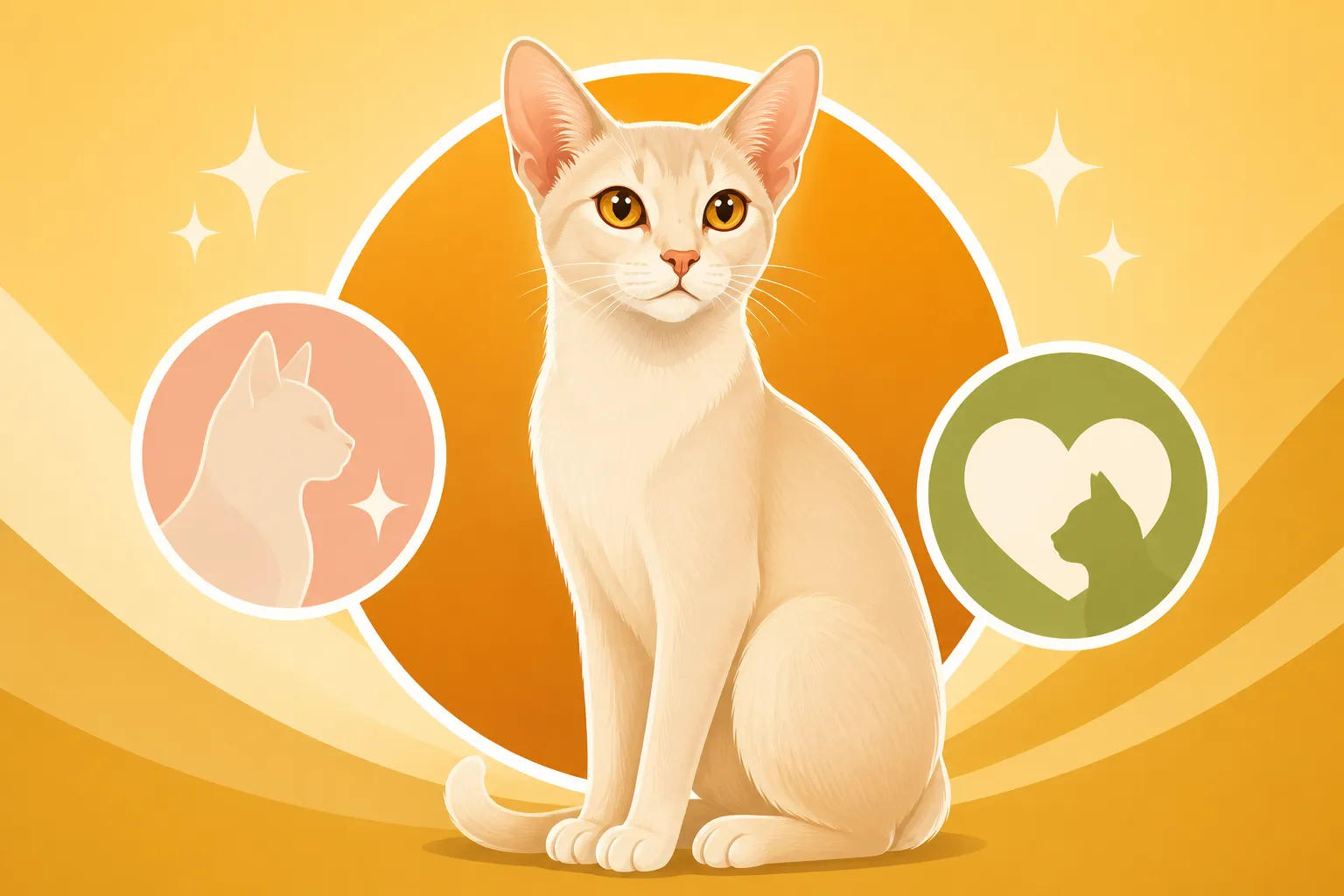
Beyond the genetic hurdles, Cream Abyssinians are simply less common to see, and this rarity naturally drives up demand. While a Ruddy Abyssinian is stunning with its rich, warm brown tones, and a Sorrel Abyssinian glows with fiery copper, a Cream Abyssinian offers a soft, ethereal palette that is truly unique. Their coats are a delicate, pale beige or ivory, sometimes with faint apricot undertones, making them appear almost otherworldly. This distinct aesthetic appeals to many discerning buyers who are looking for something truly special and rare.
Because of this combination of genetic rarity and aesthetic appeal, breeders who successfully produce Cream Abyssinians have a smaller number of kittens available in this specific hue, but a dedicated pool of buyers who are willing to pay a premium. It's a classic case of supply and demand: fewer kittens available in a highly desirable, rare color mean higher prices. The subtle beauty of a Cream Abyssinian is undeniably captivating, and many enthusiasts feel the extra cost is well worth it for such a unique and striking companion. Interestingly, you can read more about How Rare a Fawn Abyssinian Actually Is, which often shares similar genetic scarcity.
The Pricing Ladder: Ruddy to Cream
To give you a general idea, Abyssinian kitten prices often follow a kind of "pricing ladder" based on color and rarity. While there are always variations depending on the breeder, location, and individual kitten quality, you can typically expect Ruddy Abyssinians to be at the lower end of the pedigree price spectrum, as they are the most common color. Sorrel often comes next, being quite popular but still more frequently seen than the dilutes.
Then you move into the dilute colors, Blue and Fawn, which generally command higher prices due to their genetic rarity. Cream, being a particularly light and sometimes complex dilute expression, often sits at the very top of this ladder. It's not just about the color itself, but the challenge and precision involved in breeding for it. A breeder who consistently produces healthy, well-typed Cream Abyssinians has likely invested significantly in their breeding stock and has a deep understanding of Abyssinian genetics. This expertise and the resulting rare beauty contribute directly to why a Cream Abyssinian female reaches those higher price points.
| Abyssinian Color | General Rarity | Typical Price Trend |
|---|---|---|
| Ruddy | Common | Baseline |
| Sorrel | Moderate | Slightly Above Base |
| Blue | Less Common | Higher |
| Fawn | Less Common | Higher |
| Cream | Rare | Premium |
The "Female" Factor: Breeding Potential and Demand
While color certainly plays a role in pricing, the gender of an Abyssinian kitten, particularly a female, also influences the final cost. This isn't just arbitrary; it's rooted in the realities of breeding and the long-term value that a female cat represents, even if she's sold as a pet.
Why Females Often Command a Higher Price
In the world of pedigree cat breeding, females are often considered more valuable than males because they are the cornerstone of a cattery's breeding program. A queen (breeding female) is the one who will carry litters, give birth, and nurse kittens. A male stud cat, while essential, can typically service multiple females, often across different catteries, and his direct care investment per kitten is less intensive than a queen's. Therefore, a breeder's long-term investment in a quality female is substantial.
Even if you're buying a female kitten as a pet and have no intention of breeding, her inherent potential as a future queen impacts her perceived value. When a breeder makes the difficult decision to sell a female kitten, they are letting go of an animal that could, in theory, contribute to their lines. This potential value is reflected in the price. It's not always the case that females are always more expensive, but it's a very common trend, especially for kittens with exceptional lineage or rare color genetics like Cream.
The Non-Breeding Agreement and Spay/Neuter Clauses
For pet-quality kittens, both male and female, reputable breeders almost always sell them on a strict non-breeding agreement. This means that as part of the purchase contract, you agree to have your kitten spayed or neutered by a specific age, typically around six months, and provide proof to the breeder. This clause is in place to protect the breed standard, prevent accidental litters, and ensure that only carefully selected, genetically sound cats are part of future breeding programs. Ignoring this can have serious consequences and is a breach of contract.
While this agreement applies to both genders, the implied value of a female's breeding potential remains a factor in her initial pricing. Sometimes, a breeder might offer a "breeding rights" option, but this is usually at a significantly higher cost, involves extensive vetting of the prospective buyer as a breeder, and is very rarely offered to first-time owners. Understanding What an Abyssinian Contract Restricts is vital, as these clauses protect both the buyer and the future of the breed.
The Value of a Quality Female in a Breeding Program
From a breeder's perspective, a high-quality female Abyssinian is an irreplaceable asset. She represents years of careful lineage selection, health screening, and the hope for future generations. The cost of acquiring a top-tier female breeding cat can be astronomical, factoring in import costs, genetic testing, showing expenses, and the breeder's time and expertise. This investment trickles down into the pricing of her offspring.
When a truly exceptional Cream Abyssinian female kitten is born, even if designated as a pet, the breeder knows her genetic makeup is rare and valuable. They've put in the work to ensure her parents are healthy, beautiful, and carry the desired traits. This immense effort to produce a healthy, rare-colored female is a significant part of why her price can reach figures like twenty-five hundred or even higher. It's not just a cat you're buying; it's the culmination of generations of dedicated breeding and the preservation of a unique genetic line.
Beyond the Purchase Price: Initial Costs and Ongoing Care
While the initial purchase price of a Cream Abyssinian female might seem like the biggest hurdle, it's truly just the tip of the iceberg when it comes to the full financial commitment of cat ownership. Abyssinians are active, intelligent, and can be prone to specific health issues, all of which contribute to ongoing expenses that you need to be prepared for.
First-Year Expenses: Vet, Food, and Setup
Bringing any kitten home involves a flurry of initial expenses, and an Abyssinian is no exception. Beyond the purchase price, you'll immediately face costs for things like their initial vaccinations (even if the breeder provides the first set, boosters are usually needed), microchipping (if not already done), and their first comprehensive vet check-up with your chosen veterinarian. Then there's the setup: quality food bowls, a litter box system (Abyssinians are usually quite particular about their litter), and essential grooming tools like a soft brush or grooming mitt. Don't forget toys – Abyssinians are incredibly playful and will quickly destroy flimsy toys, so investing in durable, stimulating options is wise.
Perhaps one of the biggest initial costs, and then ongoing, is for vertical enrichment. Abyssinians thrive on height. You'll need tall, sturdy cat trees, wall-mounted shelves, and perhaps even a catio if you want to give them safe outdoor access. These items are crucial for their mental and physical well-being. A basic tall cat tree can be a significant investment, and you can learn more about Why an Abyssinian Needs a Tall Cat Tree. Factor in these essential items, and the first few months quickly add up beyond just the kitten's cost.
The Importance of Dental Care for Abyssinians
One area where Abyssinians often incur higher-than-average costs is dental care. They are notably prone to juvenile gingivitis, which can develop into more serious periodontal disease if not managed meticulously. This means that while all cats benefit from regular dental care, it is absolutely non-negotiable for an Abyssinian. You should plan on daily toothbrushing from kittenhood and anticipate regular professional dental cleanings under anesthesia, often annually or bi-annually, starting surprisingly young. These procedures can be quite costly.
Ignoring dental hygiene in an Abyssinian isn't just painful for the cat; it can lead to more severe health issues, including tooth resorption and infections that spread to other organs. The early investment in preventative care, though costly, is far less expensive and stressful than dealing with advanced dental disease or extractions down the line. It's a key reason Why Abyssinian Dental Work Is the Biggest Line in the Budget for many owners.
Planning for Long-Term Health with Insurance and Quality Food
Given the potential for breed-specific health issues and the general unknowns that come with any pet, thinking about long-term health is critical. Pet insurance is a highly recommended investment for an Abyssinian. While the upfront monthly premium might seem like an extra expense, it can be a lifesaver when unexpected illnesses or accidents occur. Companies like Healthy Paws offer various plans that can help mitigate the financial burden of costly veterinary treatments, allowing you to focus on your cat's recovery rather than your wallet.
Beyond insurance, the quality of food you provide throughout your Abyssinian's life cannot be overstated. Abyssinians are active cats with high energy levels, requiring a high-protein, nutritionally dense diet. Investing in premium wet and dry food is essential for their overall health, coat condition, and energy levels. Feeding fresh food or stocking up on high-quality brands can be part of a proactive approach to their dietary needs. This commitment to nutrition contributes to their longevity and overall well-being, potentially fending off some health issues down the road. It’s definitely worth considering Whether Pet Insurance Is Worth It for an Abyssinian.
Spotting Red Flags: When a "Bargain" is Too Good to Be True
The excitement of bringing home a new Abyssinian kitten can sometimes blind prospective owners to warning signs, especially if they encounter what seems like an unbelievably good deal. However, when it comes to a breed as specific and with as many health considerations as the Abyssinian, a "bargain" price almost always comes with hidden, and often heartbreaking, costs.
The Dangers of Untested or Poorly Bred Abyssinians
One of the biggest red flags is a breeder offering Abyssinians at significantly lower prices than the established range, especially without providing proof of health testing for the parents. As we've discussed, responsible breeders invest heavily in DNA tests for PK Deficiency and PRA-rdAc, and carefully screen for renal amyloidosis. If a breeder can't or won't provide verifiable test results, it's a huge warning sign. A cheap kitten from untested parents is a gamble; you might save money upfront, but you could easily end up facing thousands in veterinary bills down the line if your cat develops one of these inherited diseases. Imagine the emotional toll of watching your beloved companion suffer from an illness that could have been screened for.
Poor breeding practices can also lead to a host of other issues beyond specific genetic diseases. Kittens from overcrowded, unsanitary conditions or those not properly socialized often have behavioral problems, fearfulness, or chronic health issues due to stress or early exposure to illness. These are not just inconveniences; they are deeply rooted problems that can affect your cat's entire life and require extensive, costly intervention.
Why Availability and Low Prices Are Warning Signs
When you see multiple Abyssinian kittens readily available, perhaps even for immediate pickup, and at a price considerably below the market average, it should raise a red flag. Reputable Abyssinian breeders typically have waiting lists, and their queens have litters infrequently, ensuring each kitten gets the best care. High availability and low prices are often hallmarks of "kitten mills" or backyard breeders who prioritize quantity over quality and health. These operations often neglect proper veterinary care, genetic screening, and crucial early socialization.
These breeders might also be less discerning about who they sell to, skipping the careful interview process that a responsible breeder will undertake to ensure their kittens go to suitable homes. The lack of a proper contract, health guarantee, or a willingness to let you visit their cattery are all signs that you should walk away, no matter how appealing the price. Remember, the true cost of an Abyssinian includes the breeder's dedication to its well-being.
How to Vet an Abyssinian Breeder Before Paying
Before you even consider putting down a deposit, you need to thoroughly vet any prospective Abyssinian breeder. Start by asking specific questions about their breeding practices, their cats' health, and their philosophy on raising kittens. A good breeder will be open, transparent, and happy to share information. They should provide proof of genetic testing for both parents, details about their lines' history regarding conditions like renal amyloidosis, and discuss the kitten's veterinary care and socialization process. Don't be shy about asking Which Questions to Ask an Abyssinian Breeder First.
Always ask for references, and if possible, visit the cattery in person. A clean, spacious, and stimulating environment where the cats are clearly well-loved and socialized is a good sign. Observe the demeanor of the parent cats and the kittens. They should be outgoing, friendly, and healthy-looking. A reputable breeder will also be keen to interview you, ensuring that their kittens are going to loving, appropriate homes. This thorough vetting process, while time-consuming, is your best defense against purchasing an unhealthy or poorly socialized kitten and ultimately protects you from future heartache and unexpected expenses.
Disclaimer
This article is for general informational purposes only and does not constitute professional advice. Laws, prices and regulations vary by location and change over time. Consult a qualified professional for guidance on your specific situation.