Why an Abyssinian Guarantee Usually Excludes Amyloidosis
It's a devastating moment for any Abyssinian owner when their vibrant, active cat begins to show signs of kidney trouble, and the diagnosis comes back as renal amyloidosis. Many of us, having done our due diligence, purchased our beloved felines from reputable breeders with health guarantees, only to find that this specific, heartbreaking condition is often explicitly excluded. This guide aims to unpack the complex reasons behind this common exclusion, offering insight into why this particular disease presents such a unique challenge for breeders and owners alike.
The Elusive Nature of Abyssinian Renal Amyloidosis
Renal amyloidosis is a quiet, insidious foe, a disease that doesn't announce its arrival with a clear genetic marker or a sudden, dramatic symptom. Its very nature makes it incredibly difficult to predict, prevent, or even detect in its early stages, which puts breeders in an impossible position when it comes to offering guarantees.
What Exactly is Renal Amyloidosis?
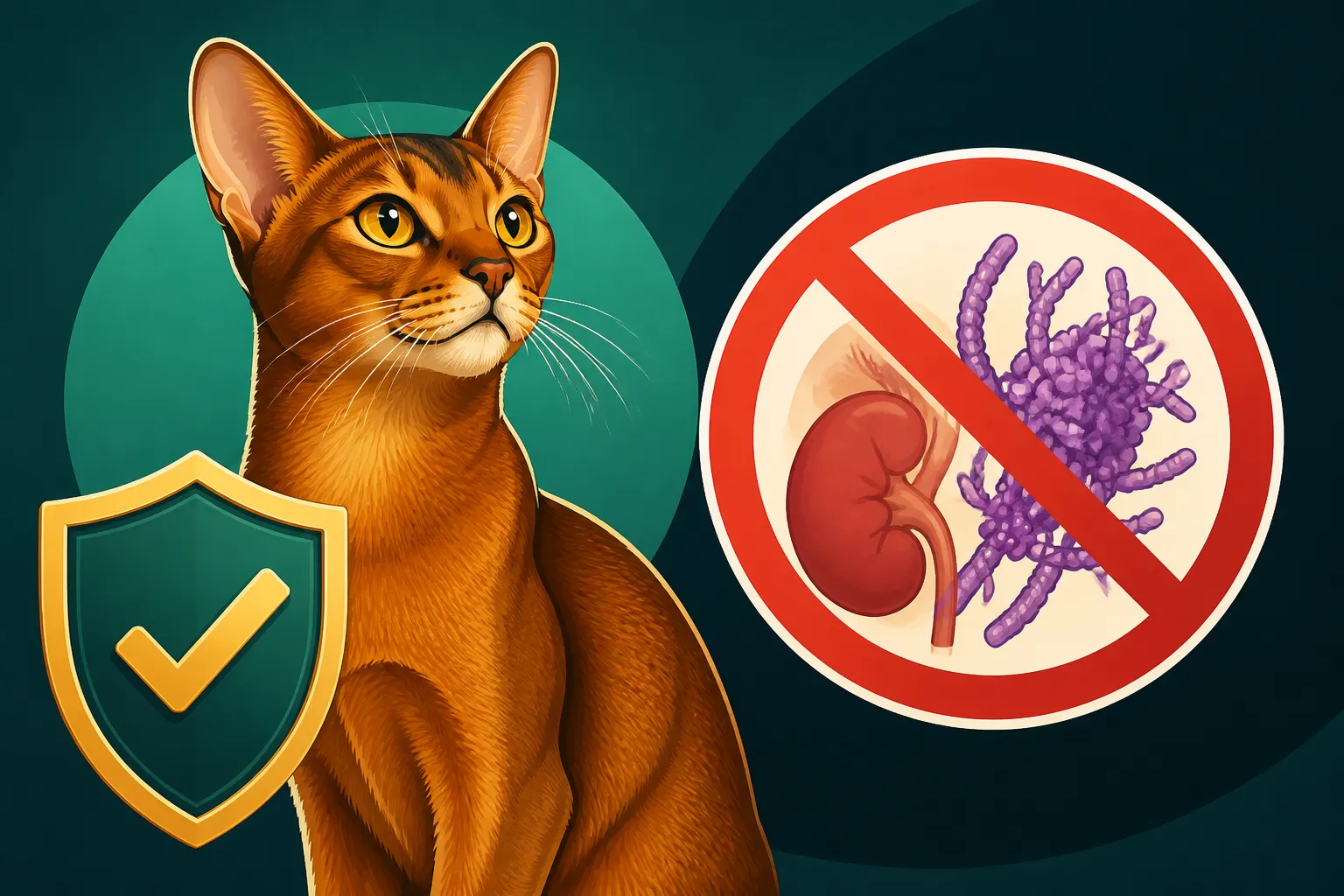
At its core, renal amyloidosis in Abyssinians is a condition where abnormal proteins, called amyloid fibrils, accumulate in various tissues and organs. While it can affect several parts of the body, it most commonly targets the kidneys in our Abyssinians. Imagine these amyloid proteins as tiny, sticky invaders that slowly but surely clog up the delicate filtering structures of the kidneys. Over time, these deposits build up, disrupting the normal function of the kidney cells and eventually leading to kidney failure. It’s not just a minor issue; it’s a systemic problem that attacks the very organs responsible for filtering waste from the blood, essential for life itself. This slow, progressive damage means that by the time overt symptoms appear, the disease has often advanced significantly. We've gone into more detail about what this substance is and its impact in What Amyloid Is and Why It Reaches Abyssinian Kidneys.
Why There's No Definitive Gene Test
One of the biggest frustrations for Abyssinian breeders and owners alike is the lack of a simple, clear-cut genetic test for amyloidosis. For other inherited conditions that affect Abyssinians, like Pyruvate Kinase Deficiency (PKD) or Progressive Retinal Atrophy (PRA-rdAc), we have DNA tests that can definitively tell us if a cat is clear, a carrier, or affected. This makes breeding programs straightforward: test the parents, and you know the risk.
However, amyloidosis is what scientists call a "polygenic" disease. This means it's not caused by a single, identifiable mutation on one gene. Instead, it's believed to involve multiple genes interacting with each other, and potentially with environmental factors, to determine a cat's susceptibility. This genetic complexity is like trying to solve a puzzle with a thousand tiny, identical pieces – it's incredibly difficult to isolate the exact combination that leads to disease. Because of this, there's no magic swab test that a breeder can send to a lab to say, "This cat will or won't get amyloidosis." This fundamental difference is a primary reason why it's so challenging to guarantee against the condition. You can read more about this specific challenge in Why No Gene Test Exists for Abyssinian Amyloidosis.
The Challenge of Early Detection
Adding to the complexity, amyloidosis is a master of disguise in its early stages. Abyssinians are notoriously stoic cats, brilliant at hiding illness until they are quite unwell. The initial signs of kidney disease, such as subtle increases in thirst or changes in appetite, are often so vague and non-specific that they can be easily missed or attributed to something minor. You might just notice your usually exuberant Abyssinian being a little quieter than usual, or perhaps drinking a bit more, but nothing overtly alarming.
This silent progression means that by the time clear, undeniable symptoms like significant weight loss, lethargy, or vomiting appear, a substantial amount of kidney damage has already occurred. The kidneys have an amazing reserve capacity, meaning they can continue to function relatively well even when a significant portion of their tissue is compromised. This biological safeguard, while helpful in the short term, unfortunately delays diagnosis until the disease is well advanced, making treatment more challenging and outcomes less favorable. It’s a cruel irony that their natural resilience can inadvertently mask the severity of the problem. If you're wondering how early signs might manifest, take a look at How Early an Abyssinian Can Show Kidney Signs.
The Practical Realities for Abyssinian Breeders
For breeders striving to produce healthy, well-socialized Abyssinians, the existence of amyloidosis presents a unique ethical and logistical dilemma. Without a clear genetic test or predictable onset, the idea of offering a blanket guarantee becomes fraught with risk and impracticality.
The Unpredictability of Onset and Severity
Imagine trying to guarantee a health condition that could manifest anywhere from two years old to twelve years old, with varying degrees of severity. That's the reality of renal amyloidosis. Some Abyssinians may succumb to the disease in their prime, experiencing rapid decline, while others might carry the genetic predisposition but live long, full lives, only showing signs in extreme old age, if at all. This highly unpredictable onset makes it nearly impossible for a breeder to offer a meaningful, fair guarantee. If a breeder guarantees a kitten for, say, the first year or two against genetic disease, and amyloidosis often doesn't show up until years later, that guarantee becomes hollow. Conversely, a guarantee spanning many years would expose breeders to an immense, unpredictable financial and emotional burden, making breeding a rare and specialized cat like the Abyssinian financially unsustainable for many dedicated individuals. You can learn more about the variability in onset in How Young an Abyssinian Can Lose Its Kidneys.
Relying on Pedigree and Family History
Since there's no direct test, responsible Abyssinian breeders must fall back on the painstaking work of meticulously tracking the health and lifespan of every cat in their breeding lines. This means digging deep into pedigrees, often spanning four or more generations, to identify any patterns of kidney disease, particularly those suggestive of amyloidosis. It involves maintaining open communication with owners of previous kittens, carefully recording causes of death, and understanding the longevity of ancestors.
This reliance on family history, while crucial, is an imperfect science. A cat could be a carrier of the predisposition but live a long life due to other genetic factors or environmental influences, masking its potential to pass on risk. A breeder might breed a pair whose parents lived to a ripe old age, only to find that some of their offspring develop amyloidosis. It requires a profound commitment to record-keeping, honesty, and a willingness to remove lines that show a consistent pattern of early onset kidney disease, even if those cats are otherwise excellent examples of the breed. This dedication to lineage health is why Why Abyssinian Lines Are Judged on Family History Instead is such a critical consideration. Breeders also often pool information to help prevent further spread, something explored in Why Abyssinian Breeders Track Kidney Deaths by Line.
The Financial Burden of Guarantees
Consider the financial implications if every Abyssinian breeder were to offer a full guarantee against amyloidosis. The costs associated with diagnosing and managing chronic kidney disease are substantial. This can include specialized prescription diets, medications, frequent veterinary visits, and potentially advanced treatments like subcutaneous fluids administered at home. If a breeder were on the hook for these expenses, which could easily run into thousands over a cat's lifetime, it would necessitate a massive increase in kitten prices to cover such extensive potential liabilities. This would push the cost of an Abyssinian kitten out of reach for many prospective owners, inadvertently undermining the breed itself.
Moreover, the emotional toll on breeders who pour their hearts into raising healthy kittens, only to face the possibility of a lifetime of financial responsibility for an incurable, unpredictable disease, would be immense. It's a risk most breeders simply cannot absorb while still operating ethically and sustainably. Therefore, the exclusion isn't about avoiding responsibility; it's a pragmatic recognition of the disease's challenging nature and the financial realities of breeding.
What Owners Can Do and What to Expect
Even without a breeder's guarantee for amyloidosis, there are significant steps prospective and current Abyssinian owners can take to mitigate risk, support their cat's health, and prepare for potential challenges.
Asking the Right Questions Before You Buy
When you're looking for an Abyssinian kitten, your relationship with the breeder is paramount. Since there's no specific test for amyloidosis, your best defense lies in thorough inquiry and choosing a breeder who is transparent and ethical. Don't be afraid to ask direct, uncomfortable questions. Inquire specifically about the health history of the kitten's parents, grandparents, and even great-grandparents. Ask if there have been any instances of kidney disease, and specifically amyloidosis, in their lines. A good breeder won't shy away from these questions; they'll likely have extensive records and will be willing to discuss the challenges openly.
They might tell you about a distant relative who succumbed to it or explain the steps they take to breed away from known lines with a history of early onset disease. Look for a breeder who emphasizes the overall longevity of their cats and openly discusses potential genetic risks in the breed. This transparency is a far more valuable "guarantee" than a piece of paper that skirts the issue. Learning about What an Abyssinian's Grandparents Reveal About Its Kidneys can provide significant peace of mind.
Proactive Veterinary Care and Monitoring
For your Abyssinian, proactive veterinary care is your most powerful tool against renal amyloidosis. Regular annual check-ups are vital, even when your cat seems perfectly healthy. Discuss kidney health with your veterinarian and ask about advanced blood tests that can detect subtle changes earlier than traditional screenings. Specifically, inquire about the SDMA (Symmetric Dimethylarginine) test. This blood test is a game-changer because it can detect kidney dysfunction much earlier than creatinine, often when as little as 25% of kidney function is lost, compared to creatinine which usually only flags an issue after 60-75% loss. This early detection buys you precious time to implement supportive care and dietary changes. We discuss SDMA in more detail in How the SDMA Value Reads on an Abyssinian.
Beyond testing, focus on excellent hydration. Abyssinians are typically good drinkers, but ensure multiple fresh water sources, including fountains, are available. A diet rich in high-quality wet food is also beneficial for kidney health, as it significantly increases water intake compared to an exclusively dry kibble diet. If your vet recommends a specialized renal diet, it can be critical for managing kidney issues. Maintaining a healthy weight and ensuring appropriate nutrition are foundational to your Abyssinian's long-term well-being. Keeping an eye on Which Blood Values Catch an Abyssinian's Kidneys Early is essential for early intervention.
The Role of Pet Insurance
Given the unpredictable nature and potentially high costs associated with chronic diseases like amyloidosis, pet insurance can be an invaluable safety net. However, it's crucial to understand how it works. Most pet insurance policies, including those from providers like Healthy Paws, operate on the principle of covering new illnesses or accidents. They typically do not cover pre-existing conditions. This means if your Abyssinian is diagnosed with kidney disease before you enroll them, or within the policy's waiting period, amyloidosis would likely be excluded from coverage.
Therefore, the best strategy is to secure pet insurance when your Abyssinian is a young kitten, ideally before their first birthday, and certainly before any health issues might arise. Take the time to compare different policies, understanding what they cover, their deductibles, reimbursement percentages, and any annual limits. While no insurance can guarantee your cat's health, it can certainly cushion the financial blow if your beloved Abyssinian does face a long-term illness like amyloidosis. The question of Whether Pet Insurance Is Worth It for an Abyssinian is one many owners grapple with, but for conditions like this, it can be a lifesaver.
In conclusion, the exclusion of renal amyloidosis from Abyssinian health guarantees is a frustrating reality for many owners, but it stems from the complex and elusive nature of the disease itself. Without a definitive genetic test, predictable onset, or clear early symptoms, breeders face an impossible task in offering a comprehensive guarantee. As owners, our best approach is to partner with transparent breeders, engage in proactive veterinary care, and consider the financial protection offered by pet insurance to ensure our energetic, affectionate Abyssinians live the healthiest, happiest lives possible.
Disclaimer
This article is for general informational purposes only and does not constitute professional advice. Laws, prices and regulations vary by location and change over time. Consult a qualified professional for guidance on your specific situation.