Why Abyssinian Prices Vary by Color
It's a common misconception that all Abyssinian kittens, regardless of their stunning appearance, fetch a similar price. The truth is, if you've been doing your research, you've likely noticed that the price tag on an Abyssinian can fluctuate quite a bit, and often, the color of the kitten plays a significant role in that variation. This comprehensive guide will explore the fascinating reasons behind these pricing differences, from the genetics of their unique coats to the dynamics of breeder demand and the overall investment in these magnificent felines.
Understanding the Core Abyssinian Colors and Their Rarity
The Abyssinian breed is renowned for its striking ticked coat, where each individual hair carries multiple bands of color. This agouti ticking is what gives them that wild, shimmering look, unlike the striped tabby patterns seen in many other breeds. While all Abyssinians share this unique coat structure, the base colors themselves are what truly differentiate them and often influence their price.
The Ruddy Abyssinian: The Foundation Color
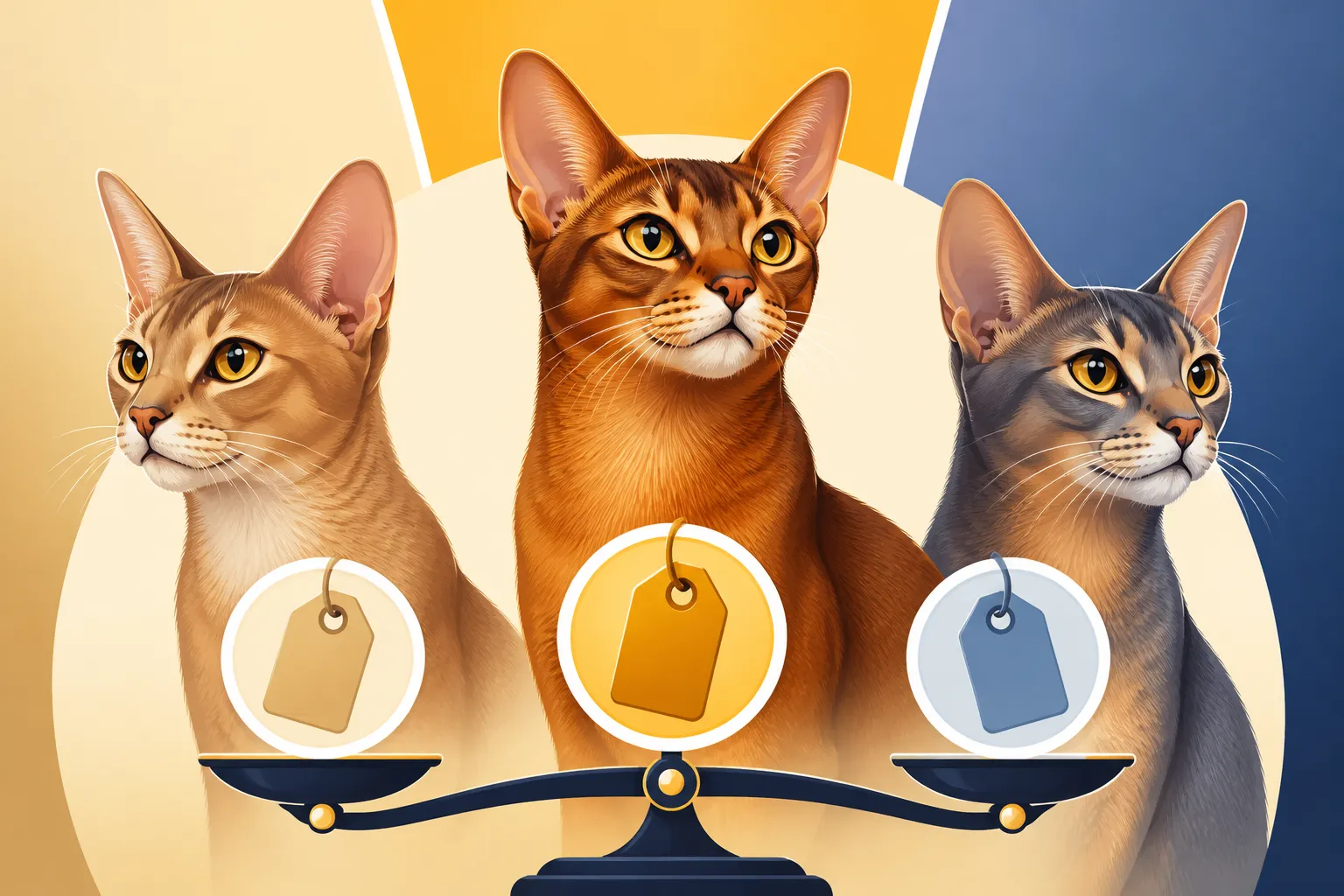
The ruddy Abyssinian is often considered the "original" or "usual" color, echoing the wild ancestors from which the breed is believed to have descended. This classic hue features warm, reddish-brown ticking with darker brown or black bands. Their undercoat is typically a rich apricot or orange. When you see a ruddy Abyssinian, you’re seeing the color that first captivated cat fanciers and established the breed's iconic look.
Because ruddy is the most common and historically significant color, it tends to be more readily available from breeders. This isn't to say it's any less beautiful or desirable, but simply that the supply often meets the demand more consistently. As a result, you might find that How Much a Ruddy Abyssinian Costs is generally at the lower end of the Abyssinian price spectrum compared to its rarer counterparts. It’s a wonderful entry point for many looking to welcome an Aby into their home, offering all the vibrant personality without the premium often associated with more unusual colorations.
Sorrel: The Warm, Cinnamon Hue
Sorrel, sometimes referred to as 'Red' in some registries, presents as a beautiful, warm cinnamon or copper color with chocolate-brown ticking. The undercoat often has a deep apricot tone, giving the cat an overall glowing appearance. Sorrels are truly captivating, with their rich, reddish-orange coats that seem to burnished by the sun. This color came about through genetic mutation from the ruddy, making it a distinct and equally stunning variation.
The popularity of sorrel Abyssinians has grown steadily over the years. While not as historically ubiquitous as ruddy, they are a well-established and beloved color in the breed. Their striking warmth and vibrant hue make them very appealing to many prospective owners. Because they are a bit less common than ruddy but still widely recognized and bred, you might find that Why a Sorrel Abyssinian Is Priced Differently than a ruddy, often placing it in the mid-range of Abyssinian pricing. The demand for sorrels is consistently high, reflecting their undeniable charm and beauty.
Blue: The Elegant Dilution
Blue Abyssinians are a true spectacle, often surprising those who expect a vibrant primary color. Here, "blue" refers to a soft, warm blue-grey ticked with a darker slate grey or blue. The undercoat typically ranges from cream to tan, which provides a lovely contrast. This color is a diluted form of ruddy, meaning the genes responsible for the ruddy color have been "diluted" to create a softer, more muted shade. They possess a sophisticated elegance that is quite breathtaking in person.
The genetics behind the blue coloration make it less common than ruddy or sorrel. Dilution genes must be present in both parents to produce blue offspring, and a breeder focusing on these specific genetics might have fewer blue kittens in a given litter. This rarity, combined with their unique and elegant appearance, often places blue Abyssinians at a higher price point. If you’re captivated by their serene beauty, you'll discover that How Much a Blue Abyssinian Costs can be a bit more substantial than a ruddy, reflecting the specialized breeding efforts and the lower supply.
Fawn: The Rarest and Lightest Dilution
Fawn is perhaps the most ethereal and arguably the rarest of the four primary Abyssinian colors. It is the diluted form of sorrel, resulting in a soft, rose-beige or mushroom color ticked with a warmer cream or light cocoa. The undercoat is often a pale cream, contributing to its overall delicate appearance. A fawn Abyssinian is truly a vision, often described as having a "melted chocolate" or "lilac" hue, and their subtle beauty is quite unique among cat breeds.
The rarity of fawn Abyssinians stems from the fact that it requires a double dilution – both the dilution gene (from blue) and the sorrel gene. This makes them significantly harder to produce consistently in breeding programs. Breeders dedicated to producing fawns often invest more time, effort, and resources into ensuring the correct genetic pairings. Consequently, the demand for these exquisitely rare cats often outstrips the supply, driving their prices higher. If you're wondering How Much a Fawn Abyssinian Costs you should prepare for it to be among the highest for a standard Abyssinian color. This reflects their extreme rarity and the dedicated lineage required to achieve such a delicate hue. This is why How Rare a Fawn Abyssinian Actually Is cannot be overstated; they are truly a special find.
The Influence of Demand and Breeding Programs on Pricing
Beyond the inherent rarity of a color, the economics of supply and demand, coupled with the intricate work of dedicated breeders, play a huge role in how Abyssinian prices are determined. It's not just about what a kitten looks like, but the journey it took to get there.
Breeder Specialization and Color Focus
Many Abyssinian breeders develop a particular specialization, often focusing on certain colors or lines to achieve specific show qualities or temperaments. A breeder might, for example, be known for producing exceptional ruddy Abyssinians with perfect ticking, or they might dedicate their program to perfecting the challenging genetics of blue or fawn. This specialization requires a deep understanding of genetics, careful selective breeding, and often, importing breeding stock from other regions or countries to introduce new bloodlines and specific color genes.
The investment in a specialized breeding program is considerable. It includes the cost of acquiring high-quality breeding cats, extensive health testing – remember, Which Two DNA Tests an Abyssinian Must Have are crucial, alongside other health screenings – and the daily care, feeding, and enrichment for multiple adult cats and their litters. When a breeder has successfully established a reputation for producing outstanding examples of a particular, harder-to-achieve color, the price of their kittens will naturally reflect that expertise, demand, and the consistent quality they deliver. This means that a kitten from a breeder known for their exceptional fawns might command a higher price simply due to the breeder's proven ability to produce that rare color consistently and to a high standard.
Supply and Demand for Specific Colors
It’s simple economics: if more people want a specific color than there are kittens available, the price for that color will go up. As we discussed, fawn Abyssinians are inherently rarer due to the complex genetics involved. This scarcity means that fewer fawn kittens are born each year compared to ruddy or sorrel ones. When a prospective owner has their heart set on a specific, rarer color like fawn or blue, they are often willing to pay a premium.
This dynamic creates a waiting list phenomenon for certain colors. Families eager for a blue or fawn Abyssinian might wait a year or more for a suitable kitten, demonstrating the intense demand. Breeders, in turn, adjust their pricing to reflect this market reality and the extensive efforts involved in maintaining lines that produce these less common colors. While a ruddy Abyssinian is stunning, the sheer volume of them available means the supply better matches the general demand, thus influencing its typically lower price point. It’s not a judgment of beauty or quality, but a reflection of availability versus desire.
Show Potential vs. Pet Quality and Color
The price of an Abyssinian kitten is also heavily influenced by its potential. A "pet quality" kitten is one that might have a minor fault according to the breed standard – perhaps a slight barring on its legs, an eye color that isn't quite the perfect gold or green, or ears that are set a fraction too close. These are purely cosmetic issues that have no impact on the cat's health or wonderful personality, making them ideal companions. You can learn more about What a Pet Quality Abyssinian Sells For, and generally, these kittens are more affordably priced because they won't be competing in the show ring.
On the other hand, a "show quality" kitten is one that closely adheres to the breed standard, exhibiting exceptional ticking, perfect conformation, and ideal color saturation. These kittens are destined for the show circuit and often carry a significantly higher price tag. Breeders invest tremendous effort into producing show-quality cats, carefully selecting breeding pairs to enhance desirable traits and eliminate faults. The rarity of a specific color, combined with exceptional show potential, can push prices to their peak. For example, a blue Abyssinian with impeccable show potential will naturally be priced much higher than a pet-quality ruddy. This is because the breeder has not only managed to produce a rarer color but has also achieved a high level of breed conformity within that color. Understanding What a Show Quality Abyssinian Sells For helps frame why prices can swing so widely.
Beyond the Four Core Colors: Silver and Other Variations
While ruddy, sorrel, blue, and fawn are the universally recognized colors for Abyssinians, there are other captivating variations that can occasionally be found, and their rarity and acceptance by cat registries can significantly impact their pricing.
The Allure of Silver Abyssinians
Silver Abyssinians are a striking sight, featuring a clear, unticked silver undercoat with black or blue ticking on the ruddy or blue silver variations, respectively. It’s like a layer of frost over their already beautiful coats, giving them a distinct shimmering effect. The silver gene, an inhibitor gene, suppresses the warm, ruddy tones in the undercoat, replacing them with pure silver. This creates a high-contrast, almost ethereal look that stands apart from the standard warm-toned Abyssinians.
While incredibly beautiful and increasingly popular, silver Abyssinians are not recognized by all cat registries. The Cat Fanciers' Association (CFA), for example, does not recognize silver as a standard color for the Abyssinian breed, considering it a variation. Other registries, like The International Cat Association (TICA), do accept silver Abyssinians for championship status. This discrepancy in recognition can affect pricing. In areas or with breeders who adhere strictly to registries that do not accept silver, these kittens might be sold as "pet quality" even if they are otherwise perfect, simply because they cannot be shown. However, for those looking for a pet, the allure of silver often means that these kittens can still command a premium due to their unique appearance and relatively limited availability, especially from breeders who specialize in them and adhere to TICA standards.
Non-Standard Colors and Their Market Value
Beyond silver, there are other colors that occasionally appear in Abyssinian lines due to recessive genes or outcrosses, such as chocolate or lilac. These colors are not recognized by any major Abyssinian breed registries (like CFA or TICA) as standard colors for the breed. While they may be genetically interesting, they do not conform to the established breed standard.
Kittens born with these non-standard colors are typically sold as pet-only and are generally priced lower than standard-colored Abyssinians, even those of pet quality. This is because a breeder's goal is usually to produce cats that fit the breed standard, and non-standard colors, while charming, are not desirable for a recognized breeding program. However, sometimes these "unusual" colors can be marketed as "rare" by less reputable breeders, attempting to capitalize on their uniqueness. It's crucial for prospective owners to be aware of what constitutes a recognized Abyssinian color to avoid paying inflated prices for something that is technically a disqualifying fault in the show ring. Always research the breed standard and verify the recognition of colors with official registries.
The Impact of "Rare" Marketing on Price
You might occasionally come across advertisements for "rare" Abyssinian colors, often accompanied by a higher price tag. This can be misleading. While fawn Abyssinians are genuinely rare due to complex genetics, and blues are less common than ruddies, terms like "rare chocolate Abyssinian" or "exotic tortie Abyssinian" should raise a red flag. As mentioned, colors like chocolate or tortie are not part of the recognized Abyssinian breed standard.
Reputable breeders will be transparent about the colors they produce and whether they meet breed standards. They will never try to sell a non-standard color at an inflated price by labeling it "rare." Instead, they will explain why a particular color isn't standard and price it accordingly, usually as a pet-only companion. The impact of such marketing can be significant, as uninformed buyers might pay a premium for a cat that, while perhaps beautiful, does not represent the breed as recognized by major cat associations. Always prioritize breeders who provide transparent information, genetic test results, and clear pedigrees, rather than those who rely on catchy but misleading descriptors.
Factors Beyond Color That Shape an Abyssinian's Price
While color is a strong influencer, it's certainly not the only factor that dictates the final price of an Abyssinian kitten. A responsible breeder considers a multitude of elements that contribute to the quality, health, and lineage of their cats.
Pedigree and Champion Lines
The pedigree of an Abyssinian is a detailed family tree, tracing its ancestry back multiple generations. A strong pedigree, especially one filled with Grand Champions, Regional Winners, or National Winners, signifies a lineage of cats that have consistently met or exceeded the breed standard in conformation and health. Kittens from such esteemed lines often command higher prices. This is because the breeder has invested years, if not decades, in carefully selecting and breeding cats to achieve and maintain these high standards.
Buying a kitten from champion lines means you are getting a cat whose ancestors have been rigorously judged and proven to be excellent examples of the breed. This often translates to kittens with more predictable traits, better health, and excellent temperaments. The breeder’s investment in these top-tier lines—including travel to shows, show entry fees, and the prestige associated with winning—is reflected in the kitten's price. A kitten with a stellar pedigree, regardless of color, represents a significant commitment to preserving and improving the Abyssinian breed.
Health Testing and Guarantees
This is arguably one of the most critical factors influencing an Abyssinian's price, and frankly, it's where you want to see a higher cost. Responsible breeders invest heavily in health testing their breeding cats to screen for genetic diseases common in Abyssinians. Key tests include those for Pyruvate Kinase Deficiency (PKD) and Progressive Retinal Atrophy (PRA-rdAc). These are not cheap tests, and their results ensure that breeders are not knowingly passing on debilitating conditions to future generations.
A breeder who provides comprehensive health guarantees, ensuring their kittens are free from genetic illnesses, is demonstrating a commitment to ethical breeding practices. This involves not only the cost of the DNA tests but also regular veterinary check-ups for the breeding cats, good nutrition, and a clean, healthy environment. The peace of mind that comes with a kitten from extensively health-tested parents is invaluable. Be wary of any breeder offering significantly lower prices without providing proof of parental health screenings; an Untested Abyssinian Is Cheaper for a Reason and could lead to heartbreaking and expensive health issues down the line. A health guarantee often covers a period against specific inherited diseases, giving buyers a safeguard.
Age and Temperament of the Kitten
The age at which an Abyssinian kitten leaves its mother and littermates also impacts its price. Most reputable breeders will not allow kittens to go to new homes before 12 to 14 weeks of age. This extended time with their mother and siblings is crucial for their social development, learning appropriate cat behavior, and establishing a strong immune system. A kitten that is well-socialized and emotionally secure is less likely to develop behavioral issues later on, which is a huge benefit for new owners.
While most kittens are sold at this 12-14 week mark, sometimes older kittens (4-6 months) or even retired adult breeding cats become available. Older kittens might sometimes be slightly discounted if they've stayed with the breeder longer, but this isn't always the case, especially if they are particularly well-trained or have had additional vaccinations. Retired breeding cats, usually spayed or neutered, are often available for a much lower rehoming fee, sometimes just covering their spay/neuter cost. Their price reflects that they are no longer kittens but are usually well-socialized, calm, and have already contributed to the breed's future. Their temperament is already established, making them a wonderful option for those seeking a more mature companion.
The True Cost of Abyssinian Ownership: Beyond the Initial Purchase
It's easy to focus on the initial purchase price of an Abyssinian kitten, but as any seasoned cat owner knows, that's just the tip of the iceberg. The real financial commitment comes with the ongoing care, health, and enrichment these dynamic cats require over their lifetime.
Ongoing Care and Nutritional Needs
Abyssinians are energetic, playful cats with a lean, muscular build. This high metabolism means they often burn more calories than larger, less active breeds. Providing them with a high-quality diet rich in protein is essential for maintaining their health and vibrant coat. This isn't just a matter of tossing any kibble in a bowl; it's about selecting premium wet and dry foods that meet their specific nutritional demands.
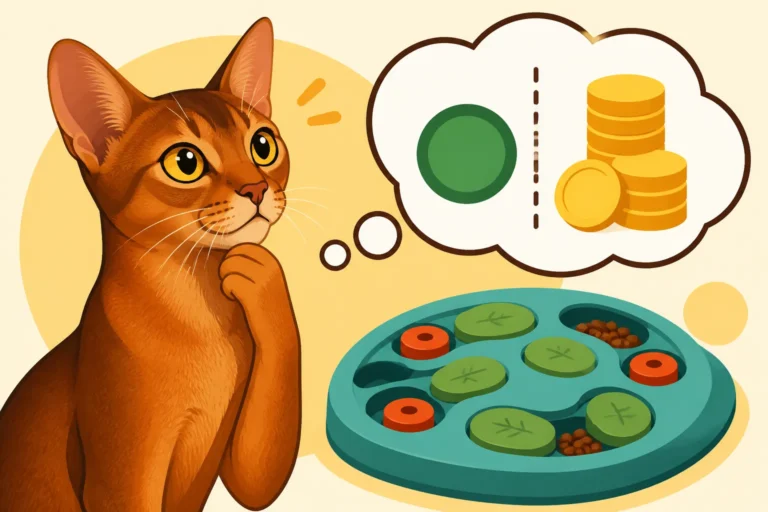
Beyond food, there are ongoing costs for litter, toys (because an Aby can destroy cheap toys quickly!), scratching posts, and mental enrichment tools like puzzle feeders. A well-stocked environment helps channel their boundless energy constructively, preventing boredom-induced mischief. These aren't one-time purchases; they are recurring expenses that add up significantly over the years. Understanding What an Abyssinian Costs to Keep Every Year gives a much more realistic picture of ownership than just the initial price tag.
Veterinary Expenses and Insurance
Even the healthiest Abyssinian kitten will require regular veterinary care throughout its life. This includes annual check-ups, booster vaccinations, parasite prevention, and routine dental cleanings. Abyssinians, unfortunately, are prone to certain dental issues like juvenile gingivitis, which can lead to expensive dental procedures like gingivectomies or extractions if not managed properly. This means Why Abyssinian Dental Work Is the Biggest Line in the Budget is a common refrain among owners.
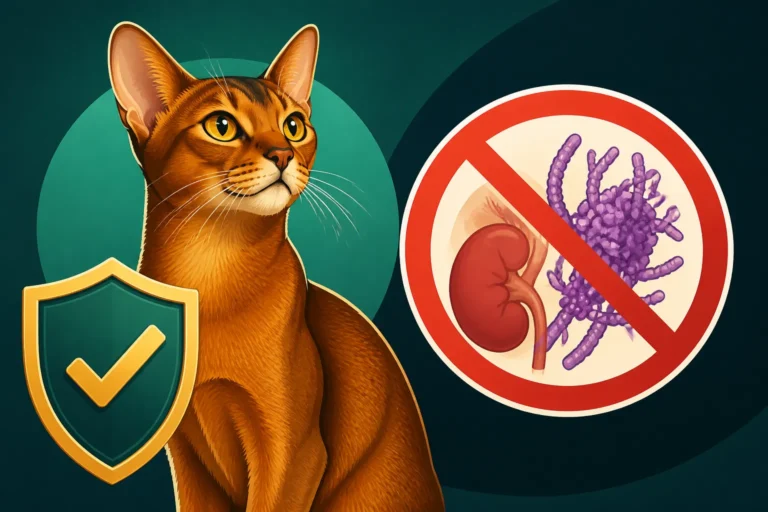
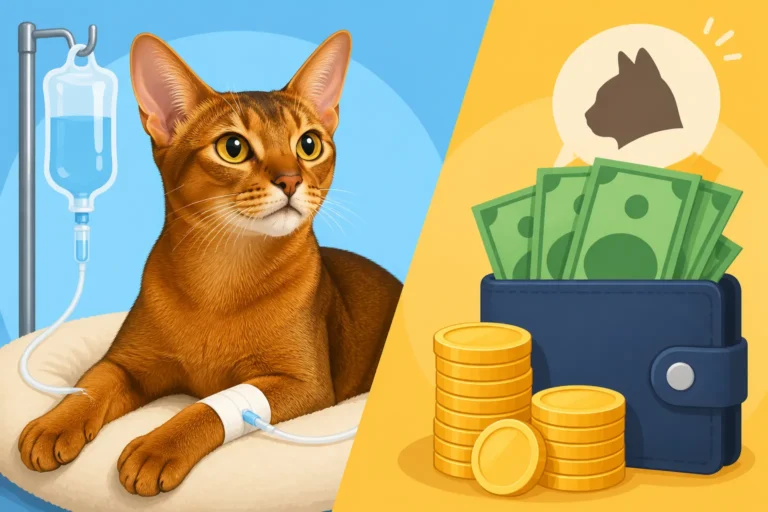
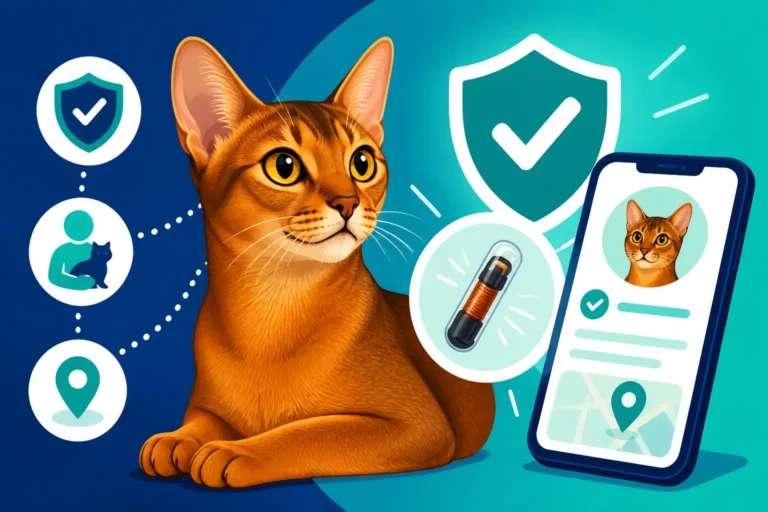
Beyond routine care, unforeseen accidents or illnesses can strike. This is where pet insurance can be a lifesaver. Companies like Healthy Paws offer various plans that can help offset the costs of emergency care, chronic conditions, and even some inherited diseases (if the policy is taken out early enough, before any signs appear). Deciding Whether Pet Insurance Is Worth It for an Abyssinian is a crucial consideration for any prospective owner, especially given the breed's predispositions to conditions like renal amyloidosis, even if there's no genetic test for it. Planning for potential health challenges is a responsible part of Abyssinian ownership. Regular monitoring, including What an Abyssinian's Annual Checkup Costs and yearly blood work as they age, becomes essential for early detection and intervention.
Enrichment and Environment Costs
Abyssinians are not content to simply lounge on a sofa all day. They are highly intelligent, inquisitive, and incredibly agile. To thrive, they need an environment that stimulates both their minds and bodies. This means investing in vertical space – tall cat trees, wall-mounted shelves, and climbing structures – to satisfy their natural instinct to perch and explore from above. These items can be a significant upfront cost, but they are vital for an Aby's happiness and to prevent them from "redecorating" your home in less desirable ways.
Think about how an Abyssinian's mind works. They love to open cabinets, investigate every nook and cranny, and play with water. Childproof latches might become necessary on kitchen cupboards, and sturdy, engaging toys are a must. A household with an Abyssinian often resembles a carefully curated adventure playground. Providing this enriching environment isn't just about fun; it’s about preventing destructive behaviors that stem from boredom or lack of stimulation. The long-term investment in their environment contributes significantly to their overall well-being and prevents costly damages to your home.
| Abyssinian Color | Typical Rarity | General Price Range (Relative) | Key Characteristics |
|---|---|---|---|
| Ruddy | Common | Lower-Mid | Warm brown/red with black ticking, apricot undercoat |
| Sorrel | Mid-Common | Mid | Cinnamon/copper with chocolate ticking, deep apricot undercoat |
| Blue | Less Common | Mid-High | Soft blue-grey with slate grey ticking, cream/tan undercoat |
| Fawn | Rare | High | Rose-beige/mushroom with light cocoa ticking, pale cream undercoat |
| Silver (Ruddy) | Less Common | Mid-High (if recognized) | Clear silver undercoat with black ticking (TICA accepted) |
| Non-Standard | Variable | Lower (pet only) | Not recognized by major registries, often sold as pet quality |
Disclaimer
This article is for general informational purposes only and does not constitute professional advice. Laws, prices and regulations vary by location and change over time. Consult a qualified professional for guidance on your specific situation.