Why an Abyssinian Should Be Registered With Its Chip Company
The thought of your beloved Abyssinian going missing is enough to make any cat owner's heart drop. You've done the responsible thing, perhaps your breeder ensured your kitten was microchipped, or your vet implanted one during a routine visit. That's a huge step towards safeguarding your adventurous feline, but here's the crucial part many owners overlook: a microchip is only truly effective if it's properly registered with its associated chip company. This guide is here to walk you through exactly why that seemingly small step is monumental, and how to ensure your Abyssinian's best chance of coming home if they ever get lost.
The Critical Link: Why Chip Registration is Half the Battle
It's easy to assume that once a microchip is inserted, your work is done. You feel a sense of security knowing that tiny, rice-grain-sized device is under your cat's skin. But that's where a common and deeply frustrating misunderstanding often lies, leaving many owners vulnerable to heartbreak if their cat ever slips out the door.
More Than Just an Implant: What a Microchip Does and Doesn't
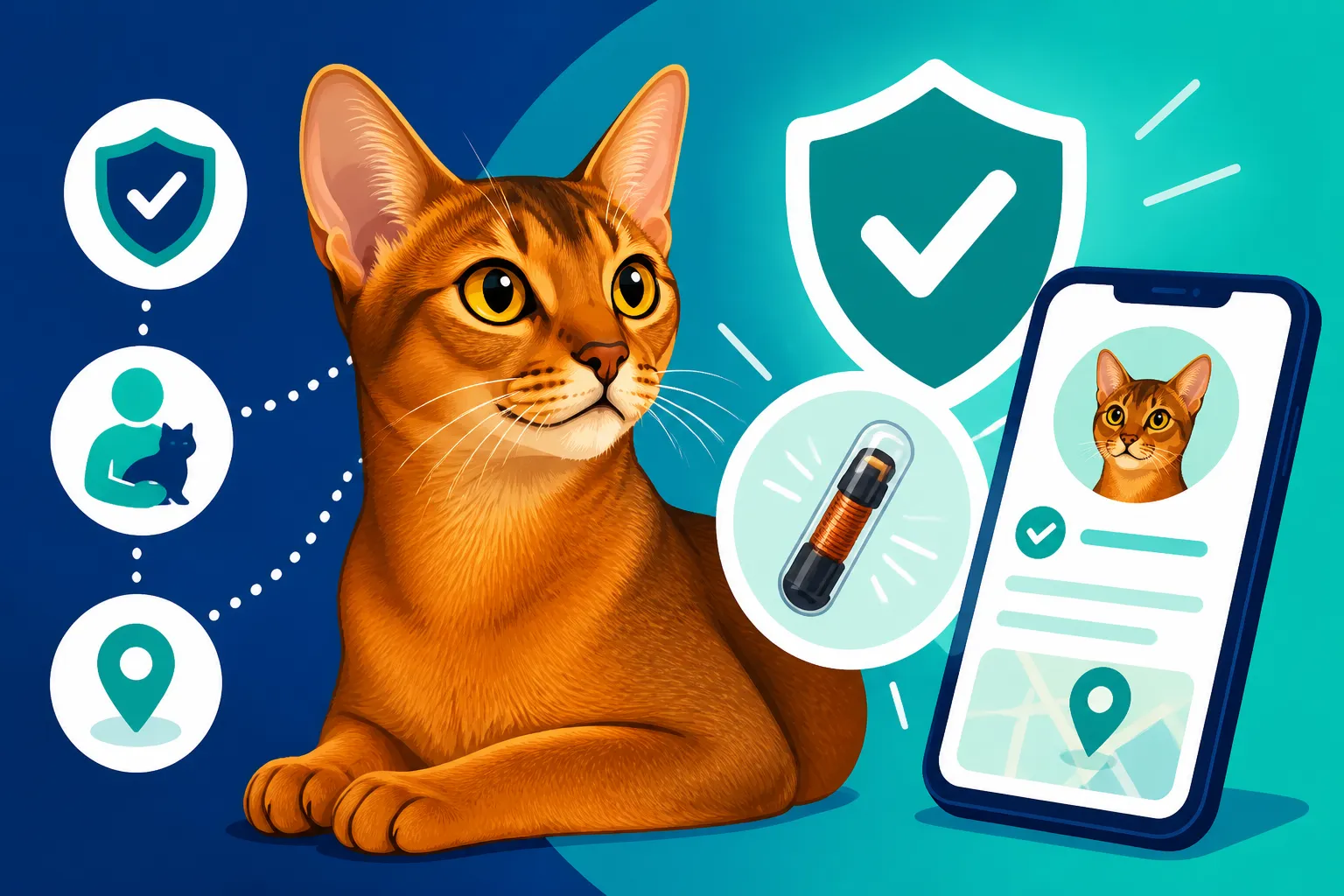
Think of a microchip itself not as a GPS tracker or a digital ID card, but rather as a tiny, unique serial number. When a scanner passes over your Abyssinian's shoulder blades, it reads this 9-to-15 digit number. That's it. The chip doesn't store your name, your phone number, or your address. It simply provides a numerical identifier, much like the Vehicle Identification Number (VIN) on a car. You wouldn't expect a VIN alone to tell someone who owns the car or where they live, right? You'd need a separate registration system.
This is the vital detail that often catches people off guard. They find themselves in a distressing situation where their lost Abyssinian is picked up by a kind stranger or brought into a shelter, the microchip is scanned, and all that comes up is a number. Without that number being linked to your contact information in a corresponding database, the microchip is essentially useless for reunion purposes. The rescuer can't call you, can't email you, can't notify you that your precious cat has been found. It's a dead end, and that's a deeply upsetting scenario for everyone involved.
The Database Dilemma: Why the Chip Company is Key
Here's where the confusion really sets in for many: there isn't just one giant, universal microchip database. While it would certainly simplify things, the reality is a little more fragmented. Most microchips are manufactured by a handful of companies, and each company maintains its own database where that unique chip number is supposed to be registered.
When a shelter, vet, or rescue organization scans a lost pet, they'll get the chip's ID number. The next step is usually to determine which manufacturer produced that particular chip. There are various online lookup tools and professional databases that can help identify the chip company based on the ID number. Once they know the manufacturer, they then go to that specific chip company's database to try and find the owner's contact information. If your Abyssinian's chip isn't registered directly with the company that made it, or if your contact details are outdated, those heroic efforts by the rescuer will unfortunately hit a wall. It's like having a locker with a key, but no record of who the key belongs to. Without that initial registration, the "key" (the microchip ID) doesn't unlock any information.
This often leads to the frustration of finding your cat has a chip, but still ending up in the shelter system for days or weeks while they try to trace records or wait for an owner to come forward. It truly is the critical missing link in the recovery chain.
Navigating the Registration Landscape: Free vs. Paid and National Databases
The world of microchip registration can feel a bit like a maze, with different companies, different types of registration, and varying fees. It’s no wonder so many pet parents feel overwhelmed. But understanding the distinctions is crucial for ensuring your Abyssinian is truly protected.
Understanding Manufacturer Registration: Your First and Most Important Step
When your Abyssinian receives its microchip, whether it's from a breeder or a vet, that chip has a specific manufacturer. This company is the primary keeper of the record for that particular chip number. Registering your cat directly with the manufacturer's database is your absolute first and most important step. Many manufacturers offer a basic, lifetime registration that is often included in the initial cost of the chip, or is a small, one-time fee. This typically allows you to link your name, address, phone number, and email to your Abyssinian's unique chip ID.
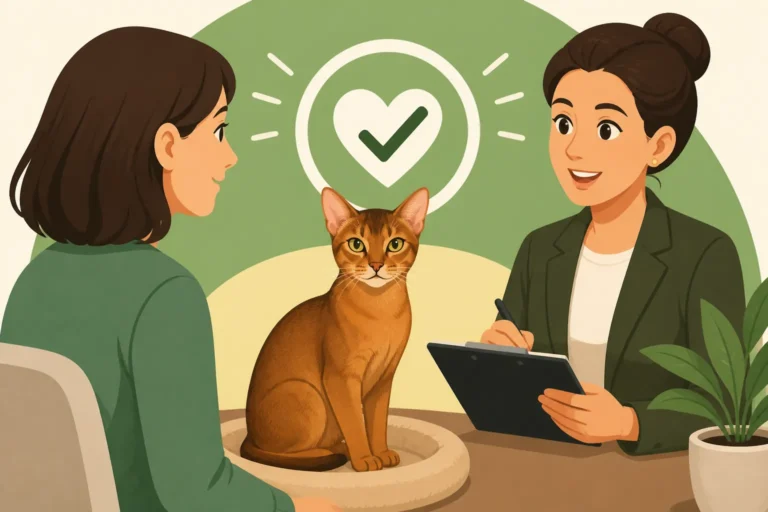
It's vital that you personally confirm this registration, even if your breeder or vet tells you they've handled it. Sometimes paperwork gets lost, or assumptions are made. Take the initiative to call the chip company or visit their website to ensure your details are accurately entered and linked to your Abyssinian's chip number. This is the official record that shelters and vets will turn to first when trying to reunite you with your cat.
The Role of National Pet Recovery Databases
Beyond the manufacturer's database, there are also various national, third-party pet recovery services. These services often provide a centralized database where you can register any brand of microchip. The benefit here is that instead of searching through multiple manufacturer databases, a rescuer can go to one of these national registries, input the chip number, and hopefully find your contact information.
These national registries often offer additional services, like sending out lost pet alerts, creating lost pet posters, or even offering support lines for owners. While they are an excellent secondary layer of protection, they do not replace the need to register with the chip manufacturer. Think of them as a fantastic backup system. If for some reason the manufacturer's database is difficult to access or a rescuer uses a different search method, a national database can still lead them back to you. Many of these services involve a small annual fee to maintain your registration and access their additional benefits, but they are generally seen as a worthwhile investment for the added peace of mind.
Here's a quick comparison to help you understand the roles of each:
| Feature | Chip Manufacturer Database | National Pet Recovery Database |
|---|---|---|
| Primary Function | Links specific chip ID to owner contact | Centralized search for various chip brands |
| Initial Registration | Usually required to activate chip; often free or one-time cost | Optional, often paid annually |
| Data Authority | Sole authority for that chip ID | Aggregates data from various sources; serves as a cross-reference |
| Cost | Often included with chip purchase or small one-time fee | Can be a separate annual fee |
| Importance | Absolutely essential for chip functionality | Highly recommended secondary layer for broader reach and services |
What Happens When Records Don't Match
The agony of a lost pet is compounded when, after being found, they can't be reunited with their family due to incorrect or outdated information. It's a scenario that plays out far too often in shelters. Imagine your spirited Abyssinian, perhaps one known for their curiosity, managed to slip out and was found a few blocks away. How an Abyssinian Learns to Push a Handle Down A good Samaritan takes them to the local vet, the chip is scanned, and your details come up – but it's an old phone number from five years ago, or an email address you no longer check.
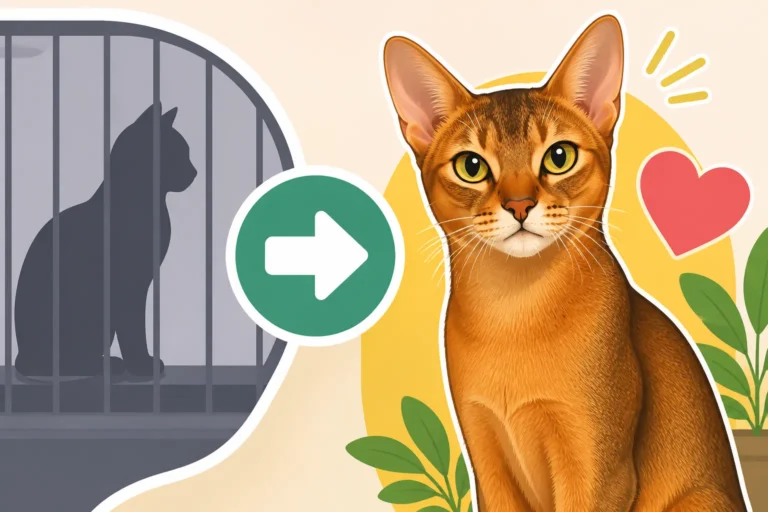
This isn't just an inconvenience; it can mean the difference between a swift reunion and your Abyssinian entering the shelter system as an unclaimed stray. Shelters can only hold animals for a certain period before they become eligible for adoption. If they can't reach you, they have no way of knowing you're desperately searching for your cat. The emotional toll of this kind of disconnect is immense, for both the pet and the owner. This is why regular updates are just as important as the initial registration.
Ensuring Your Abyssinian is Findable: Steps to Take
Now that you understand why registration is so crucial, let's talk about the practical steps you can take to safeguard your Abyssinian. It's about being proactive and establishing habits that protect your cat throughout their life.
The Initial Registration Process: Don't Delay!
When your Abyssinian kitten first comes home, whether from a reputable breeder or a rescue organization, they should ideally already be microchipped. It’s one of the non-negotiables. Which Diseases an Abyssinian Breeder Must Declare However, the responsibility for registering that chip with your current contact information almost always falls to you, the new owner. Do not put this off. In the excitement of bringing home such a lively and engaging companion, it’s easy for this administrative task to get overlooked, but it is truly one of the most important things you'll do for your cat's safety.
You'll need the microchip number, your full name, current address, phone numbers (cell and landline, if you have one), and email address. Most chip manufacturers have online portals or dedicated phone lines for registration. Take a moment, grab the paperwork that came with your kitten, and complete the registration immediately. It often takes less than 15 minutes but provides a lifetime of potential security. If you've adopted an adult Abyssinian, confirm the chip details with the rescue and update them right away. How Long an Abyssinian Takes to Trust a Stranger A well-run rescue will often register the chip in your name as part of the adoption process, but it never hurts to double-check.
Keeping Your Contact Information Up-to-Date
Life happens, right? We move, we change phone numbers, we switch email providers. These seemingly small changes can have massive implications for your Abyssinian's microchip registration. Make it a habit to review and update your contact information with both the chip manufacturer and any national registries whenever you have a life change.
A fantastic way to remember this is to tie it to your Abyssinian's annual vet visit. What an Abyssinian's Annual Checkup Costs When you go in for their yearly check-up, ask the vet to scan the microchip and confirm the number. While you're there, make a note to log into your online registration portal or call the company to verify your details are current. Some pet insurance providers, like Healthy Paws, emphasize preventative care and overall pet wellness, which can serve as a natural reminder to keep all aspects of your pet's identification current. Ensuring your pet's information is correct is a small but mighty act of ongoing care.
Verifying the Microchip's Functionality and Registration
Beyond just registering, it's also a good idea to periodically verify that the microchip is still functioning and that your registration is active. At every vet visit, without fail, request that your vet scan your Abyssinian's microchip. This confirms two things: first, that the chip is still in place and readable, and second, that the number on file with the vet matches the physical chip. Occasionally, chips can migrate slightly (though rarely far enough to be an issue), or in very rare cases, they can fail. A quick scan offers reassurance.
Additionally, don't hesitate to contact the chip company yourself once a year or so. Give them your Abyssinian's chip number and ask them to verify the contact information they have on file for that number. Many companies also have online tools where you can input a chip number and see what information is associated with it (often masking sensitive details for privacy, but confirming a record exists). Taking these proactive steps ensures that if the unthinkable happens, your Abyssinian's microchip will be a direct lifeline back to you.
Beyond the Chip: Comprehensive Lost Pet Prevention and Recovery
While microchip registration is paramount, it’s just one piece of a larger puzzle when it comes to keeping your Abyssinian safe and ensuring their return if they ever go astray. Their spirited nature and insatiable curiosity mean Abyssinians are masters of finding tiny gaps and opportunities for adventure, making prevention and multi-layered protection incredibly important.
The Indoors Advantage: Minimizing Escape Risks for Your Abyssinian
Abyssinians are known for their incredible athleticism and inquisitive minds. The Abyssinian Is the Busiest Cat in the House They will explore every nook and cranny of your home and are surprisingly adept at opening cabinets, pushing screens, and slipping through even small openings. This innate desire to explore means that keeping your Abyssinian strictly indoors is often the safest choice. Why an Indoor Abyssinian Reaches Fifteen More Often Outdoor adventures expose them to countless dangers, from traffic and predators to poisons and disease. Why an Abyssinian Should Not Roam Outdoors
To minimize escape risks, conduct a thorough "Abyssinian-proof" inspection of your home. Ensure all window screens are secure, sliding doors have extra locks, and no one accidentally leaves an exterior door ajar. For those who want to offer a taste of the outdoors safely, a fully enclosed "catio" can be an excellent solution, providing enrichment without the inherent risks of free-roaming. How an Abyssinian Uses a Catio This breed thrives on mental stimulation, so a secure environment filled with climbing opportunities and interactive toys will help satisfy their adventurous spirit from within your home.
Collars, Tags, and Other Identifiers
While microchips are fantastic, they require a scanner. A visible identification collar and tag provide immediate recognition. If your Abyssinian gets out and is found by a neighbor or someone without access to a scanner, a tag can lead to a quick phone call and reunion. Choose a lightweight, breakaway collar designed for cats to prevent strangulation if it gets caught.
On the tag, include your Abyssinian's name and your primary phone number. You might also add "Microchipped" to encourage anyone who finds them to have the chip scanned if they can't reach you. You can find a wide variety of suitable collars and custom tags from pet supply retailers like Chewy. While not a replacement for a microchip, a collar and tag are an invaluable first line of defense, offering immediate visual proof that your Abyssinian is a beloved pet, not a stray.
Community and Local Resources for a Lost Abyssinian
If, despite all your precautions, your Abyssinian does go missing, your local community and resources become critical. Having a plan in place beforehand can save precious time and reduce panic. This includes knowing the contact information for your local animal shelters, humane societies, and veterinary clinics – not just your vet, but all clinics in your immediate area. They are often the first stop for found pets.
Leverage social media by posting clear photos and detailed descriptions of your Abyssinian on local lost pet groups and neighborhood forums. The unique ticked coat and active personality of an Abyssinian often make them recognizable. The Ticked Coat Is the Whole Abyssinian Grooming Job Consider making a “lost pet kit” now, including a recent photo, a description of their temperament (e.g., “friendly but shy”), and your contact info, so you're ready if the worst happens. A steady routine, such as consistent meal times, can also sometimes help a lost cat find their way home, as familiar habits can draw them back. The cost of a lost Abyssinian, in both emotional and potential financial terms, far outweighs the simple act of proper microchip registration. What an Abyssinian Costs Over Fifteen Years
Disclaimer
This article is for general informational purposes only and does not constitute professional advice. Laws, prices and regulations vary by location and change over time. Consult a qualified professional for guidance on your specific situation.