Whether to Adopt an Adult Abyssinian Instead
Choosing a new cat companion can be such an exciting time, and it’s completely natural for our minds to instantly picture a tiny, playful kitten. There's just something about those little fluffballs, isn't there? But when it comes to the highly active, intelligent, and sometimes quite demanding Abyssinian, an adult cat might actually be a much better fit for your lifestyle than you initially imagined. This comprehensive guide will walk you through the often-overlooked joys and practical advantages of bringing an adult Abyssinian into your home, exploring everything from their predictable personalities to the financial realities, and helping you decide if an older, wiser Abyssinian is your perfect match.
Why People Often Seek Kittens First
It's a tale as old as time: when someone decides to get a new pet, the image of a wide-eyed, clumsy kitten often springs to mind first. There’s an undeniable charm to the kitten stage, a sort of blank slate potential that feels incredibly appealing. We imagine watching them grow, shaping their personality from the ground up, and experiencing all those adorable "firsts." For many, the idea of a kitten symbolizes new beginnings, endless energy, and a clean slate, particularly when considering a pedigree breed like the Abyssinian.
The Allure of the Kitten Stage
The draw of a kitten is powerful. They're small, incredibly cute, and their antics can be endlessly entertaining. There’s a certain romance to the idea of raising a tiny creature, nurturing it, and watching it blossom into adulthood. People often feel that a kitten will bond more strongly with them, having known no other home. This perception leads many to instinctively search for the youngest possible Abyssinian, hoping to capture that fleeting period of tiny paws and boundless curiosity. We envision those adorable sleepy moments, the clumsy play, and the way they fit so perfectly in the crook of your arm.
However, while kittens are undoubtedly delightful, they also come with a significant amount of work and uncertainty. Their personalities are still forming, their habits are not yet established, and they require intensive socialization and training. For an Abyssinian, this "blank slate" can be particularly intense.
The Reality of an Abyssinian Kitten's Energy
If you've ever spent time around an Abyssinian kitten, you know that "boundless energy" is actually an understatement. These aren't your typical placid kittens that spend most of their day napping. Abyssinian kittens are miniature bundles of dynamite, constantly exploring, climbing, and getting into everything. They require constant supervision, endless playtime, and a home that is thoroughly kitten-proofed, often to an extreme degree. Their intelligence means they learn quickly – sometimes too quickly for their owners' peace of mind – how to open cabinets, scale shelves, and explore every nook and cranny.
This high-octane energy can be exhilarating, but it can also be utterly exhausting for new owners. The dream of a quiet, cuddly kitten can quickly be replaced by the reality of a whirlwind of fur that needs to be entertained, redirected, and kept out of trouble almost every waking moment. It's a huge commitment, and not every household is prepared for the sheer intensity of an Abyssinian kitten's early months.
Why an Abyssinian Kitten's First Year Looks Like
The first year of an Abyssinian's life is a whirlwind of development and activity. They go from tiny, fragile newborns to sleek, agile adolescents who are testing every boundary. It's a period of rapid growth, both physically and mentally. During this time, they need consistent training, socialization with various people and experiences, and an incredible amount of enrichment to prevent boredom and destructive behaviors. Think of it as raising a very smart, very active toddler who can jump onto your highest bookshelves.
Owners often find themselves needing to teach their Abyssinian basic manners, appropriate play, and how to interact with household members. This also involves regular vet visits for vaccinations and check-ups, and establishing a rigorous dental care routine early on. It's a foundational year that sets the stage for their adult life, demanding dedication and patience. For a deeper dive into what to expect during this busy period, you might find our article on Why an Abyssinian Kitten's First Year Looks Like particularly insightful.
The Unique Benefits of Adopting an Adult Abyssinian
While the allure of a kitten is undeniable, an adult Abyssinian offers a host of incredible advantages that are often overlooked. Imagine skipping the frantic kitten phase, the sleepless nights, and the constant worry about what new mischief they'll get into next. Adopting an adult Abyssinian allows you to bring a fully formed, often well-socialized, and incredibly loving companion directly into your life without much of the initial guesswork.
Predictable Personality and Temperament
One of the biggest benefits of adopting an adult Abyssinian is that their personality is already well-established. What you see is truly what you get. When you visit a rescue or a foster home, you can observe their actual temperament, how they interact with people, other cats, and even dogs, and understand their energy levels. Do they prefer to perch quietly and observe? Are they a vocal chatty cat? Do they love to play fetch for hours, or are they more content with interactive toys and a good window view? This predictability removes a huge amount of the uncertainty that comes with a kitten, whose personality is still very much a work in progress.
This means you can choose an Abyssinian whose disposition genuinely matches your household's dynamics and your own lifestyle. If you're looking for a slightly calmer, though still active, companion, you can find one. If you want a constant shadow, a cat who thrives on being involved in everything you do, you can seek that out too. The guesswork is largely eliminated, leading to a much more harmonious match from day one.
Reduced Training and Socialization Needs
Adult Abyssinians often come with a significant head start in the "good citizen" department. Many have already been litter box trained, understand basic house rules, and are past the destructive chewing and frantic climbing stages that are common with kittens. They may have lived in a variety of homes, experiencing different sights, sounds, and people, which means they're often more resilient and adaptable to new environments.
While any cat benefits from continued enrichment and positive reinforcement, an adult Abyssinian won't require the same intensive socialization schedule as a kitten. They've likely already learned how to coexist with humans, use scratching posts, and understand what "no" means (even if they occasionally choose to ignore it!). This means you can focus more on bonding and enjoyment, rather than constantly managing puppy-like behaviors. If you're interested in continued engagement, clicker training can still be a fantastic way to bond and stimulate an adult Abyssinian's intelligent mind, as explored in Which Tricks an Abyssinian Learns Fastest.
Immediate Companionship
There's something incredibly special about the instant bond you can form with an adult Abyssinian. They are often incredibly grateful for a second chance at a loving home, and their affection can be profound. Unlike a kitten who is still discovering the world and may be more interested in playing than cuddling, an adult Abyssinian is often ready to settle in and become a devoted companion right away. They've learned the value of a warm lap (even if they prefer your shoulder) and a gentle touch.
Many adult Abyssinians thrive on human interaction and will quickly integrate themselves into your daily routines. They'll follow you from room to room, "help" you with chores, and provide that constant, engaging presence that is so characteristic of the breed. You don't have to wait months for them to mature; you get to experience the full, rich companionship of an Abyssinian from the moment they walk through your door.
Understanding an Adult Abyssinian's Background
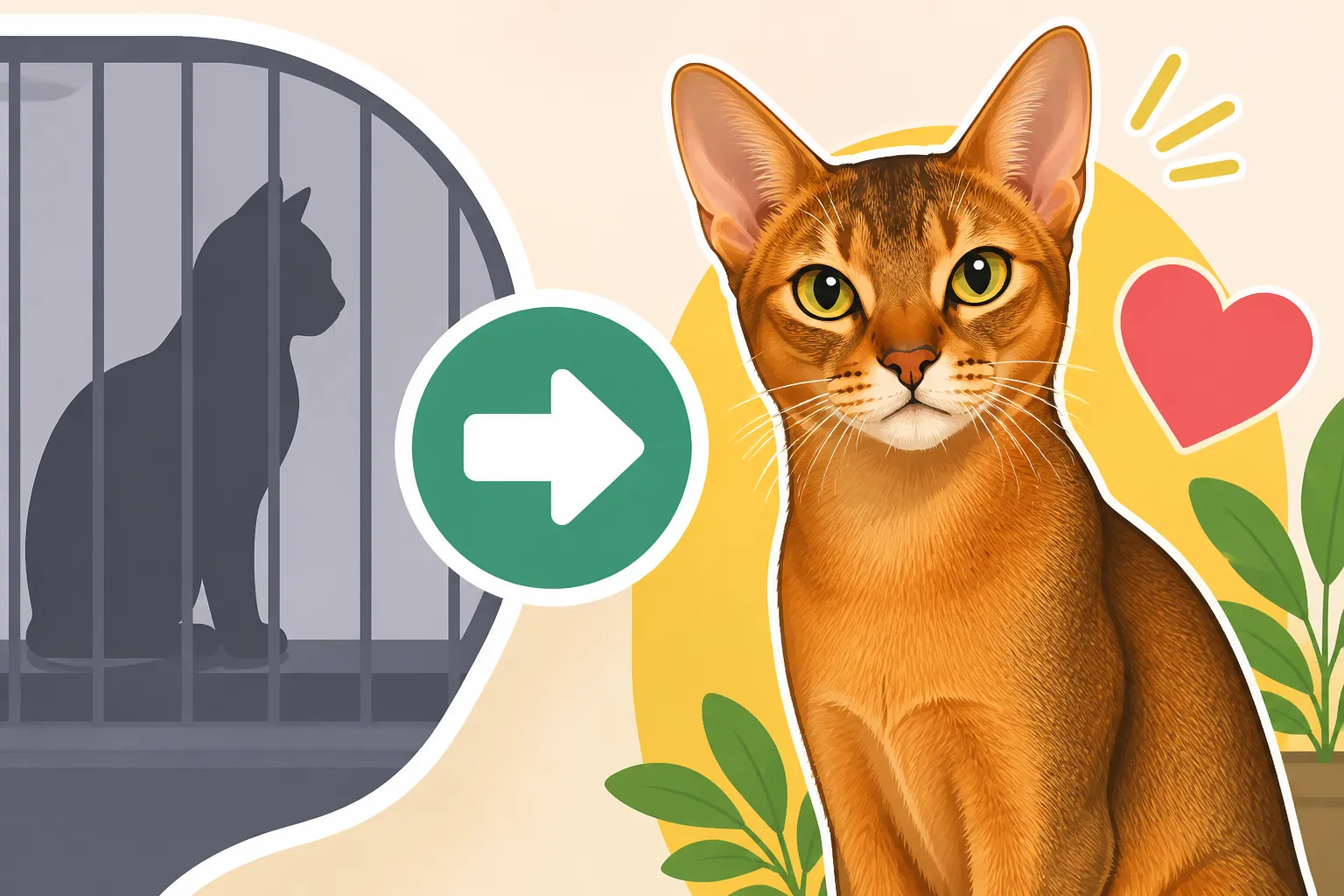
When considering an adult Abyssinian for adoption, one of the most common questions people have is "Why are they in rescue?" It's a completely valid concern, rooted in the misconception that adult cats in shelters must have "problems." The truth, however, is far more nuanced and often quite heartbreaking. Understanding their past can help you prepare for their future with you.
The Common Reasons Abyssinians End Up in Rescue
Abyssinians, despite their incredible charm and intelligence, often end up in rescue for reasons that have absolutely nothing to do with their inherent temperament or health. Life happens, and circumstances can change rapidly for even the most beloved pets. Common reasons include:
- Owner Illness or Death: A significant number of older cats are surrendered when their owner passes away or becomes too ill to care for them. These cats are often well-loved and well-adjusted, simply victims of unfortunate circumstances.
- Lifestyle Changes: A new baby, a demanding job, a sudden move to a "no pets" apartment, or a change in relationship status can all lead to an owner feeling they can no longer provide the active home an Abyssinian needs.
- Allergies: Sometimes, a family member develops severe allergies unexpectedly, making it impossible to keep the cat.
- Financial Hardship: Veterinary bills, especially as cats age, can be prohibitive for some families, leading them to make the difficult decision to surrender their pet.
- Misunderstanding the Breed: This is particularly common with Abyssinians. Their high energy, intelligence, and need for constant engagement can be overwhelming for owners who expected a more typical, less demanding cat. They might not realize that The Abyssinian Is the Busiest Cat in the House until they're deep into the commitment.
- Behavioral Issues (Often Preventable): In some cases, an Abyssinian may exhibit unwanted behaviors due to lack of enrichment, inadequate training, or medical issues that were not addressed. However, many of these issues are manageable and can be resolved with patience, understanding, and the right environment.
It’s rare that an Abyssinian is in rescue because they are "bad" cats. More often, they are simply in need of a new home that better suits their needs or can provide stability after an owner's life was unexpectedly turned upside down. Our article Why Adult Abyssinians End Up in Rescue delves deeper into these specific scenarios.
Decoding a Cat's History: What to Ask
When you're considering an adult Abyssinian, don't be shy about asking for as much information as possible about their past. A reputable rescue or foster parent will be transparent and eager to share what they know. Key questions to ask include:
- Why was the cat surrendered? This is crucial for understanding their background.
- What was their previous living situation like? (e.g., apartment, house, with children, other pets, indoor/outdoor access).
- What are their known habits? (e.g., litter box habits, eating preferences, destructive tendencies, vocalization).
- How do they interact with strangers, children, and other animals? Specific anecdotes are helpful.
- What are their favorite toys and activities? This helps you understand their enrichment needs.
- Do they have any known fears or anxieties? (e.g., loud noises, certain objects, being picked up).
- What is their veterinary history? Ask for records if available.
The more information you gather, the better prepared you'll be to provide a seamless transition and a loving, appropriate home. Rescues often do a wonderful job of compiling this information, especially those specializing in Abyssinians.
Why an Abyssinian Owner Gives Up Their Cat
It's truly heartbreaking when an owner has to make the choice to give up their beloved Abyssinian, and it's almost never a decision made lightly. Often, the reasons stem from a mismatch between the cat's intense needs and the owner's capacity or changing circumstances. For instance, an Abyssinian's boundless energy and intelligence means they need constant interaction and enrichment. If an owner is working long hours, or their health declines, they might realize they can no longer keep up with the cat's demands. The cat's relentless need for attention might manifest in behaviors like opening cupboards, stealing small items, or even "redecorating" if they're not adequately stimulated.
Sometimes, a single Abyssinian can be a handful, leading owners to believe that a second cat would only double their trouble. However, often a second cat, especially another high-energy feline like another Abyssinian, can actually provide much-needed companionship and stimulation, alleviating some of the pressure on the owner. The cost of veterinary care, particularly for a breed prone to certain dental or kidney issues, can also become overwhelming over time. Unfortunately, the Abyssinian's beautiful, active nature can inadvertently lead to them being surrendered if their owners aren't fully prepared for the commitment.
Assessing an Adult Abyssinian's Temperament and Health
When you're ready to adopt an adult Abyssinian, the assessment process is crucial. You want to ensure that the cat is a good fit for your home, and that you're prepared for any potential health considerations. This isn't just about finding a cat; it's about finding your cat.
Observing Behavior in a Shelter or Foster Home
Observing an Abyssinian in their current environment – be it a shelter kennel or a foster home – is incredibly telling. Don't rush this process. Spend time interacting with them. An Abyssinian's temperament is unique; they are often very people-oriented but not necessarily lap cats. Watch for:
- Energy Levels: Are they bouncing off the walls, or are they more content to observe? An Abyssinian's energy levels can change over time, so consider How an Abyssinian's Energy Changes After Seven.
- Interaction with People: Do they approach you? Rub against your legs? Seek attention? Or are they more reserved? Some Abyssinians are incredibly outgoing, while others take a little longer to warm up.
- Play Drive: Do they respond to toys? Do they bat at a wand toy with enthusiasm? A strong play drive is typical for the breed and a good sign of their vitality.
- Vocalization: Abyssinians are known for their soft, trilling chirps, but some can be quite vocal. Pay attention to their sounds.
- Reactions to Environment: How do they react to other cats, dogs (if present), or sudden noises? This gives you clues about their adaptability.
- Body Language: Are they relaxed or tense? Tail up and wagging slightly (happy), or tucked low (nervous)? Pay attention to all the subtle cues their body gives you.
A good foster parent or shelter staff member will be able to provide detailed insights into the cat's daily behaviors, which is invaluable. They've seen the cat in various moods and situations, offering a deeper understanding than a brief visit might.
Reviewing Health Records and Vet History
This is perhaps the most critical part of the assessment for an adult cat. Requesting and thoroughly reviewing an Abyssinian's health records is non-negotiable. Look for:
- Vaccination History: Are they up-to-date on core vaccines?
- Spay/Neuter Status: Most adult cats in rescue will already be spayed or neutered.
- Dental Records: Abyssinian are prone to dental issues, so pay close attention to any history of cleanings, extractions, or gum disease. Why Abyssinian Dental Work Is the Biggest Line in the Budget highlights just how important this is.
- Prior Illnesses or Injuries: Any chronic conditions, past surgeries, or recurring issues should be clearly documented.
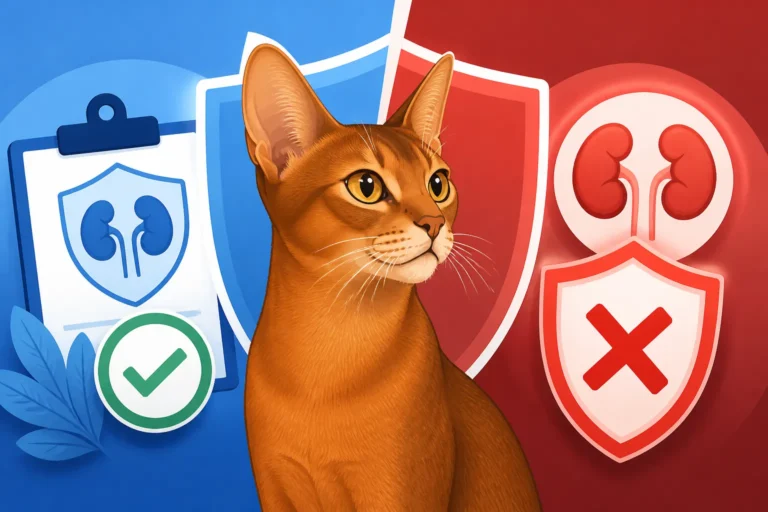
- DNA Test Results: Ask if the cat has been tested for Pyruvate Kinase Deficiency (PKD) and Progressive Retinal Atrophy (PRA-rdAc). These are two significant genetic diseases in the breed. Understanding How to Read an Abyssinian's Normal Test Result is essential. A reputable rescue will have done this or recommend it.
- Kidney Health: While there isn't a gene test for Abyssinian renal amyloidosis, looking at past blood work for kidney values (like SDMA, BUN, Creatinine) can offer clues. A history of increased thirst in a young Abyssinian, for example, is a red flag, as discussed in Why a Thirsty Young Abyssinian Is a Red Flag.
- Medications or Special Diets: If the cat is on any ongoing medications or a prescription diet, understand why and what the long-term commitment will be.
Don't hesitate to contact the vet clinic listed on the records (with the rescue's permission) to discuss the cat's history. A good rescue or foster will be happy to facilitate this transparency.
Important Health Screenings for Adult Abyssinians
Even with existing records, there are a few key health screenings that are particularly important for adult Abyssinians, especially if their history is unknown or incomplete.
1. Genetic Testing:
* Pyruvate Kinase Deficiency (PKD): This genetic condition can cause intermittent anemia. Knowing if an Abyssinian is clear, a carrier, or affected is vital for their long-term health management. The test is a simple cheek swab. For more details on this, refer to How the Abyssinian's DNA Panel Is Ordered.
* Progressive Retinal Atrophy (PRA-rdAc): This condition causes blindness. Again, a DNA test can determine if your Abyssinian is at risk.
2. Baseline Bloodwork and Urinalysis: A comprehensive blood panel (including CBC, chemistry panel, and thyroid levels for older cats) and a urinalysis provide a snapshot of their current health. This is particularly important for checking kidney and liver function, given the breed's predisposition to renal amyloidosis. These tests can catch early signs of issues before they become symptomatic.
3. Dental Exam: Even if records show prior cleanings, a thorough dental exam by a veterinarian upon adoption is critical. Abyssinians often suffer from severe gingivitis and tooth resorption, which can be painful and impact their quality of life. Anesthesia-free dentals are often inadequate for this breed; a full dental under anesthetic is often required.
4. Heart Scan (Echocardiogram): While not as widely recognized as a primary Abyssinian concern as some other breeds, Abyssinians can still develop heart conditions like hypertrophic cardiomyopathy. A baseline heart scan, especially if the cat is entering their senior years, can be a valuable screening tool.
Discussing these screenings with your veterinarian and the rescue organization ensures you have the fullest picture of your potential new family member's health.
Integrating an Adult Abyssinian into Your Home
Bringing any new pet home is a big transition, but with an adult Abyssinian, whose personality is already developed, you can take specific steps to ensure a smooth and stress-free integration. These active and curious cats thrive on routine and feeling secure, so setting them up for success from day one is paramount.
Creating a Safe and Welcoming Space
The first few days, and even weeks, in a new home can be overwhelming for an adult cat. They're leaving behind everything familiar and entering a strange new world. To ease this transition, establish a dedicated "safe room" for your new Abyssinian before they even arrive.
This room should be:
- Quiet and Low-Traffic: A spare bedroom or office works well.
- Equipped with Essentials: Include a litter box, food and water bowls, a comfortable bed, a scratching post, and some toys. Consider placing their water bowl away from their food bowl, as many cats prefer this.
- Secure: Ensure windows are closed, and there are no easy escape routes. Remove anything toxic or fragile that an adventurous Abyssinian might investigate.
- Filled with Familiar Scents: If possible, bring a blanket or toy from their previous foster home or rescue to provide a comforting scent.
Allow your Abyssinian to explore this room at their own pace. Spend time in the room with them, talking softly, offering treats, and engaging in gentle play. Let them initiate contact. Resist the urge to immediately open the entire house to them; a smaller, controlled space helps them feel secure before venturing into the wider territory. Abyssinians, being highly intelligent, will eventually want to explore every corner, but a calm introduction is key.
Introducing Your New Abyssinian to Existing Pets
If you have other pets, particularly other cats or dogs, introductions must be done slowly and carefully. Rushing this process can lead to long-term stress and conflict. Abyssinians are generally social cats, but their energetic nature means they can sometimes overwhelm shyer animals.
Here's a general approach:
- Scent Swapping: While your new Abyssinian is in their safe room, exchange blankets or toys between them and your existing pets. This allows them to get used to each other's scent without direct confrontation.
- Visual Introduction (with a barrier): After a few days of scent swapping, allow the cats to see each other through a barrier, such as a baby gate or a screen door. Feed them on opposite sides of the barrier to create positive associations.
- Supervised Visits: Once they seem comfortable with visual contact, allow short, supervised visits in a neutral area of the house. Keep these sessions brief and positive, ending before any signs of stress appear.
- Gradual Integration: Over time, increase the length and frequency of supervised visits. Ensure all pets have access to their own food bowls, litter boxes (the general rule is one per cat plus one extra), and safe spaces to retreat.
Remember, an Abyssinian's boundless energy can sometimes be misconstrued as aggression by a more timid cat. Patiently teaching them to coexist, and providing plenty of vertical space for all cats, can make a huge difference. For more detailed advice, check out How to Introduce a Second Cat to an Abyssinian.
Establishing Routines and Boundaries
Cats, and especially intelligent breeds like the Abyssinian, thrive on routine. Predictable feeding times, play sessions, and even bedtime rituals help them feel secure and understand what's expected of them. Establish these routines early on:
- Feeding: Feed your Abyssinian at consistent times each day. Many Abyssinians do well with two to three smaller meals to keep their energy steady.
- Playtime: Schedule dedicated interactive play sessions at least twice a day, focusing on wand toys that mimic prey. This helps burn off their immense energy constructively.
- Litter Box Maintenance: Keep their litter box scrupulously clean. Abyssinians are fastidious, and a dirty box can lead to inappropriate elimination.
- Boundaries: Decide early on what areas are off-limits (e.g., kitchen counters, certain shelves) and consistently redirect them with positive reinforcement or appropriate alternatives like tall cat trees and wall shelves. Abyssinians will try to get everywhere, so consistency is key.
Remember, an adult Abyssinian is not just a cuddly pet; they are a highly intelligent and active companion who will flourish with structure and engagement. By providing a secure environment, thoughtful introductions, and consistent routines, you'll set the stage for a wonderful life together.
The Financial Realities of Adult Abyssinian Adoption
Adopting an adult Abyssinian can often feel like a more economical choice than buying a kitten from a breeder, and in some ways, it certainly can be. However, it’s crucial to understand the full scope of financial commitments involved in giving an older Abyssinian a loving forever home, as the initial adoption fee is just the beginning.
Adoption Fees vs. Breeder Prices
The initial cost of acquiring an adult Abyssinian from a rescue is almost always significantly lower than purchasing a kitten from a reputable breeder. Breeder prices for Abyssinian kittens can be substantial, reflecting the cost of health testing, quality care, pedigree registration, and early veterinary expenses. For example, our post on What an Abyssinian Kitten Costs in 2026 gives you an idea of breeder pricing.
Rescue adoption fees, on the other hand, typically cover a portion of the costs the rescue incurred for the cat's care, including:
- Spay/neuter surgery
- Initial vaccinations
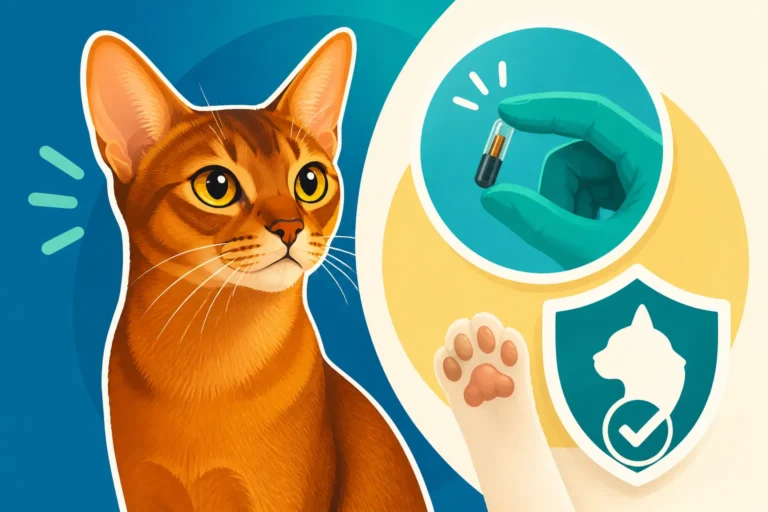
- Microchipping
- Flea and deworming treatments
- A veterinary check-up
- Sometimes even basic dental work or genetic testing (like for PK Deficiency or PRA-rdAc).
This means you're often getting a cat that is already medically vetted, spayed/neutered, and microchipped, saving you a considerable amount on initial veterinary bills that you would incur with a young kitten. This upfront saving is one of the most attractive aspects of adult adoption.
Ongoing Healthcare Costs for an Adult Abyssinian
While the adoption fee might be lower, the ongoing healthcare costs for an adult Abyssinian can be similar to, or sometimes even higher than, those for a kitten, especially if the cat has any pre-existing conditions. Abyssinians are generally a healthy breed, but they do have certain predispositions, such as dental disease and renal amyloidosis.
Expect annual veterinary check-ups, which might include blood work, especially as your Abyssinian enters their senior years. Regular dental care is non-negotiable for this breed. Many Abyssinians require professional dental cleanings every year or two, and sometimes more invasive procedures like extractions, due to their genetic predisposition to gingivitis and tooth resorption. These procedures are performed under anesthesia and can be quite costly. Budgeting for these dental needs is essential, as highlighted in Why Abyssinian Dental Work Is the Biggest Line in the Budget.
Furthermore, if your adopted Abyssinian has any chronic conditions like allergies, early-stage kidney disease, or requires ongoing medication, these costs will factor into your monthly budget. It's crucial to get as much health history as possible from the rescue and discuss potential future costs with your veterinarian.
Considering Pet Insurance and Wellness Plans
Given the potential for ongoing health needs, especially with an adult cat whose full history might not be known, pet insurance or a veterinary wellness plan can be an excellent investment.
Pet Insurance:
- Coverage: Pet insurance typically helps cover unexpected veterinary costs from accidents, illnesses, and emergencies. This can be a lifesaver if your Abyssinian develops a sudden illness or requires surgery. Providers like Healthy Paws offer various plans that can cover a significant percentage of vet bills after your deductible is met.
- Pre-existing Conditions: Be aware that most pet insurance policies do not cover pre-existing conditions. This is why getting a full health history from the rescue and having a vet check-up done before enrolling is vital. The earlier you insure, the better, ideally before any conditions manifest. Our article Whether Pet Insurance Is Worth It for an Abyssinian provides more insights.
- Cost: Premiums vary based on the cat's age, breed, your location, and the plan's coverage.
Wellness Plans:
- Coverage: Offered by many veterinary clinics, wellness plans are typically subscription-based and cover routine care like annual exams, vaccinations, and sometimes dental cleanings or basic blood work.
- Budgeting: They can help you budget for predictable yearly expenses, often at a slight discount compared to paying for each service individually.
Regardless of whether you opt for insurance or a wellness plan, remember that owning an Abyssinian, regardless of age, is a long-term financial commitment. The total cost of caring for an Abyssinian over their lifetime, which can easily be fifteen years or more, dwarfs the initial purchase or adoption price. You can find more detail on this in What an Abyssinian Costs Over Fifteen Years.
Finding an Adult Abyssinian for Adoption
So, you’re convinced that an adult Abyssinian might just be the perfect addition to your home. That’s fantastic! Now comes the exciting part: finding your new companion. While they might not be as common as domestic shorthairs in every shelter, there are dedicated avenues to finding these remarkable cats.
Specialty Abyssinian Rescues
Your best bet for finding an adult Abyssinian is often through a breed-specific rescue organization. These groups are usually run by dedicated volunteers who have a deep understanding of the Abyssinian breed, its unique needs, and common health concerns.
Advantages of Specialty Rescues:
- Breed Knowledge: Volunteers are experts on Abyssinians. They can tell you about typical breed behaviors, common health issues, and offer advice specific to living with an Abyssinian.
- Thorough Vetting: Cats in breed-specific rescues often undergo comprehensive veterinary checks, including genetic testing for PK Deficiency and PRA-rdAc. They typically have a more detailed health history and temperament assessment.
- Matching Process: These rescues are meticulous about matching cats with the right homes. They'll ask detailed questions about your lifestyle, home environment, and experience with active cats to ensure a successful placement.
- Support: Many offer ongoing support and advice after adoption.
You might need to be patient, as Abyssinians don't always come into rescue frequently, and there might be a waiting list. But the wait is usually worth it for the quality of care and matching you receive. For more information on where to begin your search, our post Where to Find an Abyssinian Rescue is a great starting point.
General Animal Shelters and Online Listings
While less common, adult Abyssinians can occasionally be found in general animal shelters or through online adoption platforms. Sometimes, people surrender their pets to local shelters simply because they don't know about breed-specific rescues.
Tips for Searching General Shelters/Online:
- Be Specific: Use filters for "Abyssinian" or "Abyssinian mix" on adoption websites. Don't rule out mixes, as they can have many wonderful Abyssinian traits.
- Check Regularly: New cats come into shelters daily, so persistent checking is key.
- Look Beyond the Label: Sometimes, a cat might be listed as a "domestic shorthair" but possess clear Abyssinian features like the ticked coat, large ears, and slender body. If a cat catches your eye, inquire about its background.
- Ask Questions: Even if the staff aren't breed experts, they should be able to provide details on the cat's temperament, known history (if any), and health status.
When looking at online listings, be cautious of individuals selling cats at unusually low prices or promising "rare" colors without proper documentation. A truly responsible seller or rescue will be transparent and welcome your questions.
Networking with Breeders and Breed Clubs
It might seem counterintuitive to contact breeders when you're looking to adopt an adult, but it can actually be a very fruitful avenue. Reputable Abyssinian breeders are deeply committed to the welfare of their cats throughout their lives.
How Breeders and Clubs Can Help:
- Retired Breeding Cats: Breeders often retire their breeding queens and studs after a few litters. These cats, usually between 2 and 5 years old, are typically well-socialized, healthy, and accustomed to living in a home environment. They’ve often had excellent veterinary care and are ready for a quiet life as a cherished pet.
- Rehoming Situations: Sometimes a breeder will become aware of an Abyssinian who needs a new home from one of their past kitten buyers, or through their network. They might act as a go-between to ensure the cat finds a suitable new family.
- Referrals: Breed clubs (like the Cat Fanciers' Association, CFA, or The International Cat Association, TICA) often maintain lists of members who have adult cats needing homes or who can point you towards reputable rescues.
When contacting a breeder for an adult cat, expect them to have a rigorous screening process, similar to what they'd use for a kitten buyer. They want to ensure their beloved cats go to the best possible homes. You can even learn a lot by visiting a cattery, as described in What an Abyssinian Cattery Should Look Like. This approach combines the predictability of an adult cat with the reassurance of a known genetic background and health history.
Common Misconceptions About Adult Cat Adoption
Unfortunately, many myths persist around adopting adult cats, often unfairly portraying them as "problem pets" or less capable of forming strong bonds. These misconceptions can deter well-meaning potential adopters from considering an adult Abyssinian, causing fantastic cats to wait longer for their forever homes. Let's debunk some of these common ideas.
The Myth of "Problem" Cats in Shelters
One of the most persistent and damaging myths is that adult cats in shelters or rescues are there because they are "problem" cats – aggressive, untrainable, or somehow flawed. This simply isn't true for the vast majority of adult cats, especially those from breed-specific rescues. As discussed earlier, Abyssinians often end up in rescue due to life circumstances of their previous owners, not because of inherent behavioral issues.
Consider the reality:
- Life Changes: A divorce, a move, a new baby, an owner's illness, or financial hardship are far more common reasons for surrender than a cat's behavior.
- Misunderstanding Needs: For Abyssinians specifically, their high energy and intelligence can be overwhelming for owners unprepared for their demanding nature. They might be considered a "problem" simply because they're being an Abyssinian – curious, active, and needing constant engagement. These aren't flaws; they're breed traits!
- Temperament Assessment: Rescues and foster parents spend significant time with these cats, assessing their temperament, identifying any quirks, and working to address any minor behavioral issues. They can tell you exactly what kind of home would best suit a particular cat.
Adopting an adult Abyssinian means you get a cat whose personality is already known, allowing you to find a perfect match. You're not rolling the dice on a kitten's future temperament; you're seeing the finished product.
The Idea That Old Cats Don't Bond
Another common misconception is that older cats, having already bonded with a previous family, won't be able to form a deep connection with a new owner. This couldn't be further from the truth. Cats are incredibly adaptable and capable of forming profound bonds at any age. In fact, many adult cats in rescue are desperately craving a stable, loving home and will shower their new owners with affection and gratitude.
- Gratitude and Devotion: Many adult Abyssinians, especially those who have experienced upheaval, can be incredibly devoted companions, seemingly understanding that they've been given a second chance.
- Deep Connections: The bonds formed with an adult cat can be incredibly rich and meaningful. They often appreciate stability and routine, and their loyalty can be fierce.
- Clear Communication: An adult Abyssinian has had years to hone their communication skills, making it easier for you to understand their needs and wants, fostering a deeper connection more quickly.
It might take a little time for an adult cat to adjust to a new environment and trust new people, but with patience, love, and consistent care, they will absolutely bond with you. The idea that they can't love again is a human projection, not a feline reality.
Thinking an Adult Cat Is Less "Fun"
Some people worry that an adult cat won't be as playful or "fun" as a kitten. While it's true that an older cat's energy levels might be different from a tiny kitten's, this doesn't mean they're boring! Abyssinians, in particular, retain their playful, intelligent, and curious nature well into adulthood and even their senior years.
- Refined Play: An adult Abyssinian's play might be less chaotic than a kitten's, but it's often more focused and strategic. They still love interactive toys, puzzle feeders, and engaging their keen minds.
- Predictable Energy: You'll have a better idea of their actual energy levels and play preferences, allowing you to tailor your interactions to what they truly enjoy. An older Abyssinian might prefer a vigorous 15-minute fetch session to an hour of uncoordinated kitten wrestling, but they'll still enjoy it immensely.
- Intelligent Companionship: The "fun" of an adult Abyssinian often comes from their intelligent interactions, their quirky personalities, and their constant, engaging presence. They are incredibly involved family members who will always keep you on your toes, just in a more mature way.
In many ways, an adult Abyssinian offers a more relaxed yet still incredibly rewarding and fun companionship than the often-overwhelming energy of a kitten. It's about appreciating a different kind of joy, one that is often more stable, more predictable, and deeply fulfilling.
Adoption Considerations: Kittens vs. Adult Abyssinians
Deciding between a kitten and an adult Abyssinian is a significant choice, and both have their unique charms and challenges. While the appeal of a tiny kitten is undeniable, an adult Abyssinian offers a different set of advantages that might be a better fit for many households. Let's lay out some key considerations in a table to help you compare.
| Feature | Abyssinian Kitten | Adult Abyssinian |
|---|---|---|
| Personality | Still developing, unpredictable | Established, predictable, what you see is what you get |
| Energy Level | Extremely high, often chaotic, requires constant supervision | High but often more focused; energy levels are known |
| Training Needs | Intensive litter training, socialization, boundary setting | Often already house-trained and socialized, less intensive |
| Behavior | Prone to kitten mischief, destructive chewing, frantic climbing | Established habits, less prone to destructive kitten behavior |
| Bonding | Bonds as they grow, can take time to settle into a routine | Often forms strong, immediate bonds, particularly grateful for a new home |
| Health History | Limited history, relies on breeder's transparency and DNA tests | Extensive health records often available, any existing conditions are known |
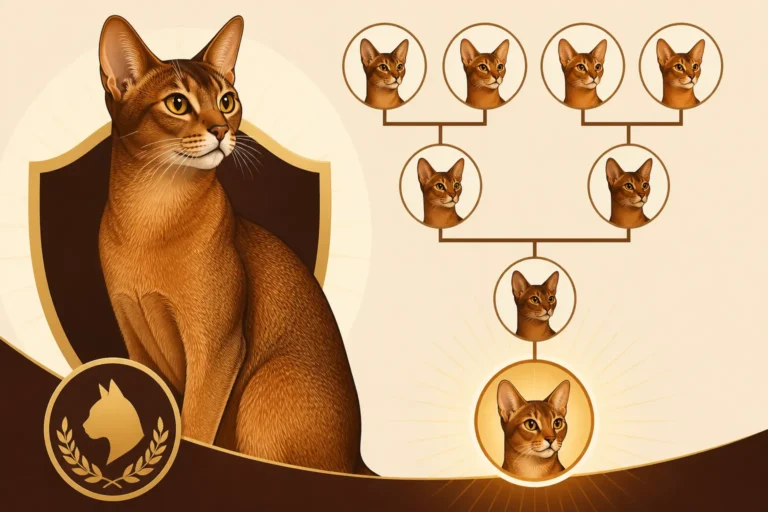
| Genetic Testing | Parents should be tested; kitten may need tests later | Often already tested for PK Deficiency and PRA-rdAc |
| Initial Vet Costs | Vaccinations, deworming, spay/neuter | Often already spayed/neutered, vaccinated, microchipped |
| Adoption/Purchase Cost | Higher breeder prices, lower shelter adoption fees | Lower rescue adoption fees, may come with initial vetting included |
| Time Commitment | Very high initially for training and socialization | High for play and interaction, lower for basic training |
| Suitability for First-Time Owners | Can be overwhelming due to high energy and demands | Often easier to manage, better for those seeking predictability |
This comparison highlights that while kittens offer the excitement of watching them grow, adult Abyssinians provide a sense of stability and predictability that can make them an incredibly rewarding companion for the right family.
Supporting Your Adult Abyssinian's Well-being
Bringing an adult Abyssinian into your home is just the first step. Ensuring their long-term well-being means committing to ongoing care that supports their unique needs, from diet to enrichment and regular veterinary attention. This proactive approach ensures your intelligent and active companion thrives for years to come.
Tailoring Nutrition to Their Needs
Proper nutrition is foundational to an Abyssinian's health at any age, but especially for an adult cat whose specific needs might be clearer. Abyssinians are active, lean cats with a high metabolism, meaning they often require a calorie-dense diet rich in animal protein.
- High-Quality Protein: Look for foods with real meat (chicken, turkey, fish) as the first ingredient. Protein is crucial for maintaining their lean muscle mass and energy levels.
- Wet Food Preference: Incorporating wet food into their diet is highly recommended. Abyssinians, like all cats, often don't drink enough water, and a diet rich in moisture helps support kidney health, which is particularly important given their predisposition to renal amyloidosis.
- Portion Control: Even with their high energy, it's essential to monitor their weight. An Abyssinian should be lean and muscular. Discuss appropriate portion sizes with your vet, especially if your cat has a slower metabolism as they age or if they've been spayed/neutered.
- Consider Digestive Sensitivities: Some adult Abyssinians might have sensitivities that manifest as upset stomachs. If this is the case, work with your vet to find a limited-ingredient diet or a food specifically formulated for sensitive systems.
- Dental Health: Choose appropriate food and treats that support dental health, but remember that these are supplements to, not replacements for, regular brushing and professional dental care.
Maintaining an Engaging Environment
An Abyssinian's intelligence and activity levels don't diminish with age; they simply become more refined. An adult Abyssinian still needs an environment that challenges their mind and allows them to express their natural behaviors.
- Vertical Space is Paramount: Abyssinians are climbers. Provide tall cat trees, wall-mounted shelves, and secure access to high perches. They love to observe their kingdom from above. Remember, An Abyssinian Needs Height More Than It Needs Floor.
- Interactive Play: Schedule daily play sessions with wand toys that mimic prey. This helps satisfy their hunting instincts. Rotate toys regularly to keep them interested.
- Puzzle Feeders and Foraging: Utilize puzzle feeders or hide small portions of food around the house to engage their problem-solving skills and provide mental stimulation. A cat like an Abyssinian will love the challenge, and it also slows down their eating. Chewy offers a wide selection of interactive toys and puzzle feeders perfect for this.
- Window Access: Provide comfortable window perches where they can watch the world outside. A bird feeder strategically placed outside a window can provide hours of entertainment.
- Safe Outdoor Access: If possible, consider a secure catio. Abyssinians should never be allowed to roam freely outdoors due to their inquisitive nature and potential dangers.
A bored Abyssinian is often a mischievous Abyssinian. Keeping them physically and mentally stimulated is key to preventing unwanted behaviors.
Regular Veterinary Care and Proactive Monitoring
Regular veterinary care is crucial for monitoring the health of your adult Abyssinian and catching any potential issues early.
- Annual Check-ups: These should include a thorough physical examination, weight check, and discussion of any changes in behavior or habits.
- Dental Examinations: As mentioned, routine dental care is critical. Your vet will assess their gums and teeth and recommend professional cleanings as needed.
- Bloodwork for Seniors: As Abyssinians age, regular blood panels (including kidney and thyroid checks) become even more important for early detection of common senior ailments.
- Observation at Home: You are your cat's best advocate. Pay close attention to subtle changes:
- Eating and Drinking Habits: Any significant increase or decrease in appetite or thirst, or sudden pickiness.
- Litter Box Habits: Changes in frequency, volume, or consistency of urine or stool.
- Energy Levels: A sudden decrease in activity or an increase in lethargy, or if your energetic Abyssinian becomes unusually quiet, as a quiet Abyssinian can be a sign of illness.
- Grooming: Excessive grooming or neglect of grooming.
- Weight Fluctuations: Significant weight gain or loss. Abyssinians tend to hide illness, and Why a Lean Abyssinian Hides Illness Longer Than a Heavy Cat emphasizes how critical even subtle changes can be.
By combining attentive home care with regular professional veterinary oversight, you can help your adult Abyssinian live a long, healthy, and happy life, full of all the engaging companionship they're known for.
Disclaimer
This article is for general informational purposes only and does not constitute professional advice. Laws, prices and regulations vary by location and change over time. Consult a qualified professional for guidance on your specific situation.