Why an Abyssinian Breeder Who Interviews You Is a Good Sign
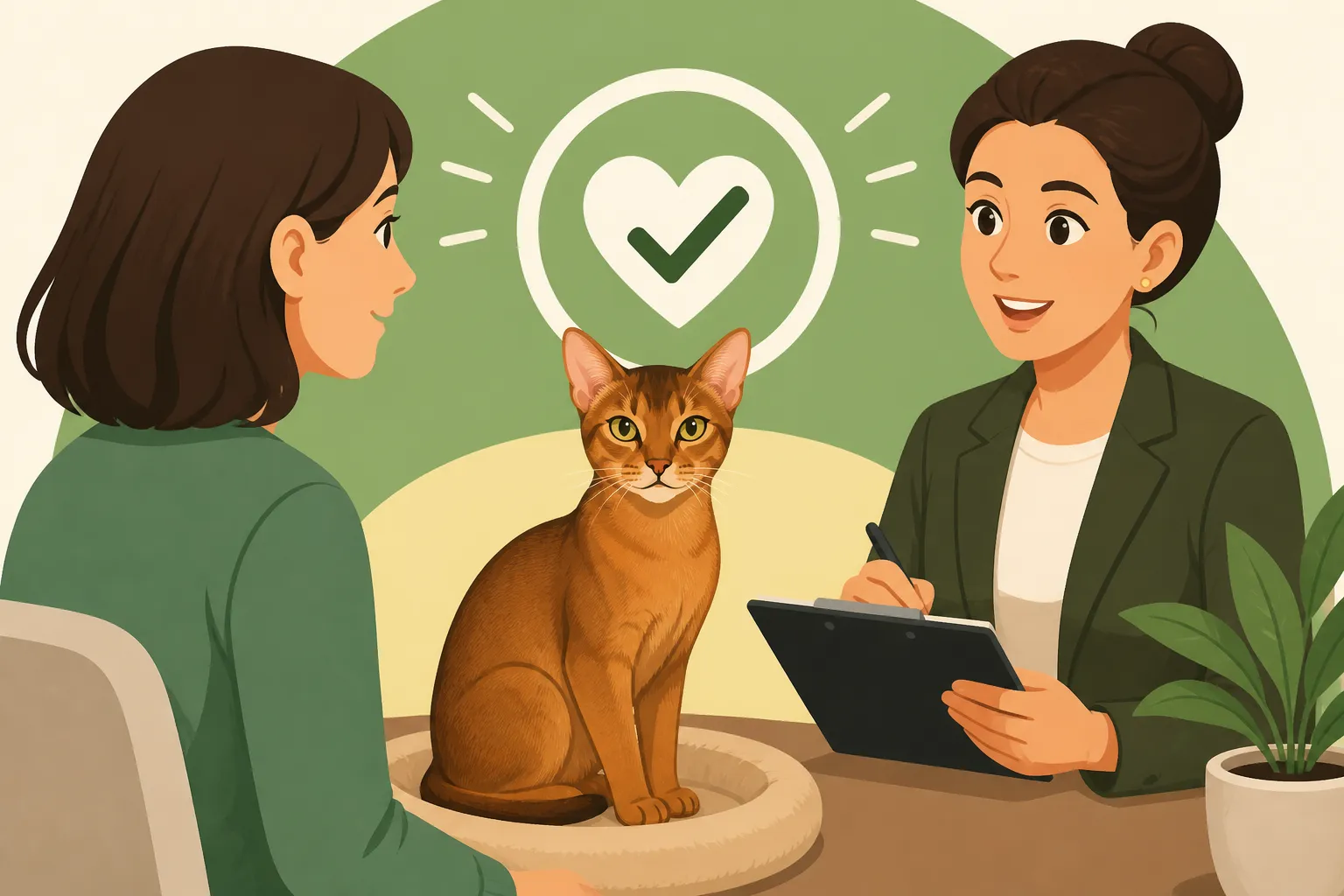
Bringing an Abyssinian kitten into your home is a huge decision, and for many prospective owners, the interview process with a breeder can feel a little bit like applying for a job. You might find yourself wondering why someone is asking so many personal questions about your living situation, your work, and even your future plans, especially when you're ready to open your heart (and wallet!) to one of their precious little charges. The truth is, when an Abyssinian breeder takes the time to thoroughly interview you, it’s not about being intrusive; it's one of the strongest indicators that you’re dealing with a truly responsible and dedicated individual, and this guide will walk you through exactly why that seemingly intense scrutiny is actually a blessing in disguise.
What a Reputable Breeder Is Really Looking For
When a breeder engages you in a detailed interview, they're not just trying to be nosey. Their primary goal is to ensure that their kittens, which they have invested so much time, love, and resources into, go to homes where they will thrive for their entire The Twelve to Fifteen Years an Abyssinian Usually Gets. They see themselves as guardians of the breed, responsible for every life they bring into the world. This commitment extends far beyond the point of sale; they genuinely care about the long-term welfare of each and every cat.
Think about it from their perspective: these kittens are not just commodities. They are family members born and raised in their home, often handled daily, socialized, and given the best start in life. Sending them off to a new family without a thorough vetting process would be irresponsible and go against everything a reputable breeder stands for. They’re looking for a partnership, a mutual understanding that you will provide a loving, stimulating, and secure environment for one of their beloved Abyssinians.
Ensuring a Lifelong Match
One of the biggest reasons for an interview is to ascertain if your lifestyle truly aligns with the unique needs of an Abyssinian. These cats are often described as the "clowns of the cat world" or "nature's busy-bodies" for a reason – they are incredibly active, intelligent, and social creatures. They thrive on interaction, play, and mental stimulation. An Abyssinian isn't content to simply nap on a windowsill all day while you're at work, only to be given a quick scratch behind the ears in the evening.
A good breeder will want to understand your daily routine. Do you work long hours? Do you travel frequently? If you have a demanding schedule, they might gently suggest that an Abyssinian might not be the best fit for a single-cat household, or they might recommend getting two littermates so they have constant companionship. They're trying to prevent a situation where a high-energy cat ends up bored, frustrated, and potentially destructive, which can lead to heartbreaking rehoming situations down the line. They want to avoid problems like What an Abyssinian Does When It Is Bored and ensure your cat remains happy and engaged.
Assessing Your Preparedness
Beyond lifestyle, a breeder will delve into your preparedness as a pet owner. This isn't just about financial capability, though that's certainly a part of it, as owning an Abyssinian is a significant financial commitment beyond the initial purchase price. They'll want to know if you understand the ongoing costs of high-quality food, vet care, and enrichment. A good breeder knows that preventative care, like regular dental cleanings, is crucial for an Abyssinian, so they might ask about your budget for things like Why Abyssinian Dental Work Is the Biggest Line in the Budget.
They also assess your understanding of general cat care, health, and potential challenges. Have you owned cats before? What was your experience like? Do you have a vet lined up? Are you aware of common Abyssinian health concerns, such as Pyruvate Kinase Deficiency or progressive retinal atrophy? Which Two DNA Tests an Abyssinian Must Have is something a reputable breeder will discuss openly. They might ask how you plan to manage common behavioral quirks, like an Abyssinian's penchant for climbing to the highest point in the room or its tendency to explore every nook and cranny. This helps them gauge if you've done your homework and are ready for the unique joys and challenges of this wonderful breed.
Signs of a Thoughtful Interview Process
A well-conducted interview is a two-way street. While the breeder is asking you questions, you should also be evaluating their process. A thoughtful interview isn't rushed; it's a conversation designed to build a relationship and ensure mutual confidence. They should be forthcoming with information, and their questions should reflect a genuine concern for their cats rather than just pushing for a sale.
A breeder who interviews you extensively is likely also one who provides a detailed contract, a health guarantee, and takes the time to educate you on the specific needs of their kittens. They'll want to discuss everything from feeding routines to socialization. You might find them recommending specific brands for food, litter, or even pet insurance like Healthy Paws, because they know the long-term benefits for the cat's well-being.
Questions About Your Lifestyle
Expect detailed questions about your daily life. They'll likely inquire about your work schedule: "Are you home all day, or do you have a typical 9-to-5 job?" "If you work full-time, who will interact with the kitten during the day?" They want to know if the kitten will be left alone for extended periods, and if so, what provisions you have made for its enrichment, such as a second pet for companionship or ample interactive toys from places like Chewy. They might also ask about your travel habits: "Do you travel often? What arrangements do you make for your pets when you're away?"
Children and other pets are another common topic. "Do you have young children, and are they experienced with cats?" "What other pets do you have, and how do they generally interact with new animals?" A good breeder understands that an Abyssinian, with its playful and curious nature, generally does well with respectful children and other active pets, but they need to ensure the environment is safe and harmonious. They might share insights on How an Abyssinian Behaves With Children and Dogs to help set realistic expectations.
Questions About Your Home Environment
Your home itself is a critical factor for an Abyssinian's well-being. These cats thrive in environments that offer vertical space and opportunities for exploration. Don't be surprised if a breeder asks about the layout of your home: "Do you have cat trees or wall shelves for climbing?" "Is your home cat-proofed, especially around areas with breakables or hazardous items?" They'll want to know about window security, the type of litter you plan to use, and even where the litter boxes will be placed.
They might specifically inquire about whether you plan to allow the cat outdoors. Reputable Abyssinian breeders almost universally require their cats to be indoor-only pets for safety reasons, so they'll want to ensure you align with this philosophy. They might discuss solutions like a secure catio or supervised leash walks as safe alternatives to free-roaming, topics they might cover in How to Leash Train an Abyssinian. These questions aren't just about curiosity; they're about preventing accidents and ensuring the cat has a stimulating, safe space to live out its life.
Why This Scrutiny Benefits You, the Buyer
While the interview process might feel like an interrogation, remember that it's ultimately designed to protect you as much as it protects the cat. A thorough breeder interview is a strong filter against unethical practices and sets you up for a much more successful and joyful experience as an Abyssinian owner. This vetting process weeds out those who are simply looking to profit from selling kittens without regard for their welfare or genetic health.
When a breeder invests this much time in getting to know you, it’s a clear indication of their dedication. This relationship often extends well beyond the point you take your kitten home. You're not just buying a cat; you're gaining a mentor and a resource for the lifespan of your Abyssinian. This support can be invaluable when questions or concerns inevitably arise.
Protection Against Unethical Breeding
Unfortunately, not all breeders operate with the same high standards. Backyard breeders or kitten mills often skip health testing, proper socialization, and, crucially, comprehensive buyer interviews. Their main goal is to move kittens quickly, often at a lower price, without concern for the cat's future or the suitability of the home. How to Spot an Abyssinian Breeder Who Does Not Test is a vital piece of information that ties directly into why a good interview is so crucial. Untested parents can pass on genetic diseases, leading to heartbreaking and expensive health issues for your new companion.
A breeder who interviews you is demonstrating their commitment to ethical practices. They’re ensuring their lines are healthy and well-adjusted, and that their efforts in breeding for temperament and health aren't undone by placing a kitten in an unsuitable home. They will provide all relevant health certificates, vaccination records, and a transparent contract outlining guarantees and expectations. This level of transparency and thoroughness is a hallmark of a responsible breeder, safeguarding you from potential heartbreak and financial strain.
Access to Lifelong Support and Resources
One of the most understated benefits of working with a breeder who interviews you is the ongoing support system they provide. When you adopt a kitten from such a breeder, you're not just receiving an animal; you're gaining a lifelong resource. They typically offer to answer questions, give advice, and provide guidance on everything from dietary needs to behavioral quirks. They might suggest specific high-quality foods or recommend certain types of enrichment activities to keep your intelligent Abyssinian engaged.
If you ever encounter a challenging behavior or a health concern, your breeder can often be your first point of contact, offering insights based on their extensive experience with the breed and the cat's specific lineage. This kind of relationship is invaluable, especially for first-time Abyssinian owners who might be surprised by the breed's energy and intelligence. They become a trusted expert, invested in the well-being of the cat they brought into the world. They will also be the first to advise you on routine vet care, like How Often an Abyssinian Needs Its Teeth Cleaned, and generally ensure you're well-equipped for all aspects of ownership.
Red Flags vs. Green Lights in the Interview
Understanding what makes a good interview process means knowing the difference between a genuinely caring breeder and someone who might just be overly intrusive or, worse, unethical. A good interview should feel like a comprehensive conversation, not an interrogation. Both parties should be asking questions and offering information.
Here’s a quick overview of what to look for:
| Feature | Green Light (Good Breeder) | Red Flag (Concerning) |
|---|---|---|
| Questions | Detailed, relevant to cat welfare, lifestyle, experience, home environment, long-term plans. | Few questions, very generic, or overly focused on payment. |
| Transparency | Openly shares health testing results for parents (e.g., How the Abyssinian's DNA Panel Is Ordered), pedigree, vet records, contract details. | Vague about health tests, avoids showing paperwork, no written contract. |
| Education | Provides ample information about the breed, care, potential challenges, and ongoing support. | Little to no education offered, rushes through explanations. |
| Reciprocity | Encourages your questions, answers thoroughly and patiently. | Resists answering your questions, seems annoyed by inquiries. |
| Visit | Welcomes visits to see the kittens and parents in their home environment (once kittens are old enough). | Refuses visits, insists on meeting in a neutral location, only shows pictures. |
| Focus | Primary focus is on the kitten's welfare and finding the right fit for its lifetime. | Primary focus seems to be on receiving payment and completing the transaction quickly. |
Transparency and Reciprocity
A truly great breeder will not just bombard you with questions; they will also openly answer all of yours. They will provide documentation without hesitation: health certificates for the parents, vaccination records for the kittens, pedigree information, and a clear, written contract that outlines the health guarantee, spay/neuter requirements, and rehoming clauses. If a breeder is hesitant to share any of this information or seems evasive when you ask about their breeding practices, consider that a major red flag.
They should be enthusiastic about discussing their cats, their breeding philosophy, and how they raise their kittens. They might tell you about their specific lines, the health history of the parents and grandparents, and why they chose to breed these particular cats. This level of transparency builds trust and demonstrates their confidence in their program. Remember, you are choosing a partner in your Abyssinian's life journey, and that partnership starts with open communication.
Focus on Welfare, Not Just Sale
The ultimate differentiator between a responsible breeder and someone less reputable is their focus. A good breeder’s primary concern is always the welfare of the kitten. They will prioritize finding the right home, even if it means waiting longer for a suitable family or, in some cases, deciding that your home might not be the best fit for an Abyssinian. They might gently suggest another breed that better matches your lifestyle if they feel an Abyssinian's energy or social needs would be too much.
Conversely, a breeder who seems overly eager to sell, asks few questions, or pushes you to make a quick decision without proper vetting is concerning. This often indicates they are more interested in the transaction than the lifelong happiness of the animal. A responsible breeder understands that placing a kitten is a commitment for many years to come, and they approach this responsibility with the seriousness it deserves. When a breeder interviews you thoroughly, it’s not a hurdle; it’s a reassurance that you’re dealing with someone who truly cares.
Disclaimer
This article is for general informational purposes only and does not constitute professional advice. Laws, prices and regulations vary by location and change over time. Consult a qualified professional for guidance on your specific situation.