Why an Abyssinian’s Lifetime Cost Dwarfs Its Purchase Price
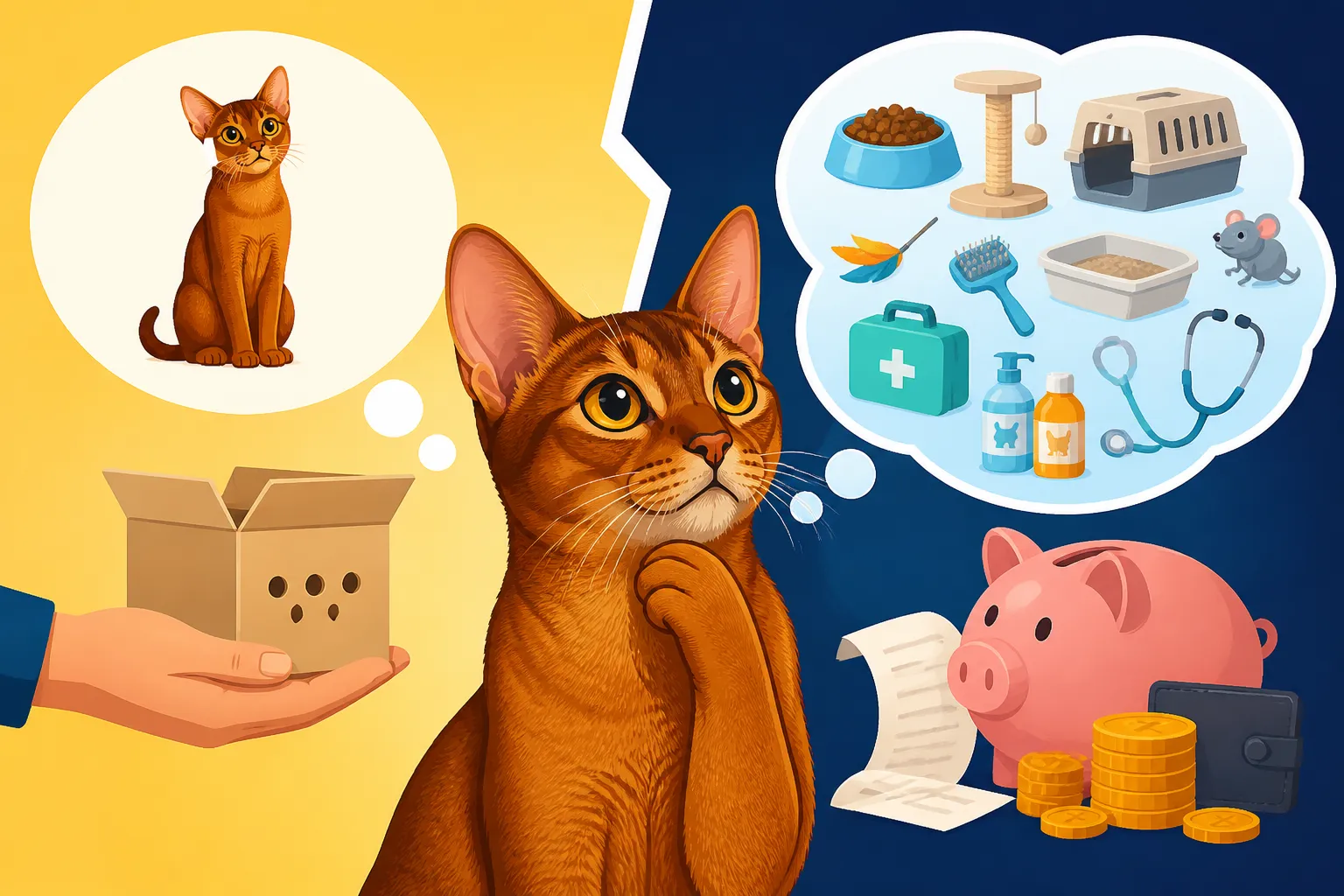
It’s a common misconception that the biggest financial hurdle to bringing an Abyssinian cat into your life is the initial purchase price. While a well-bred Aby kitten certainly comes with a significant upfront investment, the real financial journey, the one that truly shapes your budget for years to come, begins the moment that energetic little bundle bounds through your door. This guide is here to walk you through the true, long-term costs of Abyssinian ownership, so you can plan effectively and give your beloved companion the best life possible without unexpected financial shocks.
The Initial Sticker Shock vs. The Long Haul
Many prospective Abyssinian owners brace themselves for the kitten price, thinking once that's paid, the hardest part is over. But that's just the tip of the iceberg. Your initial payment is less of a final transaction and more of a down payment on a commitment that will span more than a decade of care, feeding, and medical attention. It's crucial to understand that the purchase price, whether it's for a pet-quality or show-quality Abyssinian, is only a fraction of what you'll ultimately invest in your cat's well-being over their The Twelve to Fifteen Years an Abyssinian Usually Gets.
Why the Purchase Price Is Just the Down Payment
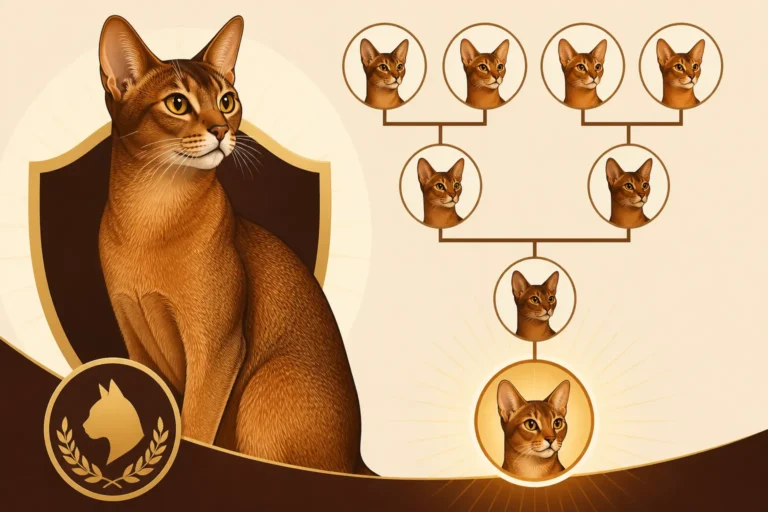
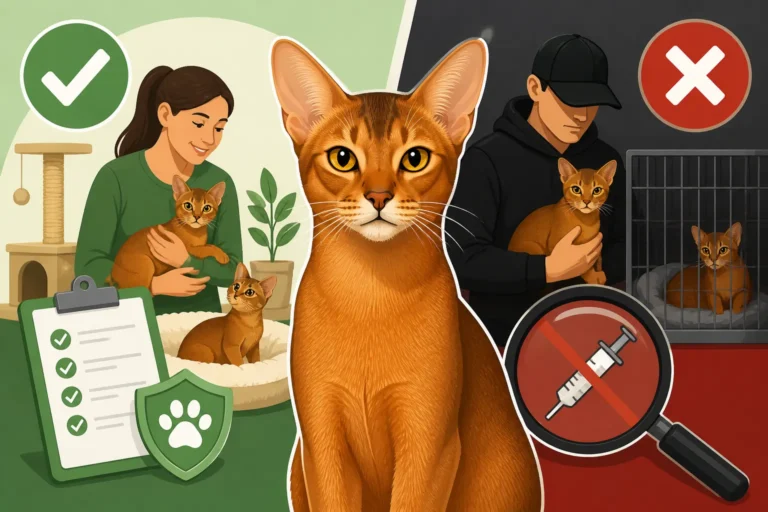
Let's be real: buying an Abyssinian kitten from a reputable breeder isn't cheap. You're paying for generations of careful breeding, health testing, socialization, and initial vaccinations. This upfront cost reflects the breeder's dedication to producing healthy, well-adjusted kittens. For instance, you might see figures related to How Much a Pet Abyssinian Costs From a Breeder, which can feel substantial. But think of it this way: that cost covers the foundation. It buys you a cat with a solid genetic background, often tested for conditions like Pyruvate Kinase Deficiency (PKD) and Progressive Retinal Atrophy (PRA-rdAc), giving you a much better starting point for a healthy life. However, this is merely the cost of acquisition. It doesn't factor in the daily maintenance, the preventative healthcare, or the inevitable surprises that come with any living creature.
The sticker price might be a couple of thousand, but the actual cost of keeping your Aby happy and healthy for their entire life can easily reach five to ten times that amount. This is where many new owners get caught off guard. They haven't budgeted for the ongoing expenses that accrue week after week, month after month, and year after year. It's not about being extravagant; it's about providing fundamental care for a cat known for its energy and, unfortunately, some breed-specific health predispositions.
The Hidden Costs of Bringing Your Abyssinian Home
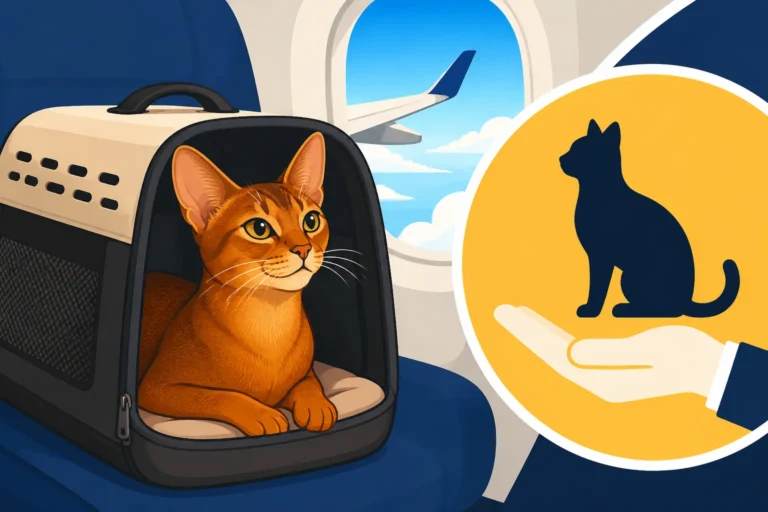
Beyond the breeder's fee, there are immediate "hidden" costs when you first bring your Abyssinian home. You'll need supplies: a carrier, litter boxes, food and water bowls, scratching posts, and toys. Oh, the toys! Abyssinians are notorious for their intelligence and high energy, meaning they'll go through toys faster than you can blink. You might also need to invest in cat trees and wall shelves, because as you'll quickly discover, Why an Abyssinian Needs More Vertical Furniture Than Most Cats. These aren't just luxuries; they're necessities for their mental and physical well-being.
Then there are the initial vet visits. Even if your kitten comes with its first set of shots, you'll still need follow-up vaccinations, deworming, and a general check-up with your own vet to establish care. Microchipping is another crucial investment, often not included in the purchase price but vital for your cat's safety. And, of course, the cost of spaying or neutering is a significant one in the first year. These are all costs that hit hard in those initial few months and can quickly add up to hundreds, if not thousands, of dollars on top of the purchase price.
The Everyday Essentials: Food, Litter, and Enrichment
Once your Abyssinian settles in, the regular, recurring costs become the dominant factor in your budget. These aren't one-time hits but continuous expenses that demand consistent attention. Think of it as the ongoing subscription service for a vibrant, active cat.
Fueling an Abyssinian's Endless Energy
Abyssinians are lean, muscular, and incredibly active. They burn calories like tiny furry athletes. This means they often eat more than you might expect for their size. High-quality food is paramount, not just for their energy levels but for their overall health, including their gorgeous ticked coat and preventing future health issues. You'll want to choose a food rich in animal protein, not fillers. The monthly food bill for an Abyssinian can be surprisingly high, easily outpacing that of a larger, less active cat.
It's not just about what they eat, but also how they eat. Puzzle feeders become essential to engage their intelligent minds and slow down their eating. You might find yourself experimenting with various brands and types of food to find what your Abyssinian thrives on, which can lead to some initial trial-and-error expenses. For a detailed breakdown, consider What an Abyssinian Costs to Feed Each Month. Remember, feeding a healthy diet is one of the best preventative measures against more costly health problems down the line.
Litter Box Logistics and the Active Digger
Litter might seem like a minor expense, but for an Abyssinian, it's a significant one. Abyssinians are fastidious, and they appreciate a clean litter box. Plus, they are enthusiastic diggers! This means you'll likely go through more litter than with a less active, less particular cat. You’ll need good quality, absorbent litter to keep odors at bay and provide a comfortable environment. The market offers a vast array, from clumping clay to silica gel and plant-based options, each with its own price point.
Many owners find themselves investing in multiple litter boxes, especially in a multi-cat household or a larger home, to ensure their Aby always has a pristine spot. Regular scooping, often multiple times a day, is non-negotiable. Over time, the cumulative cost of litter, especially if you opt for premium, dust-free brands that minimize tracking, can add up considerably. This constant need for fresh litter definitely contributes to What Litter Costs for One Abyssinian over the years.
Entertainment That Lasts (or Doesn't!)
An Abyssinian is a highly intelligent and energetic cat that gets bored easily. A bored Aby can quickly become a destructive Aby. This means you'll be constantly investing in enrichment: toys, puzzle feeders, scratching posts, and climbing structures. They'll need a variety of toys to keep their minds stimulated, and they often tire of them quickly. Expect to rotate toys regularly and replace worn-out ones often. Durable toys are a must, as flimsy ones won't stand a chance against an Aby's vigorous play.
Consider subscription boxes for cats, or regular visits to pet supply stores like Chewy, to keep a fresh rotation of toys, catnip, and treats flowing. While the initial cat tree might be a big expense, maintaining that level of enrichment with ongoing toy purchases and potential upgrades to climbing walls or catios is a continuous line item in your budget. Investing in their entertainment isn't just about fun; it's about preventing them from finding their own entertainment, which often involves things you'd rather they didn't do, like scaling curtains or opening cabinets.
The Inevitable Vet Bills: Health is Wealth
This is perhaps the most critical area where an Abyssinian's lifetime cost truly dwarfs its purchase price. While responsible breeders do their best to produce healthy kittens, no cat is immune to illness, injury, or the natural effects of aging. Regular vet care, preventative treatments, and managing any health issues that arise will be your largest and most unpredictable expense.
Proactive Care and Routine Check-ups
Just like us, Abyssinians need regular check-ups to stay on top of their health. Annual veterinary visits, vaccinations, and parasite prevention (flea, tick, and heartworm medication) are non-negotiable. These routine appointments are vital for catching potential issues early when they are often easier and less expensive to treat. For insights into general veterinary expenses, you might want to review What Abyssinian Vet Care Runs Per Year. As your Aby gets older, these visits might become more frequent, involving blood work and other diagnostics to monitor organ function, especially kidneys.
Catching problems like early kidney changes, which Abyssinians can be prone to, can be life-saving and can buy you years with your beloved companion. These preventative measures, while an ongoing cost, are an investment in their long, healthy life and often prevent much larger, emergency bills down the line.
The Dental Dilemma: An Abyssinian's Unique Oral Needs
One of the most significant and often underestimated expenses for an Abyssinian owner is dental care. Abyssinians are famously prone to a condition called juvenile gingivitis, which can lead to severe gum overgrowth and eventually tooth resorption and loss. This isn't just bad breath; it's painful and can impact their ability to eat. Regular at-home brushing is a must from kittenhood, but even with diligence, professional dental cleanings under anesthesia are often required more frequently than with other breeds.
You might find yourself budgeting for dental cleanings every year or two, sometimes even a gingivectomy in their younger years to remove overgrown gum tissue. Extracting teeth damaged by resorption is also a possibility. It’s no exaggeration to say that Why Abyssinian Dental Work Is the Biggest Line in the Budget. Each dental procedure, especially those involving extractions or specialized care, can be a substantial expense. Being proactive and understanding What an Abyssinian Dental Cleaning Costs is vital.
Unexpected Emergencies and Chronic Conditions
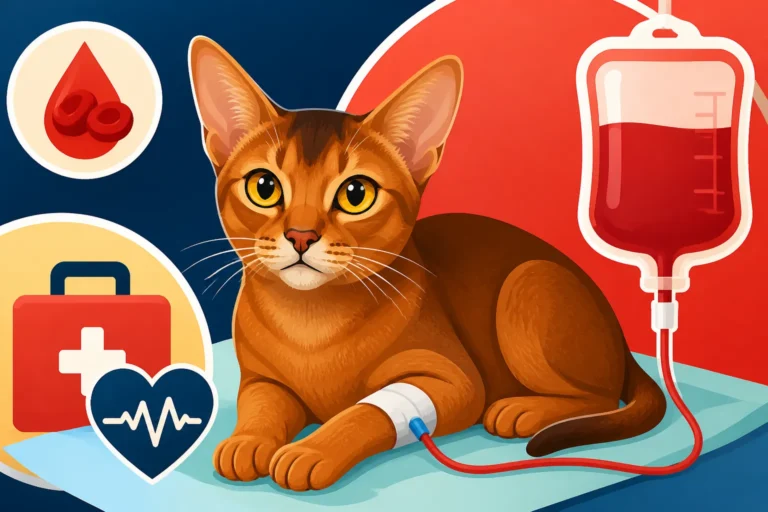
Despite the best care, accidents happen, and illnesses can strike. A sudden injury, an unexpected gastrointestinal upset, or the development of a chronic condition like hyperthyroidism or even early-onset kidney disease can lead to emergency vet visits, specialized diagnostics, medications, and ongoing treatments. These costs can easily run into thousands of dollars for a single incident. This is where the purchase price truly pales in comparison to the potential expenses.
While a good breeder tests for common genetic issues like PK deficiency and PRA-rdAc, other conditions can still arise. A cat diagnosed with a chronic illness might require daily medication, prescription diets, and frequent veterinary check-ups for the rest of its life, fundamentally altering your monthly budget.
Planning for the Long Term: Insurance, Boarding, and Senior Care
Thinking ahead is key to managing the lifetime costs of an Abyssinian. Beyond the daily and yearly necessities, there are plans you can make and provisions you should consider for the entirety of your cat's life.
Navigating Pet Insurance Options
Pet insurance can be a literal lifesaver for Abyssinian owners, especially when faced with those unexpected emergencies or chronic conditions. It helps mitigate the financial blow of major vet bills, allowing you to focus on your cat's health rather than the cost. Policies vary widely in coverage, deductibles, and monthly premiums, so it's important to do your research. Companies like Healthy Paws offer comprehensive plans that can cover accidents, illnesses, and even some emergency care.
The best time to get pet insurance is when your Abyssinian is young and healthy, before any pre-existing conditions develop. While it's an additional monthly expense, it provides peace of mind that can save you thousands in the long run. Many people wonder Whether Pet Insurance Is Worth It for an Abyssinian, and for a breed with specific health predispositions and an active lifestyle, the answer is often a resounding yes. It's a proactive step to manage those unpredictable, high-cost health events.
When You Can't Be Home: Boarding and Pet Sitting
Life happens, and sometimes you need to travel without your feline companion. Abyssinians are social and thrive on interaction, so leaving them alone for extended periods isn't ideal. This means budgeting for pet sitting or professional boarding. The cost can vary significantly depending on your location, the services offered, and the duration of your trip. A quality pet sitter who visits your home daily or a reputable boarding facility that provides ample stimulation and attention for active breeds can be an invaluable resource.
Consider whether your Abyssinian prefers the familiarity of their home with a sitter or the controlled environment of a boarding facility. These costs, whether for a weekend getaway or a longer vacation, add up over the years and are an important part of responsible pet ownership.
The Golden Years: Adapting to an Aging Abyssinian
As your Abyssinian enters its senior years, typically around age ten, their needs will change, and often, so will the costs. While a healthy Aby can live well into its teens, Caring for an Abyssinian Past Ten often involves more frequent veterinary check-ups, specialized senior diets, and potentially medications for age-related conditions like arthritis, kidney disease, or hyperthyroidism. You might also need to invest in ramps or lower climbing structures if their mobility decreases.
These twilight years can be some of the most expensive, as managing chronic conditions requires consistent care and sometimes costly treatments. Providing comfort and maintaining quality of life for an aging Abyssinian is a significant commitment, both emotionally and financially. This phase truly highlights why the initial purchase price becomes a distant memory when compared to the full spectrum of lifetime care costs.
| Cost Category | Initial Year Examples (Approximate Shape) | Ongoing Yearly Examples (Approximate Shape) | Lifetime (12-15 Years) Impact |
|---|---|---|---|
| Purchase Price | High one-time cost for the kitten itself. | N/A (one-time) | Minimal compared to total lifetime expenses. |
| Initial Vet Care | Vaccinations, spay/neuter, microchip, deworming (moderate to high). | Annual check-ups, booster shots, parasite prevention (moderate). | Consistent yearly spend, increasing with age. |
| Food & Treats | High-quality kitten food, special treats (moderate). | Premium adult cat food, puzzle feeder treats (moderate to high, consistent). | Significant cumulative expense, crucial for health. |
| Litter & Supplies | Multiple litter boxes, scoop, initial bag of litter (low to moderate). | Monthly litter supply, occasional replacement boxes (moderate, consistent). | Steady, ongoing cost. |
| Enrichment & Toys | Initial cat tree, assorted toys, scratching posts (moderate to high). | Regular toy rotation, replacement posts, wall shelves (moderate, ongoing). | Essential for mental/physical health, replaces destroyed items. |
| Dental Care | Potential for early gingivectomy (can be high if needed). | Yearly professional cleanings (moderate to high, often the largest vet cost). | Very high, especially as issues compound with age. |
| Pet Insurance | Monthly premiums (low to moderate). | Consistent monthly premiums (low to moderate). | Saves potentially thousands in emergency/chronic care over time. |
| Emergency/Illness | Unpredictable; can range from zero to very high for accidents/illness. | Unpredictable; can range from zero to very high. | Can be the single largest unexpected cost; insurance helps. |
| Boarding/Sitting | Occasional (varies based on travel). | Annual vacation/business travel (varies, moderate for a few trips). | Accumulates over years of travel. |
| Senior Care | N/A (unless adopting an older Aby). | Increased vet visits, specialized diets, medications, mobility aids (high). | Potentially very high in the last 2-5 years of life. |
Disclaimer
This article is for general informational purposes only and does not constitute professional advice. Laws, prices and regulations vary by location and change over time. Consult a qualified professional for guidance on your specific situation.