Whether an Abyssinian Wellness Plan Pays for Itself
It's a question many Abyssinian owners wrestle with: are those monthly wellness plan fees truly saving you money, or are you just prepaying for services your energetic little shadow might not even need? When you have a cat breed renowned for its boundless energy and playful antics, the idea of predictable vet costs sounds wonderful. But the reality of pet care, especially with a breed as unique as an Abyssinian, often means navigating unexpected twists and turns. This guide will help you unpack whether a wellness plan is a savvy financial move for your particular Abyssinian, or if other strategies might serve your wallet and your cat better.
Understanding What a Pet Wellness Plan Actually Covers and Doesn't
When you first look into a pet wellness plan, it can feel like a breath of fresh air. Imagine having many of your routine vet visits, vaccinations, and preventative care bundled into a neat monthly payment. For an active Abyssinian who lives life at full throttle, these regular check-ups are incredibly important for catching potential issues early. But it's crucial to distinguish what these plans are designed for and where their limitations truly lie.
The Routine Care Staples: Vaccinations, Exams, and Preventatives
Most wellness plans are structured around the preventative care that every cat, especially an Abyssinian, needs to stay healthy. This typically includes annual physical examinations, which are vital for a breed that often hides illness until it's quite advanced. Your vet can spot subtle changes in body condition or behavior that you might miss, especially with a cat as stoic as an Aby. Think about those yearly boosters, like the feline distemper and rabies vaccines—these are almost always covered.
Beyond vaccines, many plans also encompass routine deworming treatments, crucial for indoor/outdoor cats (though most Abyssinians are kept strictly indoors for their own safety) and for kittens. Flea and tick prevention is another common inclusion, and let's be honest, trying to remember those monthly doses can be a struggle for even the most organized among us. Some higher-tier plans might even throw in routine blood work, which is excellent for monitoring organ function as your Abyssinian approaches middle age, giving you peace of mind that nothing is silently brewing beneath that beautiful ticked coat. Keeping up with this regular schedule is critical for ensuring The Twelve to Fifteen Years an Abyssinian Usually Gets.
What Wellness Plans Don't Cover: The Big Unexpected Bills
Here's where the rubber meets the road and where many owners find themselves frustrated. A wellness plan is not pet insurance, and this distinction is paramount. While it covers the predictable, preventative stuff, it almost universally excludes the unexpected, expensive treatments that can truly devastate a budget. Did your Abyssinian decide to leap off the tallest cat tree and twist an ankle? Not covered. Did they suddenly develop an acute pancreatitis after sneaking a forbidden treat? Nope.
These plans typically don't cover accidents, illnesses, surgeries, or emergency care. They won't pay for diagnostic tests beyond the routine screenings, nor will they cover medications for chronic conditions like hyperthyroidism or kidney disease that an older Abyssinian might develop. This is a common point of confusion, and many pet parents mistakenly believe their monthly payment will cover everything, only to face a staggering bill when their beloved cat needs advanced care. For a breed with known genetic predispositions, like the risk of Renal Amyloidosis Is the Abyssinian Problem Nobody Can Test For, a wellness plan offers no financial protection against such a diagnosis.
Comparing Wellness Plans to Traditional Pet Insurance
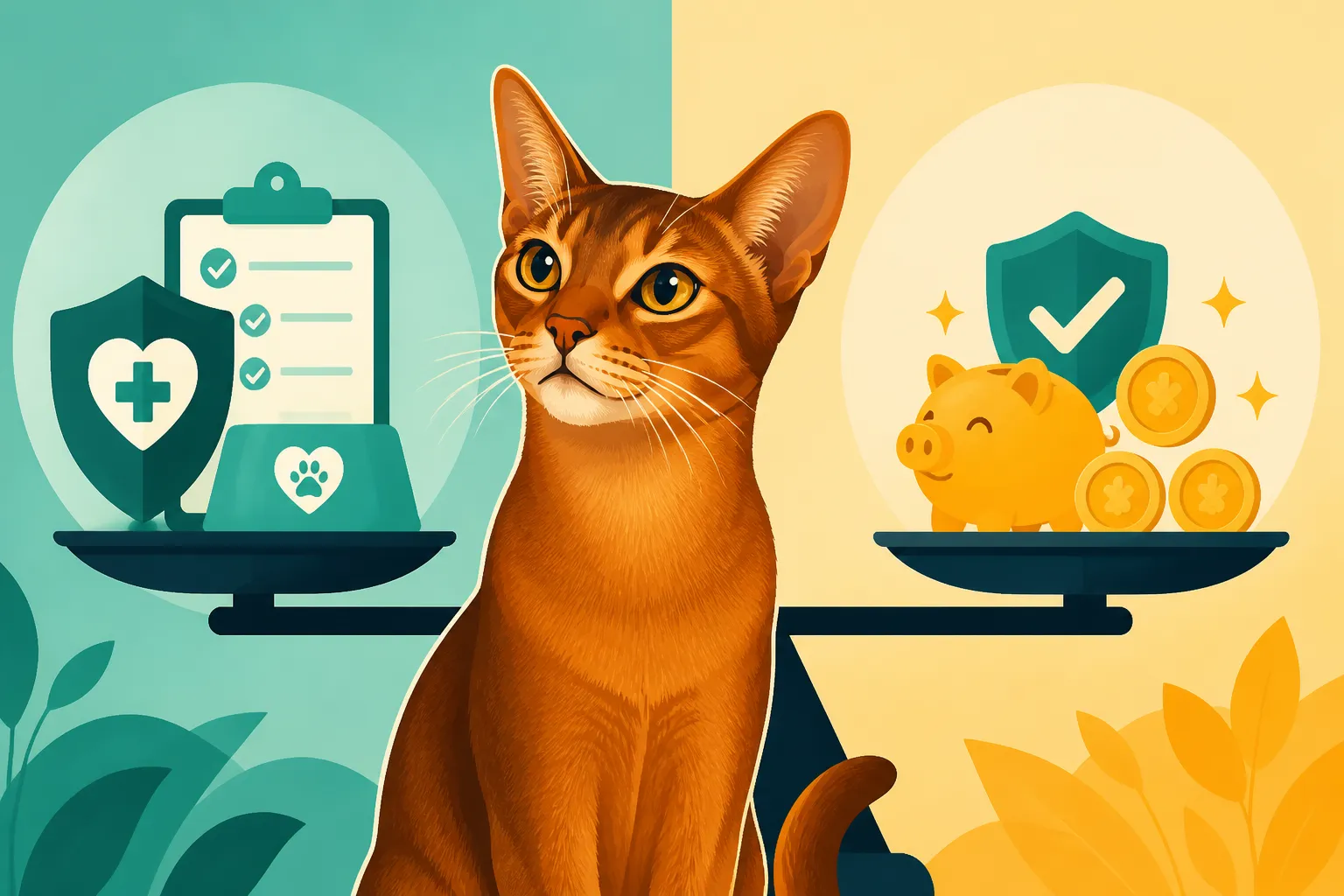
To truly understand a wellness plan's role, you need to see it alongside traditional pet insurance. Think of it this way: a wellness plan is like a gym membership – it helps you stay healthy and active, covering the routine costs of prevention and maintenance. You know you'll use it regularly, and it spreads out those predictable expenses.
Pet insurance, on the other hand, is like car insurance or home insurance. You hope you never have to use it, but if disaster strikes – an accident, a sudden illness, a major surgery – it's there to absorb the bulk of those often-astronomical costs. This is where you'd turn if your Abyssinian needed a complex dental extraction or had an emergency visit for ingesting something toxic. Some companies, like Healthy Paws, focus primarily on comprehensive accident and illness coverage, which is where the real financial risk for pet owners often lies. They are designed to protect against the unpredictable high costs, whereas wellness plans handle the predictable lower costs. One pays for the oil changes, the other pays if the engine blows.
Crunching the Numbers: When a Wellness Plan Makes Sense for Your Abyssinian
Deciding if a wellness plan is right for your Abyssinian involves more than just glancing at the monthly fee. You need to consider your cat's age, lifestyle, and breed-specific needs, then weigh those against the typical costs of routine veterinary care in your area. Sometimes, the numbers just don't add up, while other times, it's a clear winner.
The "Busy Kitten" Phase: High Upfront Vet Needs
This is perhaps the phase where a wellness plan can feel most beneficial. An Abyssinian kitten, with all its initial energy and inquisitiveness, needs a lot of upfront veterinary care. They'll have a series of vaccinations, often multiple deworming treatments, and an initial microchip. Then there's the big one: spaying or neutering. These procedures, especially surgery, can be a significant one-time expense.
A wellness plan designed for kittens often bundles these services, allowing you to spread out the cost over several months instead of facing one large bill at once. This can be a huge relief for new pet parents. For instance, What Vaccinations an Abyssinian Kitten Arrives With usually includes a core set, but subsequent boosters and the spay/neuter are additional. When you add up these initial visits, a wellness plan can sometimes offer a slight discount compared to paying for each service individually. It really helps manage What an Abyssinian's First Year Actually Costs, which can be surprisingly high due to these essential preventative steps.
The Healthy Adult Abyssinian: Annual Check-ups and Dental Care
Once your Abyssinian moves past kittenhood and into their prime, their routine vet needs typically settle into an annual rhythm. A yearly physical exam, perhaps some updated vaccines, and routine parasite prevention. For many healthy adult cats, these costs are fairly predictable. Here, the value of a wellness plan becomes a bit more nuanced. You need to calculate if the sum of your monthly payments for the year truly comes out less than, or even equal to, paying for just those few services out of pocket. Sometimes, the plan might include services your healthy cat doesn't strictly need every single year, like certain blood panels, making it less cost-effective.
However, one area where Abyssinians can incur significant routine costs is dental care. This breed is unfortunately prone to Why Abyssinian Gum Trouble Starts at Six Months, leading to issues like juvenile gingivitis and tooth resorption. Regular dental cleanings under anesthesia become a non-negotiable part of their care. These professional cleanings are often expensive, and some wellness plans include them or offer a significant discount. If your Abyssinian is predisposed to these issues, a plan covering dental care could prove invaluable, making the answer to "is it worth it?" a resounding yes for many owners struggling with Why Abyssinian Dental Work Is the Biggest Line in the Budget.
Evaluating Your Abyssinian's Lifestyle and Risk Factors
Your Abyssinian's individual life circumstances play a huge role in determining if a wellness plan will pay for itself. An indoor-only Abyssinian, while generally at lower risk for certain parasites or injuries, still benefits from routine vaccinations and preventative care. If you have multiple pets, especially other cats, the risk of contagious diseases can be higher, making consistent vaccination schedules even more critical.
Consider your cat's activity level. An Abyssinian is a veritable acrobat, always climbing, jumping, and exploring. While wellness plans don't cover accidents, maintaining peak physical health through good nutrition and regular check-ups can help prevent certain issues. However, even with the best diet and care, an Aby's natural athleticism can lead to unforeseen tumbles. It's about balancing proactive health management with an understanding of their breed-specific quirks.
The Hidden Costs and Considerations Beyond the Monthly Fee
While the headline price of a wellness plan looks simple, there's often more to the story. Beyond the monthly payment, there are important terms and conditions that can significantly impact the plan's overall value and whether it genuinely "pays for itself." Ignoring these details can lead to unexpected out-of-pocket expenses and a feeling of being short-changed.
Understanding the Fine Print: Deductibles, Waiting Periods, and Exclusions
Just like traditional pet insurance, wellness plans can come with their own set of tricky clauses. While deductibles are less common for wellness plans (as they're designed for predictable costs), some plans might have a waiting period before certain services become available. This means you might pay for a month or two before your kitten's spay surgery is covered, for example. More importantly, always scrutinize the list of exclusions. Are there specific tests or treatments that you assume are covered but are, in fact, not?
For instance, not all wellness plans include comprehensive diagnostic blood work or specialized dental procedures like extractions, even if they cover a basic cleaning. If your Abyssinian suddenly needs a full workup for unexplained Why an Abyssinian's Weight Loss Is Never Minor, the plan probably won't cover those expensive lab tests. The devil is truly in the details with these agreements, and a quick skim could cost you hundreds in the long run.
Flexibility vs. Fixed Services: The "Use It or Lose It" Dilemma
One of the biggest downsides to some wellness plans is their "use it or lose it" nature. Many plans offer a set menu of services for the year. If your Abyssinian doesn't need a particular vaccination that year, or if you miss an included vet visit, that portion of your prepaid fee is often non-refundable and doesn't roll over to the next year. This lack of flexibility means you could be paying for services your cat doesn't utilize, effectively diminishing the plan's value.
For an Abyssinian who might have slightly different needs from year to year, especially as they age, a fixed plan might not always align perfectly with their actual health requirements. If your vet recommends different screenings based on your cat's specific health trajectory, but the plan only covers a standard package, you'll still be paying extra out of pocket. This can feel particularly frustrating when you're diligently managing your pet's health, including their What an Abyssinian Costs to Keep Every Year which is already a significant investment.
The Mental Peace Factor: Is Convenience Worth the Cost?
While the purely financial calculation of "does it pay for itself" is important, it's also worth acknowledging the psychological aspect. For some pet owners, the primary benefit of a wellness plan isn't necessarily saving a huge amount of money, but rather the convenience and peace of mind it offers. Knowing that a significant portion of your routine vet bills are covered by a predictable monthly payment can ease budgeting worries and encourage you to stick to regular preventative care.
It removes the temptation to delay or skip routine appointments because of immediate cost concerns. For busy households, or those who find sudden large bills stressful, this predictable financial structure can be invaluable. Even if you break even or save only a small amount, the mental load reduction might be worth the cost. This is a personal decision, of course, but it's a valid factor to consider alongside the strict monetary calculations.
Making the Right Choice for Your Abyssinian and Your Wallet
Ultimately, the decision of whether an Abyssinian wellness plan pays for itself boils down to your personal financial situation, your cat's specific health needs, and your comfort level with risk. There's no one-size-fits-all answer, but by taking a strategic approach, you can make an informed choice.
Building Your Own "Wellness Fund"
For many, the most direct alternative to a wellness plan is simply to create your own dedicated "pet wellness fund." This involves setting aside a fixed amount of money each month into a separate savings account specifically for your Abyssinian's routine veterinary care. This approach offers ultimate flexibility: you only pay for the services you actually use, and the money is always there for whatever specific preventative care your vet recommends.
Let's say a wellness plan costs you around $40-$50 a month. By putting that same amount into a savings account, you'd have $480-$600 saved up annually. This fund can cover What an Abyssinian's Annual Checkup Costs, What an Abyssinian Dental Cleaning Costs (if you choose to fund it yourself), vaccines, and preventative medications. If your Abyssinian has a particularly healthy year and uses fewer services, you've saved money, and the unused funds roll over, growing for future needs or unexpected (but still routine) issues. This also ensures you have control over how and when you spend your money, without the constraints of a plan's specific inclusions or exclusions.
Researching Providers and Customizing Your Coverage
If you're leaning towards a wellness plan, thorough research is key. Don't just pick the first option presented. Look at different providers and compare their plans side-by-side. Some plans might be offered directly by your veterinary clinic, while others are third-party services. Check what each tier of coverage includes. Do they cover advanced dental cleanings, which are often a big expense for Abyssinians? Do they include urinalysis or fecal exams, which are important for detecting early health issues?
Consider looking at providers like Chewy, which offers not only a vast array of pet supplies but also often has links to vet services or even their own health plans that might include wellness options. Remember to differentiate between true pet insurance and wellness plans. Companies like Healthy Paws are well-regarded for their comprehensive pet insurance which covers accidents and illnesses, but a wellness plan is a separate offering that you might combine with insurance for broader coverage. The best approach might be a tailored combination: a solid pet insurance policy for emergencies, and a self-funded wellness account or a carefully chosen wellness plan for routine care. Whether Pet Insurance Is Worth It for an Abyssinian is a separate, but equally important, consideration.
Regularly Re-evaluating Your Plan as Your Abyssinian Ages
Your Abyssinian's health needs will change dramatically over their lifespan. A kitten needs frequent vaccinations and spay/neuter. A young adult might just need annual check-ups. As they enter their senior years, around age ten or twelve, their needs will shift again, often requiring more frequent blood work, specialized diets, and monitoring for age-related conditions. This is where Caring for an Abyssinian Past Ten becomes a different ballgame.
It's crucial to re-evaluate your wellness plan, or your self-funded approach, every year or two. Does the plan still align with your Abyssinian's current age and health status? Are you still getting value for your money, or are you paying for services they no longer need, or conversely, missing out on crucial age-appropriate screenings? Don't be afraid to switch plans, adjust your budget for your self-fund, or even cancel a plan if it no longer serves your furry family member best. Staying flexible and proactive in your financial planning for your Abyssinian’s health is the smartest long-term strategy.
| Service Category | Wellness Plan (Typical) | Self-Funded / Out-of-Pocket (Estimate) |
|---|---|---|
| Annual Exam | Usually fully covered | Individual charge (e.g., ~$60-$100) |
| Vaccinations | Core vaccines typically covered | Individual charge per vaccine (e.g., ~$20-$40 each) |
| Deworming | Often included | Individual charge (e.g., ~$20-$50 per dose) |
| Flea/Tick Prevention | Some plans include a few months' supply | Monthly purchase (e.g., ~$15-$30/month) |
| Routine Bloodwork | May be included in higher tiers | Individual charge (e.g., ~$100-$200) |
| Spay/Neuter (Kitten) | Often included or discounted in kitten plans | Significant one-time cost (e.g., ~$200-$500+) |
| Dental Cleaning | May be included or discounted (basic scale/polish) | Significant one-time cost (e.g., ~$300-$800+) |
| Emergency Care | Never covered (requires separate pet insurance) | Full cost paid out-of-pocket (e.g., ~$500-$5,000+) |
| Accident/Illness | Never covered (requires separate pet insurance) | Full cost paid out-of-pocket (e.g., ~$300-$10,000+) |
| Monthly Cost | Fixed monthly fee (e.g., ~$30-$70) | Variable, based on savings contributions or actual expenses |
| Flexibility | Limited to plan inclusions; "use it or lose it" | Complete flexibility; funds available for any vet-approved service |
| Peace of Mind | Predictable payments, encourages routine care | Full control of funds, potential for greater savings if needs are low |
Disclaimer
This article is for general informational purposes only and does not constitute professional advice. Laws, prices and regulations vary by location and change over time. Consult a qualified professional for guidance on your specific situation.