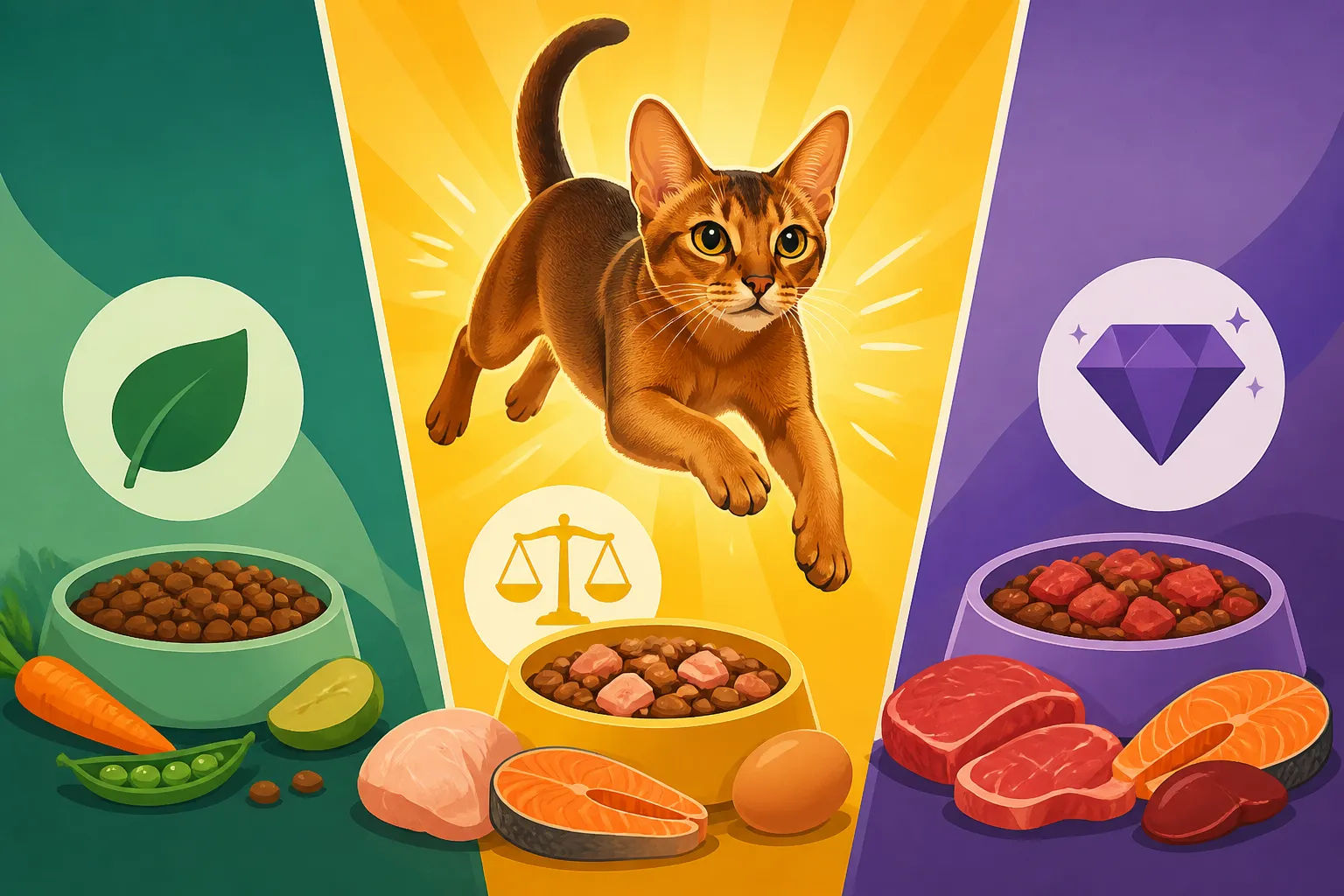
Which Food Budget Suits a High Energy Abyssinian
Ah, the Abyssinian! You’ve brought one of these magnificent, busy creatures into your life, and now you’re quickly learning that their boundless energy isn't just a joy to behold, it also translates directly into a very particular set of needs – especially when it comes to their food budget. It’s not simply about buying any cat food; it’s about finding the right fuel for their non-stop adventures without breaking the bank. This guide is here to walk you through what genuinely suits a high-energy Abyssinian, from understanding their unique metabolic demands to navigating the different food types and unexpected costs, helping you budget wisely for your agile companion.
Understanding the Abyssinian's High-Octane Metabolism
When you live with an Abyssinian, you know they aren't your typical couch potato cat. They're constantly in motion, exploring, climbing, leaping, and generally treating your home like their personal jungle gym. This isn't just cute behavior; it's a reflection of their incredibly high metabolism. Unlike some of their more sedate feline cousins, an Abyssinian burns through calories at an impressive rate, which means their dietary needs are often far more demanding than you might initially assume.
Think about it: every dart across the living room, every vertical ascent of a cat tree, every pounce on a toy mouse – it all requires energy. This sustained level of activity means their bodies are constantly in "go" mode, needing a consistent supply of high-quality fuel. If you've ever wondered Why an Abyssinian Eats More Than a Bigger Cat, this intense metabolic rate is a major part of the answer. They might be sleek and relatively lean, but they pack a powerful, calorie-demanding engine under that ticked coat. This isn't a cat you can just free-feed with low-quality kibble and expect them to thrive. Their physical prowess and mental agility demand more from their diet, which inherently impacts the food budget.
Why Calories and Protein are Paramount
For an Abyssinian, calories aren't just about weight maintenance; they're the raw power that drives their energetic lifestyle. Under-feeding an Abyssinian, or feeding them food that's low in caloric density and nutritional value, can lead to a host of problems, from lethargy (a rare sight in an Aby!) to muscle mass loss. You might find yourself asking How Many Calories an Adult Abyssinian Burns, and the answer is usually more than you think for their size. It’s crucial that the food you choose delivers enough energy without excessive fillers that don't contribute to their lean physique.
Beyond sheer calories, the source of those calories matters immensely, especially when it comes to protein. Abyssinians are obligate carnivores, and their active bodies require a diet rich in animal-based protein to maintain their strong muscles and support their rapid movements. A diet lacking in adequate, high-quality protein can lead to muscle wasting over time, impacting their ability to climb and play with their characteristic zest. Understanding Which Protein Level Keeps an Abyssinian's Muscle On is key to a healthy Aby, and this often steers you towards premium cat foods that prioritize meat ingredients over plant-based fillers or by-products. This focus on high protein, while beneficial, is also one of the primary drivers of a higher food budget for this breed.
Navigating Food Types and Their Budget Implications
The world of cat food can be overwhelming, with endless options ranging from dry kibble to gourmet wet food and even raw diets. Each type comes with its own set of benefits, drawbacks, and, crucially, different price points. For a high-energy Abyssinian, choosing the right combination isn't just about taste; it's about meeting their unique needs while balancing your financial reality.
The Dry Kibble Dilemma: Convenience vs. Hydration
Dry kibble is often the most budget-friendly option and undeniably convenient. You can buy large bags, it stores well, and it's easy to portion. However, for an Abyssinian, relying solely on dry kibble presents a significant challenge: hydration. Cats, by nature, don't have a strong thirst drive, evolved as they were to get most of their moisture from their prey. Dry kibble offers very little moisture content, meaning your Abyssinian has to drink a substantial amount of water to compensate.
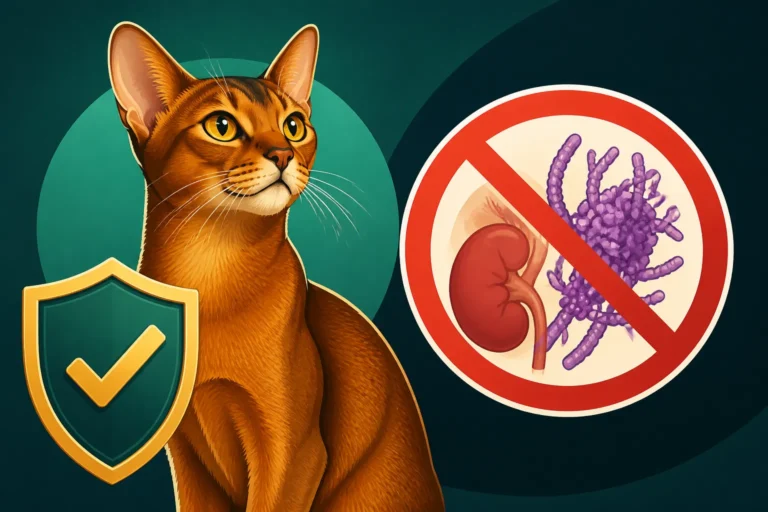
This becomes especially pertinent when considering the Abyssinian's predisposition to certain health issues, particularly kidney problems. Adequate hydration is paramount for kidney health. So, while a big bag of dry food might seem like a budget win upfront, the potential long-term veterinary costs associated with dehydration-related issues could quickly outweigh any savings. Why Kibble Alone Leaves an Abyssinian Short of Water is a critical question for Aby owners. If dry food is a primary component of your budget, ensure your cat has multiple fresh water sources, including a fountain, and consider supplementing with wet food.
The Wet Food Advantage: Moisture and Micronutrients
Wet food, while generally more expensive per serving than dry kibble, is a game-changer for Abyssinian health. Its high moisture content directly addresses their low thirst drive, significantly boosting their daily fluid intake. This is incredibly important for maintaining healthy urinary tracts and supporting kidney function, which can be a concern for Abyssinians. Why Wet Food Protects an Abyssinian's Kidneys isn't just a marketing slogan; it's a physiological truth for felines.
Beyond hydration, many wet foods are formulated with higher quality animal proteins and fewer fillers than their dry counterparts. This aligns perfectly with an Abyssinian's need for a rich, meat-based diet. Incorporating wet food, even if it's just one meal a day, can make a huge difference to their overall health and energy levels. While it might increase your monthly food budget, it can be viewed as a proactive investment in preventing future health issues, potentially saving on costly vet bills down the line. Look for sales or consider buying cases in bulk from online retailers like Chewy to help manage the cost.
Raw and Fresh Diets: The Premium Choice
For some Abyssinian owners, raw or fresh-prepared diets represent the ultimate in species-appropriate nutrition. These diets typically consist of raw meat, organs, and bone, or gently cooked, human-grade ingredients. The benefits can be significant: superior hydration, highly digestible protein, and often an abundance of natural micronutrients. Many owners report glossier coats, higher energy, and better digestion with these diets.
However, this comes with the highest price tag. Preparing a balanced raw diet yourself requires extensive research and careful supplementation, and ready-made raw or fresh options are often a premium service. You're not just buying ingredients; you're often paying for the convenience of precise formulation and delivery. While highly beneficial, a raw or fresh diet dramatically impacts your food budget, making it a significant financial commitment. How to Balance a Raw Diet for an Abyssinian is a complex topic that requires serious consideration before embarking on it.
Considering Beyond the Basic Bowl: Treats, Supplements, and Health
When planning your Abyssinian's food budget, it's easy to focus solely on their daily meals. But these dynamic cats often require more than just a bowl of food to thrive. Treats, supplements, and even the occasional unexpected veterinary dietary adjustment can add significant costs that need to be factored into your overall financial plan.
Treats: For Training and Enrichment
Abyssinians are incredibly intelligent and highly trainable. They respond wonderfully to positive reinforcement, and treats are an essential tool for clicker training, teaching tricks, or simply rewarding good behavior. From teaching them to fetch to harness training, a steady supply of tasty, high-value treats is a must. Which Treats an Abyssinian Will Actually Work For are usually meat-based, freeze-dried options that are rich in flavor and appealing.
However, treats aren't just for training. Abyssinians also benefit immensely from enrichment toys like puzzle feeders, which often require treats or small portions of their kibble to function. These feeders engage their active minds and provide a "job," helping to prevent boredom and destructive behaviors. While the puzzle feeder itself is a one-time cost, the regular use of treats or special kibble to fill it becomes an ongoing line item in your budget. It's an investment in their mental well-being, but an investment nonetheless.
Supplements: Supporting Their Active Lives
While a complete and balanced diet should ideally provide all necessary nutrients, there might be times when supplements become a consideration for your Abyssinian. For example, with all their jumping and climbing, joint support supplements might be recommended by your vet as they age. Omega fatty acids for coat health or probiotics for digestive issues are other common additions.
These aren't daily necessities for every Aby, but it’s wise to keep a mental buffer in your budget for potential supplements. They can range from relatively inexpensive oils to more costly specialized formulas. Discuss any potential supplements with your veterinarian to ensure they are appropriate and beneficial for your individual cat's needs.
Unexpected Health Costs and Diet Adjustments
Perhaps the most significant "hidden" cost related to an Abyssinian's food budget comes from unforeseen health issues. Despite their generally robust nature, Abyssinians can be prone to certain conditions that might necessitate prescription diets or specialized nutritional support. Renal amyloidosis, for instance, can affect their kidneys and may require a specific kidney-supportive diet that is typically more expensive than standard maintenance food. What Kidney Failure Looks Like in a Young Abyssinian is a heartbreaking reality, and managing it often involves specialized veterinary diets.
Another common issue for Abyssinians is juvenile gingivitis, which can escalate to significant dental problems. While proper dental care is crucial, if dental issues arise, a softer, more palatable diet might be necessary temporarily or long-term. These prescription diets, while vital for managing a condition, come at a premium price. This is where comprehensive pet insurance, perhaps from a provider like Healthy Paws, can be an absolute lifesaver. It won't cover the cost of the food itself, but it can help offset the diagnostic and treatment costs that lead to the need for a specialized diet, protecting your budget from sudden, high expenses.
Strategies for Managing Your Abyssinian's Food Budget
It's clear that feeding a high-energy Abyssinian well can be a significant financial undertaking. But with a bit of savvy planning and strategic shopping, you can provide them with the best possible nutrition without constantly worrying about your bank balance.
Prioritize Quality Over Brand Hype
When it comes to cat food, a higher price tag doesn't always guarantee superior quality, nor does a cheaper price always mean it's inferior. Learn to read ingredient labels. Look for whole meat sources (chicken, fish, turkey) as the first few ingredients, minimal fillers (corn, wheat, soy), and clear declarations of nutrients. Sometimes a lesser-known brand offers excellent quality at a more reasonable price than a heavily marketed "premium" brand.
Don't be swayed by fancy packaging or clever advertising. Focus on what's actually in the food. Researching reviews from other informed cat owners and consulting your vet for recommendations can also guide you towards high-value options that suit your Abyssinian's needs and your budget.
Buying in Bulk and Utilizing Sales
For dry kibble and even some types of wet food, purchasing in larger quantities can significantly reduce the per-unit cost. If you have the storage space and are confident your Abyssinian enjoys a particular food, buying the largest available bag or a case of wet food can lead to substantial savings over time. Many online retailers, such as Chewy, offer bulk discounts or subscription services that provide a percentage off regular prices, along with the convenience of home delivery.
Keep an eye out for sales, promotions, and loyalty programs from your preferred pet stores or online vendors. Signing up for email newsletters from brands you like can alert you to upcoming discounts. Timing your purchases to coincide with these events can help you stock up and save money, ensuring your Abyssinian never runs out of their favorite, nutritious meals.
Homemade or Fresh-Prepared Options: Cost-Benefit Analysis
While a fully homemade raw diet can be incredibly expensive and time-consuming, incorporating some fresh elements can be a cost-effective way to boost nutrition. For instance, you might offer cooked chicken breast or small amounts of lean meat as treats or meal toppers, rather than relying on commercial cat treats. This can sometimes be cheaper than buying specialized high-protein treats, and you have complete control over the ingredients.
For those considering fresh-prepared meal services, carefully evaluate the cost-benefit. While these are typically at the higher end of the budget spectrum, they offer convenience and human-grade nutrition. If your Abyssinian thrives on such a diet and you can budget for it, the peace of mind regarding quality might be worth the investment. However, always calculate the daily cost per serving to truly understand the long-term financial impact.
Investing in Preventative Care
Ultimately, one of the best ways to manage your Abyssinian's food budget long-term is to invest in their overall health and preventative care. Regular veterinary check-ups are essential to catch any potential health issues early, before they become serious and costly. Your vet can monitor their weight, dental health, and discuss any changes in appetite or energy. How Often a Healthy Adult Abyssinian Needs Checking is usually once a year, but for seniors or those with concerns, it might be more frequent.
A healthy Abyssinian, supported by a well-chosen diet, is less likely to incur expensive emergency vet visits or require costly prescription foods. Think of your food budget not just as an expense, but as a critical investment in your active Abyssinian's long, happy, and healthy life. This holistic approach ensures that your beautiful, energetic companion continues to thrive without unexpectedly straining your finances.
Disclaimer
This article is for general informational purposes only and does not constitute professional advice. Laws, prices and regulations vary by location and change over time. Consult a qualified professional for guidance on your specific situation.