Which Treats an Abyssinian Will Actually Work For
It's a common frustration for Abyssinian owners: you bring home a bag of fancy cat treats, convinced your energetic, intelligent companion will adore them, only to have them sniff disdainfully and walk away. Abyssinians are known for their discerning palates and incredibly active minds, meaning a simple, bland treat often won't cut it. This guide will delve into the types of treats that genuinely capture an Abyssinian's interest, understanding their unique needs and how to leverage treats for both their enjoyment and your training goals.
Understanding Your Abyssinian's Treat Psychology
Abyssinians aren't your typical lounge-around-and-munch kind of cat. They are bundles of energy, highly intelligent, and incredibly curious. This unique personality heavily influences what kind of treats they'll actually respond to, and more importantly, how you should present them. If you’ve ever wondered why your Abyssinian seems to turn up their nose at perfectly good offerings, it’s not just stubbornness; it’s usually their innate preferences at play.
The Abyssinian's Play-Driven Nature
Think of your Abyssinian as a tiny, highly efficient hunter, even if their prey is just a crinkle ball under the sofa. Their day is a series of investigations, climbs, and bursts of activity. This means a treat that simply sits in a bowl might not hold their attention as much as one they have to "work" for. For many Abyssinians, the act of hunting or solving a puzzle to get a treat is often as rewarding as the treat itself. They thrive on engagement, and food, including treats, can be a fantastic tool to provide that mental and physical stimulation. This explains Why an Abyssinian Is the Busiest Cat in the House and how important it is to channel that energy.
Their strong prey drive means treats that mimic the texture or smell of real meat often win out over highly processed, crunchy alternatives. They want something substantial, something that feels like a reward for their effort. It’s not just about calories; it’s about satisfying that primal instinct. If a treat doesn't offer that sensory experience, they might just bat it around for a moment before moving on to more stimulating pursuits.
Consider the presentation, too. Tossing a treat for them to chase and pounce on can elevate its appeal immensely. It turns a mundane snack into a miniature hunt, engaging their agility and natural instincts. This kind of interactive treat time builds a stronger bond with you and reinforces positive associations with both the treat and the interaction.
Why Pickiness is a Sign of Intelligence
It can feel a bit insulting when your Abyssinian rejects a treat you painstakingly chose. But in reality, their pickiness is often a testament to their intelligence and keen senses. Abyssinians have a highly developed sense of smell and taste. They can detect subtle differences in ingredients and textures that other cats might overlook. They’re not just eating; they’re evaluating.
This discerning nature means they quickly learn what they like and what they don't. Once they've decided a certain treat isn't up to their standards, it's rare to change their mind. This isn't stubbornness, but rather a clear preference based on their sensory input. They know what they want, and they’re not afraid to communicate it by simply walking away.
Furthermore, Abyssinians are often sensitive to artificial ingredients, strong odors, or overly hard textures. Their preference for natural, high-quality, and palatable treats is a reflection of their refined palate. It pushes us, as owners, to be more intentional about what we offer them, which ultimately leads to healthier choices. This discernment ensures they only ingest what truly appeals to their sophisticated feline sensibilities.
The Role of Novelty in Keeping Their Interest
Abyssinians, with their bright minds and endless curiosity, are easily bored. This applies to their treats just as much as their toys or their environment. The treat that was a huge hit last week might be met with indifference today if it’s offered too frequently. They crave new experiences and new challenges, and this desire for novelty extends to their snacks.
Keeping a rotation of different high-value treats can be incredibly effective. Instead of sticking to one type, try having a few favorites on hand and cycling through them. This prevents "treat fatigue" and keeps them guessing, which for an Abyssinian, is half the fun. They appreciate the surprise and the constant intellectual engagement.
Introducing new flavors or textures intermittently also sparks their interest. Perhaps a soft, chewy treat one day, and a crunchy, freeze-dried one the next. This variety not only stimulates their senses but also offers different nutritional profiles. It’s like keeping them on their toes, always ready for the next exciting taste experience, much like how How Many Hours a Day an Abyssinian Stays Active suggests they need constant mental and physical stimulation.
Types of Treats That Actually Work for Abyssinians
When it comes to Abyssinians, "any old treat" just won't cut it. Their high energy, intelligence, and often sensitive digestive systems mean you need to be strategic in your choices. The best treats for these vivacious cats are those that cater to their predatory instincts, offer high nutritional value, and ideally, provide some form of engagement.
High-Value, Meaty Treats for Training
For an Abyssinian, a "high-value" treat usually means something that tastes, smells, and feels like real meat. These are the treats that get their full attention, making them indispensable for training and positive reinforcement. When you're trying to teach a new trick, like How to Teach an Abyssinian to Fetch, or reinforce good behavior, you need a reward that is truly irresistible.
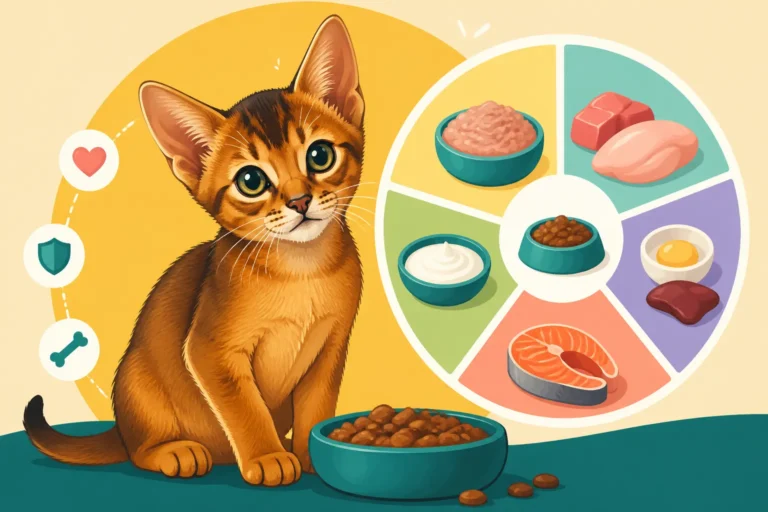
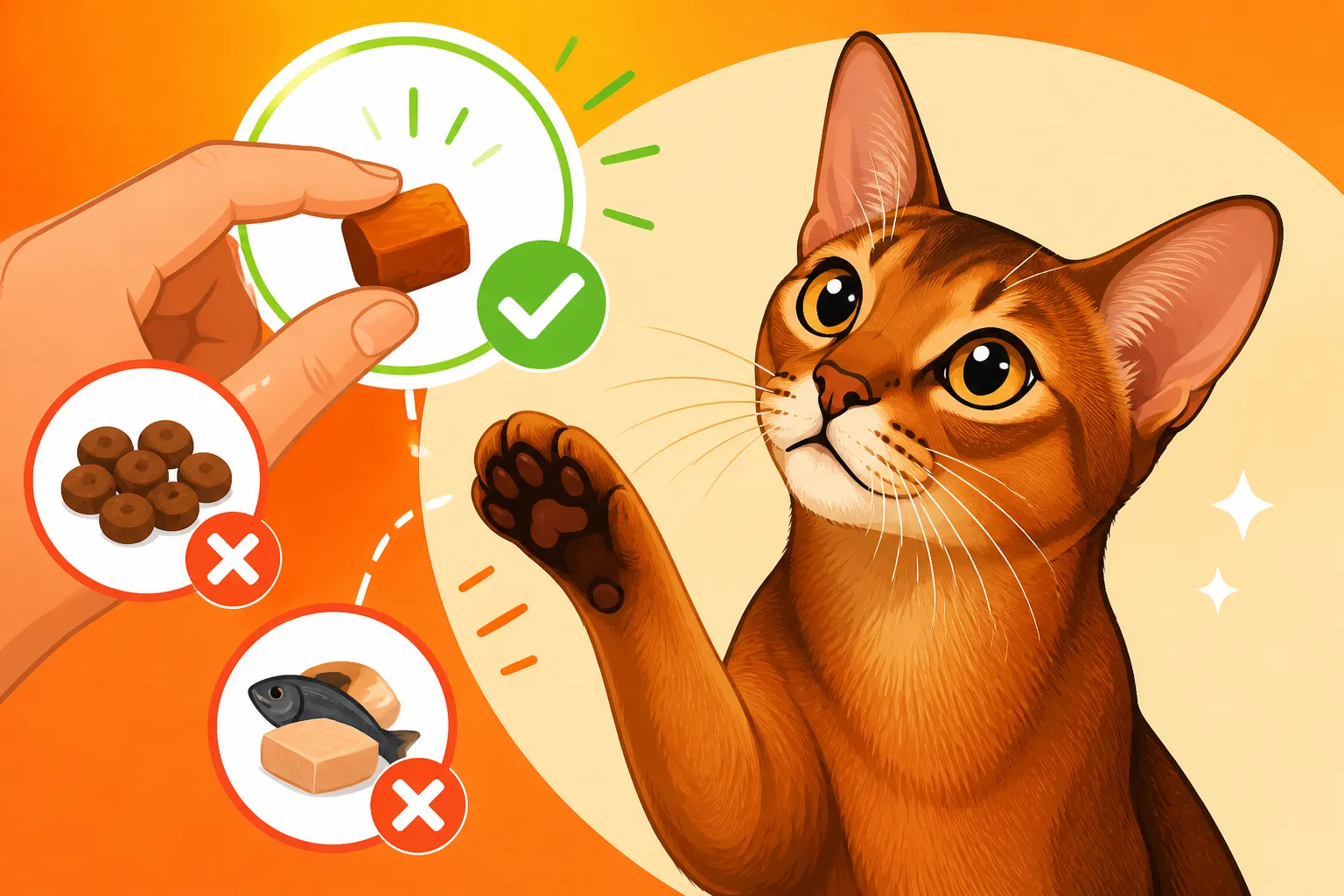
Freeze-dried meat treats are often at the top of an Abyssinian’s preference list. They are typically single-ingredient, offering the concentrated flavor and aroma of real chicken, salmon, or liver. Brands like Stella & Chewy's or Orijen often have excellent freeze-dried options. Because they're so potent, you can often break them into small pieces, making each treat last longer and reducing calorie intake. The texture is usually appealing, crumbling easily or rehydrating slightly with a lick, providing a satisfying mouthfeel.
Another excellent option can be soft, chewy treats made with a high percentage of real meat. These often have a texture that mimics a fresh kill, which can be highly appealing to an Abyssinian. Look for treats with limited ingredients and no artificial colors or flavors. Some cats prefer the softer consistency, especially if they have sensitive teeth or gums. Many cat treats now emphasize whole, human-grade ingredients that are very appealing to discerning Abyssinians.
Finally, small pieces of cooked, unseasoned chicken breast or tuna can also serve as incredibly high-value rewards. These human-grade options are often the ultimate motivator because they are fresh and unprocessed. Just ensure they are cooked thoroughly and given in very small quantities to avoid upsetting their digestion or becoming too calorie-dense.
Interactive and Puzzle Feeder Treats
Given their intellectual prowess and boundless energy, Abyssinians thrive on mental stimulation. Treats presented in an interactive way can turn snack time into a challenging game, engaging their natural problem-solving skills and preventing boredom. This is where the magic really happens for an Abyssinian.
Puzzle feeders are a fantastic investment for Abyssinian owners. These devices require your cat to bat, nudge, or manipulate parts of the feeder to release treats. They can range from simple treat balls to more complex mazes. Brands available on platforms like Amazon or Chewy offer a wide variety, from plastic designs to ceramic feeders. The key is to find one that is challenging enough to keep their interest but not so difficult that it causes frustration. Which Puzzle Feeders Hold an Abyssinian's Attention is a topic many owners explore to keep their active cats engaged.
Using treats during active play sessions also works wonders. Instead of just handing over a treat, try tossing it for your Abyssinian to chase, or hide it for them to sniff out. This taps into their predatory instincts and adds an exciting dimension to treat-giving. Laser pointers, wand toys, or even just a crinkled piece of paper can be used to direct their "hunt" towards a hidden treat, making the reward feel earned and more satisfying.
For a unique twist, consider a snuffle mat for cats. While traditionally used for dogs, a cat-sized snuffle mat with small pockets or folds can be a great way for an Abyssinian to use their nose and paws to forage for treats. It slows down their eating, prevents scarfing, and provides a rewarding sensory experience that satisfies their curiosity and innate desire to explore and uncover.
Dental Health Treats (If They'll Even Consider Them)
Dental health is a critical, yet often overlooked, aspect of feline care, and Abyssinians are no exception. In fact, due to conditions like juvenile gingivitis, dental care can be a huge part of their routine. While brushing is always best, dental treats can offer a supplemental benefit, provided your Abyssinian is willing to eat them. Many Abyssinian owners lament their cat's refusal of these specific treats, making the search for an acceptable one a true quest.
The challenge with dental treats for Abyssinians is their texture. Many are designed to be crunchy or slightly abrasive to help scrub plaque from teeth. However, if a treat is too hard or too large, your Abyssinian might simply refuse it or chew it inefficiently. You might find success with smaller, softer dental chews that have a strong, appealing flavor, like chicken or fish. Brands often formulate these with ingredients that help reduce plaque and tartar buildup.
It's also worth noting that no dental treat, no matter how effective, can replace regular veterinary dental cleanings or diligent home care, such as brushing. For Abyssinians prone to gum issues, such as those that might lead to a Gingivectomy for an Abyssinian Kitten, supplemental treats are just one piece of a larger puzzle. Think of them as a bonus, not a primary solution.
When introducing dental treats, integrate them slowly and make them part of a positive routine. You might start by offering one after a successful play session, associating it with positive feelings. Observe how your Abyssinian chews it; if they just swallow it whole, it's likely not providing much dental benefit. The goal is for them to actually crunch and engage their teeth with the treat's surface.
| Treat Type | Primary Purpose | Abyssinian Appeal | Examples/Considerations |
|---|---|---|---|
| Freeze-Dried Meats | Training, High Reward | Intense real meat flavor, high protein, satisfying texture | Chicken, salmon, liver; can be broken into small pieces |
| Soft Chews | Training, Reward | Chewy, meaty texture, often palatable flavors | High-meat content, limited ingredients; good for sensitive mouths |
| Puzzle Feeder Treats | Mental Stimulation, Engagement | Requires "work," satisfies prey drive, prolongs enjoyment | Small, dry kibble or small, palatable treats; use in interactive toys |
| Dental Chews | Oral Health Supplement | Variable; needs appealing flavor/texture for acceptance | Specifically formulated to reduce plaque; look for VOHC seal |
| Human-Grade Meats | Ultra High Reward | Fresh, natural taste and texture, highly motivating | Small pieces of cooked chicken, tuna (plain, unsalted, no seasoning) |
Strategies for Successful Treat Giving
It's not just what you offer your Abyssinian, but how you offer it that can make all the difference. Their intelligent and discerning nature means that a thoughtful approach to treat giving will yield far better results than simply tossing a few their way. These strategies capitalize on their natural instincts and help reinforce a positive relationship with both you and the treats.
Using Treats in Training and Reinforcement
Abyssinians are incredibly smart and highly trainable, and treats are your secret weapon in this endeavor. Whether you're trying to teach them to come when called, to sit, or even more complex tricks like fetching, a high-value treat can be the ultimate motivator. The key is to use them strategically as positive reinforcement.
First, identify what truly qualifies as a "high-value" treat for your Abyssinian. It might be a specific freeze-dried salmon cube, a tiny piece of cooked chicken, or even a particular brand of soft chew. Once you know their top-tier reward, reserve it specifically for training sessions. Don't use it for casual snacking; its exclusivity will make it even more desirable when it's time to learn. Why Clicker Training Works on an Abyssinian is a prime example of how pairing a specific sound with a high-value treat can accelerate their learning and make training fun and effective.
Timing is crucial. The treat needs to be delivered immediately after the desired behavior occurs, ideally within 1-2 seconds. This instant feedback helps your Abyssinian connect the action with the reward. For instance, if you're teaching them to sit, the moment their rear touches the ground, offer the treat. This clear association is what makes training so effective. Remember, too, that Why an Abyssinian Learns Faster When It Is Hungry is a real phenomenon – training before mealtime can often boost motivation.
Keep training sessions short, frequent, and positive. Abyssinians have an incredible attention span for things they find stimulating, but they can also get bored easily if a task feels repetitive or unrewarding. End on a high note, even if it's just for one successful repetition, to ensure they remain eager for the next session.
Incorporating Treats into Playtime
For an Abyssinian, playtime isn't just exercise; it's a full-body and mind engagement. Integrating treats into their play routine can amplify the fun and provide additional mental stimulation. It turns passive treat consumption into an active, rewarding experience that aligns with their innate hunting instincts.
One of the simplest ways is to use treats for "prey drives." Instead of just leaving a treat out, toss it across the room and let your Abyssinian chase it down. This mimics the hunt, the chase, and the capture, all culminating in the reward. You can even hide small treats in various locations around a room, creating a scent-driven scavenger hunt that keeps them engaged and active. This also taps into their natural foraging behaviors, providing enrichment beyond just the physical act of playing.
Wand toys are excellent tools for incorporating treats. After a successful "capture" of the toy, reward your Abyssinian with a small, high-value treat. This reinforces their engagement with the toy and makes the entire play experience more satisfying. It teaches them that their active participation in play leads to tangible rewards. This approach works particularly well when teaching more complex interactive games, like How to Teach an Abyssinian to Fetch.
Another method is to use treat-dispensing toys during independent play. These toys, often available from stores like Chewy or Amazon, release treats as your cat bats or rolls them around. It transforms a simple toy into a puzzle, challenging their intellect and providing a delicious reward for their efforts. This is especially useful for those times when you can't actively play with them but want to ensure they remain stimulated.
The Importance of Variety and Rotation
The Abyssinian's intelligent and curious nature means they thrive on novelty. Offering the same treat day in and day out is a surefire way to have them lose interest, no matter how much they initially loved it. Think of it like serving your favorite meal every single day – eventually, you'd crave something different!
Establishing a "treat rotation" is vital for keeping your Abyssinian engaged and excited about their rewards. Instead of having just one type of treat on hand, aim for three to five different high-quality options. You can categorize them by flavor, texture, or even by the specific context you use them in (e.g., one for training, one for puzzle feeders, one for an occasional special snack). This ensures that each treat feels fresh and exciting when offered.
A rotating schedule could mean offering chicken-flavored treats on Monday, salmon on Wednesday, and a unique soft chew on Friday. Or, you could vary the type within the same session, using a freeze-dried bite for a trick and a small dental chew for a quick reward afterwards. This unpredictability piques their curiosity and keeps their discerning palates interested.
Beyond just treats, varying the method of delivery also contributes to novelty. Sometimes it's a treat from your hand, sometimes from a puzzle, and sometimes hidden for a search. This multi-faceted approach ensures that your Abyssinian continues to find treat time stimulating, enriching, and a valued part of their day. It’s all about preventing boredom and maximizing their joy in every interaction.
Treats to Approach with Caution (or Avoid Altogether)
While the goal is to find treats your Abyssinian loves, it's equally important to know which ones might be detrimental to their health or simply ineffective for their specific personality. Not all treats are created equal, and some can do more harm than good, especially for a breed with particular needs like the Abyssinian.
Low-Quality or Filler-Heavy Treats
Many mass-produced cat treats on the market are unfortunately filled with ingredients that offer little to no nutritional value and can even be harmful in the long run. These often include corn, wheat, soy, artificial colors, flavors, and preservatives. For an Abyssinian, who is often quite discerning, these treats are typically ignored, or if eaten, provide empty calories without satisfying their true dietary needs.
Your Abyssinian's body is designed to process animal protein, not grains and fillers. Feeding them treats high in these ingredients can lead to digestive upset, allergies, or simply contribute to unnecessary carbohydrate intake. They thrive on diets rich in meat, and their treats should reflect this. If a treat’s first ingredient isn’t a named meat source (e.g., chicken, salmon, tuna), it’s probably best to avoid it.
Beyond the ingredients, low-quality treats often lack the appealing aroma and texture that an Abyssinian seeks. Their keen senses will quickly detect a lack of real meat flavor, leading to the infamous "sniff and walk away" response. Investing in high-quality, meat-first treats, even if they cost a bit more, is a far better use of your money and will be much more appreciated by your feline friend.
Treats Too High in Calories
While Abyssinians are known for their high metabolism and active lifestyles, which allow them to burn through calories quite efficiently, treats still contribute to their overall daily intake. It's easy to overdo it, especially if you're using treats frequently for training or enrichment. Even for a cat that is constantly on the move, like an Abyssinian, unchecked calorie intake from treats can lead to unhealthy weight gain or, more commonly, an imbalanced diet.
Many commercial treats, particularly softer or semi-moist varieties, can be surprisingly calorie-dense. A few seemingly small treats can add up to a significant portion of your Abyssinian's recommended daily caloric intake, especially if they are also eating a balanced diet of high-quality cat food. This means they might be getting too many treat calories and not enough of the essential nutrients from their regular meals. While How Fast Treats Undo an Abyssinian's Weight may not be a common concern for them, it's still about ensuring their overall diet is balanced and healthy.
The solution isn't to eliminate treats entirely, but to be mindful of portion sizes and caloric content. Opt for smaller treats or break larger ones into tiny pieces. Always check the nutritional information on the treat packaging to understand how many calories each piece contains. A good rule of thumb is that treats should make up no more than 10% of your Abyssinian's daily caloric intake. This ensures they get the enjoyment of treats without compromising their main diet.
Human Foods That Aren't Cat-Safe
It's tempting to share bits of your own food with your adorable Abyssinian, especially when they give you those big, expressive eyes. However, many human foods are not safe for cats, and some can be downright toxic. Even seemingly harmless items can cause digestive upset or long-term health problems.
Common culprits include onions, garlic, chives (all toxic to cats and can cause red blood cell damage), grapes and raisins (can cause kidney failure), chocolate (contains theobromine, toxic to cats), and avocado (contains persin, which can be toxic). Even dairy products, like milk or cheese, which many people associate with cats, can cause digestive issues in adult felines due to lactose intolerance. While a tiny, unseasoned bit of cooked chicken or fish can be a safe and high-value treat, anything else from your plate should be carefully vetted.
Always err on the side of caution. If you're unsure whether a human food is safe, it's best to avoid giving it to your Abyssinian entirely. There are plenty of cat-specific treats available that are formulated to be safe and nutritious for them. Sticking to these purpose-made feline treats protects your Abyssinian from potential harm and ensures they're getting appropriate nutrition. Your vet can also offer guidance on what human foods, if any, are safe for occasional treats.
Disclaimer
This article is for general informational purposes only and does not constitute professional advice. Laws, prices and regulations vary by location and change over time. Consult a qualified professional for guidance on your specific situation.