Whether a Cheap Abyssinian Ever Works Out
It’s incredibly tempting when you’re dreaming of bringing an active, playful Abyssinian into your home to look for ways to make that dream a reality without breaking the bank. You might be scrolling through listings and spot an Abyssinian kitten advertised at a price significantly lower than what reputable breeders are asking, and your heart might skip a beat, thinking you’ve found a fantastic deal. This guide is here to shed some light on why that "cheap" Abyssinian often comes with a much higher price tag in the long run, both financially and emotionally, and to help you navigate the true costs of responsible Abyssinian ownership.
The Lure of the Low Price Tag and Its Red Flags
We've all been there, searching for a bargain, and it’s natural to want to save money. However, when it comes to living creatures, especially a specific breed like the Abyssinian, a drastically lower price is almost always a warning sign, not a stroke of luck. It's crucial to understand why these price differences exist, as they directly impact the health, temperament, and ultimate cost of your future feline companion.
Why Some Abyssinians Are Advertised as "Cheap"
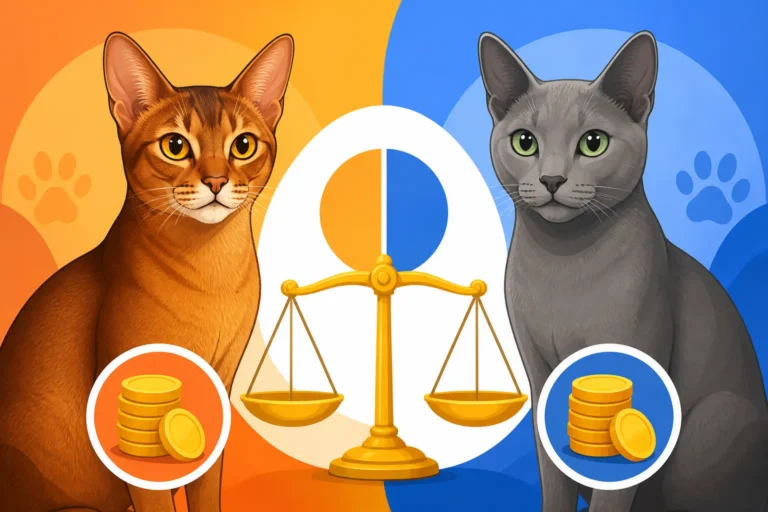
Often, when you see an Abyssinian advertised at a suspiciously low price, it’s because the person selling it has cut corners. These savings aren't passed on to you out of generosity; they’re a reflection of skipped crucial steps in responsible breeding. Think about it: a reputable breeder invests heavily in health testing, proper nutrition, early socialization, and veterinary care for both the parents and the kittens. They might only have one or two litters a year, pouring their time and resources into ensuring each kitten is robust and well-adjusted. The price they ask reflects this substantial investment and the value they place on the well-being of their animals. Why an Abyssinian Costs More Than a Shelter Tabby gives a good overview of this.
On the other hand, someone selling a "cheap" Abyssinian is likely doing the opposite. They might not be testing their breeding cats for genetic diseases, they might be feeding lower-quality food, neglecting vaccinations, or housing their cats in conditions that don't promote health or good temperament. Their primary goal is often quick profit, not the betterment of the breed or the health of individual kittens. This difference in approach directly translates to the kitten's initial price and, more importantly, its long-term health outlook.
Common Red Flags in a "Cheap" Abyssinian Listing
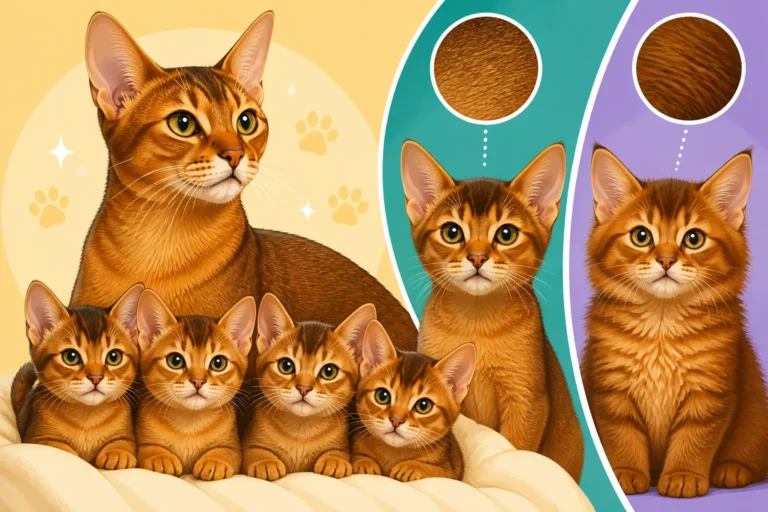
Spotting a problematic listing isn't always obvious, but there are some common indicators. Beyond the price itself, look at the age of the kittens being offered. Reputable breeders will not let their kittens go home before 12 to 14 weeks of age, as this critical period allows for crucial socialization with their mother and littermates, boosting their confidence and social skills. If a seller is pushing kittens out the door at 8 or 10 weeks, that's a huge red flag. Kittens removed too early can develop behavioral issues later on.
Another tell-tale sign is the lack of information or evasiveness from the seller. If they won't provide detailed health records for the parents or the kitten, refuse to let you visit their cattery (or insist on meeting in a public place like a parking lot), or seem uninterested in your living situation, proceed with extreme caution. A good breeder will ask you many questions because they care deeply about where their kittens are going. Additionally, watch out for claims of "rare" colors not recognized by major cat associations, as this can be a marketing gimmick to inflate the price of a poorly bred animal.
The Untested Breeder and the Genetic Gamble
Perhaps the most significant risk associated with a cheap Abyssinian is the absence of genetic health testing. Reputable Abyssinian breeders routinely screen their breeding cats for known hereditary conditions like Pyruvate Kinase Deficiency (PKD) and Progressive Retinal Atrophy (PRA-rdAc). These tests are not cheap, but they are absolutely vital for preventing the spread of devastating diseases. When a breeder skips these tests, they save money upfront, but they pass the genetic gamble directly onto you, the new owner.
Imagine falling in love with your cheap Abyssinian kitten, only for it to start showing signs of severe anemia due to PK Deficiency a year or two later, or slowly going blind from PRA-rdAc by the age of five. These are not minor issues; they are life-altering conditions that can lead to immense heartache and astronomical veterinary bills. A cheap purchase price can quickly become a devastating expense when dealing with an affected cat. This is why The Test Results an Abyssinian Breeder Owes You is such an important read.
The Hidden Health Costs of an Untested Abyssinian
It’s easy to focus on the initial cost, but true ownership is about the lifetime of care. When you opt for a "cheap" Abyssinian, you're essentially signing up for a potential future filled with unexpected and often significant veterinary expenses that far outweigh any initial savings. These hidden costs can turn your dream cat into a financial burden and a source of constant worry.
Genetic Diseases That Will Drain Your Wallet
Let's talk specifics. Pyruvate Kinase Deficiency (PKD) can cause intermittent to severe anemia in Abyssinians. An affected cat might require frequent blood transfusions, ongoing medications, and specialized veterinary care. These treatments are incredibly expensive, easily running into thousands of dollars over the cat's lifetime. What a PK Deficiency Test Costs for an Abyssinian might seem like a lot upfront, but it pales in comparison to managing the disease. Similarly, Progressive Retinal Atrophy (PRA-rdAc) leads to irreversible blindness. While not directly painful, managing a blind cat requires significant adjustments to your home environment and often more frequent vet checks to ensure there are no secondary issues. What a Retinal Atrophy Test Costs for an Abyssinian highlights the simplicity and affordability of testing the parents, preventing such heartache.
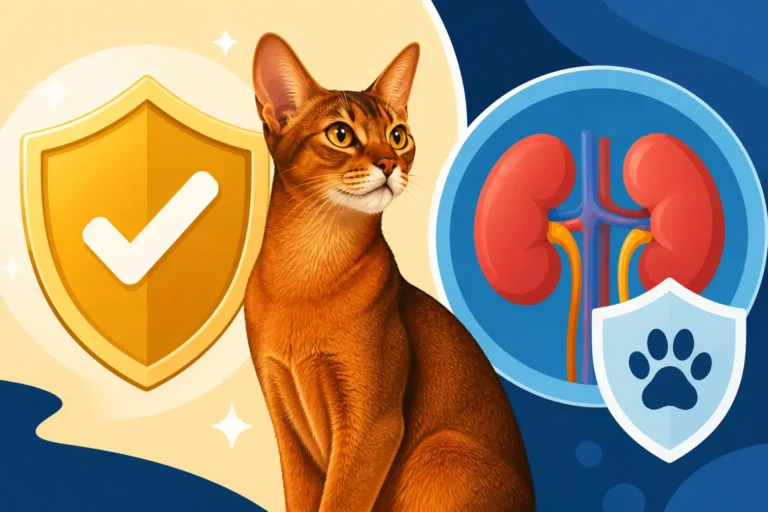
Beyond these well-known genetic conditions, untested lines can also carry risks for less common issues or predispositions to other health problems. Renal Amyloidosis, while not having a direct genetic test, is a devastating kidney disease seen in Abyssinians. While its inheritance is complex, responsible breeders track their lines and remove affected cats to reduce prevalence. A breeder who doesn't track this history offers you no assurance. You might find yourself facing extensive diagnostic tests, special diets, and ongoing medications for kidney disease at a young age, turning your "cheap" kitten into an incredibly expensive patient.
Dental Nightmares and Other Early-Life Ailments
Abyssinians are unfortunately prone to certain dental issues, particularly a condition known as juvenile gingivitis and subsequent tooth resorption. While good breeding practices and early preventative care can mitigate some of these issues, a kitten from an unknown background might be starting life with a significant disadvantage. Imagine your young Abyssinian, barely a year old, already needing a full dental cleaning and potentially extractions because of severe gum inflammation or painful tooth resorption. Why Abyssinian Dental Work Is the Biggest Line in the Budget for a reason! These procedures require anesthesia and can cost hundreds, if not thousands, of dollars per instance, and they are often recurring. What an Abyssinian Dental Cleaning Costs alone is a hefty sum, and a gingivectomy or extractions add considerably to that.
Beyond dental problems, a cheap kitten might also come with a host of other untreated or poorly managed early-life ailments. Think about intestinal parasites, fleas, ear mites, or even upper respiratory infections that were never properly treated. These issues, while not as dramatic as genetic diseases, can lead to chronic conditions, discomfort for your cat, and a steady stream of vet bills. A truly healthy kitten from a responsible breeder should arrive fully vaccinated, dewormed, and free of external parasites, a significant value included in their higher price.
Emotional and Time Investment of a Sick Cat
It's not just about the money, is it? The emotional toll of caring for a sick or disabled pet can be immense. Watching your beloved Abyssinian struggle with a chronic illness, enduring frequent vet visits, administering medications, and living with the constant worry is heartbreaking. This emotional labor, combined with the significant time commitment required for specialized care, is a hidden cost that no dollar amount can truly quantify.
Many people who initially seek a "cheap" Abyssinian regret it deeply when faced with these realities. They didn't budget for ongoing specialist care, expensive diagnostics, or the daily management of a chronic condition. The joy of bringing a new cat home quickly turns into stress and sadness. This is why investing in a kitten from a breeder who has prioritized health is not just a financial decision, but an investment in peace of mind and the well-being of a future family member.
The True Lifetime Investment: Beyond the Purchase Price
When considering an Abyssinian, it's essential to look beyond the initial purchase price, whether it's cheap or not. The commitment you're making is for the next twelve to fifteen years, sometimes even longer. The Twelve to Fifteen Years an Abyssinian Usually Gets is a significant chunk of your life, and the ongoing costs of food, vet care, and enrichment truly add up.
Routine Care That Adds Up Quickly
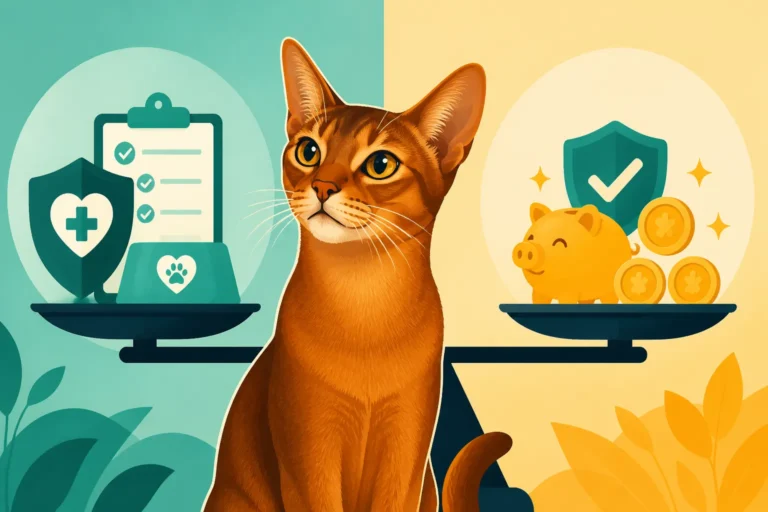
Every cat, regardless of breed or initial cost, needs routine veterinary care. This includes annual check-ups, vaccinations, parasite prevention, and potentially blood work as they age. For an Abyssinian, with their active lifestyle, monitoring their health carefully is paramount. A responsible owner budgets for these essentials. For instance, getting pet insurance from providers like Healthy Paws can be a lifesaver, covering a significant portion of unexpected illness or accident costs, but it still requires monthly premiums. Whether Pet Insurance Is Worth It for an Abyssinian explores this in detail.
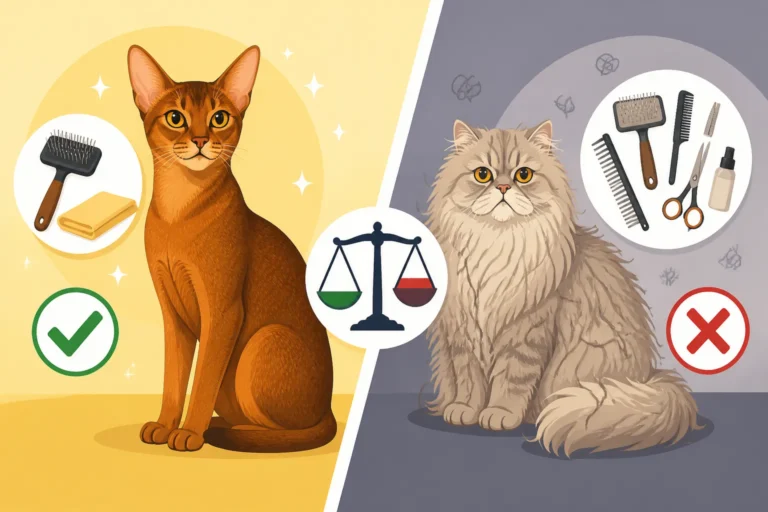
Beyond the vet, consider grooming. While Abyssinians have relatively low-maintenance coats, they still need regular nail trims and, crucially, diligent dental care. As we discussed, their predisposition to gum disease means you might face professional dental cleanings more frequently than with other breeds. These costs, coupled with regular litter purchases (and Abyssinians can be particular about their litter boxes), add up over the years.
Feeding a High-Energy Abyssinian
Abyssinians are known for their boundless energy. They are perpetually in motion, exploring every corner of your home, climbing to the highest vantage points, and engaging in intense play sessions. This high metabolism means they burn through calories at an impressive rate, often requiring more food than a larger, less active cat. You can't just feed them any cheap kibble; a high-quality diet with appropriate protein levels is essential to support their muscle mass, coat health, and overall vitality.
Consider fresh food made with human-grade ingredients, or high-quality kibble and wet food options. While these premium foods cost more per bag or can, they provide better nutrition, which can prevent health issues down the line and keep your Abyssinian thriving. Skimping on food quality might save you a few dollars a month, but it could lead to nutritional deficiencies, dull coats, and a less vibrant, healthy cat, potentially leading to more vet visits later on.
Enrichment and Environment: Preventing Behavioral Issues
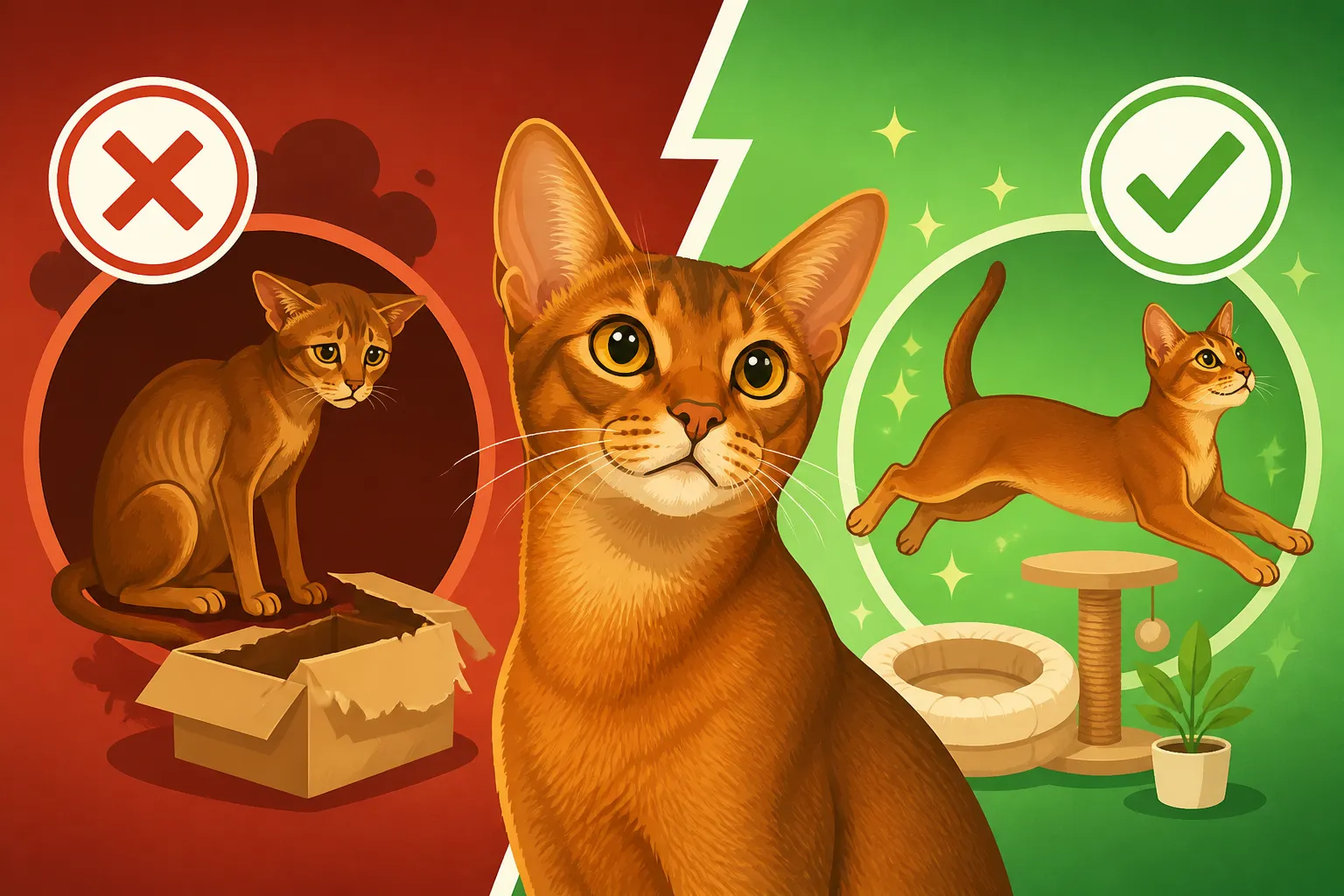
An Abyssinian isn't content to simply lounge on the couch all day. They are incredibly intelligent, curious, and playful cats that need constant mental and physical stimulation. Providing an enriched environment is not a luxury; it's a necessity for their well-being and to prevent destructive behaviors. This means investing in tall cat trees, wall-mounted climbing shelves, and a rotating array of engaging toys. An Abyssinian Needs Height More Than It Needs Floor isn't just a suggestion, it's a fact for this breed.
A bored Abyssinian is a destructive Abyssinian. They might turn their intelligence to opening cabinets, exploring forbidden shelves, or finding creative ways to entertain themselves that you won't appreciate. Why a Single Abyssinian Costs More in Damage is a common saying for a reason. While a "cheap" Abyssinian may seem like a bargain, if you then have to replace chewed cables, scratched furniture, or shattered decor, those savings quickly vanish. Providing a stimulating home environment from day one is an investment in your sanity and your cat's happiness.
Making a Sound Decision: Investing Wisely in an Abyssinian
Understanding the potential pitfalls of a "cheap" Abyssinian isn't meant to discourage you, but rather to empower you to make an informed and responsible decision. Investing in an Abyssinian is a long-term commitment, and starting with a healthy, well-socialized kitten is the best foundation for a rewarding companionship.
Researching Reputable Breeders
The best way to avoid the hidden costs of a cheap Abyssinian is to seek out a reputable breeder. This involves far more than just finding someone with kittens for sale. You need to do your homework: ask for references, check with breed clubs, and verify their claims. A responsible breeder will be transparent about their health testing protocols, often providing proof of parents being clear of PK Deficiency and PRA-rdAc. They will be happy to discuss their breeding philosophy, the socialization efforts they put into their kittens, and the overall health history of their lines, particularly regarding What an Abyssinian's Grandparents Reveal About Its Kidneys.
Expect a reputable breeder to have a waiting list and to ask you plenty of questions about your home and lifestyle. They should provide a written contract, health guarantee, and offer ongoing support. While their prices might seem higher initially, remember you are paying for generations of careful breeding, health assurances, and the peace of mind that comes with knowing you’re bringing home a well-adjusted and healthy kitten. How to Vet an Abyssinian Breeder Before Paying provides a comprehensive checklist to guide you.
Considering an Abyssinian Rescue
If the price of a responsibly bred kitten is genuinely out of reach, or if you prefer to give a loving home to an adult cat, consider an Abyssinian rescue. There are breed-specific rescues dedicated to Abyssinians and their close relatives like Somalis. These organizations often take in cats whose owners could no longer care for them, or sometimes even those from less-than-ideal breeding situations. Where to Find an Abyssinian Rescue is a great starting point for your search.
Rescue organizations typically vet their cats thoroughly, providing necessary medical care, vaccinations, and spay/neuter surgeries before adoption. Their adoption fees are significantly lower than breeder prices and go directly towards the care of their animals. While you might not get a tiny kitten, an adult Abyssinian often comes with the added benefit of a known personality and established habits, which can be a huge advantage for some households. What an Abyssinian Rescue Charges is a fraction of what you might pay for a kitten, but the value is immense.
Financial Preparedness for a Lifetime Companion
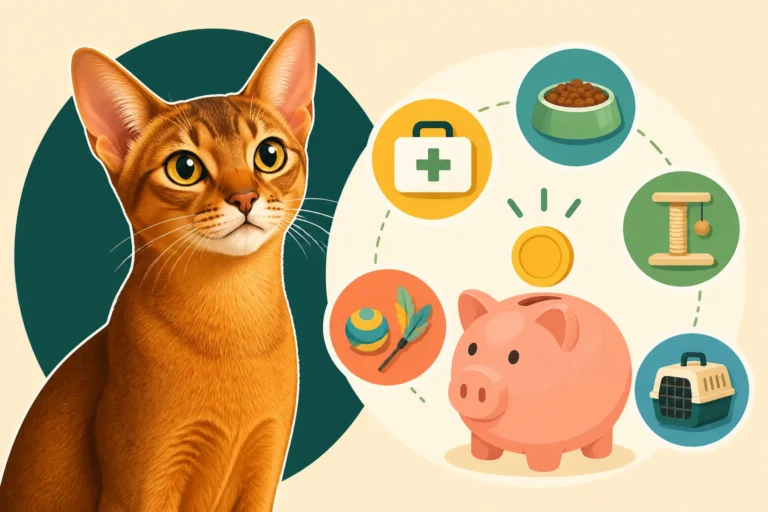
Ultimately, owning an Abyssinian, regardless of its initial cost, requires financial preparedness. Beyond the purchase price, you need to budget for annual vet visits, quality food, litter, toys, and potentially pet insurance. Consider setting up a dedicated "pet fund" to cover unexpected medical emergencies or major dental work. A cheap purchase price can create a false sense of security, leading owners to be unprepared for the inevitable costs of pet ownership.
Think of it this way: the purchase price of an Abyssinian, even from a reputable breeder, is a small fraction of what you will spend over its lifetime. What an Abyssinian Costs Over Fifteen Years is a much more realistic figure to consider. By prioritizing health and responsible breeding practices, you are investing in a healthier, happier cat, which will likely save you stress, time, and significant veterinary expenses down the road. A truly "cheap" Abyssinian will cost you more in the end.
Disclaimer
This article is for general informational purposes only and does not constitute professional advice. Laws, prices and regulations vary by location and change over time. Consult a qualified professional for guidance on your specific situation.