How Much a Somali Kitten Costs
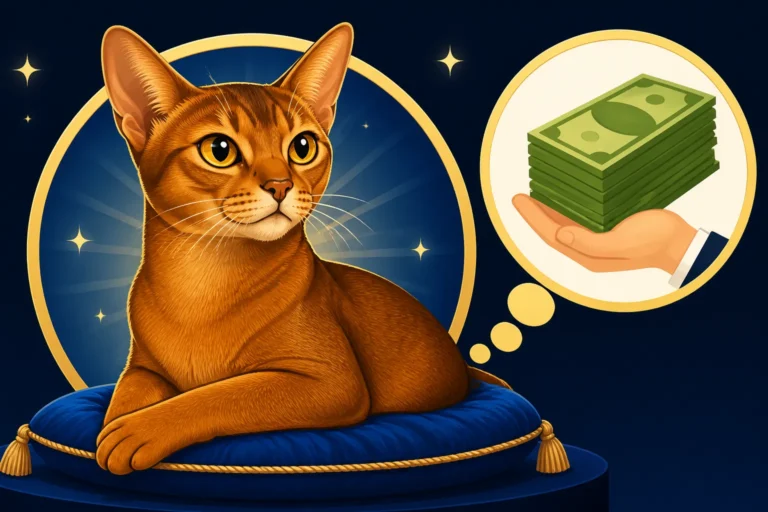
Bringing a Somali kitten into your home is an incredibly exciting prospect – they're gorgeous, intelligent, and famously playful. However, anyone who's started looking knows that the initial price tag can feel like a punch to the gut, leaving you wondering if you're looking at a luxury item or a family member. This guide will walk you through the various factors that influence a Somali kitten's cost, from its initial purchase to the ongoing expenses that shape its wonderful life with you.
The Initial Investment: What Drives a Somali Kitten's Price?
When you first start searching for a Somali kitten, the prices you encounter can be quite a range, and it's easy to feel confused or even suspicious. It's not just about getting a cat; it's about investing in a carefully bred animal with specific health considerations and a unique temperament. The cost reflects the immense dedication and financial outlay of a responsible breeder, ensuring you receive a healthy, well-socialized companion, not just a fluffy face.
Breeder Reputation and Health Testing
The biggest differentiator in the initial cost of a Somali kitten almost always boils down to the breeder's commitment to health and ethical practices. A reputable breeder isn't just someone who has kittens available; they are a guardian of the breed, meticulously planning matings, providing optimal care for their queens and kittens, and investing heavily in health screenings. This isn't a hobby for them; it's a passion and a significant financial endeavor.
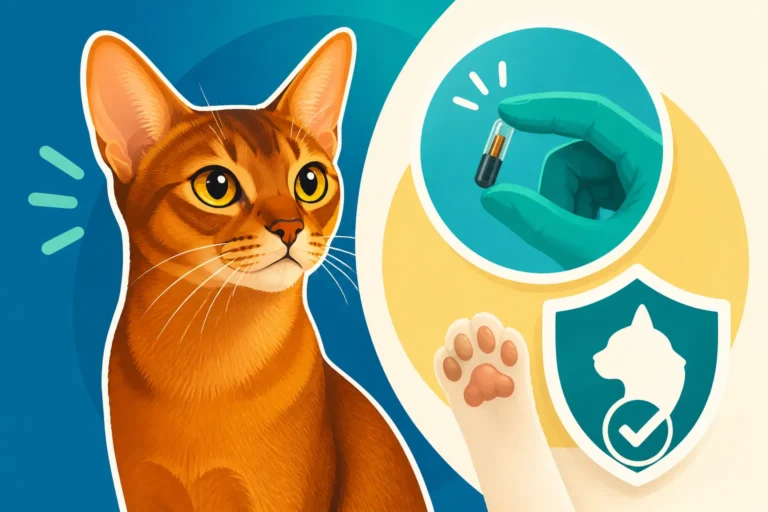
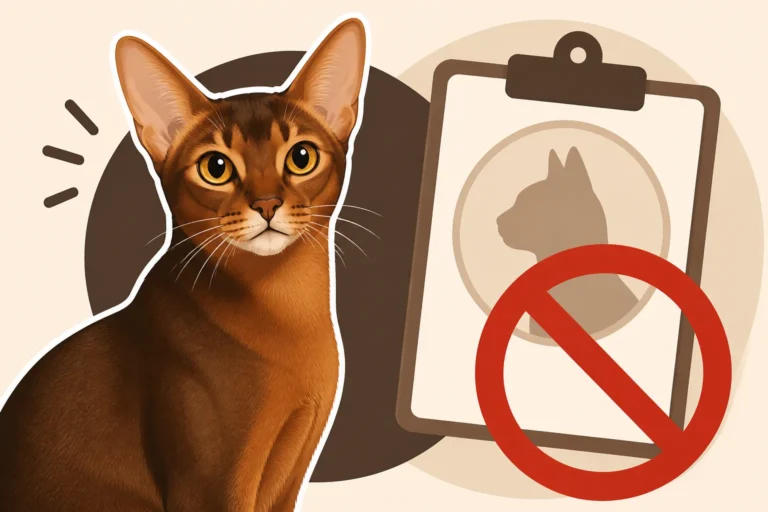
They will spend substantial amounts on genetic testing for common breed-specific issues like Pyruvate Kinase Deficiency (PKD) and Progressive Retinal Atrophy (PRA-rdAc), which Abyssinians and Somalis can carry. These tests, often performed through specialized veterinary labs, ensure that breeding cats are clear or only carriers (and thus bred responsibly). Without these tests, you might pay less upfront, but you could be unknowingly buying into a lifetime of expensive veterinary care for a kitten that develops a debilitating genetic condition. It's a huge frustration to think you're saving money only to face heartbreaking health battles later. A good breeder will readily show you certificates for both parents, demonstrating their clear status. They also provide comprehensive veterinary checks for the kittens, including vaccinations and deworming, before they even come home. This critical foundational care prevents many common early health problems and contributes significantly to the initial price. You might be surprised to learn that How a Somali Turns Up in an Abyssinian Litter, but it's another reason good breeders conduct genetic testing.
Coat Quality and Lineage: Pet vs. Show
The aesthetic quality of a Somali kitten, particularly its coat and overall conformation, also plays a role in its pricing. Unlike the short-haired Abyssinian, the Somali boasts a medium-long, beautifully ticked coat, often with a bushy tail that earns it the nickname "fox cat." Kittens designated as "show quality" will have a coat, body type, and temperament that closely adheres to the breed standard set by cat associations. This means perfect ticking, the right ear set, expressive eyes, and a confident, outgoing personality. These kittens are often reserved for experienced exhibitors or breeders and command the highest prices.
Most people, however, are looking for a "pet quality" Somali. These kittens might have a slight variation in their ticking, a less-than-perfect ear placement, or simply not be quite as "typey" as their show-quality siblings. Crucially, these are still perfectly healthy, wonderful companions with the same loving and playful personalities. They just don't meet the strict criteria for the show ring. The price difference between a pet and a show quality kitten can be significant, reflecting the rarity of a truly show-stopping individual. It's important to remember that a "pet quality" Somali is still a fantastic cat; you're just not paying a premium for traits that only matter in competition. Sometimes, a long-haired variant might even appear in a litter of otherwise short-haired Abyssinians, and while genetically a Somali, if advertised purely as an "Abyssinian with long hair," its price might be Why a Longhair Abyssinian Kitten Is Priced Apart differently by some. When asking Whether a Somali Costs More Than an Abyssinian, the answer is often yes, due to the additional care that goes into their longer, more luxurious coats.
The Impact of Color and Gender
While less impactful than health or show quality, certain colors and sometimes even gender can influence the price of a Somali kitten. The four recognized colors for Somalis are Ruddy (often called Usual in some registries), Sorrel (Red), Blue, and Fawn. Ruddy and Sorrel are generally the most common and may be slightly less expensive. Blue and Fawn, being dilute colors, are often less frequently seen and can sometimes command a slightly higher price due to their relative rarity and stunning appearance. For instance, a beautifully colored Fawn Somali might attract more interest and a higher asking price than a Ruddy.
Gender can also play a minor role, though it's less consistent than color. In some lines, female kittens might be slightly more sought after for breeding purposes, if they are sold with breeding rights (which dramatically increases the cost). However, for a pet home, the gender typically makes little difference beyond personal preference. Responsible breeders often price kittens of either gender similarly for pet homes, as their primary goal is to place each kitten in the best possible environment regardless of sex. The real investment here is in the long-term relationship, not the initial gender premium.
Here's a general comparison table illustrating how various factors might shape a Somali kitten's initial price:
| Factor | Lower Price Indication | Higher Price Indication |
|---|---|---|
| Breeder Type | Backyard breeder, no health tests | Reputable, registered breeder, extensive health testing |
| Health Certifications | None provided, parents not tested | Clear genetic tests for PK-def and PRA-rdAc for parents |
| Quality | Pet quality (minor aesthetic flaws) | Show quality (conforms perfectly to breed standard) |
| Pedigree/Lineage | Unknown or limited | Multi-generational champion lines |
| Color | Ruddy, Sorrel (most common) | Blue, Fawn (less common dilute colors) |
| Age | Older kitten (past typical adoption age) | Young kitten (at minimum adoption age, usually 12-16 weeks) |
| Included Services | Basic vaccinations, no microchip, no spay/neuter | Full vaccinations, microchip, spay/neuter, health guarantee |
Beyond the Purchase: Essential Ongoing Costs
Bringing home a Somali kitten is just the beginning of your financial journey. These dynamic, intelligent cats have specific needs that translate into ongoing expenses. Ignoring these can lead to a less-than-ideal life for your feline companion and potentially more significant costs down the line. It's wise to consider What an Abyssinian Costs to Keep Every Year as a benchmark, given their shared lineage and similar needs.
Food and Nutrition Needs for an Active Somali
Somalis are incredibly active cats, often described as perpetual motion machines. This high energy level means they burn a lot of calories, often more than a larger, less active cat. Their diet needs to support this athleticism, which generally translates to high-quality, protein-rich food. Many owners find that wet food, or a combination of wet and dry food, is ideal for Somalis. Wet food helps ensure adequate hydration, which is particularly beneficial for breeds like Abyssinians and Somalis, who can be prone to certain kidney issues later in life.
You might find yourself investing in premium brands to meet their nutritional demands. Budgeting for food isn't just about filling a bowl; it's about providing the fuel for their vibrant personalities. You might also want to explore interactive feeders or puzzle toys for their meals, which adds to their enrichment but also slightly to your food budget. Consider checking out brands like Chewy for a wide selection of high-quality foods and delivery options that can make managing your budget a little easier. Feeding them well is the first line of defense against many health problems and will undoubtedly pay off in their vitality and longevity.
Litter and Supplies: Keeping Things Clean
Beyond food, you'll need a steady supply of litter, and given the Somali's energetic nature, a robust litter setup is key. They love to dig, sometimes with great enthusiasm, so a generous amount of good quality, dust-free litter is essential. Depending on your preference and your cat's sensitivity, you might opt for clumping clay, silica gel, or even more eco-friendly options. The initial cost for litter boxes, scoops, and disposal systems is relatively small compared to the ongoing expense of keeping them filled and clean.
Don't forget other essential supplies: durable scratching posts or cat trees (multiple are recommended given their climbing prowess), a variety of toys (they get bored easily!), grooming tools, and a secure carrier for vet visits. Because Somalis are so playful and intelligent, they tend to wear out toys faster than less active breeds. Rotating toys and investing in durable, engaging options helps keep them mentally stimulated and prevents boredom-induced destructive behaviors. You'll definitely want a tall cat tree or wall shelves, as An Abyssinian Needs Height More Than It Needs Floor, and Somalis are no different.
The Ever-Present Vet Bill
Regular veterinary care is a non-negotiable part of responsible pet ownership, and Somalis are no exception. Beyond the initial kitten vaccinations and deworming, yearly check-ups, boosters, and preventative care like flea and tick treatments are standard. What an Abyssinian's Annual Checkup Costs will include a physical exam, and often blood work as they age, to catch any potential issues early.
One area where Abyssinians and Somalis can incur significant costs is dental care. They are predisposed to certain dental issues, particularly gingivitis and tooth resorption, which can start surprisingly young. Why Abyssinian Dental Work Is the Biggest Line in the Budget for many owners, often requiring professional cleanings under anesthesia, and sometimes extractions, far more frequently than other breeds. Starting a home dental routine early is crucial but often not enough to prevent all issues. These procedures can be quite costly, highlighting the importance of budgeting for potential dental work throughout your cat's life.
Preparing for the Unexpected: Long-Term Financial Considerations
While routine care covers a lot, life with a cat, especially an active and curious Somali, often throws curveballs. Planning for these less predictable expenses can save you a lot of stress and ensure your cat always receives the best care, no matter what.
Understanding Pet Insurance and Preventative Care
Pet insurance is a topic that comes up frequently for purebred cat owners, and for good reason. With breed-specific predispositions and the general unpredictability of animal health, having a safety net can be invaluable. Whether Pet Insurance Is Worth It for an Abyssinian (and by extension, a Somali) often depends on your financial comfort level with unexpected veterinary emergencies. Policies vary widely, covering everything from accidents to illnesses, and some even offer wellness plans for routine care.
While pet insurance won't cover pre-existing conditions, enrolling a healthy kitten early ensures that any future issues are typically covered. For example, if your Somali developed kidney issues or required extensive dental work down the line, a good insurance plan could help mitigate the financial impact. Brands like Healthy Paws offer various plans that can provide peace of mind. It’s a monthly outgoing that feels like "money spent for nothing" when your cat is well, but it becomes a lifeline when you're faced with a sudden illness or accident and a large vet bill. Thinking about What an Abyssinian's Lifetime Cost Dwarfs Its Purchase Price truly brings home the need for this kind of forward planning.
Enrichment and Environment: Avoiding Costly Damage
Somalis are highly intelligent and incredibly energetic. A bored Somali is a destructive Somali, and that can lead to unexpected costs. They thrive on interaction, mental stimulation, and plenty of opportunities to climb and explore. Investing in their environment upfront—think tall, sturdy cat trees, wall-mounted shelves, puzzle feeders, and a rotating selection of engaging toys—is not just about making them happy; it's about protecting your home.
Without adequate enrichment, a Somali might turn its attention to your curtains, furniture, or anything else it can get its paws on. They can easily learn Why an Abyssinian Opens Doors and Cabinets and may decide your pantry needs reorganizing or your precious knick-knacks need a gravity test. While a cat-proofed home is ideal, providing appropriate outlets for their energy and curiosity is the best prevention against costly repairs to your belongings. Think of it as an investment in your sanity and your sofa! Consider subscription boxes like those offered by Chewy that deliver new toys regularly to keep things fresh.
Rescues and Rehoming: A Different Path to Ownership
While the focus has been on purchasing a kitten from a breeder, it's worth noting that adoption is another viable and often more affordable route to bringing a Somali into your home. Purebred rescues exist, dedicated to finding new homes for Abyssinians and Somalis who, for various reasons, need rehoming. What an Abyssinian Rescue Charges is typically a fraction of a breeder's price, often covering the cost of their spay/neuter, vaccinations, and initial vet checks.
Adopting an adult Somali can be a wonderful experience. You often get a cat whose personality is already developed, and who may already be house-trained and socialized. While an adopted cat might come with some unknown history or specific needs, the emotional reward of giving a deserving cat a second chance is immense. Furthermore, adopting an adult cat bypasses the “kitten chaos” phase, which some owners appreciate. Always ask about their health history and temperament, as transparency is key. You might not get to watch a kitten grow from scratch, but you'll gain a loving companion just the same.
Disclaimer
This article is for general informational purposes only and does not constitute professional advice. Laws, prices and regulations vary by location and change over time. Consult a qualified professional for guidance on your specific situation.