Why an Abyssinian Will Not Hold Still for a Comb
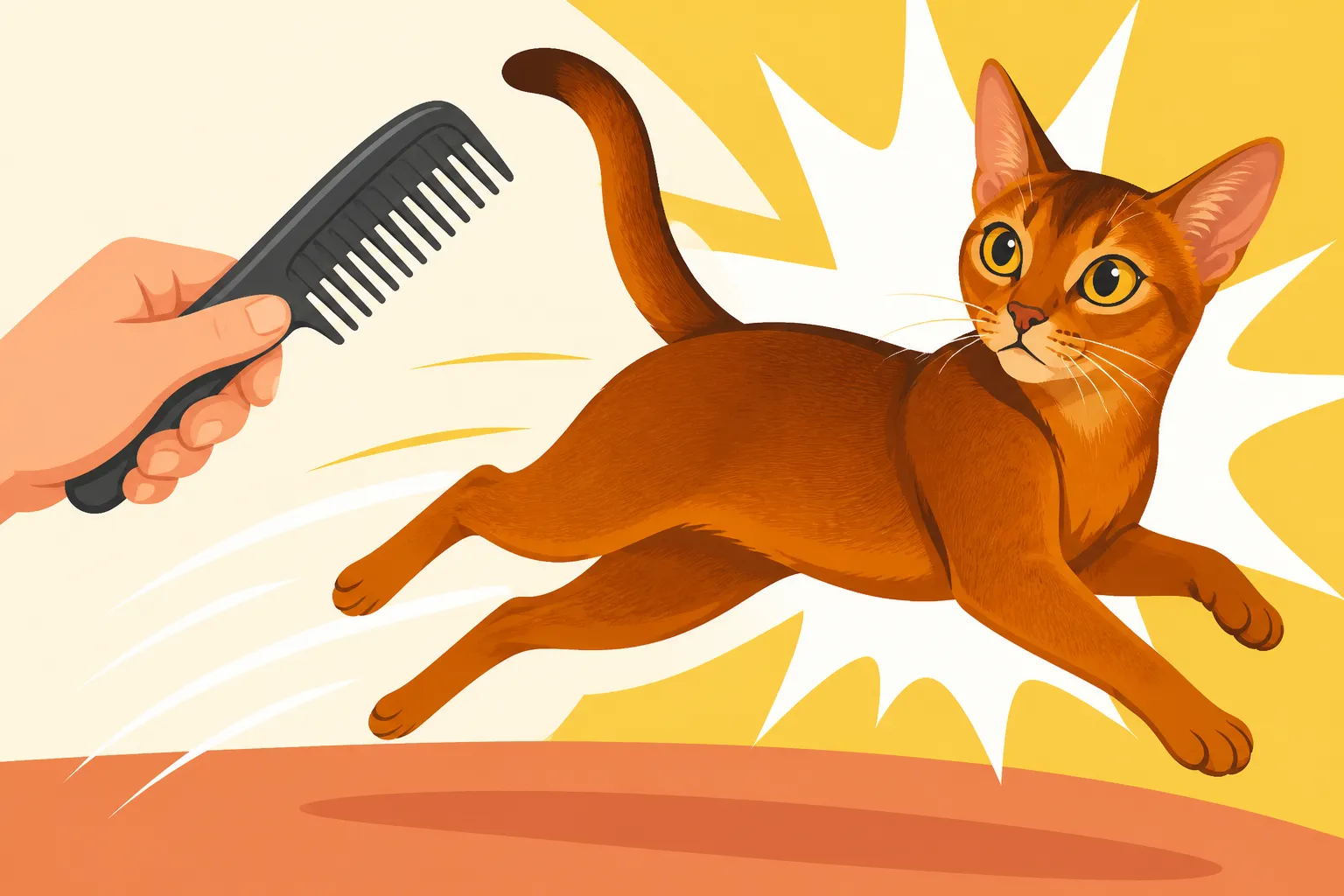
If you've ever tried to comb your beautiful Abyssinian and found yourself wrestling a furry, wriggling blur, you're certainly not alone. Many Abyssinian owners quickly discover that their energetic companions have little patience for sitting still, especially when it comes to grooming. This guide will help you understand why your Abyssinian resists the comb and, more importantly, what you can do to make grooming a more peaceful, even enjoyable, experience for both of you.
The Abyssinian's Nature: Why They Resist Stillness
The Abyssinian is often called the "Clown of the Cat World" or the "cat that acts like a dog," and for good reason. These felines are packed with boundless energy, an insatiable curiosity, and a deep-seated need to be involved in everything you do. This inherent high-octane personality is the primary reason why they struggle with the stillness required for a traditional grooming session.
A Life in Motion: Their Innate Drive
Abyssinians are athletes, plain and simple. They are built for climbing, jumping, running, and exploring. Their ancestral roots suggest a history of active, free-roaming cats, and that hardwired instinct for constant movement is still very much present in our modern housecats. Asking an Abyssinian to sit still for more than a few seconds feels inherently unnatural to them, almost like asking a cheetah to sit patiently on a leash. They have places to be, things to investigate, and often, an overwhelming desire to supervise your every move. This high energy level means that any activity that restricts their movement or seems pointless to them will be met with resistance. It's not defiance; it's simply their nature. You might notice How Many Hours a Day an Abyssinian Stays Active or Why an Abyssinian Wakes You at Five – this constant motion extends to their grooming tolerance.
The Unique Abyssinian Coat and Its Perceived Needs
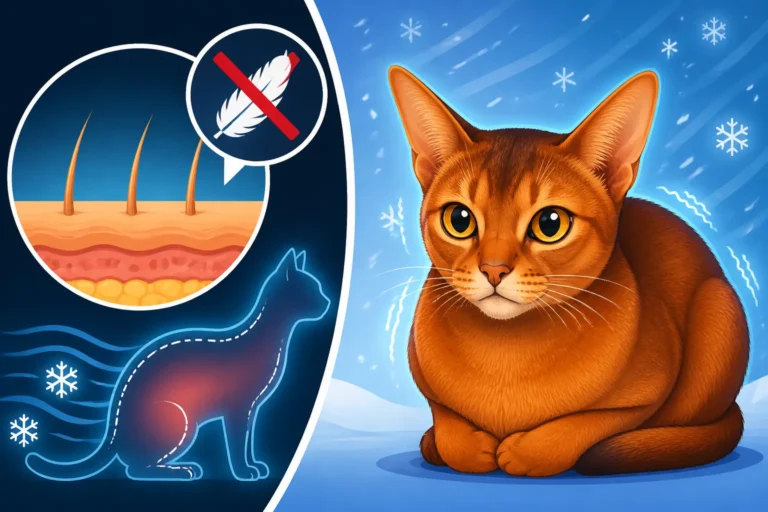
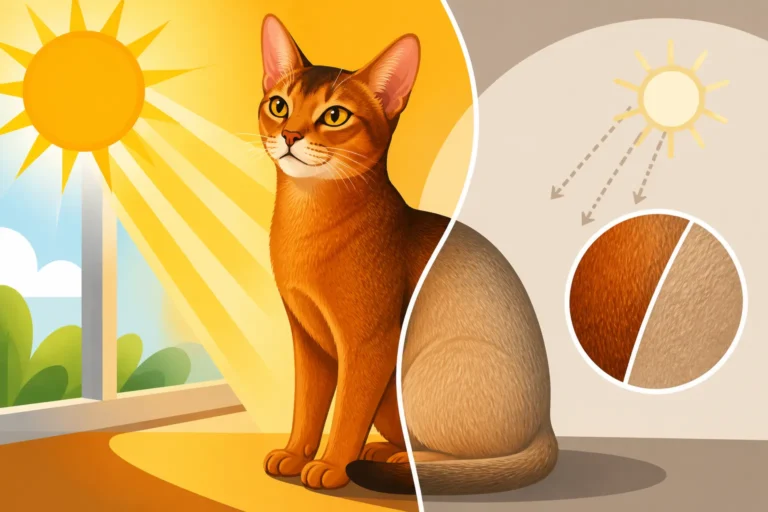
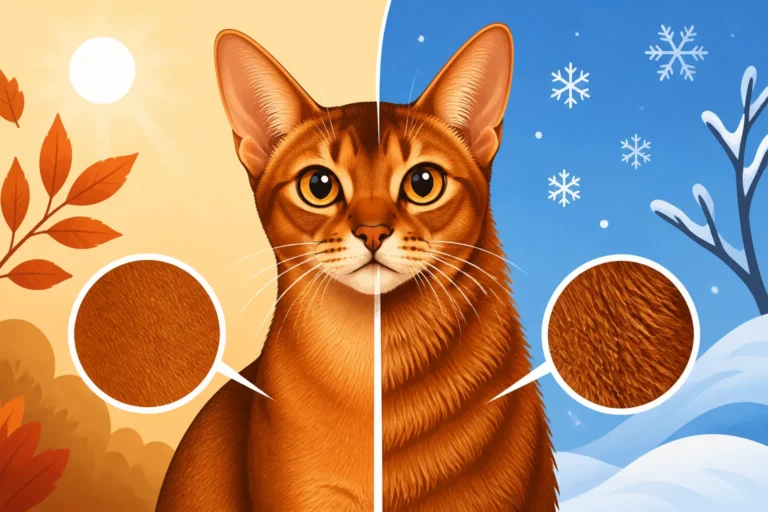
Another factor contributing to their disinterest in prolonged grooming is the very nature of their coat. The Abyssinian is famous for its "ticked" or agouti coat, where each individual hair has multiple bands of color. The Ticked Coat Is the Whole Abyssinian Grooming Job and it's quite distinct. What many people don't realize is that this unique coat structure means they have a very fine, close-lying coat with almost no undercoat. This translates to minimal shedding and very few mats or tangles.
From your Abyssinian's perspective, they don't need extensive brushing or combing because their coat rarely gets matted or sheds heavily. Unlike a long-haired breed that feels relief from detangling, an Abyssinian often sees a comb as an unnecessary intrusion. While we know regular grooming is good for skin health and bonding, your Abyssinian hasn't gotten that memo. They're already meticulous self-groomers, often spending a good portion of their day keeping their sleek coat in pristine condition. Their short, fine hair means that it's easy for them to keep it clean themselves, which makes human intervention seem superfluous.
Common Grooming Missteps and Their Impact
It's easy to fall into habits that make grooming more challenging for an already reluctant Abyssinian. Understanding these common missteps can help you reset your approach and build a more positive experience.
Using the Wrong Tools
One of the biggest mistakes owners make is using brushes or combs that aren't suited for the Abyssinian's delicate, single coat. Tools designed for cats with thick undercoats, like slicker brushes or deshedding rakes, can actually be quite harsh and uncomfortable for an Abyssinian. Why a Deshedding Tool Ruins an Abyssinian's Ticking and can irritate their skin. Their coat is How Fine an Abyssinian's Coat Feels and lies close to their body, making anything too stiff or sharp feel unpleasant.
Imagine someone trying to brush your hair with a harsh bristle brush meant for a horse's mane; you'd quickly develop an aversion to brushing! Similarly, an inappropriate grooming tool can turn a potentially neutral experience into a negative one for your Abyssinian, making them associate the comb with discomfort or even pain. This negative association will only strengthen their resolve to escape your grooming attempts.
Forcing and Over-Grooming
Trying to physically restrain a determined Abyssinian is a battle you're almost guaranteed to lose, and it severely damages your bond. When you force them into a grooming session, they learn that the comb equals restraint and an unpleasant experience. This creates a vicious cycle: the more you force, the more they resist, and the more difficult future sessions become.
Additionally, over-grooming can be an issue. Because their coat requires minimal upkeep, long, drawn-out grooming sessions are unnecessary and will quickly bore or irritate your Abyssinian. They have short attention spans for anything that isn't their idea of fun. Trying to comb them for ten minutes when two minutes is all they can tolerate will only teach them to flee at the first sight of the brush. Remember, it's not about how long you groom, but how effective and pleasant the session is.
A Lack of Early Introduction and Positive Reinforcement
Many new cat owners, especially those new to Abyssinians, might not realize the importance of introducing grooming early and making it a positive experience. If an Abyssinian kitten isn't habituated to gentle handling and brief brushing from a young age, they're much more likely to resist it as adults. Kittens are highly impressionable, and positive early experiences are crucial for shaping their future behavior.
Without positive reinforcement – things like treats, praise, or play – grooming can feel like a chore imposed upon them. If every grooming session ends with them struggling and no reward, why would they willingly participate? This lack of positive association means they see no benefit in cooperating, making it a constant uphill battle. This is similar to Why an Abyssinian Loses Interest in a Toy Fast – they need novelty and reward to stay engaged.
Strategies for Successful, Stress-Free Grooming
The good news is that you can teach an old Abyssinian new tricks, or at least help them tolerate, if not enjoy, grooming. It requires patience, consistency, and a shift in approach.
The Right Tools for the Job
Choosing the correct grooming tools is paramount for an Abyssinian. Forget the heavy-duty deshedders. Instead, opt for gentle options:
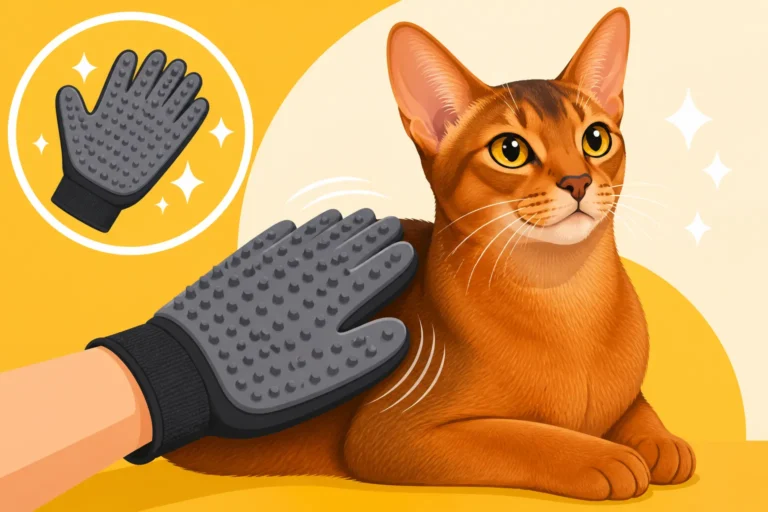
- Rubber Curry Brush/Grooming Mitt: These are fantastic for Abyssinians. The soft rubber nubs stimulate the skin, remove loose hair without pulling, and many cats find the sensation quite enjoyable, almost like a massage. You can find excellent options on Amazon or Chewy.
- Fine-toothed Comb: A simple, high-quality metal comb with closely spaced teeth is good for checking for fleas or giving a light, finishing groom, but use it sparingly and gently.
- Chamois Cloth: Many Abyssinian owners swear by a chamois cloth to bring out the incredible sheen of their cat's ticked coat. It's gentle, stimulates the skin, and polishes the fur beautifully.
Here's a quick comparison of suitable tools:
| Tool Type | Ideal For | Benefits | Caveats |
|---|---|---|---|
| Rubber Grooming Mitt | Daily gentle brushing, massage | Gentle, removes loose hair, enjoyable for most cats | Doesn't detangle serious mats (rare in Abyssinians) |
| Fine-toothed Metal Comb | Checking for fleas, light finishing | Effective for small debris and final polish | Can pull if used too aggressively, avoid on knots |
| Chamois Cloth | Polishing coat, enhancing shine | Extremely gentle, brings out natural luster | Primarily for finishing, not effective for hair removal |
| Soft Bristle Brush | Gentle daily brush, coat conditioning | Distributes oils, can be soothing | May not remove much loose hair, ensure bristles are truly soft |
Short, Sweet, and Rewarding Sessions
The key to an Abyssinian's heart (and cooperation) is often through their stomach or their play drive. Make grooming sessions extremely short, perhaps 30 seconds to a minute, and always end on a positive note.
- Start Small: Begin with just one or two gentle strokes while your cat is relaxed, perhaps drowsy after a meal or a vigorous play session.
- Positive Association: Immediately follow those strokes with a high-value treat, lavish praise, or a quick burst of their favorite wand toy. The goal is for them to associate the comb with something wonderful.
- Increase Gradually: Over days or weeks, slowly increase the duration of the grooming by a few seconds. If your Abyssinian shows signs of agitation, stop, reward, and try again later or shorten the next session.
- Routine: Try to groom at the same time each day, so it becomes a predictable part of their routine. Even a quick 30-second session daily is more effective than a forced 5-minute session once a week.
Remember, the aim isn't to hold them down; it's to make them choose to participate for the reward. If they walk away, let them. Don't chase. That just reinforces the idea that grooming is something to escape.
Incorporating Grooming into Play and Affection
Abyssinians thrive on interaction. Instead of making grooming a separate, dreaded task, try to integrate it into their daily play or cuddle time. While your Abyssinian is purring on your shoulder or batting at a toy, you can gently introduce a few strokes with a soft grooming mitt.
Many Abyssinians enjoy being petted with purpose. Use the grooming mitt as an extension of your hand. Start petting them as usual, then slowly introduce the mitt. If they tolerate it, great! If not, revert to just petting and try again another time. The idea is to make grooming feel like a continuation of positive physical interaction, rather than a distinct, imposed activity. This approach works well for training them on other tasks too, like How to Harness Train an Abyssinian Without a Fight.
Beyond the Comb: Holistic Abyssinian Care for a Happier Cat
Grooming isn't just about the coat; it's an important part of your Abyssinian's overall health and well-being. A cat that is well-exercised, mentally stimulated, and feels secure is far more likely to tolerate handling, including grooming.
Meeting Their Mental and Physical Needs
An Abyssinian who isn't getting enough mental and physical stimulation will often channel their excess energy into destructive behaviors or general restlessness, making them even less likely to hold still for grooming. Ensure your Abyssinian has plenty of opportunities to climb, chase, and explore. An Abyssinian Needs Height More Than It Needs Floor, so invest in tall cat trees and wall shelves. Regular, interactive play sessions with wand toys are crucial. Why Ten Minutes of Play Is Not Enough for an Abyssinian is a good read if you're finding your Aby is still bouncing off the walls.
A happy, fulfilled Abyssinian is generally a more cooperative one. If they're tired from a good play session, they might be more amenable to a quick brush. This also contributes to their general health, which means fewer health issues that might make them more sensitive to touch.
Dental Care and Other Grooming Tasks
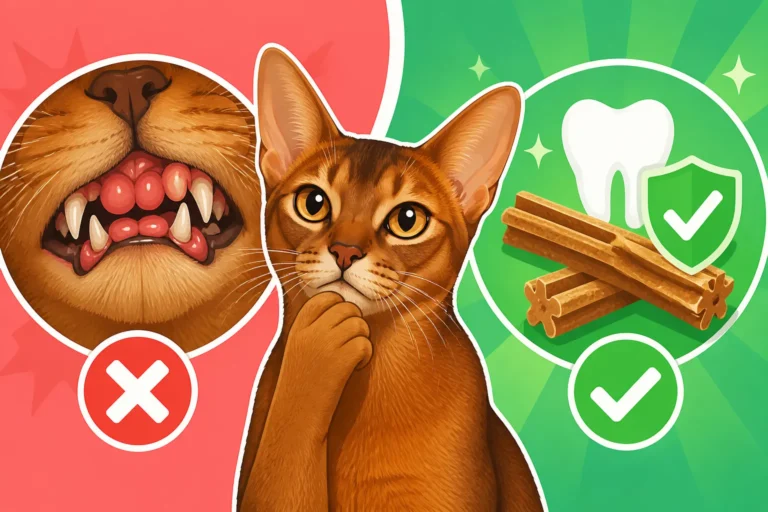
While coat grooming might be minimal, other aspects of an Abyssinian's care are extremely important. Dental health, for example, is a major concern for this breed. Many Abyssinians are prone to juvenile gingivitis and other dental issues. How Often an Abyssinian Needs Its Teeth Cleaned and Why an Abyssinian's Gums Overgrow Its Teeth are critical topics. Brushing their teeth from a young age is incredibly important, and it follows the same principles as coat grooming: short, positive, and rewarded sessions. How to Brush an Abyssinian's Teeth From Day One offers great advice.
Regularly checking their claws and ears is also part of a good grooming routine. If you can get your Abyssinian comfortable with handling their paws and ears through positive reinforcement, it makes claw trims and ear checks much easier. It's all about building a foundation of trust and positive association with handling.
When to Seek Professional Help
If, despite all your efforts, your Abyssinian absolutely refuses any form of grooming and it becomes a source of significant stress or fear for them, don't hesitate to consult a professional.
- Veterinarian: Your vet can rule out any underlying medical conditions that might be causing discomfort or pain, making your Abyssinian resistant to touch. Sometimes, a subtle ache or skin irritation can manifest as resistance to grooming. Why an Abyssinian Hides Pain Behind Its Energy is an important concept here. They can also offer advice on calming techniques or, in extreme cases, mild sedatives for necessary procedures like dental cleanings.
- Professional Groomer: Some groomers specialize in difficult cats and can use techniques you might not be aware of. They might have a knack for getting your Abyssinian to relax, or at least tolerate, a quick professional once-over.
- Feline Behaviorist: If the resistance is very strong and impacts other areas of their life, a certified feline behaviorist can assess the situation and provide tailored strategies to address specific fears or anxieties related to handling.
Ultimately, grooming an Abyssinian is about understanding their unique personality and working with it, not against it. With patience, the right tools, and a consistent, positive approach, you can transform grooming from a wrestling match into a bonding experience.
Disclaimer
This article is for general informational purposes only and does not constitute professional advice. Laws, prices and regulations vary by location and change over time. Consult a qualified professional for guidance on your specific situation.