How to Harness Train an Abyssinian Without a Fight
Trying to get a harness on your spirited Abyssinian can feel like wrestling a greased lightning bolt in a burlap sack. Many of us have been there, facing the indignant glares, the sudden bursts of wriggling, or the dramatic "flop and refuse to move" maneuver. But don't despair! This guide is here to walk you through a gentle, positive approach to harness training your Abyssinian, making outdoor adventures a possibility without the daily battle.
Understanding Your Abyssinian's Unique Personality
Before we even think about harnesses, it’s crucial to understand the magnificent creature you’re dealing with. Abyssinians are not your typical couch potatoes. They are a whirlwind of energy, curiosity, and intelligence, often described as the "Clowns of the Cat Kingdom." This breed is constantly on the move, exploring, climbing, and investigating every nook and cranny. Their high drive means they crave mental and physical stimulation, but it also means they have a fiercely independent streak and are highly sensitive to feeling restricted.
When your Abyssinian resists a harness, it’s rarely out of malice. It’s often a combination of fear, discomfort, and a deep-seated instinct to avoid anything that makes them feel trapped or vulnerable. Imagine someone trying to put a strange, constricting garment on you, especially if you had no idea what it was for. You’d probably resist too! Their instinct is to flee, to fight, or to freeze. A successful harness training journey respects this innate nature and works with your Abyssinian, not against them. Remember, patience is not just a virtue here; it's the absolute foundation of success. Rushing the process will only create negative associations, making it even harder down the line. We want this to be an enjoyable extension of their natural curiosity, not a source of stress. You'll often find that The Abyssinian Is the Busiest Cat in the House, which means they'll likely protest anything that slows them down.
Abyssinians also express affection in their own unique ways, often preferring to perch on your shoulder or be involved in your activities rather than simply curling up on your lap. This means they are not generally the type of cat to passively accept something new if it feels invasive. They want to participate on their own terms. This independence, while endearing, means that forcing them into a harness will quickly backfire. You might find that Why an Abyssinian Will Not Sit on Your Lap gives you some insight into their general aversion to being confined. Instead, we're aiming for a gradual introduction where the harness becomes just another interesting part of their environment, associated with good things.
Selecting the Perfect Harness for Your Agile Abyssinian
The right harness is not just a piece of equipment; it's the foundation of a comfortable and safe experience for your Abyssinian. Generic cat harnesses often fall short for this athletic breed, whose sleek bodies and surprising strength can turn them into escape artists of the highest caliber. You need something specifically designed for security and comfort, rather than just a pretty accessory.
Understanding Harness Types
There are generally two main types of harnesses you'll encounter:
- Vest Harnesses: These cover a larger portion of your cat's body, distributing pressure more evenly across the chest and shoulders. They often fasten with Velcro and buckles, providing a snug fit that is much harder for a determined Abyssinian to wiggle out of. The broader fabric can also feel more secure to some cats, offering a comforting "hug" sensation.
- H-Style (or Figure-8) Harnesses: These are minimalist harnesses, typically made of straps that form an "H" shape across the back and chest. While lightweight and less restrictive, they are generally less secure for escape-prone cats. The pressure is more localized on thinner straps, which can be uncomfortable if your Abyssinian pulls, and they offer fewer points of contact, making escape easier.
For an Abyssinian, a vest harness is almost always the superior choice. Their narrow chest and propensity for dramatic maneuvers mean that a vest harness offers the best combination of security and comfort. Look for designs that are made from soft, breathable materials that won't chafe.
Key Features to Prioritize
When you're shopping for that perfect fit, keep these points in mind:
- Adjustability: Abyssinians, even as adults, can have surprisingly varied builds. You need a harness with multiple adjustable straps to ensure a snug, escape-proof fit around both the neck and the chest. A harness that's too loose is a quick ticket to a lost cat, and one that's too tight will lead to discomfort and resistance.
- Material: Choose soft, lightweight, and breathable fabrics. Neoprene, mesh, or soft nylon are good options. Avoid anything stiff or rough that could irritate their delicate skin or thin coat.
- Secure Fastenings: Look for strong buckles that click firmly into place. Velcro closures, when combined with buckles, add an extra layer of security.
- Reflective Strips: If you plan on any evening strolls, reflective elements are a smart safety feature.
Measuring your Abyssinian accurately is non-negotiable. Use a soft measuring tape and measure the circumference of their neck (where a collar would sit) and their chest (just behind their front legs). Compare these measurements to the harness manufacturer's size chart. Don't just guess! A slightly ill-fitting harness can derail the entire training process. You might even find that Which Harness Fits an Abyssinian's Narrow Chest offers specific advice on this front. Many reputable pet supply retailers, including a vast selection on Amazon, offer various styles and sizes specifically for cats, making it easier to find something suitable.
The Step-by-Step Training Process: A Gentle Approach
Now that you've got the perfect harness, it's time to introduce it to your Abyssinian. This is not a race; it's a marathon of tiny, positive steps. Remember the goal: associate the harness with good things, make it feel normal, and never, ever force it.
Phase 1: Making Friends with the Harness
The first step is simply to let your Abyssinian get used to the presence of the harness. Don't even try to put it on yet.
- Introduce by Scent: Place the harness near their favorite sleeping spot or feeding area for a few days. Let them sniff it, bat at it, and investigate it on their own terms. Resist the urge to chase them with it. The goal is for it to become a neutral, then positive, object in their environment.
- Associate with Treats and Play: Drape the harness loosely near you during playtime or meal times. Offer high-value treats (like Churu or small pieces of cooked chicken) when they are near the harness, or even touch it. Play with their favorite wand toy right next to it.
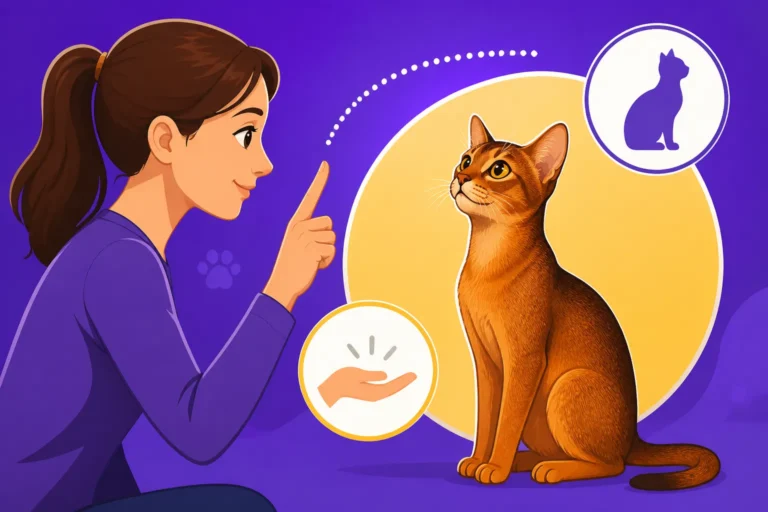
- The "Harness Game": Pick up the harness, show it to your Abyssinian, then immediately give a treat. Repeat this several times a day for short sessions. You're building a mental link: harness = yummy reward!
This phase can take a few days to a week, depending on your cat's personality. Don't rush it. When your Abyssinian shows curiosity rather than fear, you're ready for the next step.
Phase 2: The First Gentle Fittings
This is where you'll start attempting to put the harness on, but only for very brief periods, always ending on a positive note.
- Head First: Hold the harness open and gently guide your Abyssinian's head through the neck loop (if it's a vest or H-style). As soon as their head is through, immediately give a treat and praise. Then, just as quickly, take it off. This might be a few seconds at most. Repeat this a few times, keeping it super short and positive. If they resist, stop, and go back to simply showing the harness for treats.
- Increase Duration: Once they tolerate the head loop, gradually increase the time it stays on, adding the chest buckles if possible. Snap the buckles, give a treat, then unsnap. The key is to avoid any struggle. If your Abyssinian starts to wriggle or seems uncomfortable, immediately take it off. We want to prevent negative associations.
- Clicker Training: This is an excellent tool here. When your Abyssinian tolerates the harness for a brief moment, click and treat. The click marks the exact moment of desired behavior. Abyssinians are smart and respond very well to positive reinforcement like this. They often learn Which Tricks an Abyssinian Learns Fastest and Why Clicker Training Works on an Abyssinian proves invaluable for teaching them new things. You can find excellent clickers and suitable training treats easily on Amazon.
During this phase, some Abyssinians might do the "flop and refuse to move." This is a common cat reaction to harnesses, as they feel restricted. Don't drag them or scold them. Just give them a moment, offer a treat, and if they don't perk up, gently take the harness off and try again later. It's about building trust, not forcing compliance.
Phase 3: Wearing it Around the House
Once your Abyssinian tolerates wearing the harness for a few minutes, it’s time to let them wear it for short, supervised sessions around the house.
- Short and Sweet: Start with 5-10 minute sessions. Distract them with their favorite toys immediately after putting the harness on. Offer treats and engage them in active play. The idea is for them to forget they're wearing it while they're having fun.
- Gradual Increase: Slowly increase the duration of these sessions. Always supervise them closely; never leave a cat unsupervised in a harness, as they could get tangled or chew through it.
- Positive Reinforcement: Every time they wear it calmly, even if they just lie down with it on, offer praise and treats. End each session before they get frustrated or try to escape.
Phase 4: Attaching the Leash
Only introduce the leash once your Abyssinian is completely comfortable wearing the harness around the house.
- Leash Introduction: Attach the leash to the harness while your Abyssinian is wearing it indoors. Let them drag the leash around for a few minutes (under strict supervision, of course, to prevent tangles). This helps them get used to the weight and feel of it.
- Gentle Guidance: Pick up the leash and let them walk around the house while you hold it loosely. Avoid pulling or tugging. Let them explore, with you simply following their lead. Offer treats as they walk calmly.
- Practice Commands (Optional): If your Abyssinian knows basic commands like "come" (using a clicker and treats), practice these with the leash on. This helps them associate the leash with positive interaction and responsiveness.
The goal is that the harness and leash feel like an extension of their normal activity, not a restriction.
Taking Your Abyssinian Outdoors (Safely!)
Congratulations! If you've reached this stage, your Abyssinian is tolerating their harness and leash indoors. Now comes the exciting part: supervised outdoor adventures. This step also requires immense patience and an understanding of your cat's comfort level.
Starting Small and Safe
Your Abyssinian's first outdoor experiences should be carefully managed to ensure their safety and build positive associations.
- Choose a Quiet Location: Avoid busy streets, dog parks, or areas with a lot of foot traffic for the first few outings. A quiet backyard, a calm patio, or even a very uncrowded park during off-peak hours are ideal. The goal is to minimize overwhelming stimuli.
- Short Sessions are Best: The first few outdoor trips should be very brief – 5 to 10 minutes at most. Let your Abyssinian explore at their own pace. Remember, this is their adventure, not a forced march. They will likely spend a lot of time sniffing, observing, and taking everything in. Where to Walk an Abyssinian Safely is a good resource to review before stepping out.
- Observe Their Cues: Pay close attention to your Abyssinian's body language. Are their ears forward and curious, or flat against their head in fear? Is their tail swishing calmly, or tucked between their legs? If they seem stressed, it’s time to go back inside. End on a positive note, even if it's just after a few minutes of calm sniffing.
- Never Force Them: If your Abyssinian freezes or tries to hide, don't drag them forward. Gently scoop them up, offer comfort, and consider ending the session or moving to a less stimulating spot. Some cats will immediately dart for cover under bushes or cars, which is why a secure harness and your vigilant attention are critical.
- Be Prepared for Anything: Even in a quiet spot, unexpected noises (a barking dog, a car horn, a sudden bird) can startle your Abyssinian. Be ready to pick them up or provide comfort immediately. Remember, Why an Abyssinian Should Not Roam Outdoors without a harness is critical due to their innate curiosity and speed.
Benefits and Risks of Outdoor Excursions
Harness training offers wonderful enrichment opportunities for your Abyssinian, but it's important to weigh the benefits against the risks.
Benefits:
- Mental Stimulation: The outdoor world is a sensory buffet for a cat – new sights, sounds, smells, and textures. This can significantly reduce boredom and destructive behaviors indoors.
- Physical Exercise: While Abyssinians are active indoors, outdoor walks provide a different type of exercise, encouraging natural behaviors like stalking, climbing, and exploring.
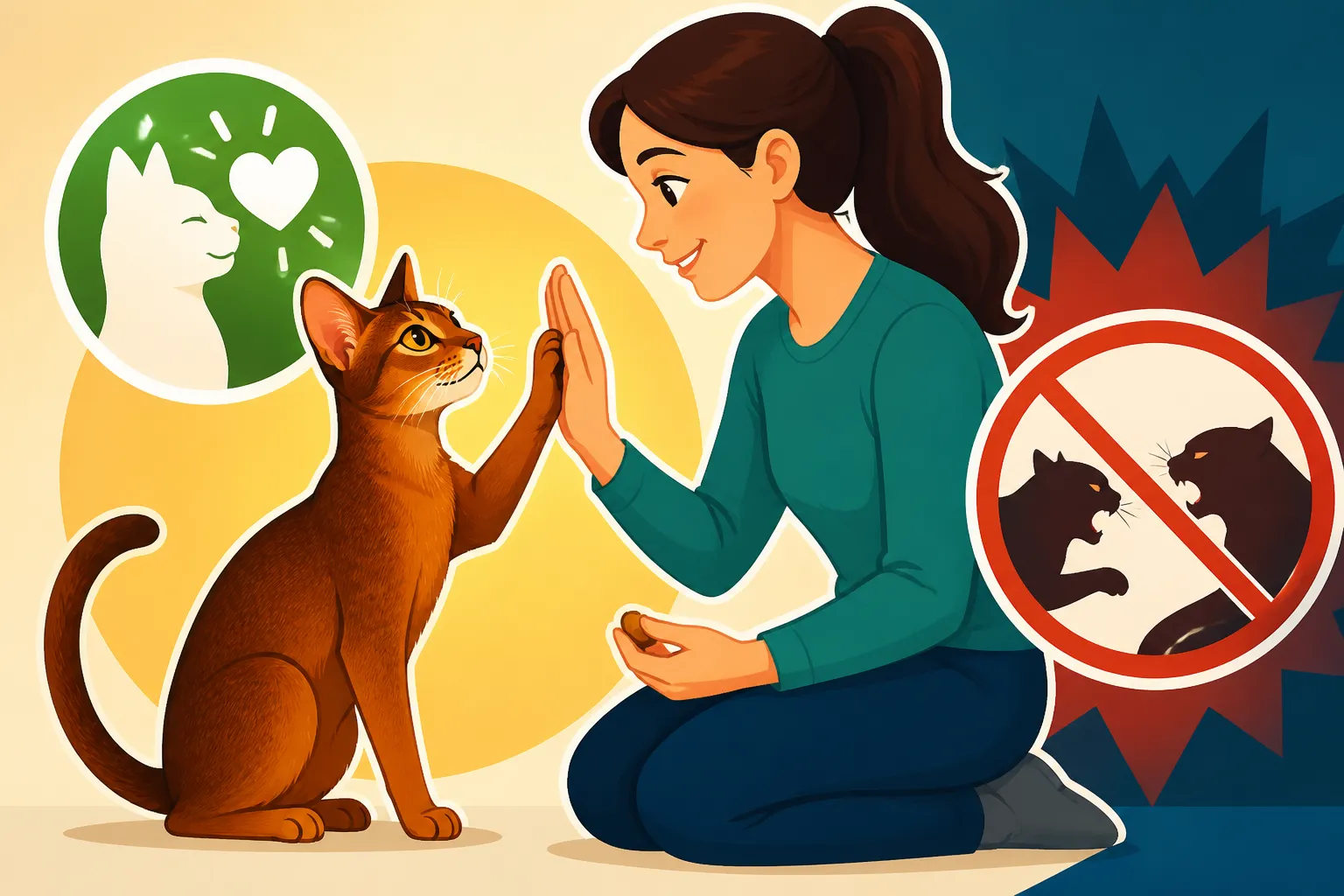
- Bonding: Sharing new experiences outdoors can strengthen the bond between you and your Abyssinian.
- Safe Exploration: It allows them to indulge their natural instincts for exploration in a controlled, safe manner, reducing the risks associated with free-roaming outdoor cats. Many Aby owners also construct a dedicated catio to satisfy their cat's outdoor craving, as seen in How an Abyssinian Uses a Catio. This combines safety with freedom.
Risks:
- Escape: Even with a well-fitting harness, a determined Abyssinian can sometimes wiggle free, especially if startled. This is why vigilance and a secure harness are paramount.
- Parasites and Illness: Exposure to fleas, ticks, worms, and other pathogens is a risk outdoors. Ensure your Abyssinian is up-to-date on all vaccinations and parasite prevention.
- Predators and Other Animals: Other cats, dogs, wildlife, or even aggressive humans can pose a threat.
- Environmental Hazards: Poisonous plants, chemicals, busy roads, or dangerous objects are all potential risks.
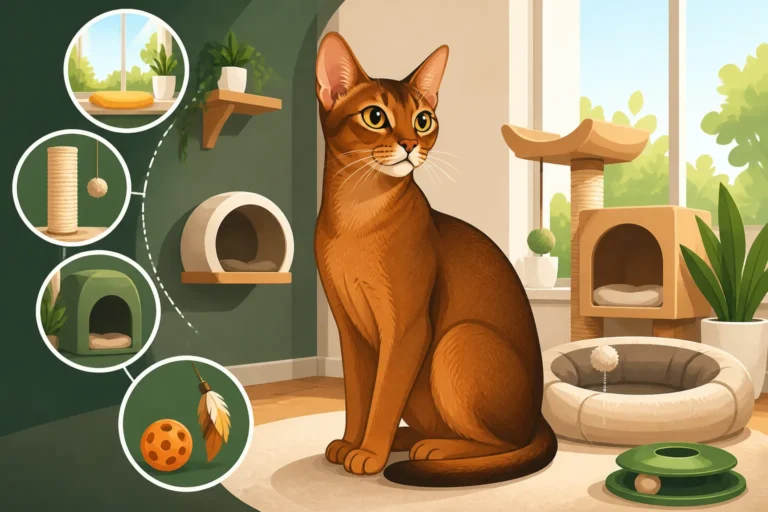
For these reasons, many Abyssinian owners choose to offer outdoor access through a catio or via supervised harness walks. For indoor cats, simply having access to a stimulating window perch, as detailed in Why an Abyssinian Needs a Window Perch, can also provide significant environmental enrichment.
Troubleshooting Common Challenges
Even with the most patient approach, you might encounter some common challenges during harness training. It’s important to address these with understanding and adaptability.
The "Flop and Refuse to Move"
This is probably the most iconic cat reaction to a harness. Your Abyssinian might suddenly drop to the ground, lie flat, and act as if they are paralyzed or dying. They may refuse to take a single step.
- Solution: Don't drag them or scold them. This reaction is usually rooted in feeling vulnerable or restricted.
- Inside: If indoors, gently encourage them with a high-value treat placed just out of reach. If they still don't move, pick them up, offer praise and a treat, and remove the harness. Try again later for a shorter duration.
- Outside: If this happens outdoors, gently scoop them up and carry them for a bit, or move to a quieter spot. Sometimes a change of scenery or a brief cuddle can help them reset. If they continue to be distressed, take them back inside. The goal is to end the session before they become truly stressed.
Chewing the Harness
Some Abyssinians, particularly younger or more anxious ones, might try to chew on the harness.
- Solution:
- Redirection: Immediately redirect their attention with a favorite toy or a quick play session.
- Treats: Offer a high-value treat to chew on instead.
- Fit Check: Ensure the harness fits snugly but comfortably. A loose strap might be more tempting to chew.
- Material: If they persist, consider a harness made from a more durable or less appealing material. You might find durable, chew-resistant harnesses on Amazon, often designed with tougher fabrics.
The Escape Artist
Abyssinians are incredibly flexible and agile. If the harness isn't perfectly fitted, or if they are extremely motivated to escape, they can often wriggle out.
- Solution:
- Perfect Fit: This cannot be stressed enough. The harness must be snug enough that you can only fit one or two fingers comfortably under the straps. Pay particular attention to the chest and neck areas.
- Vest Harness Advantage: This is where a vest-style harness truly shines, as it's much harder to escape from than a simple H-style harness.
- Immediate Consequence (Gentle): If they escape, the "consequence" is that the fun (being outdoors) immediately ends. Gently but firmly scoop them up, take them inside, and remove the harness. This helps them associate escaping with the loss of a desired activity.
Loss of Interest or Regression
Sometimes, a cat might be doing well with harness training and then suddenly regress or lose interest.
- Solution:
- Go Back to Basics: If they suddenly start resisting, go back a step or two in the training process. Reintroduce the harness with treats and play indoors.
- Keep it Fresh: Vary your outdoor locations (if possible and safe) to keep things interesting. Introduce new toys or treats during harness sessions.
- Shorten Sessions: Perhaps the sessions were too long, or they encountered something stressful. Reduce the duration and build back up slowly.
- Health Check: Rule out any underlying medical issues. Sometimes a subtle discomfort can manifest as behavioral changes.
Remember, every Abyssinian is an individual. What works quickly for one might take weeks for another. Celebrate every small victory, maintain a positive attitude, and focus on building a relationship of trust and enjoyable shared experiences. The goal isn't just to get them into a harness, but to make it a positive, enriching part of their life.
Disclaimer
This article is for general informational purposes only and does not constitute professional advice. Laws, prices and regulations vary by location and change over time. Consult a qualified professional for guidance on your specific situation.