Where to Walk an Abyssinian Safely
It's completely natural to want your energetic Abyssinian to experience the world beyond your four walls. You see other cats on leashes, and you think, "My Abyssinian has so much energy, they'd love that!" But then the immediate worry sets in: how on earth do you keep such a curious, athletic, and sometimes darting cat safe outside? This guide is here to walk you through exactly where and how to safely introduce your Abyssinian to outdoor adventures.
The Abyssinian's Unique Outdoor Challenges
Before we even think about stepping out the door, it’s crucial to understand that walking an Abyssinian isn't quite like walking, say, a sedate Persian. Abyssinians are bundles of boundless energy, incredible intelligence, and instincts honed over centuries. They are not merely pretty faces; they are miniature athletes and highly astute observers of their surroundings, which presents both opportunities and significant challenges for safe outdoor exploration.
Why a Leash Walk Isn't a Stroll for an Aby
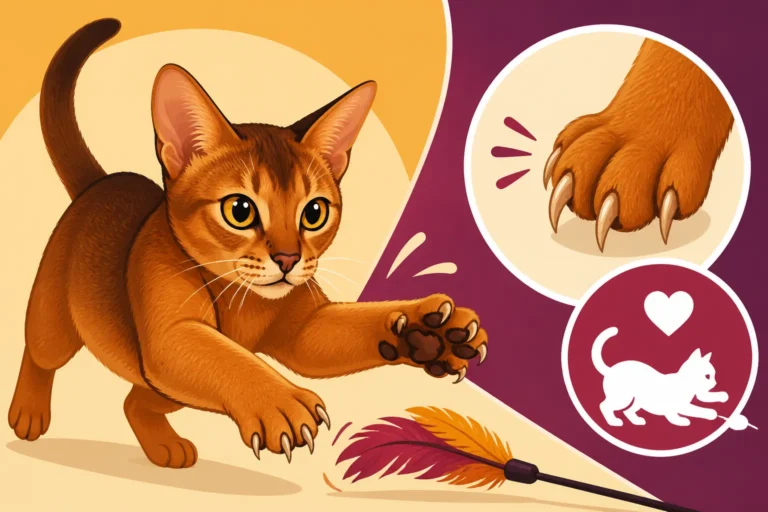
Your Abyssinian might be a cuddly companion indoors, but once outside, their innate curiosity kicks into overdrive. Every rustling leaf, every distant bird call, every new scent is an irresistible invitation for investigation. This isn't a cat content to sniff a single blade of grass for five minutes. An Abyssinian wants to explore, often with a speed and agility that can catch an unprepared owner off guard. They are known for their sudden bursts of speed and their impressive jumping abilities. How Far an Abyssinian Can Jump is truly remarkable, making any perceived barrier a mere suggestion. You might think a tall fence is enough, but an Abyssinian sees it as a challenge. Their high prey drive means that a squirrel or bird sighting can trigger an instant chase response, potentially pulling them out of your grip or into a dangerous situation. This isn't mischief; it's instinct, and it means you need to be constantly vigilant.
Understanding the Risks of Uncontrolled Outdoor Access
It might seem appealing to just let your Abyssinian wander a bit in the yard, but for a breed as active and intelligent as this, it’s a recipe for disaster. The outdoors is full of hidden dangers: traffic, aggressive animals (dogs, wild predators, or even other territorial cats), poisonous plants, parasites, and even human mischief. An Abyssinian's trusting nature with people can unfortunately make them vulnerable. Even a seemingly safe, fenced yard can be breached by an athletic Aby, or by another animal entering their space. This is why we firmly believe that Why an Abyssinian Should Not Roam Outdoors is a golden rule for their safety and longevity. Their inquisitive minds also mean they're more likely to ingest something harmful or get into tight spaces they can't escape from.
Essential Gear for Safe Abyssinian Adventures
Once you've wrapped your head around the unique nature of walking an Abyssinian, the next step is ensuring you have the right equipment. This isn't just about comfort; it's about security. A loose leash or an ill-fitting harness can turn a planned adventure into a frantic search mission in seconds.
The Importance of a Secure Harness
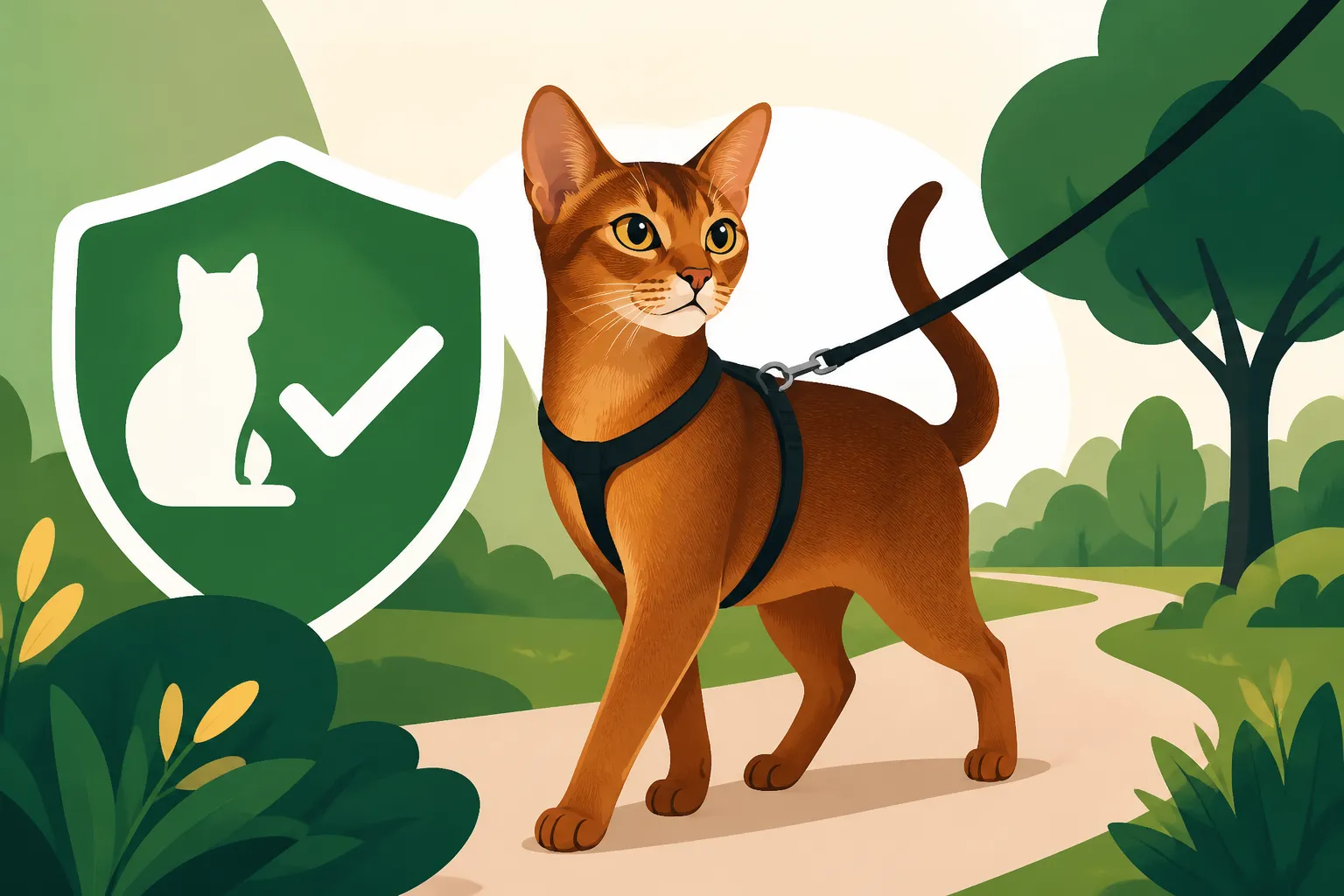
Forget the flimsy buckle collars; they offer no control and can easily slip off an Abyssinian's slender neck. For an Abyssinian, a secure, escape-proof harness is non-negotiable. Look for an H-style or vest-style harness that fits snugly but doesn't restrict movement. The key is to have multiple adjustment points and to ensure it's tight enough that you can only fit one or two fingers comfortably under the straps. Abyssinians are Houdinis of the feline world, capable of wriggling out of surprisingly secure-looking harnesses if they're not fitted perfectly. Many owners find that harnesses from brands like Sleepypod or Kitty Holster offer a good balance of security and comfort. You can often find a wide selection and read reviews for different styles on platforms like Amazon. Don't just buy one size fits all; measure your cat carefully around the chest and neck. Remember, the goal is to distribute pressure evenly across their chest and shoulders, not their throat. Which Harness Fits an Abyssinian's Narrow Chest is a critical consideration, as their body shape can make some standard harnesses ill-fitting.
Choosing the Right Leash and Other Essentials
A lightweight, 6-foot leash is generally ideal. Avoid retractable leashes, as they offer less control and can be dangerous if your cat suddenly bolts or you need to pull them back quickly from a hazard. A fixed-length leash gives you consistent control and communication with your cat. Beyond the leash and harness, consider these items:
- Carrier: A soft-sided carrier is invaluable for transporting your Abyssinian to and from your chosen walking spot, especially if it's not directly outside your home. It provides a secure den and a safe haven if your cat gets overwhelmed.
- Collar with ID Tag: Even with a harness, a lightweight collar with an ID tag (showing your phone number) is an extra layer of protection in case they somehow manage to slip free. Make sure the collar is a breakaway style for safety.
- Treats: High-value treats are fantastic for positive reinforcement during training and for redirecting attention if your Abyssinian gets distracted or startled.
- Water: A small collapsible bowl and a bottle of water are essential, especially on warmer days or for longer outings.
- Poop Bags: Yes, cats can and do poop on walks! Being a responsible pet owner means cleaning up after your feline companion.
- Pet First-Aid Kit: A small, portable kit with essentials like antiseptic wipes, gauze, and vet wrap is always a good idea for any outdoor adventure.
Scouting Safe Locations for Your Abyssinian's Outdoor Adventures
This is where the rubber meets the road, or rather, where your Abyssinian's paws meet the pavement (or grass!). The choice of location is paramount for safety and for making the experience enjoyable for both of you. You can't just open the door and expect them to be fine; strategic planning is key.
Low-Traffic and Controlled Environments
The absolute best places to walk an Abyssinian are those with minimal distractions and limited potential hazards. Think of it as creating a "safe bubble" for their exploration.
- Your Own Fenced Yard (if secure): If you have a truly escape-proof, private fenced yard, this is often the ideal starting point. It's familiar territory, and you have control over what enters and exits. Even here, stay vigilant. Abyssinians are agile and curious.
- Quiet Parks during Off-Peak Hours: Look for smaller, lesser-known parks, or visit larger parks very early in the morning or late in the evening when human and dog traffic is at its lowest. Avoid dog parks entirely, and be wary of areas with loose dogs. Always check for leash laws and regulations regarding cats in public spaces.
- Enclosed Community Gardens or Private Spaces: If you have access to a friend's securely fenced garden or a community garden that allows cats and is fully enclosed, these can be excellent choices. The key is "enclosed" – think high walls or fences that your Aby cannot easily scale or squeeze through.
- "Catio" or Secure Outdoor Enclosure: While not a "walk" in the traditional sense, a catio is the ultimate safe outdoor space for an Abyssinian. It allows them to experience fresh air, sun, and outdoor sights and sounds without any risk of escape or encountering dangers. Many owners find this to be the most stress-free way to give their adventurous Aby outdoor time.
Avoiding High-Risk Areas
Knowing where not to walk your Abyssinian is just as important as knowing where to go.
- Busy Streets and Sidewalks: The noise, sudden movements, and sheer volume of traffic are terrifying and dangerous for a cat. One sudden fright could send them bolting into traffic, even on a leash.
- Dog Parks or Off-Leash Areas: This should be obvious, but it bears repeating. Even the most dog-friendly cat can be injured or traumatized by an overly enthusiastic or aggressive dog.
- Areas with Stray Animals or Wildlife: While an Abyssinian's prey drive might make them interested in birds or squirrels, encounters with larger, potentially aggressive strays or wild animals like raccoons or coyotes pose a serious threat.
- Unfamiliar or Overly Stimulating Environments: Theme parks, outdoor markets, or crowded festivals are absolutely not suitable for a cat walk. The sheer sensory overload can cause immense stress and panic, leading to attempts to escape.
To help visualize, here’s a table outlining ideal versus unsuitable walking environments for your Abyssinian:
| Environment Type | Suitability for Abyssinian Walks | Key Considerations |
|---|---|---|
| Secure Fenced Yard | Ideal | Ensure no escape points, monitor for garden hazards. |
| Quiet Local Park | Good (with caution) | Choose off-peak hours, avoid dog areas, check for toxic plants. |
| Enclosed Community Garden | Good | Confirm cat-friendly rules, check fencing, supervise closely. |
| Dedicated Catio | Excellent (always safe) | Provides sensory enrichment without direct risk of escape. |
| Nature Trails (Secluded) | Fair (experienced cat only) | Very low human/dog traffic, potential wildlife encounters, long grass for ticks. |
| City Sidewalks/Busy Parks | Unsuitable | High noise, traffic, unpredictable elements, extreme stress. |
| Dog Parks/Off-Leash Areas | Dangerous | Direct risk of injury from dogs, high stress for cat. |
| Crowded Public Events | Unsuitable | Overwhelming sensory input, high risk of panic and escape. |
Making the Outdoor Experience Positive and Secure
Successfully walking your Abyssinian isn't just about the location or gear; it's about the entire experience. It needs to be a positive, reinforcing activity that builds their confidence and trust in you.
Gradual Introduction and Positive Reinforcement
Start small and go slow. The first step is getting your Abyssinian comfortable with the harness indoors. Let them wear it for short periods, associating it with positive things like treats or play. Once they tolerate the harness, attach the leash and let them drag it around the house under supervision. Never force the issue; if they show signs of stress, take a break. How to Harness Train an Abyssinian Without a Fight emphasizes patience and positive association above all else.
When you finally venture outside, choose your safest, most familiar spot first, like your backyard. Keep the first few sessions very short—just five or ten minutes. Let your Aby lead the way, exploring at their own pace. Don't pull them or try to force them to go where they don't want to. Offer treats and praise liberally for calm behavior. The goal is to make the outdoors a fun, predictable extension of their safe indoor world.
Vigilance and Preparedness
Even in the most ideal locations, constant vigilance is your best defense.
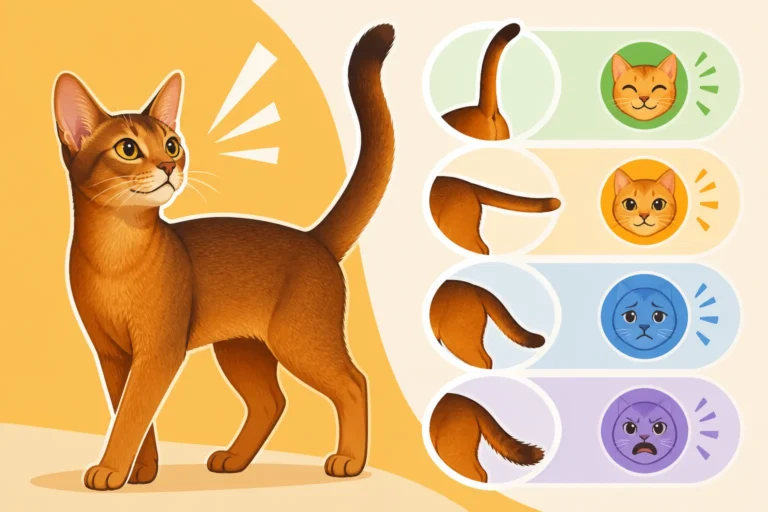
- Observe Your Cat's Body Language: An Abyssinian's tail can tell you a lot. Is it high and gently swaying with curiosity, or tucked low in fear? Are their ears forward and alert, or flattened against their head? Are they trying to hide or bolt? Learn to read these cues and respond appropriately, whether that means retreating to safety or offering comfort.
- Scan Your Surroundings: Always be aware of potential threats: approaching dogs, children who might run up, sudden loud noises, or anything that could startle your cat. Be ready to pick them up or physically shield them if necessary.
- Practice Recall: While not as reliable as with dogs, teaching your Abyssinian a solid recall command (e.g., calling their name and offering a high-value treat) can be invaluable. Practice it indoors first, then in your safe outdoor space.
- Be Ready to Abort Mission: If your Abyssinian seems stressed, fearful, or overwhelmed, don't push it. Scoop them up, put them in their carrier, and head home. A negative experience can set back your training significantly. Sometimes, the safest walk is the one you decide not to take that day.
Walking an Abyssinian safely takes dedication, the right equipment (which you can easily find on Amazon), and a deep understanding of their unique personality. But the bond it can build and the enrichment it provides for your active companion are truly priceless.
Disclaimer
This article is for general informational purposes only and does not constitute professional advice. Laws, prices and regulations vary by location and change over time. Consult a qualified professional for guidance on your specific situation.