Why an Abyssinian Should Not Be Let Outside Loose
It’s a natural thought, isn't it? Our beloved Abyssinians are so full of life, so active, so curious. You might look at their wild-like ticked coat and think they'd simply thrive exploring the great outdoors, chasing butterflies, and climbing real trees. But the truth is, letting your Abyssinian roam loose outside, unsupervised, is one of the riskiest decisions you can make for their safety and well-being. This guide will walk you through the very real dangers and frustrations associated with allowing these precious, energetic cats unsupervised outdoor access, and how you can provide them with a rich, safe life indoors.
The Instinct vs. Reality: Why Outdoor Freedom Isn't What It Seems for an Abyssinian
While Abyssinians certainly possess a keen hunting instinct and boundless energy, their domestic upbringing and distinctive physical traits make the unsupervised outdoors a far more dangerous place than you might imagine. They are not wild animals, no matter how much their ancestors might have roamed.
The Abyssinian's Prey Drive and Vulnerability
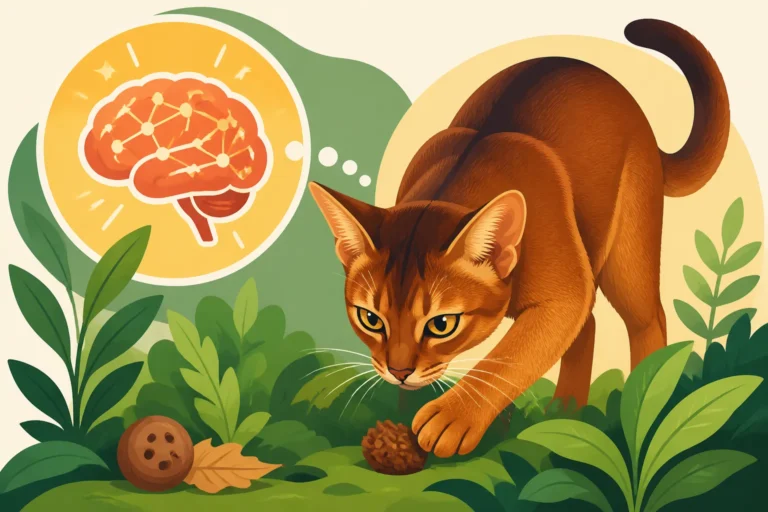
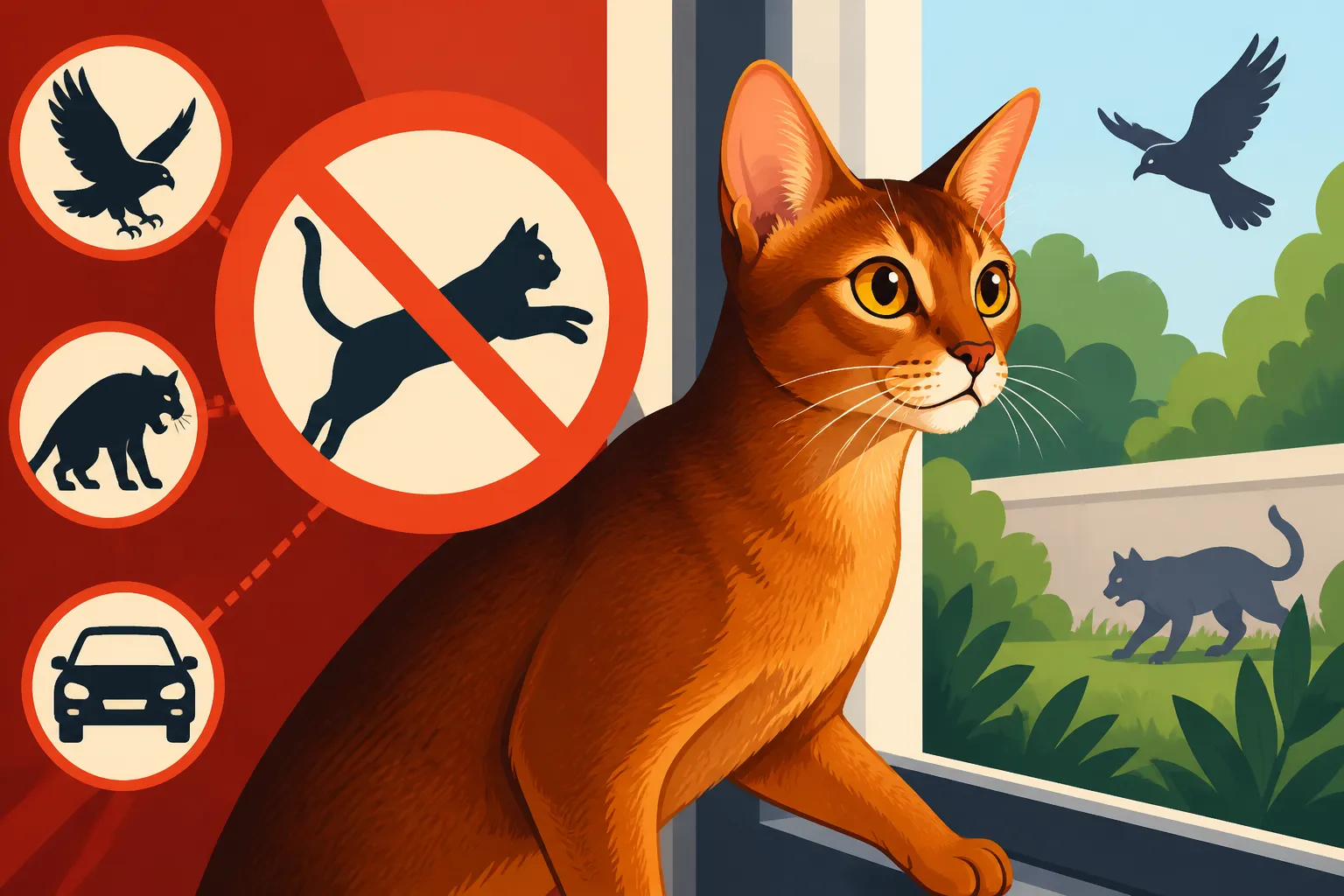
Your Abyssinian might be a fierce hunter of laser pointers and feather wands indoors, but the outdoor world presents a very different, often brutal, challenge. Their incredible agility and high prey drive mean they're likely to chase anything that moves – a squirrel across a busy road, a bird into a neighbor's yard, or even a leaf that just looks like it's going somewhere interesting. This intense focus, combined with their lack of true predatory survival skills against larger threats, puts them in immense peril. They don't have the ingrained fear of cars or unfamiliar dogs that a truly feral cat might develop.
Moreover, Abyssinians are sleek, lean cats with very little undercoat. While this makes their grooming routine a breeze – The Ticked Coat Is the Whole Abyssinian Grooming Job – it also means they are not equipped for harsh weather conditions. A sudden cold snap, a downpour, or even intense heat can quickly become life-threatening for a cat without sufficient insulation or the street smarts to find proper shelter. They rely on us for their comfort and safety, and the elements can be unforgiving.
The Dangers of Traffic and Environmental Hazards
The most immediate and heartbreaking danger for any outdoor cat is traffic. Even on quiet residential streets, a distracted driver or a sudden swerve can be fatal. Abyssinians are incredibly fast, but their speed is no match for a car. They are bred for agility and leaping, not for dodging multi-ton vehicles with perfect timing. A cat's natural reaction to danger can often be to freeze or bolt erratically, which is the worst possible response to an oncoming vehicle.
Beyond vehicles, the outdoor environment is littered with hazards. Poisons are a huge concern. Antifreeze, rat poison, slug pellets, pesticides, and even certain common garden plants can be deadly if ingested. Neighbors might not realize your cat is roaming and inadvertently leave out substances that are toxic. There are also less obvious dangers like discarded food waste, which can lead to severe stomach upset, or even broken glass and sharp objects that can cause nasty cuts and infections, leading to expensive emergency vet visits. Your Abyssinian's inquisitive nature, which we adore indoors, becomes a serious liability when faced with these unknown threats.
Health Risks Lurking in the Great Outdoors
Even if your Abyssinian manages to avoid traffic and obvious poisons, the outdoor world is a breeding ground for illnesses and parasites that can severely compromise their health, and potentially, your other pets or even your family.
Parasites and Disease Transmission
Fleas and ticks are an absolute nightmare, and an outdoor Abyssinian is a walking buffet for them. While preventative medications exist, constant exposure makes managing these pests an uphill battle. Fleas can cause intense itching, skin infections, and even transmit tapeworms. Ticks carry a host of diseases, including Lyme disease and other debilitating conditions, and can be notoriously difficult to spot in an Abyssinian's beautifully ticked coat.
Beyond external parasites, there's a myriad of internal parasites like roundworms, hookworms, and whipworms that can be picked up from contaminated soil or ingesting infected prey. Regular deworming helps, but again, constant exposure makes it an ongoing battle.
More concerning are infectious diseases. Outdoor cats are at a much higher risk of contracting Feline Leukemia Virus (FeLV) and Feline Immunodeficiency Virus (FIV) through bites and scratches from infected cats. These are devastating, incurable diseases that drastically shorten a cat's lifespan and require extensive, costly medical management. Other respiratory infections, distemper, and rabies (even if vaccinated, a bite from a rabid animal is a serious concern) are also far more prevalent in outdoor populations. While we recommend vaccinating even indoor cats against core diseases, constant exposure dramatically increases the odds of exposure and breakthrough infections. Which Vaccines an Indoor Abyssinian Actually Needs is a helpful read, but the outdoor risks are simply in a different league.
Injuries from Fights and Accidents
Abyssinians are known for their confident and sometimes feisty personalities. While they can be very social with their human families and even other pets, they are not always keen to share their perceived territory with other cats. Unsupervised outdoor access inevitably leads to territorial disputes, and catfights can be brutal. Bite wounds and scratches are not just painful; they can easily become infected, leading to abscesses that require veterinary drainage, antibiotics, and sometimes even surgery. These injuries can also be the vector for serious viral diseases like FIV.
Beyond other cats, your Abyssinian could encounter aggressive dogs, wildlife such as raccoons, coyotes, or even larger birds of prey depending on your location. A swift Abyssinian might escape some encounters, but their lean build makes them vulnerable. Falls from trees they've climbed too high, getting stuck in tight spaces, or accidents involving fences or garden tools are also common injuries reported in outdoor cats. The costs associated with treating these injuries, from X-rays to stitches to long-term care, can quickly escalate, adding significant financial strain on top of the emotional distress of seeing your beloved pet hurt.
The Stress and Loss of an Outdoor Life
The romantic notion of a free-roaming cat often overlooks the immense stress and potential for permanent loss that accompanies an unsupervised outdoor existence. Your Abyssinian thrives on companionship and routine, both of which are severely compromised when they are left to fend for themselves.
The Emotional Toll of Roaming
An Abyssinian who is constantly venturing outside is subjected to a continuous state of vigilance. They have to constantly assess threats from other animals, humans, and environmental factors. This chronic stress can manifest in behavioral issues when they are indoors, such as increased anxiety, aggression, or inappropriate urination. The bond you've built with your Abyssinian, which thrives on trust and security, can be subtly undermined by the independent (and often terrifying) experiences they have outside.
Furthermore, Abyssinians are incredibly intelligent and curious. While this makes them a joy to train and interact with – Training an Abyssinian Is Easier Than Stopping It – it also means they can easily become disoriented or get lost far from home. A sudden loud noise, a strange dog, or even just chasing a particularly interesting scent could lead them miles away. Microchipping is essential for all cats, but even with a chip, the heartache of a lost pet is profound, and the chances of recovery diminish with every passing hour they are exposed to the elements and dangers.
The Unforeseen Threat of Theft and Harm
It’s a grim reality, but beautiful, distinctive pedigree cats like Abyssinians can be targets for theft. Their unique ticked coat, striking eyes, and confident demeanor make them easily identifiable and attractive to unscrupulous individuals. People looking for breeding stock, or even those with malicious intent, might see a free-roaming Abyssinian as an easy target. The idea of your beloved family member being stolen and potentially exploited or harmed is a terrifying prospect, but it is a very real danger for an outdoor pedigree cat.
Beyond theft, there are unfortunately people who harbor resentment towards cats or whose dogs are not friendly towards them. An Abyssinian's bold nature might lead them to confidently approach a situation that is actually very dangerous, resulting in injury or worse. Allowing them unsupervised access essentially removes your ability to protect them from the unpredictable and often unkind aspects of human nature.
Creating a Safe and Stimulating Indoor Environment
The good news is that Abyssinians can live incredibly rich, fulfilling, and long lives exclusively indoors. Their high energy and intelligence mean they require thoughtful enrichment, but providing this is far safer and more rewarding for both you and your cat.
Vertical Space and Enrichment
Abyssinians are natural climbers. They love to be high up, observing their domain, and interacting with their environment from a lofty perch. Providing ample vertical space is absolutely crucial for their happiness indoors. Think tall cat trees – you can find fantastic, sturdy options on Amazon – or even wall-mounted shelves and cat walkways. An Abyssinian Needs Height More Than It Needs Floor isn't just a suggestion; it's a fundamental need for this breed. Without it, they might resort to climbing curtains, bookshelves, or your delicate décor, which can be both frustrating for you and dangerous for them.
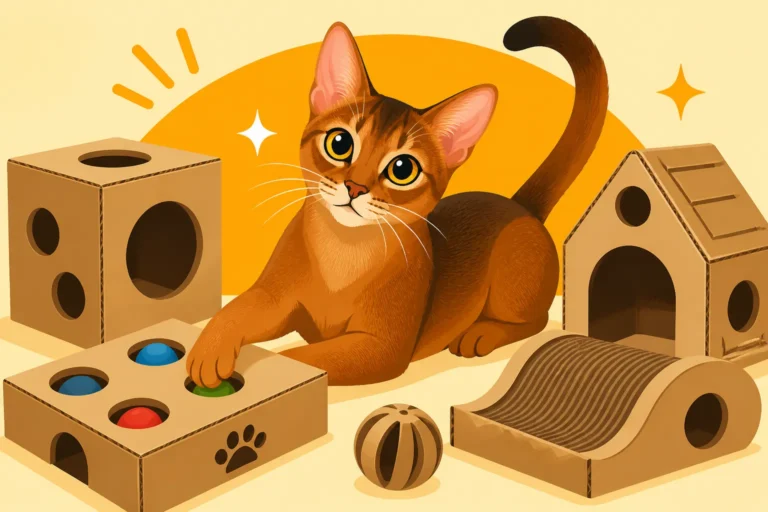
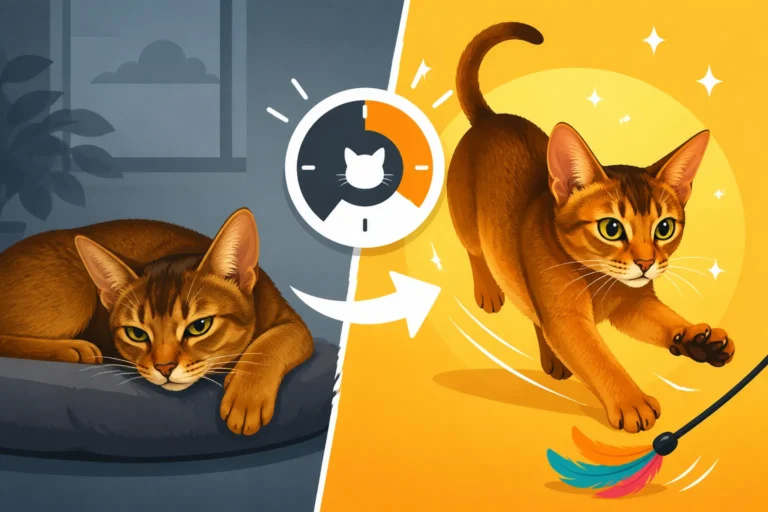
Puzzle feeders are another fantastic way to engage their intelligent minds and satisfy their hunting instincts in a controlled environment. Instead of simply putting their food in a bowl, make them work for it. There's a wide array of puzzle feeders available on Amazon that challenge them to strategize and 'hunt' for their meals, preventing boredom and providing mental stimulation. Rotating toys, dedicated play sessions with wand toys, and even just providing crinkle balls or empty cardboard boxes can make a huge difference in keeping them entertained. Remember, Why an Abyssinian Destroys Cheap Furniture Faster is often because they're not getting enough appropriate outlets for their energy.
Supervised Outdoor Experiences
If you still crave the idea of your Abyssinian experiencing the fresh air and sights of the outdoors, there are safe, supervised alternatives. Leash training is a fantastic option. With patience and positive reinforcement, many Abyssinians take well to a harness and leash, allowing them to explore your garden or even go for short walks in safe, quiet areas. Look for comfortable, escape-proof harnesses on Amazon, and start training early in a calm environment. You can learn more about this in How to Leash Train an Abyssinian.
Another excellent solution is a "catio," a secure outdoor enclosure that allows your Abyssinian to enjoy the outdoors without any of the inherent risks. Catios can range from small window boxes to elaborate, fully enclosed runs connected to your house. They provide fresh air, sunshine, and sensory enrichment from the outside world while keeping your cat safe from traffic, predators, and disease. You can build one yourself or buy modular kits, many of which are available through retailers on Amazon. Understanding How an Abyssinian Uses a Catio can help you design the perfect one. These options provide the best of both worlds: outdoor stimulation in a truly safe environment.
Ultimately, keeping your Abyssinian indoors is a commitment to their longevity and well-being. The initial desire for them to "experience nature" quickly pales in comparison to the peace of mind knowing they are safe, healthy, and happy within the protective confines of your home.
Here's a quick overview of the risks and benefits:
| Feature/Risk | Indoor Abyssinian | Outdoor Abyssinian (Unsupervised) |
|---|---|---|
| Safety from Traffic | High | Very Low |
| Exposure to Poisons | Very Low | High |
| Parasite Risk | Low (preventative care still needed) | Very High (fleas, ticks, worms, etc.) |
| Disease Risk | Low (core vaccinations, limited exposure) | Very High (FeLV, FIV, rabies, respiratory infections) |
| Injury Risk | Low (falls from cat trees, household accidents) | Very High (fights, falls, animal attacks, accidents) |
| Getting Lost | Very Low | High |
| Theft Risk | Very Low | High |
| Weather Exposure | None (controlled environment) | High (hypothermia, heatstroke, rain exposure) |
| Life Expectancy | Typically 12-15+ years (The Twelve to Fifteen Years an Abyssinian Usually Gets) | Significantly reduced (often 2-5 years) |
| Mental Stimulation | Requires active owner enrichment (toys, puzzles, vertical space) | Provided by environment (but often stressful) |
| Bond with Owner | Strong, built on consistent interaction and security | Can be strained by independent, stressful outdoor experiences |
Disclaimer
This article is for general informational purposes only and does not constitute professional advice. Laws, prices and regulations vary by location and change over time. Consult a qualified professional for guidance on your specific situation.