How an Abyssinian Behaves in the Car
Oh, the dreaded car ride with a cat! It’s a scenario that fills many Abyssinian owners with a unique blend of anxiety and dread, largely because our clever, energetic Aby companions often have very strong opinions about being confined and moved. This guide is here to walk you through understanding how your Abyssinian is likely to react to car travel, how to prepare both of you for it, and how to make the experience as calm and positive as possible.
The Abyssinian's Innate Curiosity Versus Car Travel Stress
Anyone who shares their home with an Abyssinian knows they are creatures of immense curiosity, boundless energy, and often, a deep appreciation for routine. These very traits, while endearing and engaging in daily life, can unfortunately become significant hurdles when it comes to the unfamiliar and often stressful experience of car travel. You might have a cat that fearlessly explores every new Amazon box, but put them in a carrier in a car, and suddenly that brave explorer turns into a vocal, anxious mess. It’s a frustrating juxtaposition, to say the least.
Why Travel Can Be Challenging for Any Cat, Especially an Abyssinian
Think about it from your Abyssinian's perspective. They are suddenly removed from their familiar territory, placed in a small, enclosed space, and then subjected to a cacophony of new sights, sounds, and sensations – the rumble of the engine, the vibration of the road, strange smells wafting in, and a constantly changing visual landscape rushing past. For a creature whose world is typically quite predictable and within its control, this is an overwhelming sensory assault. The lack of control is perhaps the biggest factor; they can’t decide where they’re going, when they’ll stop, or what new place they’ll end up in.
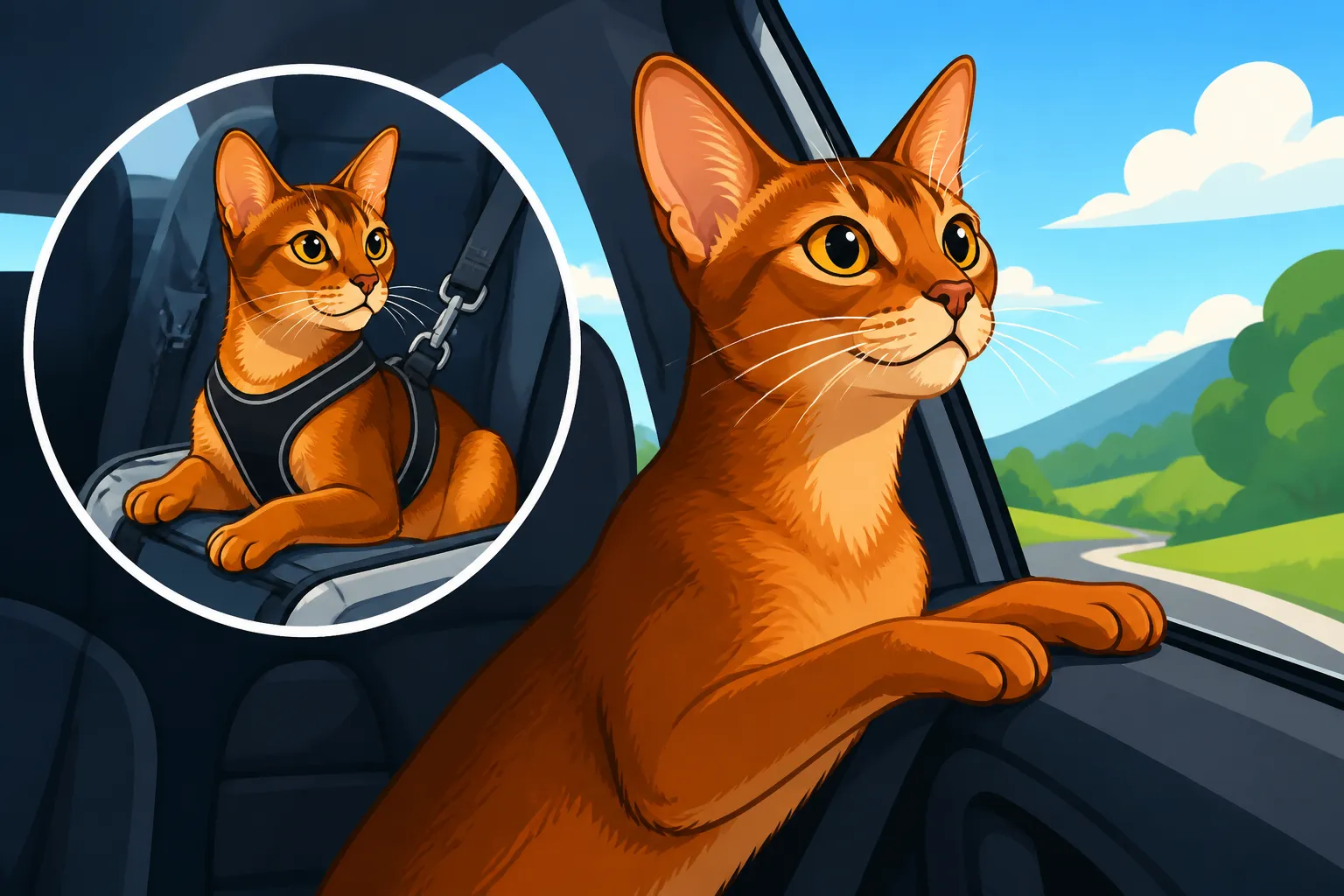
For an Abyssinian, this inherent challenge is often amplified by their highly intelligent and active nature. They aren't usually content to just sit quietly and observe. Their minds are always working, trying to understand, analyze, and sometimes, even try to escape a situation they deem unpleasant. This isn't just a generic cat problem; it’s a specific Abyssinian trait that can lead to intense vocalization, relentless attempts to break out of the carrier, or even stress-induced physical reactions. Conversely, some Abyssinians, particularly if introduced properly, might tap into that curiosity and become fascinated by the moving world outside the window, treating the car as a giant, noisy, mobile viewing platform. It really runs the gamut, and you won’t know which extreme your Aby leans towards until you try.
The Impact of Early Experiences on Car Behavior
It's a common story: the first few times your Abyssinian kitten experiences a car ride, it's usually to the vet for vaccinations or spay/neuter surgery. What a way to start their relationship with vehicular travel, right? These initial experiences are incredibly formative, and if they're consistently associated with stress, fear, or pain, your Abyssinian is highly likely to develop a lifelong aversion to car rides. It's a classic case of classical conditioning, and unfortunately, it's very hard to undo once established.
Imagine the scenario: A tiny kitten, just settling into a new home, is scooped up, put into a carrier, driven to a strange place, poked and prodded, and then driven home. Every subsequent trip follows the same pattern. It’s no wonder they start to associate the carrier appearing with impending doom. On the other hand, if a breeder or new owner thoughtfully introduces car rides as short, positive experiences – perhaps a quick trip around the block ending with treats and praise back at home – it can lay a much more solid foundation. The goal is to make the carrier and car a neutral, or even slightly positive, experience rather than a harbinger of something scary. How to Settle an Abyssinian in a New Home often involves car travel, so making that first impression a good one is crucial.
Preparing Your Abyssinian for a Stress-Free Journey
Preparation is truly key when it comes to car travel with an Abyssinian. You can’t just spring the carrier on them five minutes before you need to leave and expect calm compliance. Their intelligent minds will be working overtime trying to figure out what's going on, and usually, they'll decide it's something bad. A little foresight and consistent effort can dramatically improve their tolerance, if not outright enjoyment, of car rides.
Choosing the Right Carrier for Your Active Aby
Selecting the proper carrier is more important than you might initially think, especially for a clever and often Houdini-esque Abyssinian. You need something secure, well-ventilated, and comfortable enough for them to feel safe.
Here are some types to consider:
- Hard-Sided Carriers: These are often veterinarian-recommended for their durability, ease of cleaning, and structural integrity. Look for one with good ventilation on multiple sides and, ideally, a top-loading option. The top-loader can be a godsend for getting a reluctant Abyssinian into the carrier without a wrestling match. Make sure the latching mechanism is robust; an Aby will test its limits.
- Soft-Sided Carriers: These can be lighter and more comfortable for your cat, offering a cozier, den-like feel. They often collapse for easy storage. However, they can be more challenging to clean if an accident happens, and a particularly determined Abyssinian might be able to chew through the mesh or even manipulate zippers if they aren't securely designed. If choosing soft-sided, opt for sturdy, reinforced construction.
- Backpack Carriers: Gaining popularity, these allow you to carry your cat on your back or front, which can be reassuring for some cats who like to be close to their human. Ensure it has ample space for your Abyssinian to stand and turn around comfortably, excellent ventilation, and a solid base so they don't feel precarious.
When shopping, perhaps on Amazon or at a local pet store, consider size carefully. An Abyssinian needs to be able to stand up, turn around, and lie down comfortably. Too small, and they’ll feel cramped and stressed. Too large, and they might slide around too much during movement, which can also cause anxiety. Whatever you choose, make sure it’s escape-proof. Many Abyssinians are adept at figuring out latches and zippers if they put their minds to it.
Acclimatization: Making the Carrier a Safe Haven
This is probably the single most crucial step for improving car travel. Your Abyssinian should view their carrier as a normal, safe part of their environment, not something that only appears when something bad is about to happen.
Here’s a step-by-step approach:
- Leave it out: Don’t hide the carrier in a closet. Leave it out in a common area of your home, perhaps with the door open or even removed entirely.
- Make it inviting: Place a soft, familiar blanket or towel inside, ideally one that smells like home or you. Put some favorite toys, especially puzzle feeders with high-value treats, inside. Which Treats an Abyssinian Will Actually Work For are perfect for this.
- Positive association: Every time your Aby goes near or in the carrier, offer praise, a treat, or a favorite toy. Let them explore it on their own terms. Never force them in.
- Feeding time: Start feeding your Abyssinian their meals inside the carrier. Begin with the food dish just outside the opening, then gradually move it further inside. This creates a powerful positive association.
- Short durations: Once they're comfortable eating and relaxing inside, close the door for very short periods (a few seconds), gradually increasing the time. Stay in the room, talk to them calmly, and release them before they become anxious.
- Practice lifts: Lift the carrier a few inches off the ground, then set it back down. Gradually increase the height and duration of the lift, all while offering calm reassurance.
The goal is that when it’s time for a trip, the carrier isn’t a surprising, scary object, but rather a familiar den they might even choose to nap in.
Pre-Travel Routines and Stress Reduction Techniques
Even with a well-acclimatized carrier, Abyssinians can still get anxious. A consistent pre-travel routine can help signal to your cat what's coming and reduce uncertainty.
- Timing meals: If your Abyssinian is prone to motion sickness, avoid feeding them a large meal right before travel. A light snack a few hours prior is usually fine. For long journeys, you'll need to consider how to manage food during stops.
- Playtime: A good, vigorous play session before a trip can help burn off excess energy and reduce anxiety. Get out the wand toy and let them chase and pounce until they’re panting slightly. How Much Play an Abyssinian Needs Each Day is a lot, so use it to your advantage.
- Pheromone sprays: Products containing synthetic feline facial pheromones can have a calming effect on some cats. Spray the carrier with it about 15-20 minutes before putting your cat in. Never spray directly on your cat.
- Stay calm: Cats are incredibly attuned to our emotions. If you’re stressed and rushing, your Abyssinian will pick up on that and become more anxious themselves. Take deep breaths, move slowly, and speak in a calm, soothing voice.
- Familiar scents: Place a blanket or an item of your clothing that smells like you inside the carrier. This familiar scent can be a source of comfort.
During the Car Ride: Managing Your Abyssinian's Behavior
Once you're actually on the road, your Abyssinian's unique personality will definitely shine through. Some will be vocal, some will be quiet and watchful, and some might even try to find a way out. Being prepared for these behaviors and knowing how to respond calmly can make all the difference.
Securing the Carrier and Ensuring Safety
This is paramount for both your Abyssinian’s safety and your own. An unsecured carrier can become a dangerous projectile in the event of a sudden stop, an accident, or even a sharp turn. Plus, a carrier sliding around will only increase your cat’s stress.
- Seatbelt it: The safest place for a carrier is often on the back seat, secured with a seatbelt. Thread the seatbelt through the carrier's handle or around the main body if possible. Some carriers even have specific seatbelt loops.
- Floor placement: If your carrier fits snugly on the floor behind a front seat, this can also be a safe option, as it prevents movement. Ensure it’s not too cramped and still allows for good airflow.
- Never in the front seat with airbags: Absolutely never place your cat's carrier in the front seat if your car has active airbags. An airbag deploying could cause severe injury or even death to your cat.
- Keep windows up (mostly): While a crack for fresh air is fine, never open the window enough for your Abyssinian to escape or stick their head out. The rushing wind and debris can be dangerous, and an Aby's agility is not to be underestimated.
Addressing Common Abyssinian Car Reactions
Abyssinians are known for their expressiveness, and car rides are no exception. You might encounter a range of behaviors:
- Vocalization: This is probably the most common Abyssinian car behavior. Expect chirps, trills, and insistent meows. What an Abyssinian's Chirp Means can vary from "hello" to "I'm displeased," and in the car, it's usually the latter. They might be expressing fear, discomfort, or simply demanding to be let out or to understand what's happening.
- Response: Resist the urge to let them out of the carrier. This reinforces that vocalization works. Instead, speak to them in a calm, reassuring tone. You can also try covering the carrier with a light blanket to reduce visual stimulation, which sometimes helps.
- Restlessness and escape attempts: An active Abyssinian might try to dig, scratch, or push their way out of the carrier. They're strong and persistent!
- Response: Ensure your carrier is absolutely secure. Double-check latches and zippers before you leave. If they're scratching aggressively, a soft blanket inside the carrier might offer a more appealing surface to knead.
- Motion sickness: Drooling, excessive swallowing, licking lips, vomiting, or even urination/defecation in the carrier are signs of motion sickness. This is usually due to the unfamiliar motion affecting their inner ear.
- Response: If this happens, pull over safely when possible. Clean the carrier and your cat as best you can (having paper towels and wipes handy is smart). For future trips, consult your vet about anti-nausea medications or sedatives that can be prescribed. They can assess if your Aby is suffering from motion sickness or just extreme anxiety.
- Quiet observation: Some Abyssinians might become very still and watchful, taking everything in. This can be a good sign, indicating they are tolerating the experience, even if they're not thrilled.
- Response: Keep an eye on them for any subtle signs of stress, but largely let them be. The calmer they are, the better.
Short Trips vs. Long Journeys
The duration of your car ride significantly impacts how you manage your Abyssinian.
- Short Trips (e.g., vet visits): For a 15-30 minute drive, the primary goal is getting there and back with minimal stress. Keep things efficient. Don't worry about offering water or food during such a short span. Focus on carrier comfort and calm handling.
- Long Journeys (e.g., moving house, holidays): These require much more planning.
- Breaks: Plan for regular breaks, ideally every 2-3 hours. Find a safe, quiet spot (like a rest stop or secluded parking lot). You can offer water in a spill-proof bowl or a syringe. Some cats might be comfortable enough to use a travel litter box if placed inside the car with the carrier door open, but never let your Aby out of the car unless they are in a harness and leash that you are securely holding. How to Harness Train an Abyssinian Without a Fight is excellent preparation for this.
- Food: For longer trips, offer small, easily digestible meals during breaks. Pack their usual food to avoid upsetting their stomach with sudden changes.
- Litter: A small, disposable litter box can be used during breaks, but many Abyssinians will be too stressed to use it in an unfamiliar car environment. They might hold it until they reach the destination.
- Hydration: Wet food can help maintain hydration. Consider a pet water bottle or a small, stable bowl.
Remember, a cross-country trip with an Abyssinian is a marathon, not a sprint. Patience and meticulous planning will be your best allies.
Post-Journey Care and Reinforcing Positive Associations
The journey doesn't end when the car stops. How you handle your Abyssinian immediately after the trip and in the days that follow can further shape their perception of car travel and new environments. It's about letting them decompress and re-establish a sense of security.
Settling In at the Destination
Whether you've just returned home from the vet or arrived at a new, temporary accommodation, the first few hours are crucial for your Abyssinian. They’ll likely be feeling disoriented and a little vulnerable.
- Create a safe space: Before you even arrive, prepare a quiet, secure room (like a bedroom or bathroom) at your destination. This room should have their litter box, food, water, and some familiar bedding or toys.
- Controlled release: Once you arrive, take the carrier directly to this prepared room. Open the carrier door and allow your Abyssinian to come out on their own terms. Don't force them. They might prefer to stay in the carrier for a while, which is perfectly fine.
- Familiar scents: If you're in a new place, spread blankets or towels from your home (or those with your scent) around the room to create familiar scent markers.
- Gradual exploration: Allow them to explore the safe room at their own pace. Keep other pets or excitable children out of the room initially. Once they seem comfortable in this smaller space, you can gradually introduce them to the rest of the house, supervising closely. For comprehensive advice, refer to How to Settle an Abyssinian in a New Home.
- Positive reinforcement: Offer treats, gentle petting, and calm praise as they start to settle. Re-establish their routine as quickly as possible.
Learning from Each Trip and Adjusting Your Approach
Every trip, whether successful or challenging, is a learning opportunity. Abyssinians are highly adaptable, and you can refine your approach based on their reactions.
- Observe and note: After each trip, take a moment to reflect. What worked well? What caused stress? Did covering the carrier help? Was the music too loud? Did the treats motivate them?
- Adjust and experiment: Don't be afraid to try different strategies for subsequent trips. Maybe a different carrier position in the car, a new calming spray, or a different type of treat will make a difference.
- Short, positive "joyrides": If your Abyssinian has a strong aversion to car travel, try taking them on very short, positive "joyrides" that don't end at the vet. Drive around the block, then immediately return home and give them a favorite treat and playtime. This helps break the negative association of "car = vet."
- Consistency: The more consistent you are with your pre-travel routine and positive reinforcement, the more likely your Abyssinian is to understand and eventually tolerate, or even enjoy, car travel. It’s a marathon, not a sprint, especially with these clever, sensitive felines.
Here's a quick comparison of carrier types to help you decide what might work best for your Abyssinian:
| Carrier Type | Pros | Cons | Ideal For |
|---|---|---|---|
| Hard-Sided | Durable, easy to clean, secure, often top-loading | Can be bulky to store, less cozy appearance | Cats prone to accidents, long-term durability, escape artists |
| Soft-Sided | Lightweight, comfortable, collapsible for storage | Harder to clean after accidents, less rigid structure, some zips can be compromised | Shorter trips, cats who prefer a den-like space, less anxious cats |
| Backpack/Frontpack | Keeps cat close to owner, hands-free carrying | May not be suitable for very long trips, ensures good ventilation is crucial, not all cats like this | Short walks, public transport, cats who enjoy being carried |
Ultimately, understanding your individual Abyssinian's temperament and being patient and consistent in your approach will yield the best results.
Disclaimer
This article is for general informational purposes only and does not constitute professional advice. Laws, prices and regulations vary by location and change over time. Consult a qualified professional for guidance on your specific situation.