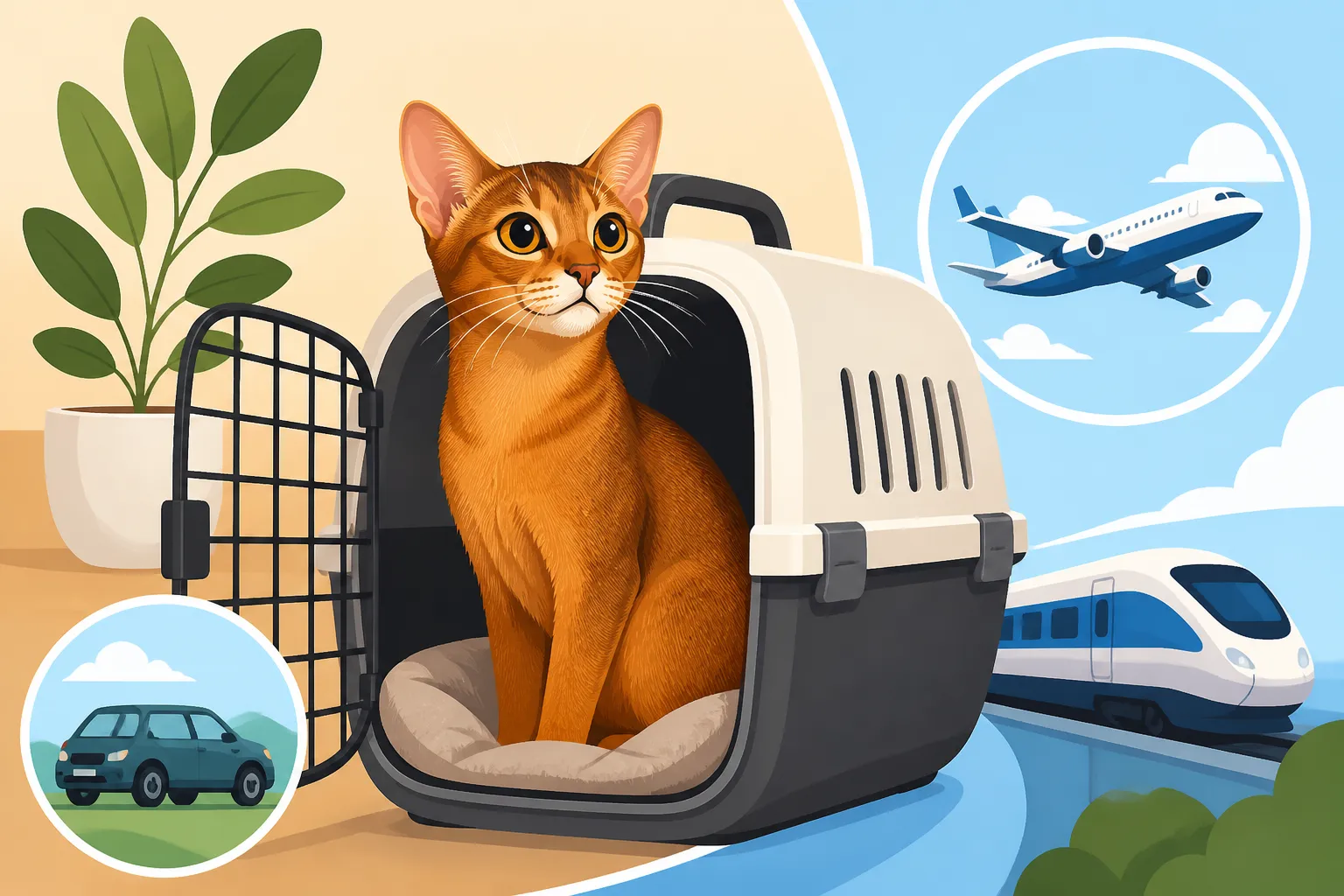
Whether an Abyssinian Travels Well
It's a common dilemma for us Abyssinian parents: you've got this whirlwind of energy, this shadow that follows you from room to room, and suddenly, life calls for a trip. The question isn't just if you can take your Abyssinian with you, but how well they'll handle the journey, given their intense personalities and strong need for engagement. This guide will walk you through understanding your Abyssinian's unique travel needs and how to make any adventure as smooth as possible for both of you.
Understanding the Abyssinian Travel Persona
Abyssinians are known for their vibrant intelligence, boundless energy, and profound attachment to their human companions. These traits make them incredibly engaging pets, but they also mean that travel isn't always a straightforward affair. Their very nature can present both advantages and challenges when it comes to hitting the road, or even the skies.
The Energetic Explorer vs. The Anxious Traveler
On one paw, your Abyssinian is a natural explorer. They thrive on new stimuli, investigating every nook and cranny of their home with scientific precision. This inherent curiosity might lead you to believe they'd adapt quickly to new surroundings or the changing scenery of a car ride. After all, they’re the breed that needs constant mental and physical engagement, often described as The Abyssinian Is the Busiest Cat in the House. You might even see them peering out the window with keen interest, tracking birds or squirrels with intense focus. This adventurous spirit, however, often comes with a caveat: it's an adventure on their terms.
On the other paw, this same intelligence and high energy can manifest as anxiety when they're faced with situations they can't control. Being confined in a carrier, subjected to unfamiliar sounds and smells, or having their routine completely upended can be deeply unsettling for a breed that thrives on predictability within its familiar domain. Their physical activity levels are usually quite high; How Many Hours a Day an Abyssinian Stays Active is often a question of all their waking hours. A sudden lack of outlets for that energy, combined with the stress of travel, can quickly turn an eager explorer into a nervous wreck, pacing, vocalizing, or even hiding. It's a fine line to walk, balancing their natural curiosity with their need for security.
Sensitivity to Routine and Environment
Abyssinians are creatures of habit, perhaps more so than many other cat breeds. They form strong bonds with their environment and, crucially, with their daily rhythm. Think about their feeding times, their play sessions, and even the specific spots they choose for their naps – these aren't random occurrences but rather deeply ingrained rituals. Disruptions to this established routine, even minor ones, can be quite stressful. For instance, Why an Abyssinian Hates a Closed Door isn't just about curiosity; it's about control over their environment and access to their cherished humans.
When you introduce travel into the mix, you're essentially dismantling their entire world, however temporarily. The familiar scents of home vanish, replaced by the strange odors of a car or a hotel room. The steady, predictable sounds are replaced by road noise, airport announcements, or the unfamiliar sounds of a new house. For an Abyssinian, who uses every one of their keen senses to understand and navigate their world, this sensory overload can be incredibly disorienting. This sensitivity means that while they might cope, they won't necessarily enjoy the experience unless careful steps are taken to mitigate the disruption and provide as much familiarity as possible.
Factors That Influence an Abyssinian's Travel Experience
Not all Abyssinians are created equal when it comes to travel. Just like people, some cats are naturally more laid-back, while others are predisposed to stress. Several key factors play a huge role in determining how well your individual Abyssinian will adjust to being on the move. Understanding these can help you set realistic expectations and tailor your approach.
Early Socialization and Exposure to Carriers
The foundation for a good traveler is often laid in kittenhood. Abyssinians who were exposed to a variety of sights, sounds, and gentle handling from a young age tend to be more resilient and adaptable later in life. This includes early, positive introductions to their carrier. If the carrier only ever appears when a trip to the vet is looming, it quickly becomes a symbol of stress and fear. Instead, the carrier should be a normal, even pleasant, part of their everyday environment. Leave it out in a common area with a soft blanket and some treats inside. Let them explore it, nap in it, and associate it with safety and comfort.
For instance, if your kitten learned that the carrier meant a fun ride to a friend's house for playtime, or simply a safe, quiet spot for a nap, they'll be far more accepting of it for actual travel. This isn't just about getting them into the box; it's about shaping their emotional response to it. Many owners find that incorporating positive reinforcement techniques, like those used to How to Harness Train an Abyssinian Without a Fight, can make a huge difference in associating the carrier with good things. Without this early, positive conditioning, even a short trip can become a battle, leaving both you and your cat exhausted and stressed.
Individual Personality Traits
While breed characteristics give us a general idea, every Abyssinian has their own unique personality. You might have one who's bold and outgoing, eager to investigate any new situation, while another is shy, preferring the safety of routine. A more confident Abyssinian might take a new environment in stride, quickly exploring and settling in, whereas a sensitive cat might hide under the bed for hours, if not days.
Consider your cat's usual behavior. Do they greet strangers at the door, or do they retreat? Are they easily startled by loud noises, or do they barely bat an eyelid? These everyday behaviors offer valuable clues as to how they might react to the unpredictable nature of travel. A very social Abyssinian might even enjoy the attention they get from new people, while a more reserved one will find it overwhelming. Knowing your cat's individual quirks is paramount to predicting their travel response and planning accordingly. Some Abyssinians are prone to overgrooming when stressed, a behavior similar to Why a Stressed Abyssinian Overgrooms, which could become noticeable during travel if they are particularly anxious.
Type and Duration of Travel
The nature of the journey itself is perhaps the most significant factor. A quick five-minute drive to the vet is a world away from a cross-country car trip or a flight involving multiple connections. The longer and more disruptive the travel, the more stress it's likely to induce in your Abyssinian.
Short car rides might be tolerable, especially if your cat is used to them and the destination is pleasant (like a familiar cabin). Longer drives, however, mean extended confinement, fewer opportunities to stretch, eat, or use the litter box, and continuous exposure to unfamiliar sensations. Air travel adds even more layers of complexity: the terrifying noise of the plane, pressure changes, unfamiliar smells of airports, and strict regulations regarding carriers and in-cabin vs. cargo travel. Each mode of transport presents its own set of challenges, and your Abyssinian's ability to cope will depend heavily on the specifics of the trip.
Preparing Your Abyssinian for the Journey
Preparing your Abyssinian for travel isn't just about throwing them into a carrier at the last minute. It's a proactive process that can significantly reduce stress and increase the likelihood of a smoother journey. Think of it as a series of small training steps, gradually building positive associations with the idea of being on the move.
Carrier Training: More Than Just a Box
The carrier is arguably the most crucial piece of equipment for traveling with your Abyssinian. It shouldn't be a place of fear or an object associated solely with unpleasant vet visits. Instead, aim to transform it into a secure, comfortable den that your cat associates with positive experiences. Start well in advance of any planned trip. Place the carrier in a high-traffic area of your home, with the door open. Line it with a soft blanket that smells familiar, perhaps one they've slept on. Toss treats inside, or even feed them meals near or inside the carrier.
The goal is for your Abyssinian to view the carrier as a safe haven, a familiar spot where they can retreat and feel secure. Once they're comfortable going in and out voluntarily, try closing the door for very short periods, gradually increasing the duration. Stay in the room with them, offering praise and treats. You might even want to invest in a soft-sided carrier for easier car travel, available on platforms like Amazon, making sure it’s sturdy and well-ventilated. The idea is to make the experience as positive as possible, reinforcing that the carrier is a good place to be, not a punishment. This proactive approach can make all the difference when travel day arrives.
Acclimating to Car Rides
Once your Abyssinian is comfortable with their carrier, the next step is to introduce them to short car rides. Again, start small. Place your cat in their secured carrier in the car, and just sit there for a few minutes with the engine off. Offer treats and calm reassurance. On subsequent attempts, turn the engine on. Then, try very short drives around the block.
The key is positive association and gradual exposure. Keep initial car rides brief and, if possible, end them with a positive experience, like a special treat or playtime once you're back home. This helps your cat associate the car with something other than just a vet visit. Some Abyssinians will vocalize their displeasure loudly, but often, with consistent, positive reinforcement, they learn to tolerate the experience. Ensure the carrier is secured with a seatbelt so it doesn't slide around, which can be an additional source of stress. Over time, your Abyssinian might even learn to enjoy the changing scenery, especially if they have a comfortable view from their carrier.
Packing Essentials for the Traveling Abyssinian
Just like humans, Abyssinians have their own packing list! Being prepared with all their necessities can prevent last-minute stress and ensure their comfort throughout the journey. Here's a checklist of essentials:
- Carrier Comfort: A familiar blanket or towel that smells like home. This helps create a sense of security in an unfamiliar environment.
- Food and Water: Pack their usual food, enough for the duration of the trip plus a little extra, in airtight containers. Changes in diet can cause stomach upset. Bring bottled water, as water from different sources can also be an issue for sensitive feline stomachs. Collapsible travel bowls are handy; you can find excellent options on Amazon.
- Litter Box and Litter: A small, portable litter box and enough of their preferred litter. If you're staying somewhere new, having their familiar litter can help prevent accidents. Disposable litter trays are also a great option for short trips.
- Medications and Vet Records: If your Abyssinian is on any medication, pack it in clearly labeled containers. Always carry a copy of their vaccination records and your vet's contact information, just in case of an emergency.
- Favorite Toys: A few familiar toys can provide comfort and distraction. Even a crinkle ball or a beloved wand toy can make a big difference. Remember, Why an Abyssinian Loses Interest in a Toy Fast means you might need a small selection to keep them engaged.
- Leash and Harness: Even if your Abyssinian isn't fully leash-trained, having a well-fitting harness (like those recommended for Which Harness Fits an Abyssinian's Narrow Chest) and leash is crucial for safety during stops or when entering/exiting vehicles, especially if they're prone to bolt when startled.
- Calming Aids: Discuss pheromone sprays or calming supplements with your vet. These can be incredibly helpful in reducing anxiety during travel.
Having these items readily accessible will make the journey much smoother for both you and your adventurous Abyssinian.
Navigating Different Modes of Transport
The method of travel heavily influences an Abyssinian's experience. Each comes with its own set of rules, challenges, and preparation needs. Understanding these nuances will help you decide what's best for your individual cat.
Car Travel: The Most Common Scenario
Car travel is often the most feasible option for many Abyssinian owners, especially for shorter distances. The good news is that you have more control over the environment compared to other modes. However, it's not without its challenges. The constant motion, engine noise, and confinement can still be unsettling. How an Abyssinian Behaves in the Car can vary wildly, from quiet observation to relentless vocalization.
To make car trips smoother:
- Secure the Carrier: Always buckle the carrier into the back seat to prevent it from shifting. A secure carrier minimizes motion sickness and injury in case of sudden stops.
- Ventilation and Temperature: Ensure good airflow and maintain a comfortable temperature. Cats can overheat quickly in a hot car. Never leave your Abyssinian unattended in a vehicle, even for a short time.
- Familiar Scents: Drape a familiar blanket or an item of your worn clothing over part of the carrier to provide a sense of security and block overwhelming visual stimuli.
- Breaks: For longer trips, plan for safe breaks every few hours. Find a quiet, secure area where you can offer water and a chance for your Abyssinian to use a portable litter box inside the car, or even on a harness and leash if they are comfortable and safe (avoid public areas with unknown animals). Don't force them out of the carrier if they're clearly distressed.
- Hydration: Offer water frequently, especially in warmer weather. A licki-mat with some wet food or a few ice cubes in a bowl can encourage hydration.
- No Free Roaming: Never allow your Abyssinian to roam free in the car. It's a massive distraction for the driver and incredibly dangerous in case of an accident.
Air Travel: A Complex Undertaking
Air travel with an Abyssinian is significantly more complicated and generally far more stressful for the cat. Most airlines have strict rules regarding pet size, carrier dimensions, and whether the pet can travel in the cabin or must go as cargo. Abyssinians, being medium-sized and energetic, sometimes push the limits for in-cabin carriers, so check dimensions meticulously.
- In-Cabin Travel: If your Abyssinian and their carrier fit under the seat in front of you, this is generally the least stressful option. They remain with you, providing reassurance, and you can monitor their condition. The carrier must remain closed for the duration of the flight.
- Cargo Travel: This option should be a last resort. It's incredibly stressful and potentially dangerous due to temperature extremes, noise, and separation anxiety. While airlines have specific protocols, unforeseen delays or mishandling can occur. Consult your vet thoroughly about sedatives if cargo travel is unavoidable, as some sedatives can be dangerous at altitude.
- Vet Check: A thorough vet check-up is essential before flying. Many airlines require a health certificate issued within a specific timeframe (usually 10 days) before travel. Discuss any potential health risks, especially if your Abyssinian has any pre-existing conditions like those mentioned in What Kidney Failure Looks Like in a Young Abyssinian, as the stress of flying can exacerbate them.
- Booking: Book direct flights if possible to minimize transfers and delays. Notify the airline when booking that you're traveling with a pet.
- Preparation: Familiarize your Abyssinian with the travel carrier well in advance. Consider using calming pheromone sprays inside the carrier and practice keeping them in it for extended periods. Do not feed them a large meal right before flying to prevent stomach upset.
Air travel requires extensive planning and should only be undertaken if absolutely necessary, keeping your Abyssinian's well-being as the top priority.
Other Forms of Transport
While less common, other forms of transport like trains and ferries can also be options for traveling with your Abyssinian, depending on the route and regulations.
- Trains: Policies vary widely by region and railway company. Some allow small pets in carriers, others do not. If allowed, keeping them in a secured carrier at your feet or on a dedicated pet seat is usually required. This can be a calmer alternative to flying, with fewer drastic changes in environment.
- Ferries: Similar to trains, rules vary. Many ferries allow pets in designated areas, often in carriers on the car deck or in special kennels. Direct supervision is key. The swaying motion of a boat can cause motion sickness in some cats, so keep an eye out for signs of discomfort.
Always research the specific policies of any transport provider well in advance, as rules can change and exceptions are rare.
Making the Travel Experience as Stress-Free as Possible
Even with the best preparation, travel can be stressful for an Abyssinian. The goal isn't necessarily to eliminate all stress, but to manage it effectively and ensure your cat's safety and comfort. A proactive and empathetic approach will go a long way.
Calming Aids and Techniques
When dealing with a high-energy, sensitive breed like the Abyssinian, a little extra help can make a big difference. Calming aids are not a substitute for proper preparation, but they can significantly reduce anxiety levels.
- Pheromone Sprays and Diffusers: Products containing synthetic feline facial pheromones (like Feliway) can be sprayed into the carrier, on blankets, or used as a diffuser in a new hotel room or destination. These mimic the natural calming pheromones cats release, signaling safety and security. You can find these at most pet stores and on Amazon.
- Calming Supplements: Various supplements containing ingredients like L-Tryptophan or Zylkene (a milk protein derivative) are designed to help reduce anxiety in cats. Always consult your veterinarian before administering any supplements to ensure they are safe and appropriate for your Abyssinian.
- Familiar Scents: As mentioned before, a blanket or item of clothing that smells strongly of home and you can be incredibly comforting. Place it inside the carrier.
- Music/White Noise: During car rides, soft, calming music or white noise can help mask some of the stressful road sounds. Some cats even respond positively to classical music or specific "cat calming" playlists.
- Comforting Presence: Your calm demeanor is one of the most powerful calming aids. Speak to your Abyssinian in a low, soothing voice. Resist the urge to constantly check on them or open the carrier if they are settled, as this can inadvertently increase their anxiety.
Maintaining Routine on the Go
While a complete routine is impossible during travel, sticking to certain key elements can provide vital predictability for your Abyssinian. Cats thrive on routine, and even small efforts to maintain it can reduce stress.
- Feeding Schedule: Try to feed your Abyssinian at their usual times, even if the location is different. Use their familiar bowls if possible. For example, if they're used to Three Meals Suit an Abyssinian, try to stick to that rhythm.
- Playtime: While full-blown play sessions might be challenging, dedicate some time to interactive play when you reach your destination. Even 10-15 minutes of chasing a wand toy can help release pent-up energy and stress. Remember that What Twenty Minutes a Day Does for an Abyssinian in terms of enrichment is huge.
- Litter Box Access: Ensure the litter box is readily available and in a quiet, accessible spot at your destination. Use their familiar type of litter. A clean litter box is vital for a cat's comfort and can prevent inappropriate elimination.
- Rest and Sleep: Provide a quiet, safe space for your Abyssinian to rest and sleep at your destination. This might be their carrier or a cozy spot in a spare room. Respect their need for solitude if they choose to hide and decompress.
Prioritizing Safety and Comfort
Above all, your Abyssinian's safety and comfort must be the priority. Travel introduces many potential hazards that aren't present in a familiar home environment.
- Identification: Ensure your Abyssinian is microchipped and that your contact information associated with the chip is up-to-date. They should also wear a collar with an ID tag displaying your phone number, even if they're an indoor-only cat. This is crucial in case of an accidental escape, especially since Why a Blind Abyssinian Must Stay Indoors is a similar safety consideration for a cat in an unfamiliar environment.
- Secure Environment: When you arrive at your destination, do a quick "cat-proofing" check. Look for open windows, accessible toxic substances, or small gaps they could squeeze through. Abyssinians are incredibly agile and inquisitive, so they'll explore everything. How to Cable Manage a Room for an Abyssinian and securing cabinets (like you might do to How to Secure a Cupboard Against an Abyssinian) are good practices even on the road.
- Emergency Contact: Have the number of a local emergency vet at your destination readily available.
- Monitoring Health: Keep a close eye on your Abyssinian for any signs of illness or severe stress, such as changes in appetite, litter box habits, persistent hiding, or excessive vocalization. If you notice concerning symptoms, don't hesitate to contact a veterinarian. Your Abyssinian is usually quite lean, and Why a Lean Abyssinian Hides Illness Longer Than a Heavy Cat means subtle changes can be significant.
- Be Patient and Empathetic: Some Abyssinians will adjust quickly, others will take more time. Remember that they are experiencing a significant change, and their reactions are valid. Offer reassurance, maintain consistency where possible, and allow them to explore and settle at their own pace.
Traveling with an Abyssinian can be an enriching experience, allowing them to remain a part of your adventures. With careful planning, patience, and a deep understanding of your cat's unique needs, you can set yourselves up for successful journeys together.
Disclaimer
This article is for general informational purposes only and does not constitute professional advice. Laws, prices and regulations vary by location and change over time. Consult a qualified professional for guidance on your specific situation.