Why an Abyssinian Greets Visitors Instead of Hiding
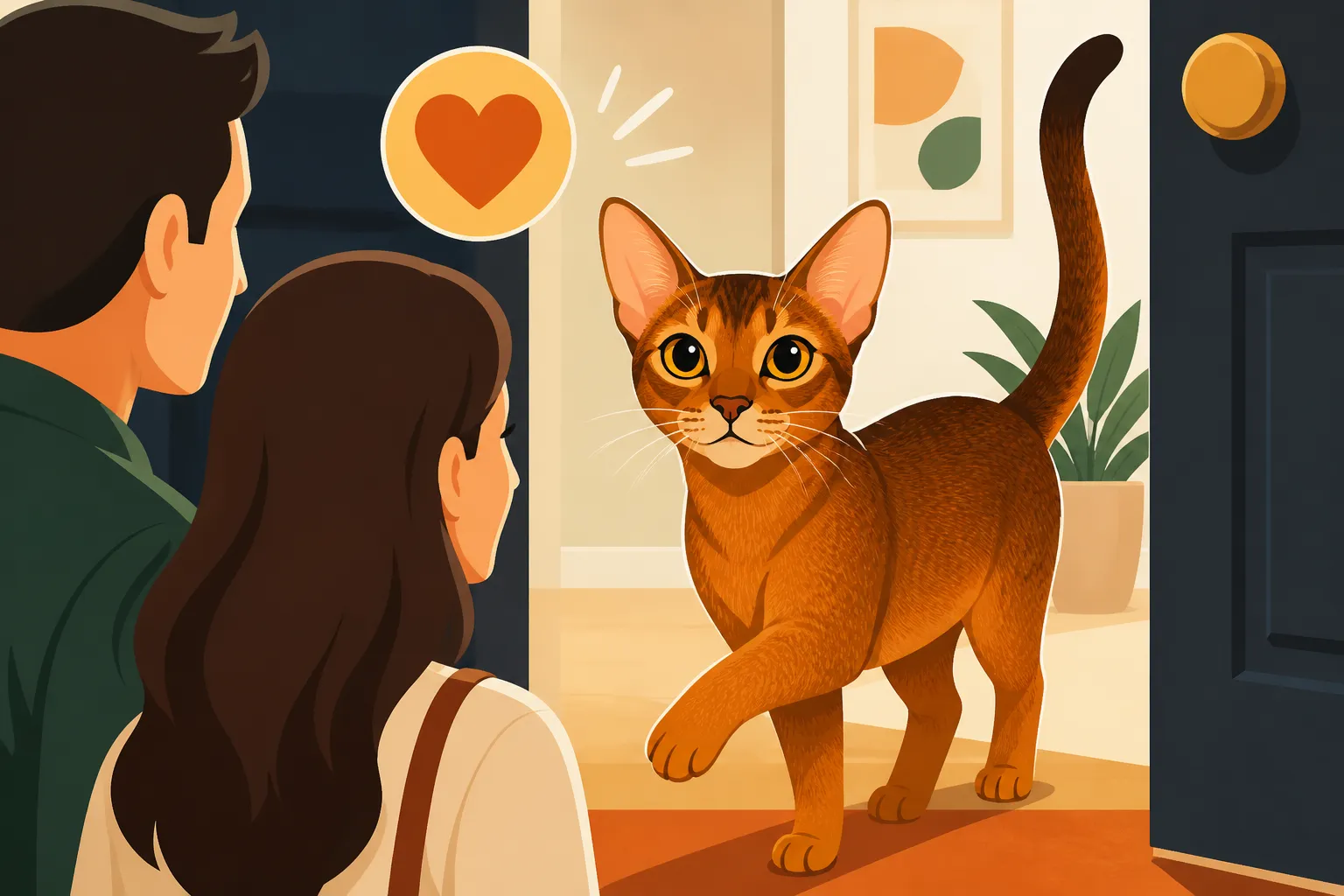
The moment the doorbell rings, many cat owners brace themselves for the familiar "poof" of disappearing feline fur as their kitty vanishes under the bed or behind the sofa. It's a tale as old as time, a cat's natural instinct to observe from a safe distance. But if you're an Abyssinian owner, you're more likely to experience the exact opposite: a furry, chirping, wide-eyed blur racing to the door, ready to be the official greeting committee. This guide will delve into why your Abyssinian skips the hiding act and instead embraces every new arrival with unparalleled enthusiasm, and how you can manage this charming, yet sometimes overwhelming, trait.
The Abyssinian's Innate Curiosity and Confidence
Unlike many domestic cats who might view strangers as a potential threat or simply an unwelcome disruption to their carefully curated peace, the Abyssinian cat possesses a unique blend of curiosity and unwavering confidence. This isn't a cat that's easily spooked or inclined to shyness. Their inherent personality drives them to investigate every new smell, sound, and face that enters their territory. They thrive on engagement and new stimuli, which makes the arrival of a visitor less a cause for alarm and more an exciting new opportunity for interaction.
Think of it like this: where another cat might see a large, unfamiliar shadow and retreat, an Abyssinian sees a fascinating new moving object that might just be a source of play or attention. Their intelligence plays a huge role here too. They quickly learn that new people often bring new smells, maybe a new voice to respond to, and potentially even a hand ready for a head scratch or a toy on a string. They don't just react; they anticipate and participate. This makes them truly stand out in the feline world, often earning them the nickname "dog-like" for their social tendencies. They want to be part of whatever is happening, and if that means joining the welcoming party, they're all in.
A Social Butterfly's Need for Engagement
Abyssinians are deeply social creatures, forming strong bonds with their human families and often viewing themselves as integral members of the "pack." This isn't a cat content to merely coexist; they want to participate in your life. This means they'll follow you from room to room, supervise your activities, and generally be involved in everything you do. When visitors arrive, they aren't just guests in your house; they're guests in the Abyssinian's domain, and it's their job to assess and engage with these new additions.
Their high energy levels, which make them How Many Hours a Day an Abyssinian Stays Active and cause them to Why an Abyssinian Follows You Without Sitting Still, also fuel their desire for constant stimulation. A new person entering the home presents a fresh challenge for their keen minds and boundless energy. They'll greet with a unique blend of chirps, purrs, and sometimes even a playful pat, often weaving between legs in an attempt to get attention or a game started. This isn't just a brief acknowledgement; it's often a full-blown interactive welcome, making it clear they are thrilled to have new company. They might not be a lap cat, preferring to show affection in other ways like perching on your shoulder or rubbing against your legs as explored in How an Abyssinian Shows Affection Instead of Lap Sitting, but their desire for connection is undeniable. If you’ve ever wondered Why an Abyssinian Should Not Be Left Alone All Day, their greeting behavior with visitors gives you a big clue: they crave companionship and interaction, often seeing every human as a potential friend.
Strategies for Managing Enthusiastic Introductions
While your Abyssinian's welcoming committee act is undeniably endearing, it can sometimes be a bit much for guests who aren't used to such an assertive feline greeting. It's important to have a few strategies in place to manage their enthusiasm, ensuring both your cat and your visitors have a positive experience.
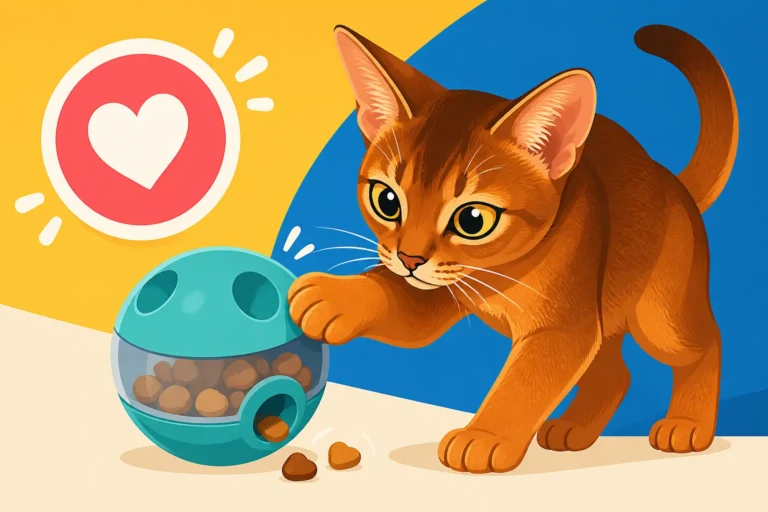
One of the best approaches is to provide a distraction or a designated "job" for your Abyssinian during the initial chaos of arrivals. A high-value treat puzzle, like those available on Amazon, filled with their favorite kibble or a lick mat smeared with wet food, can keep them occupied while guests settle in. You could also engage them with a wand toy for a few minutes before the doorbell even rings, letting them burn off some of that excited energy. This helps them transition from "hyper-excited greeter" to "contentedly munching observer" or "playfully engaged cat."
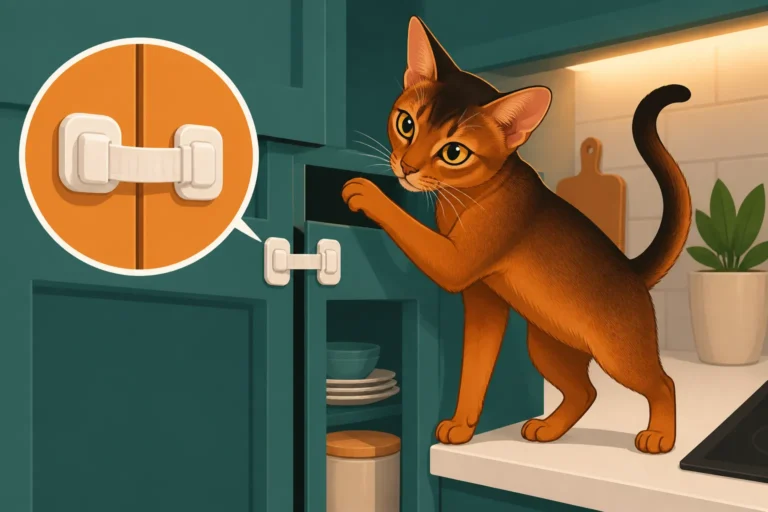
It's also crucial to set expectations with your guests. Briefly explaining that your Abyssinian is extremely friendly and will likely greet them at the door can prevent surprises. You can ask visitors to ignore the initial leg-weaving and chirping, allowing your cat to settle down before engaging. If your Abyssinian tends to jump on counters or exhibit other unwanted behaviors when overstimulated, having clear boundaries for both your cat and your guests is key. For tips on managing their curious climbing, you might want to look at How to Redirect an Abyssinian Off the Kitchen Bench.
Consider having a "safe space" for your Abyssinian if things get too overwhelming for them (or your guests). This could be a cat tree in another room, a quiet perch, or even a carrier with a blanket inside. While many Abyssinians prefer to be in the thick of things, having an option for retreat can reduce stress if they become overstimulated. They typically want to be involved, and famously Why an Abyssinian Hates a Closed Door, but sometimes even the most social cat needs a quiet moment.
Ensuring Safety for Your Social Butterfly
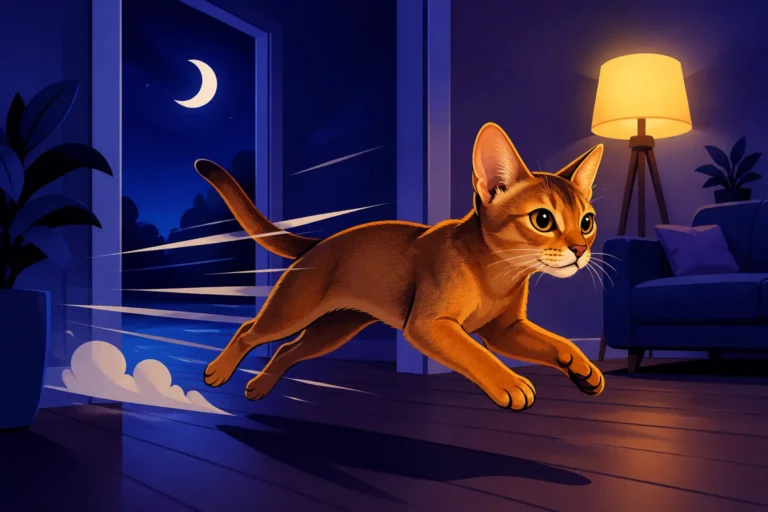
An Abyssinian's desire to greet everyone, combined with their incredible agility and speed, means that open doors can become a significant safety hazard. These cats are explorers by nature, and a momentarily open front door isn't just an invitation; it's a challenge. They don't typically distinguish between a familiar family member and a total stranger when it comes to the thrill of a doorway dash.
It's absolutely vital to reinforce door safety protocols, especially when expecting visitors. Ask guests to be mindful of your Abyssinian when entering or leaving, and consider using baby gates or temporary barriers near entryways if your cat is a particularly determined escape artist. Many owners find motion-activated door chimes or even double-door entry systems (if feasible) to be invaluable. Harness training your Abyssinian could also be a good idea for controlled outdoor adventures, but for routine comings and goings, vigilance is your best defense against an accidental escape. Remember, Why an Abyssinian Should Not Roam Outdoors is about their safety and longevity.
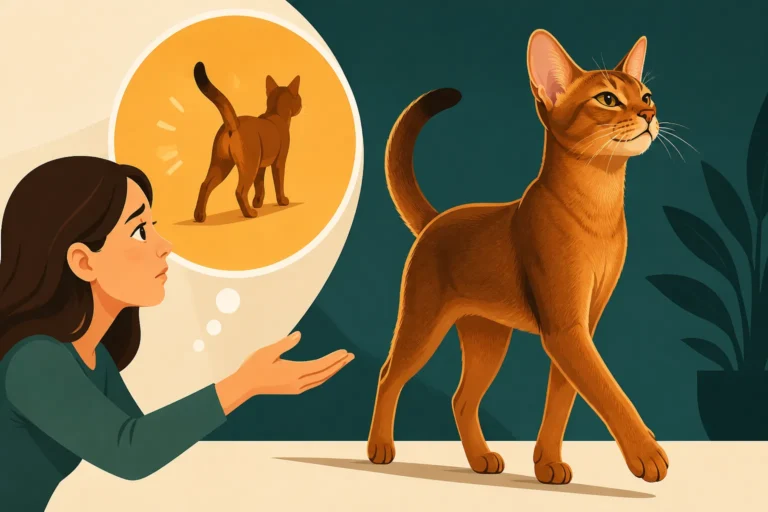
Furthermore, educate your visitors about respectful interaction. While your Abyssinian might approach them immediately, not all cats appreciate being picked up or chased. Advise guests to let the cat initiate contact and to offer a gentle hand for sniffing before petting. This ensures your Abyssinian remains comfortable and trusts new people.
Here’s a quick comparison of typical cat behavior vs. the Abyssinian greeting style:
| Behavior Trait | Typical Cat Reaction to Visitors | Abyssinian Reaction to Visitors |
|---|---|---|
| Initial Approach | Hides, observes from afar, may emerge later. | Races to the door, curious, eager to investigate. |
| Vocalization | Silent, or a low growl/hiss if cornered. | Chirps, purrs, trills, highly vocal greeting. |
| Physical Contact | Avoids, might allow a quick pat if feeling brave. | Weaves through legs, rubs, seeks attention, playful pats. |
| Curiosity Level | High caution, slow investigation from a distance. | Immediate, intense interest in new smells and objects. |
| Engagement | Minimal, prefers to be ignored. | Seeks direct interaction, tries to initiate play. |
| Response to Noise | Retreats from sudden or loud noises. | May investigate loud noises, less easily startled. |
| Door Etiquette | Sees open door as an escape route from strangers. | Sees open door as an exciting new adventure opportunity. |
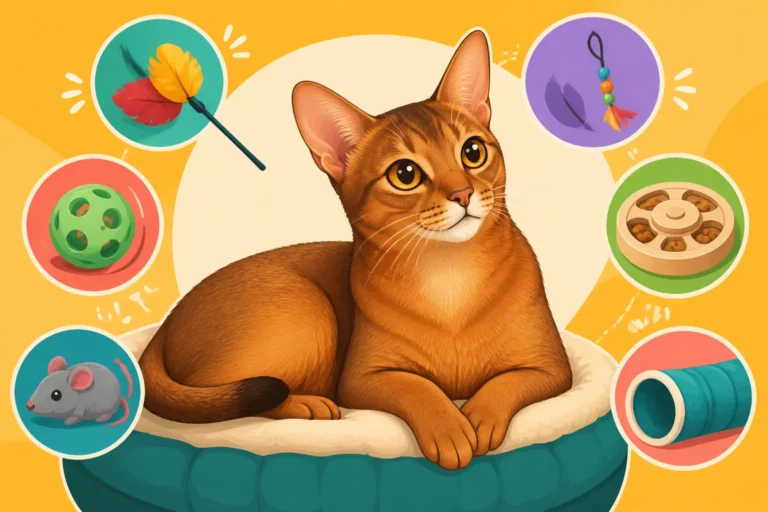
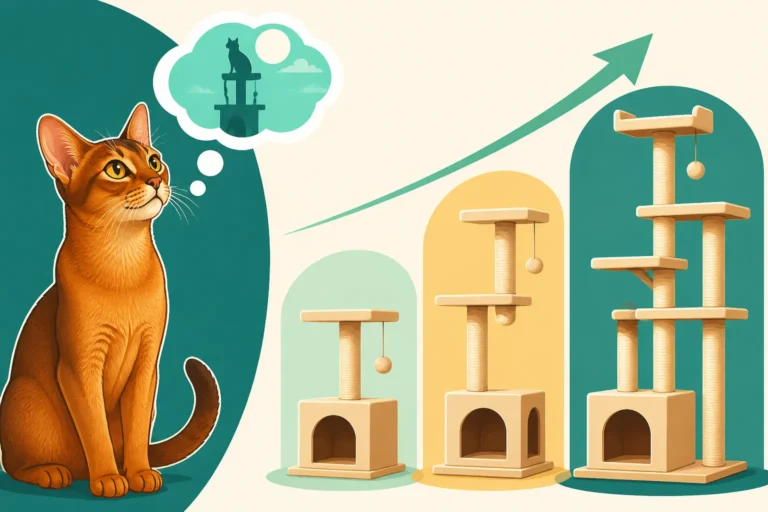
To channel some of that intense energy and social drive, providing plenty of vertical space is a game-changer. Abyssinians love to climb, and having cat trees, wall-mounted shelves, and tall scratching posts – like the robust ones you can find on Amazon – gives them outlets for their natural athleticism and investigative minds. This is why Why an Abyssinian Needs More Vertical Furniture Than Most Cats is such important advice. High perches allow them to observe the "new humans" from a position of security and dominance, rather than feeling overwhelmed on the ground. You might also find that investing in a variety of interactive toys, especially puzzle feeders, can help satisfy their intellectual needs when visitors are over. Which Puzzle Feeders Hold an Abyssinian's Attention is a great resource for ideas on keeping their busy minds engaged.
Ultimately, your Abyssinian’s tendency to greet visitors instead of hiding is a testament to their vibrant, confident, and deeply social nature. It’s one of the many reasons we love these energetic, intelligent clowns of the cat world. With a little understanding and some proactive management, you can ensure their welcoming spirit continues to bring joy to both your cat and your guests, without any unexpected dashes out the door!
Disclaimer
This article is for general informational purposes only and does not constitute professional advice. Laws, prices and regulations vary by location and change over time. Consult a qualified professional for guidance on your specific situation.