Why an Abyssinian Follows You Without Sitting Still
If you've welcomed an Abyssinian into your home, you've probably noticed a distinct pattern: they're always there. Not necessarily on your lap, mind you, but always with you. This unique "shadowing" behavior, where your Aby follows you from room to room, often without ever truly settling down, can be both endearing and, at times, a little puzzling for new owners. It's a hallmark of the breed, driven by their incredible intelligence, boundless energy, and profound need for connection, and this guide will explore the fascinating reasons behind this constant motion and how to truly understand what your active companion is trying to tell you.
The Abyssinian's Innate Drive for Involvement
It's easy to mistake an Abyssinian's constant following for simple clinginess, but it's far more nuanced than that. This isn't a cat that just wants to be near you; it's a cat that wants to be involved in everything you do. Their highly intelligent and inquisitive nature means they're constantly seeking stimulation, and in their world, you are often the most interesting, dynamic, and unpredictable source of that stimulation. They aren't just observing; they're actively participating in your life, even if their participation looks like a flurry of motion at your heels.
A Breed Built for "Supervision"
Abyssinians are often described as "cats for people who think they don't like cats," largely because of their dog-like devotion and desire to be part of the family action. They don't just tolerate your presence; they thrive on it. This means every trip to the kitchen, every laundry load, every moment spent working at your desk becomes a new adventure for your Aby. They see themselves as your co-pilot, your project manager, your personal assistant, making sure everything is up to snuff. This isn't just a quirky trait; it's deeply ingrained in their breed personality, stemming from generations of selection for highly interactive and engaged feline companions.
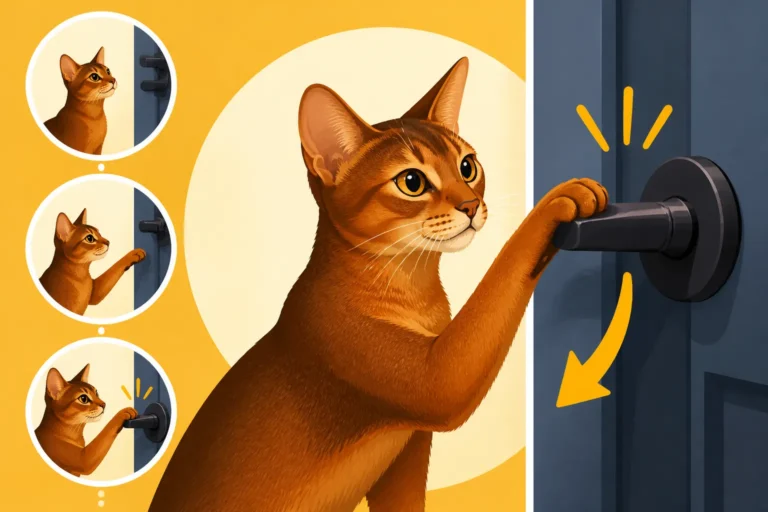
Think about it: they watch how you open the fridge, how you sort your mail, how you type on a keyboard. They are gathering data, analyzing patterns, and learning. This isn't passive observation; it's active learning and engagement. It's their way of keeping tabs on their environment and, more importantly, on you. If you leave them out of the loop, they genuinely feel like they're missing something vital, and their constant presence is their way of ensuring they're always in the thick of it. This drive for involvement is why you might find The Abyssinian Is the Busiest Cat in the House a very relatable read.
The Instinct to Observe and Engage
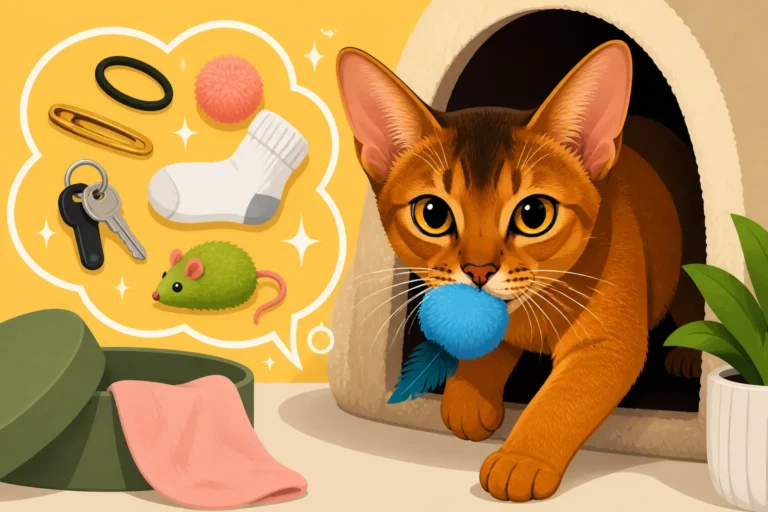
Their wild ancestry, while distant, still echoes in their behavior. Abyssinians possess a keen hunting instinct, which translates into a constant state of alert curiosity within the home. They are always scanning, always assessing, always looking for the next interesting thing. Your movements, no matter how mundane, provide endless possibilities for observation and, potentially, engagement. A dropped pen, a rustle of paper, the opening of a cupboard door – these are all opportunities for their agile minds and bodies to spring into action.
This instinct to observe isn't just about entertainment; it's also about security. By shadowing you, they're essentially monitoring the "pack leader" and understanding the movements within their territory. They're making sure everything is safe, predictable, and that no potential "prey" (like a stray dust bunny or a forgotten sock) goes unnoticed. This continuous engagement means they rarely truly "sit still" for long when you're around, as their internal processors are always running, compiling information and readying for the next interaction.
Understanding Their Unique Social Dynamics
Abyssinians don't express affection in the same way many other cats do. If you're expecting a cat to curl up on your lap for hours, you might be surprised by an Aby. Their love language is less about stillness and more about shared activity and proximity, even if that proximity is just a few feet away.
Affection on Their Own Terms
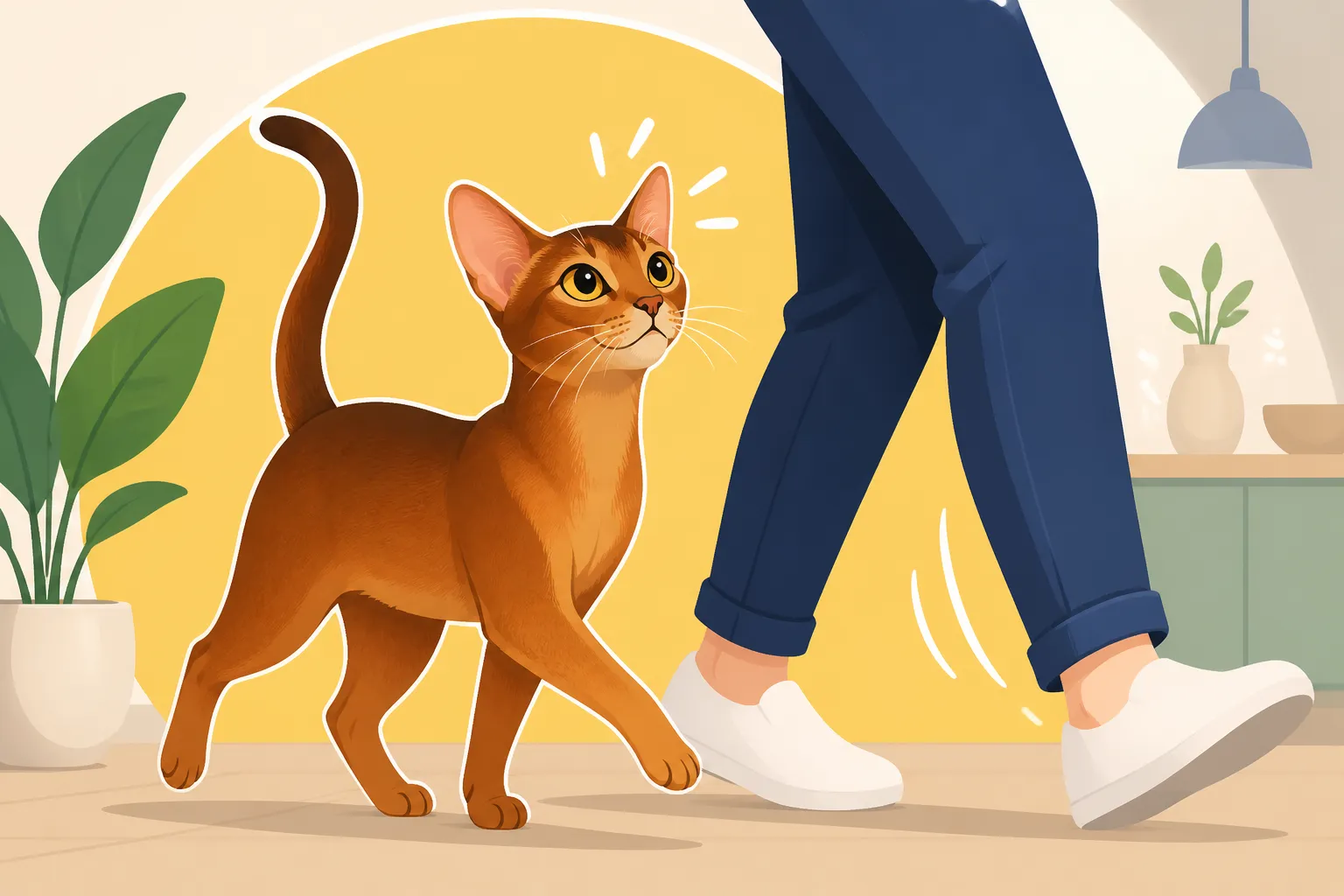
While an Abyssinian might not be a dedicated lap cat, their constant presence is a profound sign of affection and trust. They want to be where you are, sharing your space and your activities. This manifests as a cat that might weave between your legs as you walk, perch on the back of your chair as you read, or sit on the bathroom counter watching you brush your teeth. These aren't random acts; they are deliberate choices to express their bond and feel connected to you. They are saying, "I choose to be here, with you." This is often confusing for owners used to more traditional feline displays of affection, but it's just how an Aby expresses love. You might find more insight into their specific ways of showing care in How an Abyssinian Shows Affection Instead of Lap Sitting.
It's not that they dislike physical touch; many Abyssinians adore a good head scratch or a belly rub, but usually when they initiate it or when they're in a relaxed state. The "following without sitting still" is a different kind of affection, one that speaks to their desire for companionship and engagement. They see you as their primary source of interaction and stimulation, and being near you, even without direct physical contact, fulfills that deep-seated need. This is why trying to force them to sit still often backfires; it goes against their very nature.
The "Shadow Cat" Phenomenon
The term "shadow cat" perfectly describes this aspect of Abyssinian behavior. They become an extension of your movements, a furry, usually silent (though they do have their chirps and trills!) companion that mirrors your path through the home. This isn't an unhealthy attachment, but rather a characteristic of a highly social and intelligent breed that forms strong bonds with its human companions. They genuinely enjoy your company, even if they're expressing it by navigating around your feet rather than resting on your lap.
This shadow behavior can sometimes be a little much, especially if you're trying to carry something or navigate a busy space. It's a constant reminder that you are never truly alone when an Aby is in the house. Understanding that this is their way of showing devotion can help you appreciate it, even when you're carefully stepping over them. It means they feel secure, loved, and fully integrated into your life, which is ultimately what every cat owner wants for their pet.
Energy Levels and the Need for Constant Motion
Perhaps the most obvious reason an Abyssinian follows you without sitting still is their incredible energy. These are not sedentary cats; they are bundles of muscle, curiosity, and relentless motion. Their bodies are built for agility, speed, and exploration, and they need constant outlets for this inherent drive.
More Than Just a High-Energy Cat
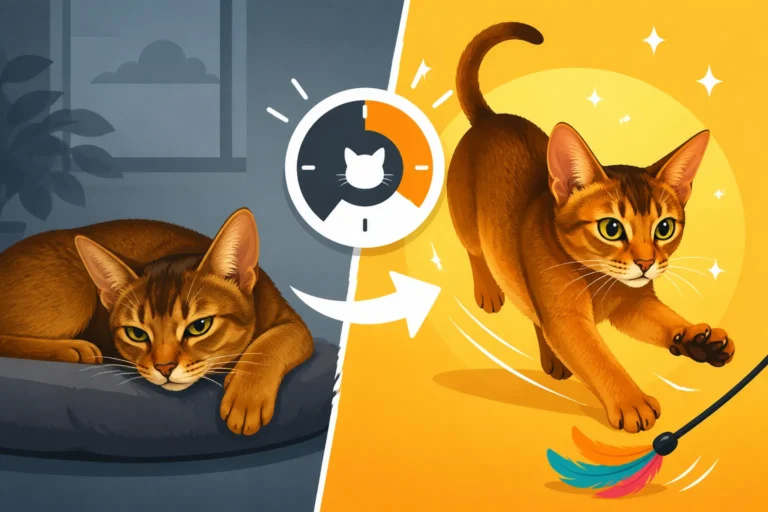
Abyssinians possess a unique combination of physical prowess and mental acuity that makes them incredibly high-energy. They aren't just running around aimlessly; every dart, every jump, every investigative sniff serves a purpose in their busy minds. Your movements often trigger their play drive or their investigative instincts. The simple act of you walking into another room can be an invitation to a new "hunt" or a change of scenery to explore. They have an almost insatiable curiosity that demands they be at the heart of whatever is happening. This is why trying to keep them still can be a losing battle, as their very physiology and psychology demand movement.
Consider their athletic build: long, lithe bodies, large ears, and expressive eyes. They are constantly scanning their environment, ready to pounce, climb, or chase. When you move, you create new visual and auditory stimuli that their keen senses pick up on, compelling them to investigate. This isn't boredom (though boredom can exacerbate it); it's simply how their breed is wired. They need outlets for this energy, and often, following you is the easiest and most engaging way for them to fulfill that need for motion and interaction. It’s also why How Much Play an Abyssinian Needs Each Day is such a critical topic.
Redirecting That Restless Energy
Since you can't realistically keep an Abyssinian tethered or force them to nap, the key is to redirect their abundant energy into appropriate channels. This means providing ample opportunities for interactive play that mimics hunting, challenging puzzle feeders, and plenty of vertical space for climbing and observation. If their energy isn't channeled constructively, it can lead to unwanted behaviors like knocking items off shelves or "redecorating" your home.
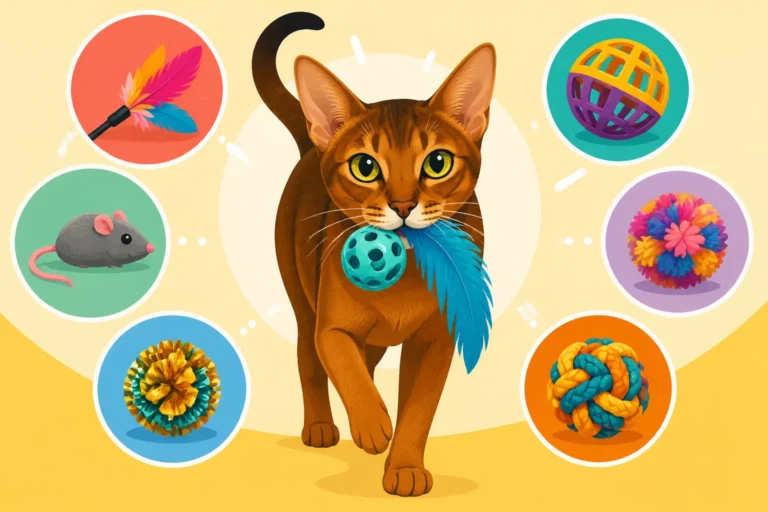
Interactive play sessions, using wand toys that simulate birds or mice, are crucial. Aim for several short, intense sessions throughout the day rather than one long one. This caters to their natural hunting cycle. Additionally, puzzle feeders found on platforms like Amazon can keep their minds engaged while you're busy. Remember, an Aby needs to work for their meals and playtime to truly feel satisfied. Simply putting food in a bowl and walking away won't cut it for this intelligent, active breed. Investing in a variety of toys and rotating them regularly also helps prevent boredom and keeps their hunting instincts sharp.
Communicating Through Movement
Your Abyssinian isn't just following you for fun; sometimes, their persistent presence and specific movements are a form of communication. They are trying to tell you something, and learning to interpret these subtle cues can greatly enhance your bond.
Subtle Cues and Persistent Presence
While Abyssinians aren't always the loudest cats, they are master communicators through body language. Their constant following, combined with other subtle actions, often forms a clear message. A direct stare, a soft "chirp" or trill (which you can learn more about in What an Abyssinian's Chirp Means), a gentle head bump against your leg, or even a determined sit directly in your path – these are all parts of their communicative repertoire. They use their entire body to get your attention and convey their desires.
For example, if your Aby repeatedly walks to the kitchen and looks back at you, they might be signaling that it's mealtime or that their water bowl is low. If they lead you to a specific toy or a window, they might be asking for play or a bird-watching session. Learning these individual "tells" takes time and observation, but it's incredibly rewarding. Pay attention to the context of their following: what time of day is it? What were you just doing? What objects are they interacting with during their "shadowing"? These details can unlock the meaning behind their movements.
When Following Means "I Need Something"
Sometimes, the following isn't just about companionship; it's a direct plea for something specific. This is where your detective skills come in handy.
Here's a quick guide to help you decode common Abyssinian "following" scenarios:
| Following Behavior | Potential Meaning | Action to Take |
|---|---|---|
| Weaving between legs, light chirps | "Hello! I'm here. Let's interact." | Gentle petting, a quick play session, acknowledge their presence. |
| Leading to kitchen, looking at bowl | "I'm hungry/thirsty, or my water fountain is empty." | Check food/water, consider a timed feeder or fresh water fountain. |
| Leading to a specific room/toy | "Play with me now! Or let's explore this space." | Grab a wand toy (easily found on Amazon), engage in interactive play. |
| Sitting directly in your path, staring | "You're ignoring me. I need attention/something." | Acknowledge them, offer a treat, check if they need anything specific. |
| Following to bed, kneading | "I'm ready to settle down, but want to be near you." | Provide a soft spot for them, a warm blanket, or gentle strokes. |
| Following to the door, meowing | "I want to see what's outside, or I'm curious." | Consider a catio or supervised leash walks if they're harness trained. |
It's crucial to address these needs, especially if they are consistently trying to communicate. An Abyssinian that feels ignored or misunderstood can become more persistent in their following, or even develop destructive habits born out of frustration.
Creating an Environment That Satisfies Their Nature
Given their active, inquisitive nature, designing your home environment to cater to an Abyssinian's needs is paramount. This goes beyond just a food bowl and a litter box; it means creating a dynamic, engaging space that encourages their natural behaviors.
Vertical Space and Interactive Play
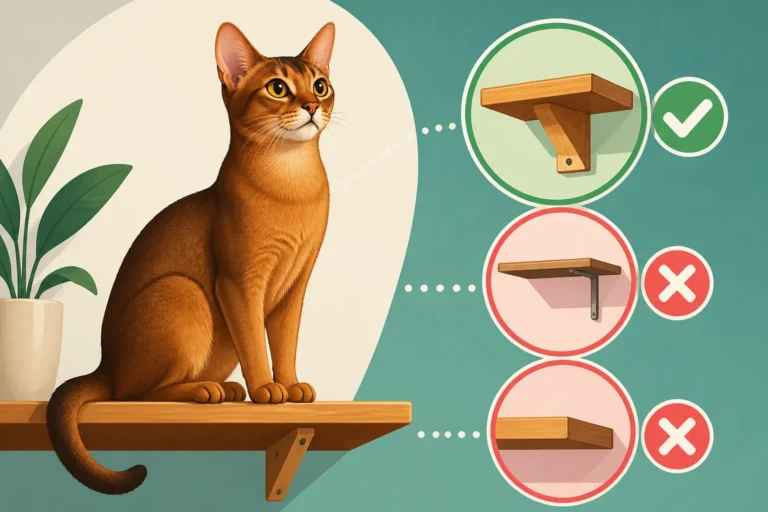
One of the most effective ways to satisfy an Abyssinian's need for motion and observation is to provide ample vertical territory. These cats are natural climbers and explorers, and they thrive when they have elevated perches, cat trees, and wall-mounted shelves to survey their domain. A tall cat tree near a window, or a series of Why Wall Shelves Work Better Than a Tree for an Abyssinian, gives them a safe, stimulating space where they can be "above it all" and watch the world go by, both inside and out. This helps fulfill their instinct to observe without always having to be underfoot. You can find some fantastic options for sturdy, multi-level cat trees and wall furniture on Amazon that are perfect for an energetic Aby.
Beyond vertical space, daily interactive play is non-negotiable. As mentioned, wand toys are excellent for engaging their prey drive. Don't just wave the toy around; make it dart, hide, and pounce like real prey. Rotate their toys regularly to keep them interested, and introduce puzzle feeders to challenge their minds. Even simple games like hide-and-seek with treats can provide valuable mental stimulation. Remember, a mentally and physically exhausted Abyssinian is a happy Abyssinian, and one that is more likely to finally settle down for a brief cuddle or nap.
The Benefits of a Companion
While your Abyssinian loves your company, you simply can't be their sole source of entertainment and interaction 24/7. This is why many Abyssinian owners find that getting a second cat, especially another Aby or a similarly active breed, can be incredibly beneficial. A companion provides a playmate, a co-conspirator for mischief, and someone to chase and wrestle with when you're busy or away. This can significantly reduce the intensity of their "shadowing" behavior, as some of their energy and social needs are met by their feline friend. If you're considering this, you might find Why a Second Cat Suits an Abyssinian to be very informative.
Of course, introducing a second cat requires careful planning, but for many Abyssinians, it transforms their quality of life. They are highly social creatures, and having a buddy to share their busy lives with can lead to a more balanced and content cat. They'll still follow you, of course, because that's just who they are, but perhaps with a little less frantic urgency, knowing there's another furry friend around to keep them company and burn off some of that incredible energy.
Ultimately, your Abyssinian's propensity to follow you everywhere without ever quite settling is a testament to their unique personality: intelligent, endlessly curious, deeply social, and bursting with energy. It's not a flaw, but a charming characteristic that makes them such captivating companions. By understanding the motivations behind this behavior and adapting your home and routine to meet their needs, you'll foster an even stronger, more harmonious relationship with your active Aby.
Disclaimer
This article is for general informational purposes only and does not constitute professional advice. Laws, prices and regulations vary by location and change over time. Consult a qualified professional for guidance on your specific situation.