Which Shelves Hold an Abyssinian’s Weight
It's a familiar scene for any Abyssinian owner: you turn your back for a second, and your energetic, curious cat has somehow scaled to the highest point in the room, whether it's the top of a bookcase or the precarious edge of a doorframe. Abyssinians are incredible athletes, driven by an insatiable need for vertical space and observation points. But this natural athleticism comes with a critical consideration: ensuring the climbing structures you provide are not only engaging but also sturdy enough to handle their dynamic leaps and perching habits. This guide will walk you through everything you need to know about choosing and installing shelves that will safely support your Abyssinian's weight and adventurous spirit.
Understanding Your Abyssinian's Need for Vertical Space
Abyssinians are not your average lap cat; they are built for action and thrive when they have opportunities to climb, jump, and survey their domain from above. Ignoring this innate desire is not just cruel, it can lead to frustration for your cat and potential damage to your home as they find their own (often less-than-ideal) climbing spots.
The Abyssinian's Natural Instincts and Weight
Your Abyssinian’s sleek, muscular build is designed for agility and height. These aren't hefty, sedentary cats; they are lithe, powerful, and constantly on the move. Even though they typically range between 6 to 10 pounds (with males often being on the higher end of that scale, sometimes reaching 12 pounds), their impact on a shelf isn't just about their static weight. Think about the force generated when an 8-pound Abyssinian leaps from the floor, scrabbles its way up a wall, and lands squarely on a shelf. It's a sudden, concentrated load, often accompanied by a rapid change in direction or a powerful push-off. This kinetic energy can put significant stress on an inadequately installed or flimsy shelf.
Their desire to be high up is rooted deeply in their wild ancestry. From an elevated position, they can observe everything happening in their environment, which gives them a sense of security and control. They love to watch birds from a window perch or supervise your cooking from the top of the kitchen cabinets. Providing safe, dedicated vertical spaces fulfills this fundamental instinct, preventing them from treating your valuable furniture or delicate decor as their personal climbing gym. They're not being naughty; they're simply being an Abyssinian! You might find it helpful to consider An Abyssinian Needs Height More Than It Needs Floor.
The Importance of Sturdy Climbing Structures
The market is flooded with cat furniture, from plush cat trees to minimalist wall shelves. However, not all options are created equal, especially when it comes to supporting the dynamic energy of an Abyssinian. Flimsy structures that wobble, sway, or feel unstable under their weight can quickly become a source of fear rather than enrichment. A cat that experiences a shelf collapse or a near-miss is likely to develop an aversion to that climbing spot, or even to vertical play in general. We've all seen those wobbly cat trees that barely support a static cat, let alone one launching itself upwards with the enthusiasm of an Abyssinian.
The frustration for owners often stems from investing in what they think is suitable, only to have it fail spectacularly. Imagine buying a beautiful, multi-tiered cat tree, spending an hour assembling it, only for your Abyssinian to spring onto the top platform, causing the whole structure to list precariously. It's not just the wasted money; it's the potential for injury to your beloved pet. Sturdy structures mean peace of mind for you and confidence for your Abyssinian as they explore their vertical world. This also plays into the larger picture of How to Make an Abyssinian's Climbing Route Safe.
Key Factors in Choosing and Installing Abyssinian Shelves
When you're looking to add vertical real estate for your Abyssinian, it's not just about aesthetics; it's about structural integrity and safety. There are a few core elements to consider that will make all the difference.
Material Matters: Wood, Metal, and Beyond
The material of your cat shelves is paramount. You need something that can withstand the force of a jumping cat and hold up to repeated use.
- Solid Wood: This is often the gold standard. Shelves made from solid pine, oak, or birch offer excellent strength and durability. They can handle significant weight and are less likely to warp or splinter over time. Many dedicated cat wall furniture brands on platforms like Amazon utilize solid wood for their core shelves, recognizing its superior strength.
- High-Quality Plywood: Marine-grade or furniture-grade plywood can also be a good option. It's strong, stable, and less prone to cracking than solid wood planks that might have knots. However, be wary of cheaper, thin plywoods that can delaminate or snap under stress.
- Metal: Metal shelving, particularly those with a grid or mesh design, can be incredibly strong, but they might not be as comfortable for your Abyssinian to perch on without a soft covering. Some modern cat wall systems incorporate metal brackets for strength, paired with wood or fabric platforms.
- Heavy-Duty PVC/Plastic: While some sturdy plastic options exist, especially for outdoor catios, general-purpose plastic shelving found in home improvement stores is usually not suitable. It can become brittle over time, and isn't designed for the dynamic load of a leaping cat.
- Particle Board/MDF: Steer clear of these for weight-bearing cat shelves. They are essentially glued-together wood particles and sawdust, which are notoriously weak, especially when subjected to repeated stress or moisture. They can crumble around screws, making secure installation impossible, and their structural integrity is simply not sufficient for an active Abyssinian. This is often the material of choice for inexpensive, flimsy cat trees that you want to avoid.
Here's a quick comparison of common shelf materials:
| Material Type | Durability | Weight Capacity | Cost | Ideal Use Case | Avoid For |
|---|---|---|---|---|---|
| Solid Wood | Excellent | High | Moderate-High | Primary climbing routes, long-term stability | Extremely heavy cats (uncommon for Abyssinians) |
| High-Quality Plywood | Very Good | High | Moderate | Primary climbing routes, DIY projects | Cheap, thin grades |
| Metal (e.g., steel) | Excellent | Very High | High | Support brackets, industrial aesthetic | Bare platforms without soft covering |
| Heavy-Duty Plastic | Good (specific types) | Moderate | Moderate | Outdoor catios, specific modular systems | Indoor, general-purpose shelving |
| Particle Board/MDF | Poor | Low | Low | None for active cat climbing | Any weight-bearing cat furniture |
Secure Installation: It's All About the Studs
Even the strongest shelf material is useless if it's not installed correctly. This is where many owners go wrong. For an Abyssinian, who will launch themselves onto shelves with surprising force, finding and using wall studs is non-negotiable.
Wall studs are the vertical wooden (or sometimes metal) beams within your walls that provide structural support for your house. Drywall, on its own, is simply not strong enough to hold a dynamic load. If you try to mount shelves directly into drywall with only standard anchors, you run a very high risk of the shelf ripping out, taking a chunk of your wall with it, and potentially injuring your cat. Imagine your Aby confidently leaping onto a newly installed shelf, only for it to suddenly give way. Not only is it terrifying for them, but fixing the damage to your wall can be far more expensive than investing in proper installation from the start.
Invest in a good stud finder – they're relatively inexpensive and invaluable for any homeowner. Once you've located the studs, use appropriate screws that are long enough to penetrate well into the stud. For shelves that will hold a lot of weight or endure significant impact, consider using lag screws, which are heavy-duty fasteners designed for strong connections. If hitting a stud perfectly isn't possible for every mounting point (e.g., for a wider shelf), you might use toggle bolts or heavy-duty hollow wall anchors for the spots between studs, but the primary support must be in the studs. Always follow the manufacturer's weight rating for your anchors, but also remember that a dynamic force is much greater than a static one.
Shelf Size and Design for Active Cats
Abyssinians are not small cats, and they need enough space to comfortably sit, stand, and turn around on their shelves. A shelf that's too narrow might make them feel insecure, leading them to avoid it. Aim for a depth of at least 8-10 inches and a width of at least 12-16 inches for individual perching spots. If you're creating a pathway or a multi-level system, ensure there's enough room for them to navigate easily without feeling cramped. Why an Abyssinian Prefers the Highest Point in a Room often means they want to sprawl out once they get there, not just balance precariously.
Consider their jumping style as well. Abyssinians are incredible jumpers, often launching themselves upwards or across gaps. Design your climbing route with this in mind, placing shelves at appropriate heights and distances to encourage safe, confident movement. Look for shelves with slight lips or rounded edges to prevent accidental slips, especially if your Aby likes to sleep on their elevated perches. Integrated carpet or sisal coverings can also provide better grip and added comfort, making the shelves more appealing and safer for your agile climber. A well-designed system encourages them to use the designated climbing areas rather than exploring areas you don't want them in, like the top of your expensive china cabinet.
Recommended Shelf Types and Features
Once you understand the basics of materials and installation, you can explore the different types of shelving systems available that are perfect for your Abyssinian. The goal is to provide a stimulating, safe, and durable vertical playground.
Heavy-Duty Wall-Mounted Shelves
Purpose-built cat wall shelves are an excellent investment because they are designed with feline behavior and safety in mind. Brands specializing in cat furniture often use solid wood or high-quality plywood, paired with robust mounting brackets. These shelves can often be purchased individually or as part of a modular system, allowing you to customize your cat's climbing route to fit your home's layout and your Aby's specific preferences. You might find great options on sites like Amazon, where many small businesses cater specifically to these needs.
Look for features like:
- Thick, Solid Platforms: Avoid anything that feels light or flimsy. A good cat shelf should have a substantial feel to it.
- Strong Mounting Hardware: Often, these shelves come with pre-drilled holes and the necessary hardware, including long screws designed for stud mounting.
- Textured Surfaces: Carpet, sisal, or even a scratch-resistant veneer can provide grip for your Abyssinian's claws, making them feel more secure during leaps and landings. Some shelves even integrate scratching surfaces directly into their design, fulfilling two needs at once.
- Varied Heights and Depths: A good system will offer different shelf sizes, allowing you to create interesting pathways, high perches, and resting spots. Remember that How High an Abyssinian Will Climb is usually only limited by what you give them access to!
Integrated Cat Furniture Systems
Beyond individual shelves, there are entire integrated systems designed to transform a wall into a multi-level cat paradise. These can include a combination of shelves, enclosed hammocks, bridges, and scratching posts, all designed to work together to create a cohesive and stimulating environment. These systems are particularly beneficial for Abyssinians, who thrive on continuous movement and exploration.
- Modular Design: Many systems are modular, meaning you can add components over time and arrange them in various configurations. This allows for flexibility as your Abyssinian's preferences or your living situation changes. You can often find reputable brands offering these systems on platforms like Amazon, complete with reviews from other cat owners who can attest to their durability.
- Sturdy Connections: Ensure that all components connect securely to each other and to the wall. The weakest link in an integrated system can compromise the safety of the entire setup.
- Variety of Activities: A good system will offer not just climbing, but also opportunities for scratching, hiding, and resting, making it a comprehensive enrichment solution. This helps prevent boredom, which, for an Abyssinian, can manifest as destructive behavior. Why an Abyssinian Does When It Is Bored often involves finding creative (and sometimes undesirable) ways to entertain themselves.
The DIY Approach: Building for an Abyssinian
For those who are handy and enjoy a project, building your own cat shelves can be a rewarding way to ensure maximum customization and strength. You have full control over the materials and installation, allowing you to create something truly bespoke for your Abyssinian.
When undertaking a DIY project:
- Material Selection: Stick with solid wood or high-quality plywood. Buy thicker stock than you might initially think you need to ensure ample strength. For instance, ¾-inch thick plywood or solid planks will be far more resilient than ½-inch material.
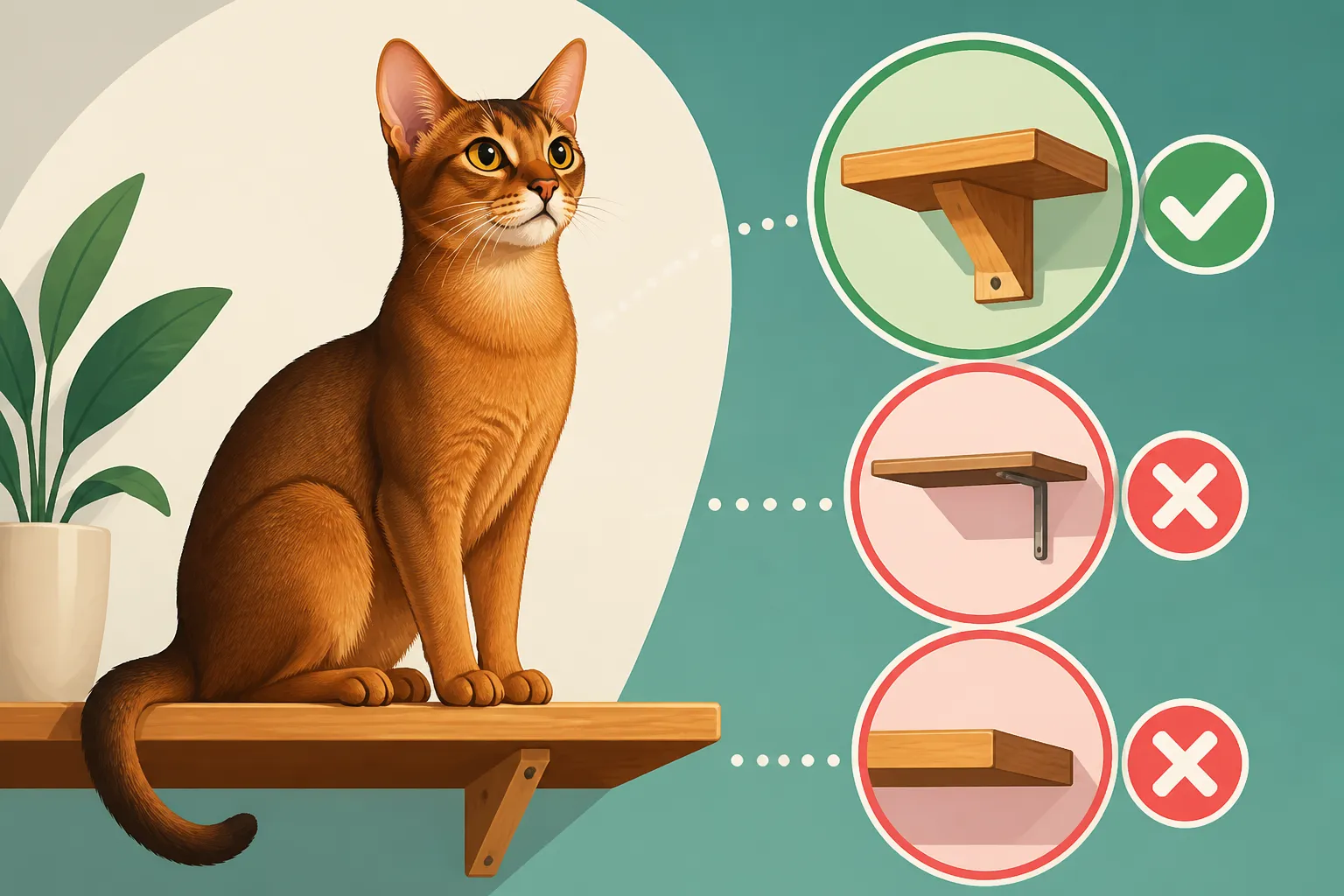
- Reinforcement: Use strong L-brackets or custom-cut wooden supports beneath your shelves, especially if they are long or will bear heavy loads. Don't rely solely on screws through the back of the shelf into the wall. Consider incorporating vertical supports that run floor-to-ceiling for very tall structures, anchoring them at both ends for maximum stability.
- Safety First: Ensure all edges are sanded smooth to prevent splinters. If you're using carpet or fabric, secure it firmly with non-toxic adhesive or staples so it doesn't peel or become a tripping hazard. Double-check all measurements and angles to prevent awkward or unsafe gaps in your cat's climbing path. Remember, the goal is to safely accommodate your Abyssinian’s agile movements, and a little extra effort in construction pays dividends in peace of mind.
Ensuring Long-Term Safety and Durability
Once your shelves are installed, your job isn't quite done. Abyssinians are active cats, and over time, even the sturdiest structures can show signs of wear. Regular maintenance and a mindful approach to placement will ensure these vertical spaces remain safe and enjoyable for years.
Regular Inspection and Maintenance
Just like any piece of furniture that sees heavy use, your cat shelves need periodic inspection. Abyssinians are incredibly dynamic in their movements, launching themselves, skidding, and digging their claws in for purchase. All of this can loosen screws, wear down surfaces, and compromise stability. Make it a habit to check all your cat's climbing structures at least once a month.
- Check for Wobble: Give each shelf a good tug or push to see if it wiggles. Any movement indicates a problem with the fasteners or the connection to the wall. If a shelf starts to feel unstable, your Abyssinian will likely notice and might even refuse to use it. A cat avoiding a favorite high spot is a clear sign that something is amiss.
- Tighten Screws: Over time, the force of your Abyssinian's jumps can cause screws to loosen. Keep an eye out for any exposed screw heads that might be protruding, and use a screwdriver to tighten everything up. Don't overtighten, as this can strip the screws or damage the wood, but ensure a snug fit.
- Inspect Surfaces: Look for frayed carpet, splintering wood, or worn-down sisal. These can be uncomfortable or even dangerous for your cat's paws. Replace or repair any damaged surfaces promptly. For example, How Often an Abyssinian Needs Its Teeth Cleaned is a frequent care item, but inspecting climbing surfaces should be part of a similar routine.
- Examine Brackets: Ensure that any L-brackets or other support hardware are still firmly attached and not bent or rusted.
Weight Distribution and Multiple Cats
While an individual Abyssinian isn't a massive cat, their cumulative weight and dynamic movements are key considerations, especially if you have multiple cats or plan to get another. Abyssinians often enjoy the company of other cats, and it's not uncommon for them to want to share a favorite perch. Whether Two Abyssinians Are Easier Than One is a common question, and if you have two, your shelf capacity needs to increase.
When designing your vertical space, assume that two Abyssinians might attempt to occupy the same shelf, even if only briefly during a playful chase. Consider the combined weight of your cats plus a generous safety margin. If you have a particularly large male Abyssinian, for example, whose How Much an Adult Male Abyssinian Weighs might be at the higher end, ensure individual shelves are tested for that peak weight. When installing, think about where the primary impact points will be and reinforce those areas further. An Abyssinian's leap is often less of a gentle step and more of an athletic spring, putting concentrated stress on the landing zone. Designing for durability from the outset will prevent headaches down the road.
Disclaimer
This article is for general informational purposes only and does not constitute professional advice. Laws, prices and regulations vary by location and change over time. Consult a qualified professional for guidance on your specific situation.