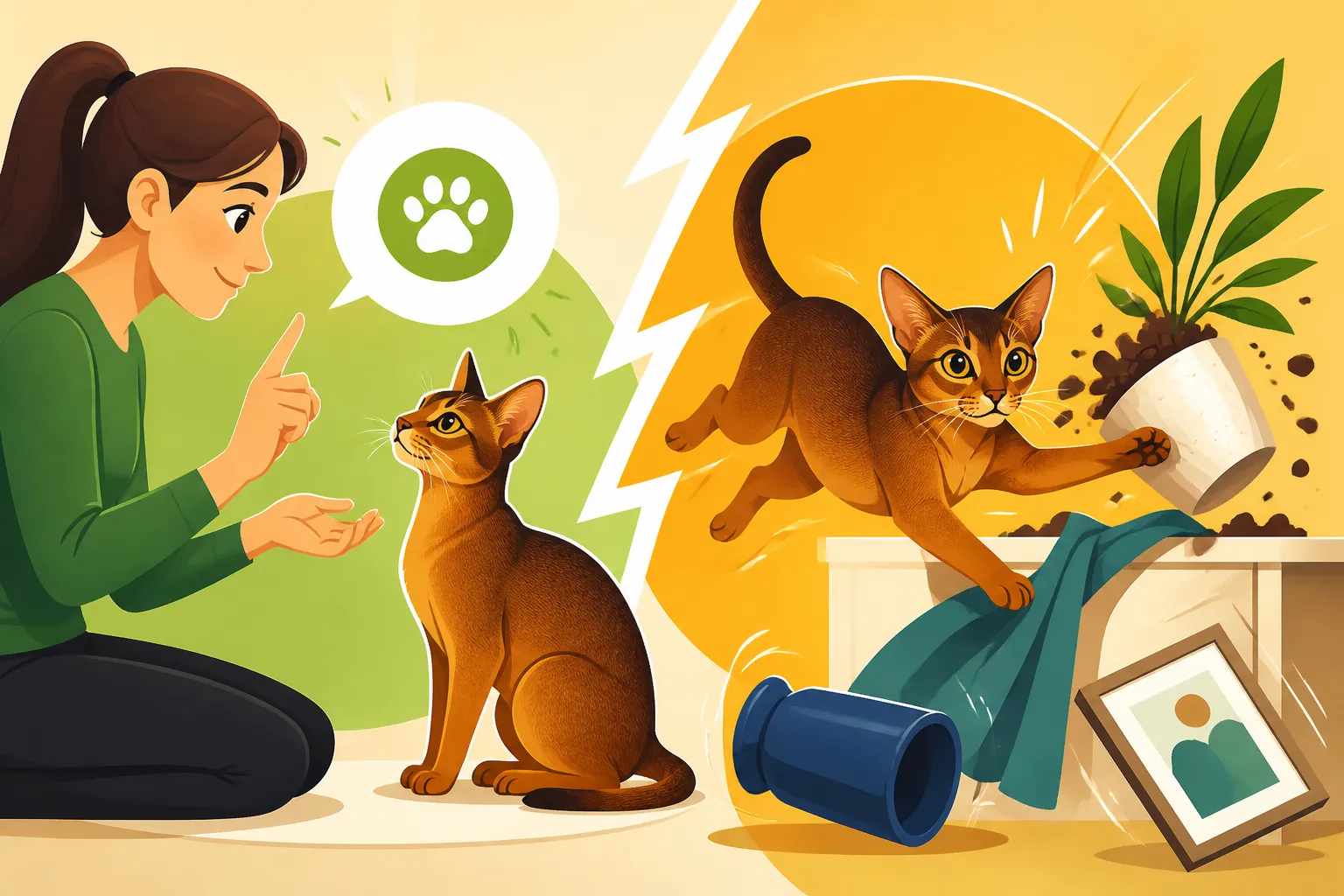
Training an Abyssinian Is Easier Than Stopping It
It's a common misconception that cats, particularly active and independent breeds like the Abyssinian, can't be trained. Many owners feel frustrated, thinking their Aby is untrainable or simply too wild to learn boundaries, but the truth is, an Abyssinian thrives on mental engagement. This guide will help you understand your Abyssinian's unique intelligence and energy, and show you how training isn't just possible, but a rewarding way to deepen your bond and manage those lively behaviors.
Understanding the Abyssinian Mindset for Training
When you bring an Abyssinian into your home, you're not just getting a cat; you're getting a small, intelligent, and highly curious companion with an energy level that can surprise even experienced cat owners. Thinking of them as untrainable often stems from expecting them to behave like dogs, or perhaps like a more sedate, lap-cat breed. But the Aby operates on a different wavelength, and once you tap into that, you'll find a willing, if sometimes mischievous, student.
Why Abyssinians Are Different
Abyssinians are often described as the "Clowns of the Cat Kingdom" or "Pumas of the Living Room." They are incredibly athletic, agile, and possess a keen intelligence that demands constant stimulation. Unlike some breeds that are content to snooze for hours, an Abyssinian is usually observing, exploring, or planning its next adventure. This inherent drive means they aren't content to simply exist; they want to participate. This is where the challenge, and the opportunity, for training lies. They learn quickly, both good habits and bad, because they're always learning. Their responsiveness to their environment means they pick up on cues and routines with astonishing speed, sometimes even faster than you realize.
Think about it: they watch you, they learn your habits, and they anticipate your moves. That's a cat that's capable of learning! The key is to channel that intelligence and energy into productive, positive outlets rather than letting it manifest as undesirable behaviors. Trying to stop an Abyssinian from doing something, without offering an acceptable alternative, is often a losing battle. They're wired to do, not to be still.
The Importance of Mental Stimulation
For an Abyssinian, mental stimulation isn't a luxury; it's a fundamental need. A bored Abyssinian is a recipe for chaos. They might start "redecorating" your shelves, dismantling toilet paper rolls, or inventing complex games involving knocking things off surfaces. This isn't out of spite; it's an intelligent animal trying to entertain itself. Their minds are always whirring, solving problems, and seeking novelty. If you don't provide appropriate challenges, they'll create their own, and trust me, you probably won't like their choices.
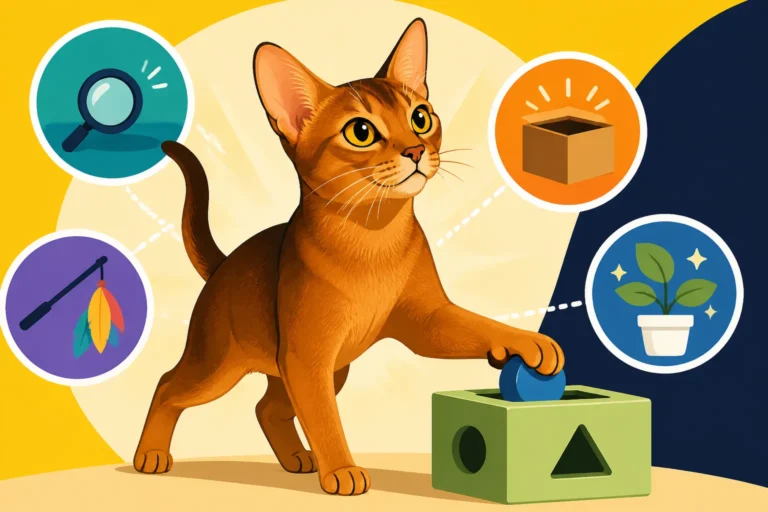
Adequate mental stimulation through training and play helps prevent these destructive behaviors. It gives them a "job," a purpose for their boundless energy and sharp minds. Interactive puzzle toys, regular training sessions, and even just novel objects to explore can make a huge difference in their overall happiness and your sanity. Without it, their intelligence can become a double-edged sword, turning them into highly efficient, tiny agents of domestic disarray. Don't underestimate the power of a daily brain workout for your Aby. What an Abyssinian Does When It Is Bored delves into this more deeply.
Recognizing Your Abyssinian's Motivation
The secret to training any animal, including an Abyssinian, is understanding what motivates them. Abyssinians are often highly food-motivated, especially for high-value treats like freeze-dried chicken or tuna flakes. They also crave attention and interactive play. Unlike some cats who might be bribed with a simple pat, Abyssinians often respond best to engaging activities that involve you, like a vigorous wand toy session or a game of fetch.
Observe your cat closely: What do they really love? Is it chasing a feather wand? A specific type of crunchy treat? The sound of you calling their name in an excited tone? Once you identify their primary motivators, you can leverage these as rewards during training. It's not about forcing them to do something, but showing them that cooperating with you leads to something they genuinely desire. They're smart enough to make that connection very quickly. Consistency in using these motivators is key, because if the reward isn't consistent or appealing, an Abyssinian will quickly decide that participating isn't worth their time.
Setting Up Your Home for Success (and Training Opportunities)
An Abyssinian's home isn't just a place to eat and sleep; it's their playground, their observation deck, and their hunting ground. Because they are so active and inquisitive, their environment plays a massive role in their behavior. A well-designed home can proactively address potential behavioral issues and create countless opportunities for positive training.
Vertical Space as a Training Ground
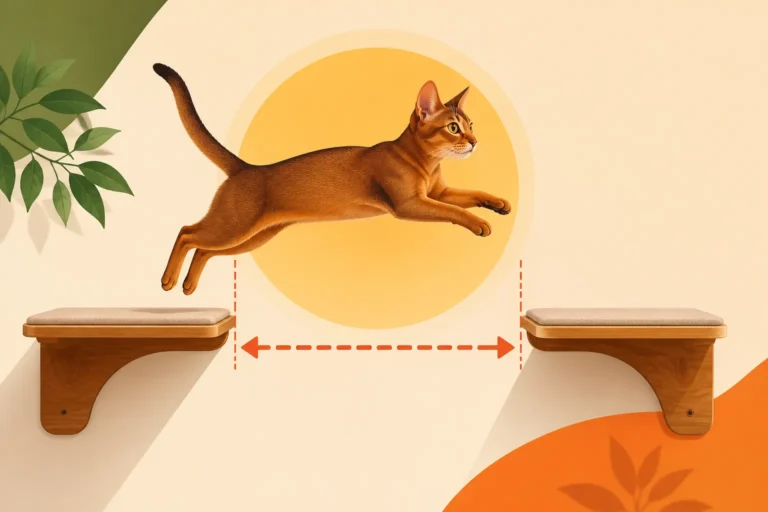
If there's one thing an Abyssinian needs, it's vertical territory. These cats love to climb, perch, and survey their domain from on high. Ignoring this instinct is like trying to convince a fish not to swim. Instead, embrace it! Tall cat trees, wall-mounted shelves, and access to high furniture are not just decorative; they are essential for your Aby's physical and mental well-being. An Abyssinian Needs Height More Than It Needs Floor explains just how crucial this is.
Consider your vertical space as an extension of your training. You can use treats to lure them up new shelves, teaching them to navigate their environment safely. You can play "follow the leader" with a wand toy, guiding them up and down their climbing structures, which is fantastic for exercise and reinforcing positive interactions. When they're satisfied with their climbing and perching needs, they're less likely to try scaling your curtains or the back of your expensive cabinetry. Providing acceptable climbing routes gives them an appropriate outlet for their natural agility and reduces the likelihood of them seeking out less desirable, and potentially dangerous, alternatives. Many owners find excellent, sturdy options for cat trees and wall shelves on platforms like Amazon, offering a wide variety of styles to suit any home and budget.
Harnessing Their Curiosity, Not Fighting It
Abyssinians are naturally curious, and they will investigate everything. This isn't a flaw; it's a defining characteristic of the breed. Trying to fight this curiosity head-on by simply scolding them often leads to a game of "cat and mouse" where they just learn to do things when you're not looking. Instead, redirect and harness that curiosity.
For example, if your Abyssinian is fascinated by a particular cupboard, try putting a puzzle feeder inside that they have to work to open, filled with their favorite treats. This turns a potentially destructive act into a mentally stimulating game. Why an Abyssinian Opens Doors and Cabinets is a common frustration, and understanding that they are learning how to do these things is the first step to redirecting them. Use childproof latches, not just to protect contents, but to create a challenge that requires their problem-solving skills to be directed elsewhere. You can also offer safe, engaging alternatives to exploration, such as cardboard box forts or paper bags (with handles removed for safety) for them to explore and shred. This satisfies their exploratory drive in a way that aligns with your household rules.
Childproofing for Cats: Securing the Environment
Just as you would childproof for a toddler, you need to "cat-proof" for an Abyssinian. This means securing anything potentially dangerous or valuable that their curiosity might lead them to. Electrical cords should be covered or tucked away, breakable knick-knacks stored, and toxic houseplants removed. This isn't about stopping their curiosity, but about making their environment safe for them to exercise it.
A secure environment means less stress for you and fewer opportunities for your Aby to get into trouble. If you know certain areas are off-limits, use physical barriers or training techniques to keep them away. For instance, if the kitchen counter is a no-go zone, make sure there's nothing rewarding up there and plenty of engaging things off the counter. This preventative measure is a form of training itself, teaching them implicitly about boundaries. Installing simple childproof locks on cabinets or drawers can be a game-changer, and you can find a good selection of these on Amazon that are easy to install and effective against clever paws.
Foundation Training: Beyond the Litter Box
Many people think "cat training" only extends to litter box habits, but Abyssinians are capable of so much more. Establishing a foundation of basic cues can dramatically improve communication and build a stronger bond between you and your cat. It's about teaching them that listening to you results in positive outcomes, making them more receptive to learning more complex behaviors later on.
Introducing Basic Cues
Starting with simple cues like "come," "sit," or "stay" can be incredibly beneficial. An Abyssinian who reliably comes when called can be a lifesaver in an emergency or simply make playtime more engaging. To teach "come," start in a quiet room with high-value treats. Call their name in an excited tone, then immediately offer a treat and praise when they approach. Gradually increase the distance and distractions. For "sit," hold a treat above their head, moving it slowly back towards their tail. As their rear end naturally lowers, say "sit," and reward them the moment their bottom touches the ground.
Consistency is paramount. Everyone in the household needs to use the same cues and rewards. Short, frequent training sessions (2-5 minutes, multiple times a day) are far more effective than one long, tedious session. Abyssinians have short attention spans for formal drills, but an endless appetite for fun and rewards. Make it a game, and they'll be eager participants.
Clicker Training: The Abyssinian's Best Friend
If there's one tool I recommend for training an Abyssinian, it's a clicker. Why Clicker Training Works on an Abyssinian is because it offers precise communication, marking the exact moment your cat performs the desired behavior. Cats, being less eager to please than some dogs, benefit greatly from this clarity. The click instantly tells them, "Yes! That's what I want, and a reward is coming!" You can purchase inexpensive clickers easily from Amazon.
Start by "charging" the clicker: click, then immediately give a treat. Do this 10-20 times in a session until your Aby associates the click with good things. Then, you can use it to shape behaviors. For example, if you want to teach them to high-five, click and treat for any paw movement in the air. Then, only for paw movements closer to your hand, then for touching your hand, and so on. It's a powerful, positive reinforcement method that bypasses frustration and builds confidence in both of you. It's truly a game-changer for these smart, responsive cats.
Leash and Harness Training for Safe Adventures
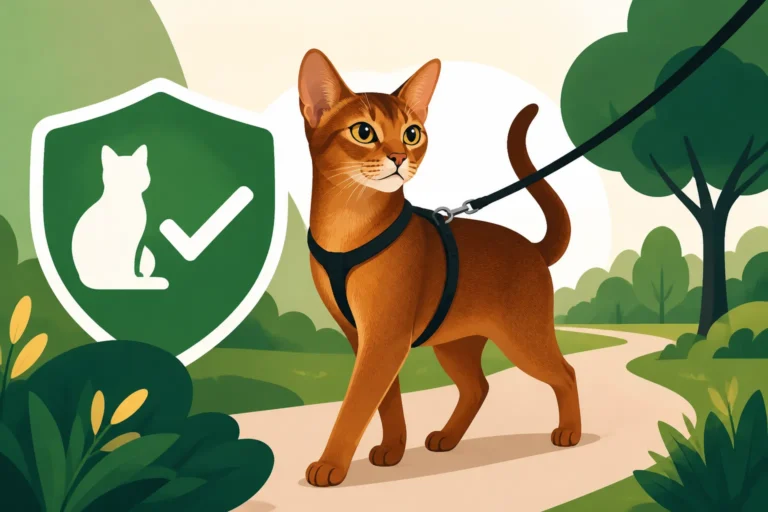
Given their energetic and adventurous nature, some Abyssinian owners find that leash and harness training can provide a safe way for their cats to explore the outdoors. This isn't about letting them roam freely, but about supervised excursions in a secure harness. However, it's not for every Abyssinian, and patience is absolutely key.
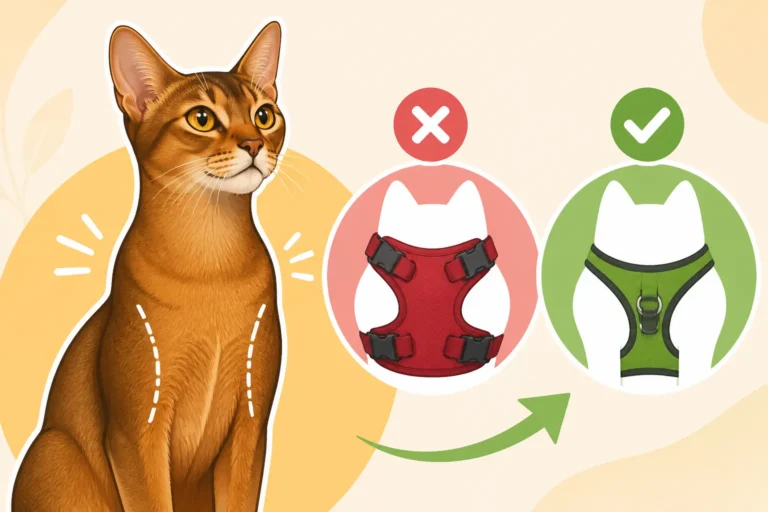
Start by introducing the harness indoors, letting them wear it for short periods while supervised, always associating it with positive experiences like mealtime or playtime. Never force it. Once they're comfortable with the harness, attach a lightweight leash and let them drag it around the house under supervision. Then, gently hold the leash, guiding them for short walks inside. Only when they're completely comfortable indoors should you venture outside, starting with a quiet, safe space like a fenced yard. Remember, the goal isn't to walk them like a dog, but to allow them to explore safely at their own pace. How to Leash Train an Abyssinian details the step-by-step process. Look for lightweight, escape-proof harnesses designed specifically for cats, which are readily available on Amazon.
Tackling Common Abyssinian "Misbehaviors" with Training
Abyssinians, with their boundless energy and insatiable curiosity, can sometimes develop behaviors that we humans deem "misbehavior." But from their perspective, they're often just acting on instinct or seeking attention. The good news is that these behaviors can almost always be redirected and managed through consistent training and providing appropriate alternatives.
Counter Surfing and Cabinet Raiding
This is a classic Abyssinian move. Their agility means no surface is truly safe, and their curiosity means every cupboard is a treasure chest waiting to be opened. Instead of yelling or spraying water (which often just teaches them to do it when you're not around), focus on managing the environment and offering better alternatives.
First, make the forbidden areas unappealing. Don't leave food or interesting objects on counters. Use double-sided sticky tape or motion-activated air deterrents (used sparingly and humanely) on surfaces where you absolutely don't want them. Second, provide plenty of acceptable high places, like those tall cat trees and wall shelves we discussed. Make these appealing with cozy beds or hidden treats. Third, consistent "off" training, combined with clicker and treat rewards for staying on the floor, can work wonders. When you see them about to jump, say "off" (or "no," if you prefer) and then immediately reward them when all four paws are on the floor. Remember, they're not trying to be bad; they're trying to explore or reach a perceived reward. Redirect that energy.
Excessive Vocalization and Attention Seeking
Abyssinians are known for their distinctive "chirp" and can be quite vocal when they want something. If ignored, this vocalization can escalate into insistent meows or even frantic attempts to get your attention, like pawing at you or knocking things over. They are clever and learn quickly what gets a reaction from you.
The key here is to ignore unwanted attention-seeking behavior and reward quiet, calm behavior. This is much harder than it sounds! If your Aby is chirping loudly at you for food, wait until they are quiet for a few seconds before fulfilling their request. If they're pawing at you while you work, gently push them away and only give attention when they're settled nearby, not actively demanding. Provide plenty of structured playtime and interaction on your terms, so they don't feel the need to demand it. Puzzle feeders Which Puzzle Feeders Hold an Abyssinian's Attention can also occupy their minds when you can't actively engage with them, providing a productive outlet for their energy.
Destructive Chewing and Scratching
While Abyssinians are generally less prone to destructive scratching than some other breeds due to their lack of a dense undercoat, their high energy can sometimes lead to chewing or scratching on inappropriate items, especially if they're bored. This is often a sign of needing more appropriate outlets for their natural instincts.
For scratching, ensure you have a variety of scratching posts and surfaces available: tall sisal posts for vertical stretches, horizontal cardboard scratchers, and scratching ramps. Place them in prominent areas where your cat likes to lounge or stretch. Reward them profusely when they use the appropriate scratchers. For chewing, ensure all tempting items like electrical cords are secured. Offer appropriate chew toys designed for cats. Some cats enjoy toys they can really sink their teeth into, even robust dog toys if safe and appropriately sized. The aim is to satisfy the urge on a designated item, not to suppress the instinct entirely. You can also use bitter sprays on items you want them to leave alone, but combine this with redirection to an appropriate toy.
Advanced Tricks and Problem Solving
Once you've mastered the basics and your Abyssinian understands the concept of positive reinforcement, the sky's the limit! Their intelligence makes them ideal candidates for learning complex tricks and engaging in challenging activities that further enrich their lives and strengthen your bond.
Teaching Fetch and Retrieve
Abyssinians often have a natural inclination for fetch, making it one of the easiest "tricks" to teach. Many Abys will even bring toys back to you on their own! If yours doesn't, you can easily teach them. Start with a favorite small, lightweight toy. Toss it a short distance. When your cat picks it up, encourage them to bring it closer with excited vocalizations and by backing away from them. The moment they drop it near you, click and treat generously. Gradually increase the distance and hold off on the treat until they bring it right to your hand. How to Teach an Abyssinian to Fetch is a fantastic bonding activity and a great way to burn off some of that Abyssinian energy.
This isn't just a fun game; it taps into their predatory instincts in a controlled environment. The act of "hunting" the toy, bringing it back, and receiving a reward is incredibly satisfying for them. It's a prime example of how you can use their natural drives to your advantage in training.
Agility and Puzzle Solving
Abyssinians excel at agility. Their physical prowess and problem-solving skills make them perfect candidates for cat agility courses. You can set up simple jumps using broomsticks or cardboard boxes, weave poles from PVC pipe, or tunnels made from fabric. Lure them through the course with a wand toy or a treat, clicking and rewarding each successful step. This provides immense physical and mental stimulation.
Beyond agility, puzzle feeders are essential for an Aby. As mentioned earlier, they thrive on mental challenges. There's a vast array of puzzle feeders available, from simple treat balls to complex multi-step puzzles. Start with easy ones and gradually introduce more difficult ones. You can even hide treats around the house, turning mealtime into a scavenger hunt, which perfectly suits their foraging instincts. Look for interactive toys and feeders that require manipulation, batting, or sliding to release rewards. Many innovative designs can be found on Amazon, offering different levels of challenge to keep your Abyssinian engaged. How to Give an Abyssinian a Job really explores these concepts.
Managing Multi-Cat or Multi-Pet Households
Introducing an Abyssinian into a household with other pets requires careful management and training. Abyssinians are generally social, but their high energy and assertive personalities can sometimes overwhelm more timid animals. Slow, positive introductions are crucial. Keep the new Abyssinian in a separate room initially, allowing them to acclimate to scents and sounds without direct confrontation. Gradually introduce them through supervised short sessions.
Use positive reinforcement to reward calm interactions between pets. For example, if your Abyssinian approaches another cat calmly, offer a treat to both. Provide ample resources (food bowls, litter boxes, scratching posts, vertical space) to prevent competition. The energetic nature of an Abyssinian means they might try to play rougher than another cat or dog is comfortable with. How Rough Play With an Abyssinian Gets can be a challenge. Teach them polite play by redirecting their intense energy onto appropriate toys, especially when interacting with a more sedate companion. For dogs, ensure the dog has a safe retreat and train both pets to respect each other's boundaries. Abyssinians often thrive with another equally playful cat, sometimes even another Abyssinian, to match their energy. Whether Two Abyssinians Are Easier Than One is a common question, and for many, the answer is yes, because they entertain each other.
The Long Game: Consistency and Patience
Training an Abyssinian isn't a one-time event; it's an ongoing journey. Their intelligence means they learn quickly, but it also means they constantly test boundaries and seek new challenges. Consistency in your approach and a healthy dose of patience will be your most valuable assets in building a well-behaved, happy Abyssinian companion.
Making Training a Lifestyle
For an Abyssinian, training isn't just about scheduled sessions; it should be woven into the fabric of their daily life. Every interaction is an opportunity for learning. Reinforce good behaviors spontaneously. If your Aby chooses to scratch their post instead of the couch, praise them immediately. If they calmly wait by their food bowl, reward that quiet behavior.
Incorporate short "mini-training" moments throughout the day. A quick game of fetch, a few rounds of "sit" for a treat, or guiding them through their climbing structures can all contribute to their overall mental and physical health. This constant engagement keeps their minds active and reinforces their understanding of house rules. It prevents boredom and strengthens the bond between you, making them more receptive to your guidance in the long run.
| Training Approach | Description | Benefits for Abyssinians |
|---|---|---|
| Clicker Training | Uses a distinct sound (click) to mark the exact moment of desired behavior, followed by a reward. | Provides clear, immediate feedback, crucial for an intelligent cat's quick understanding. |
| Positive Reinforcement | Rewards desired behaviors with treats, praise, or play to encourage repetition. | Builds a strong, positive association with training; avoids fear-based reactions. |
| Redirection | Guiding the cat away from an unwanted behavior towards an acceptable alternative. | Satisfies natural instincts (e.g., climbing, scratching) in a managed way. |
| Environmental Enrichment | Providing stimulating elements like cat trees, puzzle feeders, and safe spaces. | Prevents boredom-driven destructive behaviors by offering appropriate outlets. |
| Consistency | Applying the same rules and rewards every time, by everyone in the household. | Avoids confusion and reinforces learning; speeds up habit formation. |
When to Seek Professional Help
Even with the best intentions and consistent effort, some behavioral challenges might feel overwhelming. Don't hesitate to seek help from a certified feline behaviorist or a vet with a specialization in behavior. They can offer tailored strategies for specific issues like aggression, severe anxiety, or persistent destructive behaviors that haven't responded to your training efforts.
Sometimes, a behavioral issue might have an underlying medical cause. A sudden change in litter box habits, increased vocalization, or aggression could be signs of pain or illness. Always consult your veterinarian first to rule out any health problems before assuming a behavioral problem. A professional can provide an objective assessment, identify triggers you might have missed, and guide you through a structured modification plan.
Celebrating Small Wins and Maintaining Momentum
It's easy to get discouraged when progress feels slow, especially with such a tenacious breed. Remember to celebrate every small win! Did your Abyssinian sit quietly for five seconds? Great! Did they use their scratching post instead of the armchair? Fantastic! Acknowledge and reward these successes, not just for your Aby, but for yourself.
Maintaining momentum means keeping training sessions fun, varied, and short. Don't let yourself get bored, because your Abyssinian will pick up on that energy. Introduce new tricks, rotate toys, and find new places to explore (safely, of course). What Twenty Minutes a Day Does for an Abyssinian in terms of engagement and behavior. The goal is to keep them engaged, challenged, and happy, ensuring that the incredible intelligence and energy of your Abyssinian is channeled into a fulfilling life for both of you.
Disclaimer
This article is for general informational purposes only and does not constitute professional advice. Laws, prices and regulations vary by location and change over time. Consult a qualified professional for guidance on your specific situation.