Whether a Bird Feeder Outside Helps an Abyssinian
One common challenge for Abyssinian owners is finding enough safe and stimulating entertainment for their incredibly active and curious companions. It's easy to feel like you've tried every toy, every climbing structure, and your Aby is still looking for the next adventure. Many of us wonder if something as simple as a bird feeder outside the window could be the answer to their boundless energy and inquisitive minds, and this guide will delve into whether this seemingly innocent addition truly provides the enrichment your Abyssinian craves.
Tapping into the Abyssinian's Innate Hunter Instincts
Abyssinians are famed for their athleticism, intelligence, and an almost relentless prey drive. They're not content to simply lounge about all day; their minds and bodies are hardwired for action and discovery. This is precisely why the idea of a bird feeder is so appealing—it offers a safe, contained way to engage those powerful instincts. Your Abyssinian may live indoors, far from the actual hunt, but their genetic blueprint still hums with the ancient call of the chase.
The Ever-Present Hunter Within
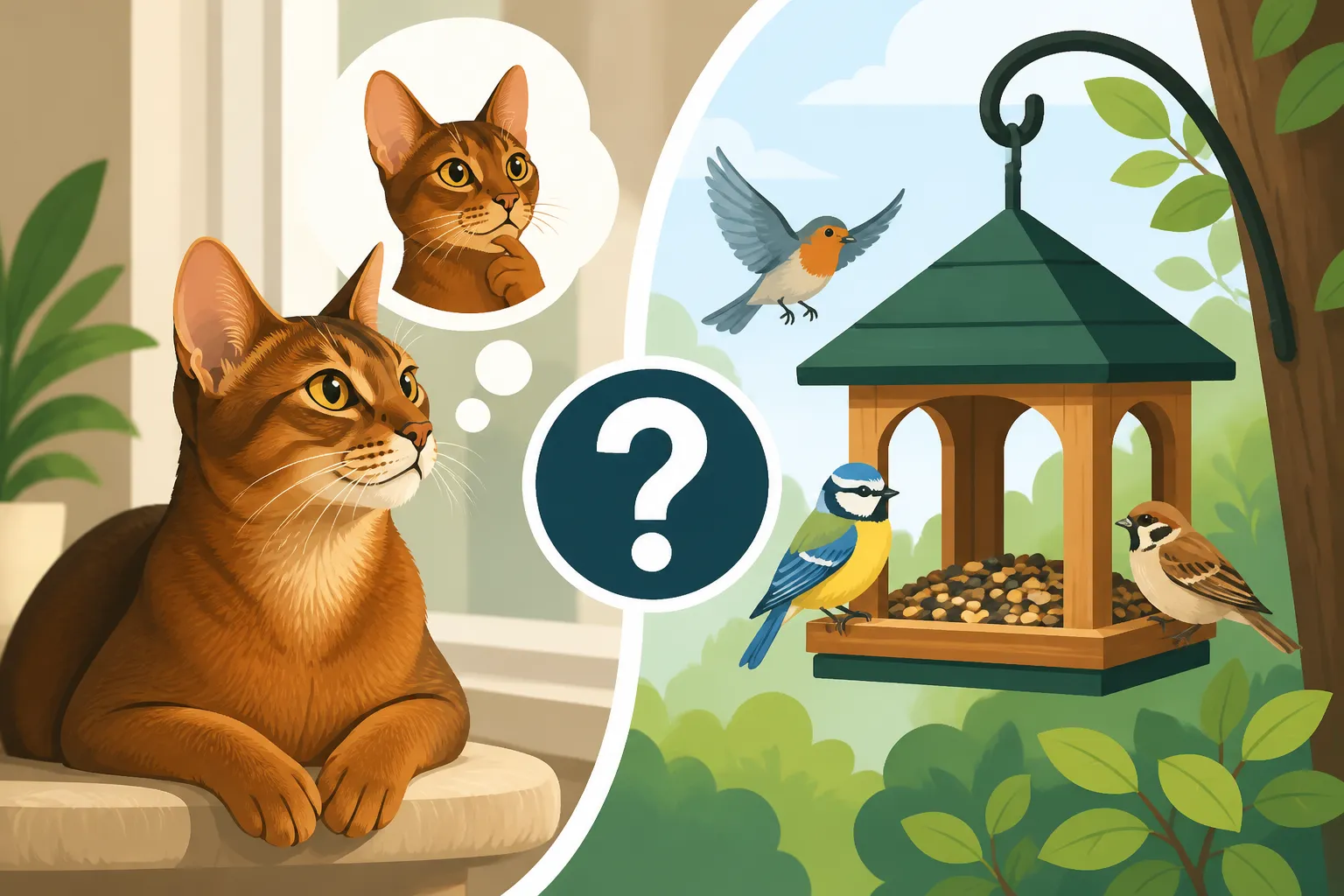
Even the most pampered Abyssinian, living a life of luxury inside your home, carries the heart of a wild hunter. Their keen eyesight, twitching ears, and boundless energy are all finely tuned tools for spotting, stalking, and pouncing on prey. When they see a bird fluttering outside, their entire being lights up. It's not just a casual glance; it's an intense, focused observation. Their tail might twitch, their pupils dilate, and they may even chatter with a specific vocalization known as "chirping" or "chittering," reserved for prey they can see but cannot reach. This isn't frustration as much as it is pure, undiluted hunting excitement. What an Abyssinian's Chirp Means explains this vocalization in more detail. Providing a bird feeder allows them to "hunt" with their eyes and minds, satisfying that deep-seated urge without ever putting a single feather (or bird) at risk.
Visual Stimulation as Mental Enrichment
Beyond the raw hunting instinct, bird watching offers a rich tapestry of visual and auditory stimulation that can keep an Abyssinian entertained for hours. Think about it from their perspective: a constantly changing tableau of colors, movements, and sounds right outside their window. Birds come in all shapes and sizes, with varied plumage and flight patterns. The sudden flutter of wings, the darting movements, the occasional squabble over a seed—it’s like a live-action nature documentary playing exclusively for your feline friend. This kind of complex, unpredictable visual input is far more engaging than a static toy or even some electronic games. It keeps their agile minds working, processing new information, and observing patterns, which is vital for a breed as intelligent as the Abyssinian. For a cat that thrives on mental activity, this can be invaluable.
The Safe Glimpse of the Wild
One of the biggest benefits of a bird feeder is that it provides a controlled, safe way for your Abyssinian to experience the "wild." We all know Why an Abyssinian Should Not Roam Outdoors due to countless dangers, but that doesn't diminish their desire to explore and interact with the natural world. A window-mounted bird feeder (or one placed strategically close to a window) bridges this gap. Your Aby gets to observe wildlife up close, stimulating their senses and satisfying their curiosity, all from the secure comfort of your living room. There’s no risk of traffic, predators, disease, or getting lost. It's the best of both worlds: thrilling entertainment for them, peace of mind for you. This kind of environmental enrichment is crucial, especially for an indoor cat who might otherwise get bored and resort to destructive behaviors. What an Abyssinian Does When It Is Bored often manifests as finding their own "fun," which isn't always agreeable to us.
Setting Up Your Bird Feeder for Maximum Abyssinian Enjoyment
Alright, so you're convinced that a bird feeder could be a fantastic addition to your Abyssinian's world. But simply hanging one out back isn't enough; strategic placement and choices can make all the difference in whether it becomes a captivating daily show or just another ignored lawn ornament.
Placement is Key for Prime Viewing
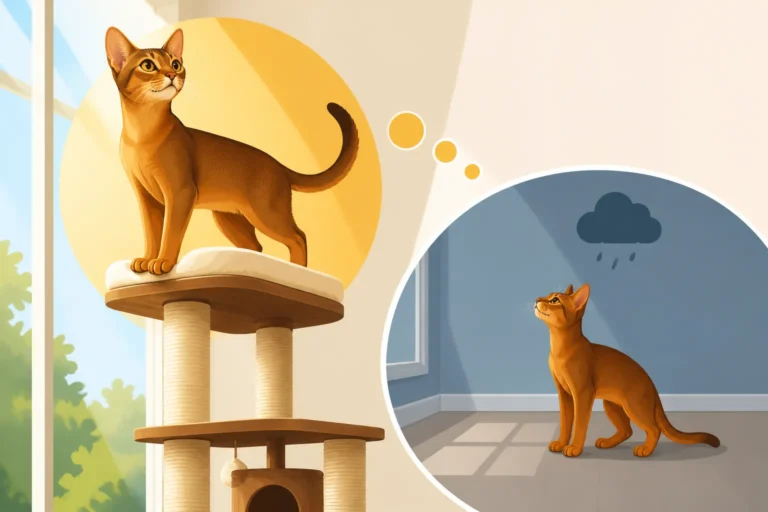
The success of your bird feeder as an Abyssinian entertainment hub hinges almost entirely on its placement. You want it close enough to a window for your cat to get a clear, detailed view of the birds, but far enough away that they can't actually reach it or damage the window attempting to do so. A good starting point is a window that gets consistent bird activity, perhaps facing a garden or a quiet patch of trees. Consider a feeder that attaches directly to the window pane with strong suction cups, as these bring the birds right up to the glass, offering an unparalleled close-up experience. Alternatively, a shepherd's hook or pole feeder placed just a few feet from a favorite window perch can work wonders. Remember, Abyssinians love height, so ensure there's a comfortable Why an Abyssinian Needs a Window Perch or cat tree right by the window where they can recline and observe their feathered friends in comfort. Placing it too far away renders it less engaging for their sharp but still limited eyesight.
Choosing the Right Feeder and Seed
Not all bird feeders are created equal when it comes to captivating an Abyssinian. You want something that attracts a variety of birds and is easy for them to access, meaning more action for your cat. Squirrel-proof feeders are an absolute must, not just to save seed, but to keep the focus on the birds. Mesh feeders filled with black oil sunflower seeds are a popular choice as they attract a wide range of common backyard birds like cardinals, finches, and chickadees. Hummingbird feeders, with their bright colors and active, zipping visitors, can also be a huge hit. Look for durable, easy-to-clean feeders. Many great options can be found on Amazon, often with reviews specifically mentioning how cat-friendly their design is for window viewing. Changing up the seed mix or offering different types of feeders (like suet cakes in winter) can also introduce novelty, keeping your Abyssinian's interest piqued.
Managing the "Frustration Factor"
While bird watching is largely beneficial, there's a fine line between healthy stimulation and outright frustration for your Abyssinian. Their strong prey drive means they want to catch those birds, and constantly seeing them just out of reach can sometimes lead to an intense, agitated state. This might manifest as excessive chattering, pacing, or even trying to bat at the window. If you notice your Aby becoming overly fixated or showing signs of stress—like flattened ears, rapid tail lashing, or increased vocalization without the playful chirp—it's time to intervene.
One strategy is to limit viewing time. You could place the feeder in a window that's accessible only for certain periods of the day, or use blinds/curtains to "close the show" when needed. Another approach is to ensure they have plenty of other outlets for their energy. A bird feeder is a supplement, not a replacement, for dedicated play time with wand toys that simulate hunting. Make sure your Abyssinian gets How Much Play an Abyssinian Needs Each Day and has plenty of climbing opportunities, as An Abyssinian Needs Height More Than It Needs Floor. This helps burn off that pent-up energy and redirect their hunting instincts in a more appropriate way.
Potential Downsides and Mitigation Strategies
While a bird feeder offers undeniable enrichment for your Abyssinian, it's not without its potential drawbacks. Being a responsible pet owner means considering the full picture, including impacts on local wildlife and potential unintended consequences for your own home.
Attracting Unwanted Wildlife Visitors
A bird feeder, by its very nature, is designed to attract wildlife. While the birds are the star of the show for your Aby, they aren't the only ones who might come calling. Squirrels are almost guaranteed, and while watching them can be entertaining for your cat, they can also damage feeders and chew through outdoor structures. More concerning, however, is the potential to attract larger, less desirable critters like raccoons, opossums, rats, or even bears in some rural areas. These animals can be messy, destructive, and carry diseases.
To mitigate this, always use squirrel-proof feeders and clean up any spilled seed promptly. Consider placing feeders on poles with baffles to prevent climbing access. If you live in an area with larger wildlife, bring feeders in at night. You might also want to choose a feeder that only dispenses small amounts of food at a time, preventing a large buffet from accumulating.
Health Concerns for Local Bird Populations
Bird feeders, unfortunately, can also become vectors for disease among wild bird populations, especially if not maintained properly. Shared feeding surfaces can facilitate the spread of bacterial, viral, and parasitic infections, leading to illness and even death for local birds. While this doesn't directly harm your indoor Abyssinian, a decline in local bird health is certainly not something any wildlife lover wants to contribute to.
The key here is diligent hygiene. Clean your bird feeders regularly, at least once every couple of weeks, and more frequently during periods of high use or noticeable illness among birds. Use a mild bleach solution (one part bleach to nine parts water), rinse thoroughly, and allow the feeder to air dry completely before refilling. Rotate your feeders and feeding locations if possible. Also, avoid overcrowding feeders; if you have a lot of birds, consider setting up multiple smaller feeders rather than one large one.
Overstimulation and Stress
We touched on the "frustration factor," but it's worth delving deeper into the potential for overstimulation and stress. For some Abyssinians, the constant presence of birds might become an obsessive focus rather than just entertainment. They might spend hours glued to the window, unable to relax, constantly chattering or pacing. This hyper-vigilance can lead to chronic stress, which can manifest in various ways, from excessive grooming (a common stress indicator in cats) to changes in appetite or litter box habits. In extreme cases, it could even lead to redirected aggression towards other pets or people in the home. Why a Stressed Abyssinian Overgrooms is a clear sign that something is amiss.
It's important to monitor your Abyssinian's reaction closely. If they seem genuinely stressed or obsessed, you might need to limit access to the feeder, move it further away, or even remove it entirely for a period. Ensure they have plenty of other enriching activities, like puzzle feeders that require mental effort (you can find a huge variety on Amazon) or active play sessions. Sometimes, turning on some calming classical music or a cat-specific TV channel can offer an alternative, less frustrating form of visual stimulation. The goal is engagement, not agitation.
Integrating Bird Watching into a Holistic Enrichment Plan
While a bird feeder can be a fantastic tool for enriching your Abyssinian's life, it's crucial to understand that it's just one piece of a much larger puzzle. An Abyssinian thrives on variety and interaction, and no single item, no matter how engaging, can fulfill all their complex needs.
Complementary Indoor Activities
Think of the bird feeder as a passive form of entertainment. It's like watching TV; enjoyable, but not truly interactive. For a high-energy, intelligent breed like the Abyssinian, active play and mental challenges are non-negotiable. This means regularly scheduled play sessions with wand toys that mimic birds or rodents, allowing them to chase, pounce, and "kill" their prey. Remember, Abyssinians are known for their ability to learn tricks, so teaching them to fetch or walk on a leash can also be incredibly enriching. How to Teach an Abyssinian to Fetch can be a great way to bond and burn energy.
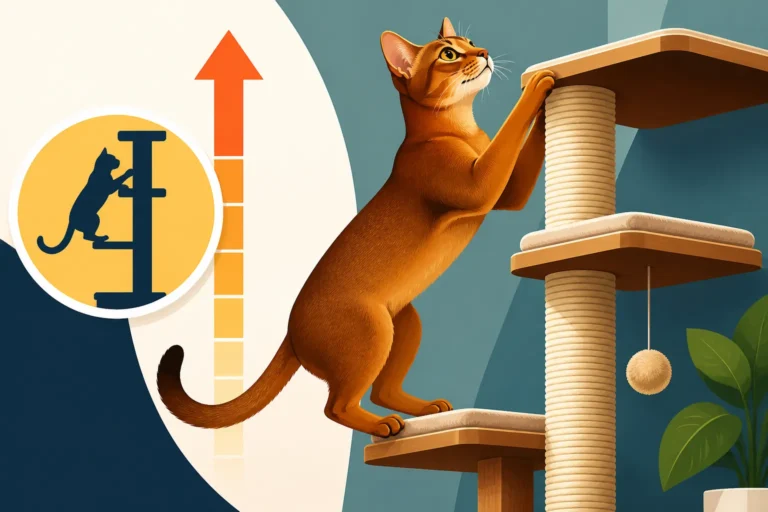
Beyond play, vertical space is paramount. Abyssinians are natural climbers and feel most secure when they have high vantage points. Investing in tall cat trees, wall-mounted shelves, and cat tunnels can create an indoor adventure park that rivals the excitement of the outdoors. How Many Vertical Levels an Abyssinian Needs often surprises new owners, but these structures are vital for their well-being. Puzzle feeders are another excellent way to engage their problem-solving skills and provide mental stimulation during meal times. You can find many interactive puzzle feeders that dispense treats or kibble as your cat works for it, often available from retailers like Amazon. This helps prevent boredom and allows them to "hunt" for their food, a natural instinct.
The Irreplaceable Value of Owner Interaction
No amount of bird watching, no matter how engaging, can ever replace the bond and stimulation that comes from direct interaction with you, their human. Abyssinians are deeply social cats who crave attention and play. They thrive on having their intelligence challenged and their energy directed by their favorite person. A bird feeder can keep them occupied when you're busy, but it should never become a substitute for dedicated play, petting, and conversation.
Think of those moments spent together as essential for their emotional health. Talking to your Abyssinian, letting them "help" you with household tasks, or simply sitting near them while they observe the birds, all reinforce your bond. This interaction helps prevent behavioral issues that can stem from feeling neglected or under-stimulated, which are common problems for this highly interactive breed. Why an Abyssinian Will Not Sit on Your Lap doesn't mean they don't love you; they just show it in different, more active ways!
Rotation and Novelty to Keep Things Fresh
Cats, including the endlessly curious Abyssinian, can get bored with the same old thing, even a bird feeder. What's captivating today might become background noise next month. To keep enrichment fresh, it's important to rotate toys, change up play routines, and introduce novelty whenever possible. This applies to your bird feeder setup as well.
Consider moving the feeder to a different window periodically (if feasible and safe), or adding different types of seed or suet to attract new bird species. You could even take it down for a week or two, then put it back up to renew interest. Introduce new puzzle toys, hide treats in different locations for them to forage, or set up new climbing challenges. The goal is to always have something slightly new or different to capture their attention and keep their minds engaged. By making sure your Abyssinian's environment is dynamic and stimulating, you can prevent boredom, reduce stress, and ensure they remain the happy, active, and mischievous companions we all adore.
| Aspect | Benefits for an Abyssinian | Potential Downsides | Mitigation Strategies |
|---|---|---|---|
| Visual/Mental Stimulation | Engages hunting instincts, provides constant novelty. | Can lead to overstimulation or frustration. | Provide other active play, limit viewing time. |
| Safe Outdoor Access | Allows observation of nature without outdoor risks. | No direct downsides, but requires secure window access. | Ensure feeder is securely mounted and inaccessible. |
| Prey Drive Outlet | Satisfies innate urges, reduces boredom. | Intense focus may cause stress or redirected aggression. | Incorporate wand toy play to "complete" the hunt. |
| Wildlife Interaction | Attracts diverse birds for viewing. | Can attract unwanted pests (squirrels, rodents, raccoons). | Use squirrel-proof feeders, clean up spills, bring indoors at night. |
| Bird Health | N/A (positive impact on cats, not birds). | Feeders can spread disease among wild birds. | Clean feeders regularly with bleach solution, rinse thoroughly. |
Disclaimer
This article is for general informational purposes only and does not constitute professional advice. Laws, prices and regulations vary by location and change over time. Consult a qualified professional for guidance on your specific situation.