What Dilution Does to a Blue Abyssinian
A blue Abyssinian can look gray at a glance, but its coat is not a solid, uniform blue. The color comes from a genetic dilution that softens the breed’s dark pigment while preserving its distinctive ticking. This guide explains what dilution changes, how to recognize a blue coat, how it differs from other Abyssinian colors, and what the color does—and does not—mean for care.
What dilution means in a blue Abyssinian
Dilution softens pigment rather than changing the coat pattern
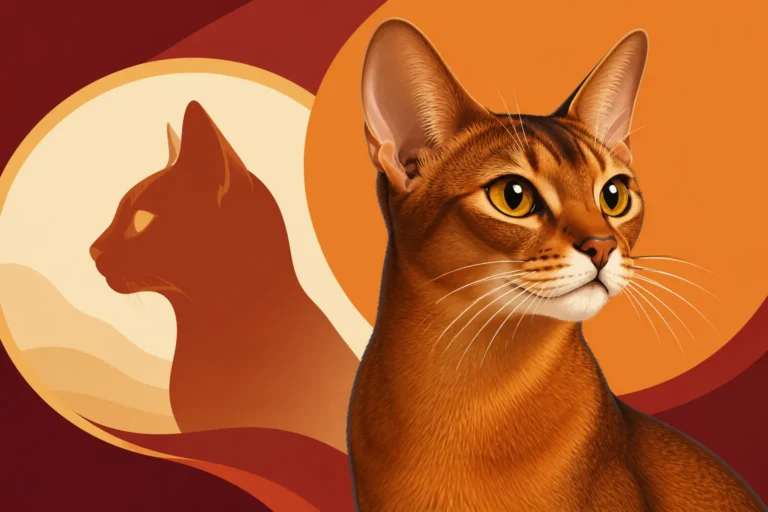
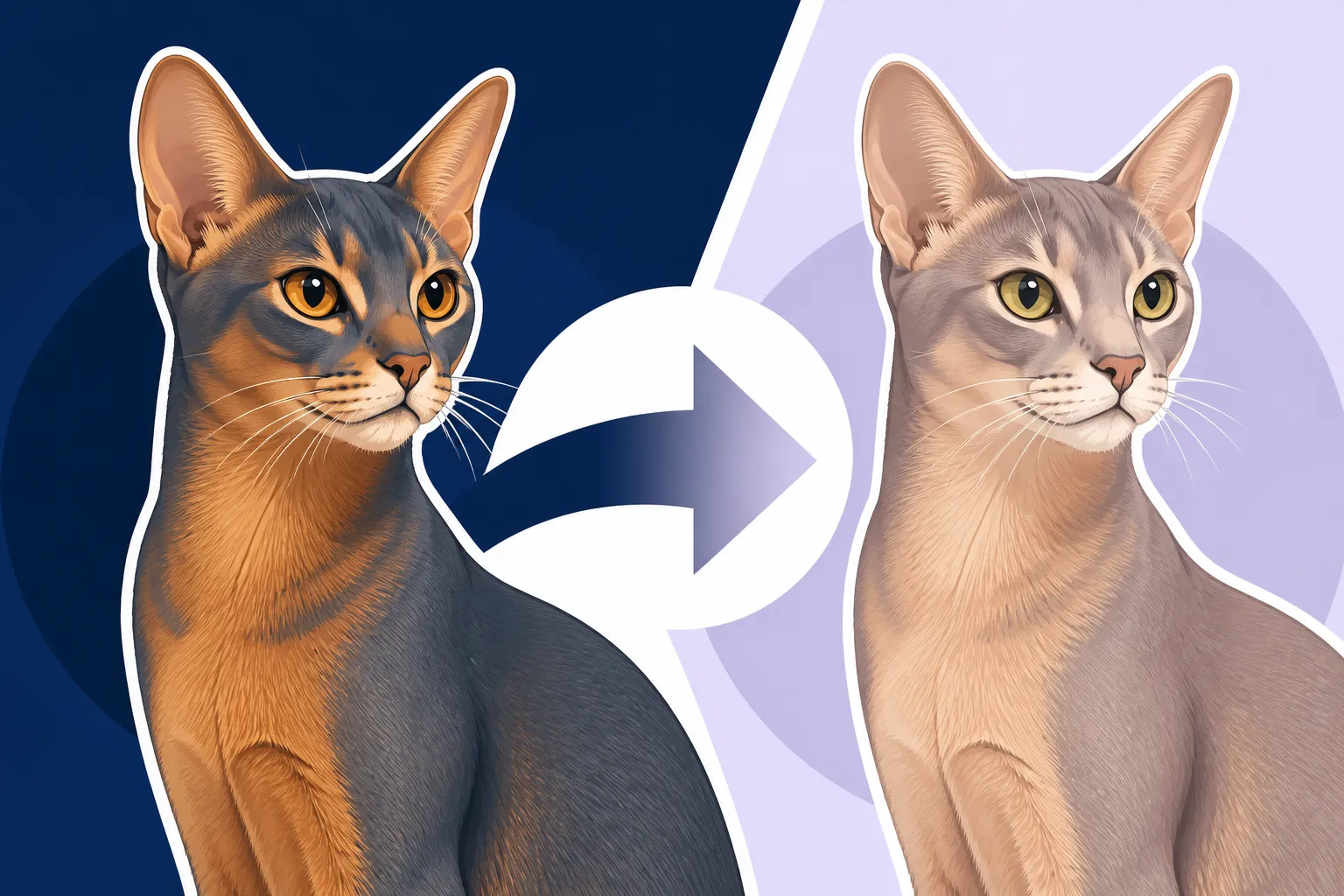
“Blue” in an Abyssinian color description does not mean the cat has a solid blue-gray coat. It refers to a diluted form of the breed’s ruddy coloring. The dark pigment that would appear black in a ruddy cat looks softer and slate blue in a blue Abyssinian. The coat’s warm background also appears lighter, giving the overall color a more muted effect.
The key point is that dilution changes the shade of the pigment, not the basic coat pattern. Abyssinians have an agouti coat: individual hairs carry bands of different colors rather than forming ordinary stripes across the body. Those bands give the coat its fine, shifting appearance. If you look closely at a blue Abyssinian, you should see the same kind of ticked pattern that makes a ruddy Abyssinian look rich and luminous, but in a gentler palette.
This distinction is useful when comparing photos online. A blue kitten photographed in dim indoor light may look like a flat gray cat, while the same cat outdoors or near a bright window may show warm beige beneath the blue ticking. For more on the underlying coat pattern, see How an Abyssinian's Agouti Banding Works.
The color is inherited, not created by grooming
Dilution is inherited. A kitten gets its coat-color genes from its parents, and a blue kitten must inherit the relevant dilute form from both sides. A cat can carry a dilution gene without looking blue itself, so a blue kitten’s parents do not necessarily both appear blue. A breeder familiar with the cats’ pedigrees and color genetics can explain how a litter’s colors are possible.
That inheritance also means blue is not a special coat treatment, a result of bathing, or a sign that the coat has faded with age. Sun exposure and lighting can affect how a coat looks, but they do not turn a genetically non-dilute Abyssinian into a blue one. Likewise, a gray-looking coat by itself is not enough to identify a cat’s registered color.
Color genetics can get complicated when several genes are involved, so it is reasonable to ask a breeder how they identify a kitten’s color and what registration name will appear on its papers. If you want a broader overview of the recognized palette, The Four Colors an Abyssinian Comes In explains where blue fits alongside the other familiar colors.
How to recognize a blue Abyssinian coat
Look for slate blue ticking over a warm background
A typical blue Abyssinian has slate blue ticking over a warm beige or buff-colored ground. The contrast is usually softer than the dark ticking on a ruddy cat, but the coat should still look lively rather than flat. The face, legs, back, and tail can show different balances of the colors, so the cat may look cooler or warmer depending on the area you are viewing.
The tail tip and markings around the face may appear darker than the main body coat. The underside is generally lighter, though the exact appearance varies from cat to cat and can be affected by age, coat condition, and lighting. Standards used by different registries may describe ideal color details somewhat differently, so a show-quality description is not a perfect checklist for every pet blue Abyssinian.
Try looking at the coat in daylight and then under indoor lighting. A blue cat may appear smoky or gray in a shadowed room but reveal more warmth in natural light. That shift is normal: Abyssinian ticking catches the light differently as the cat moves. Why an Abyssinian's Coat Looks Different in Every Light offers more on why a coat can seem to change shade from one moment to the next.
Compare the colors by their pigment and warmth
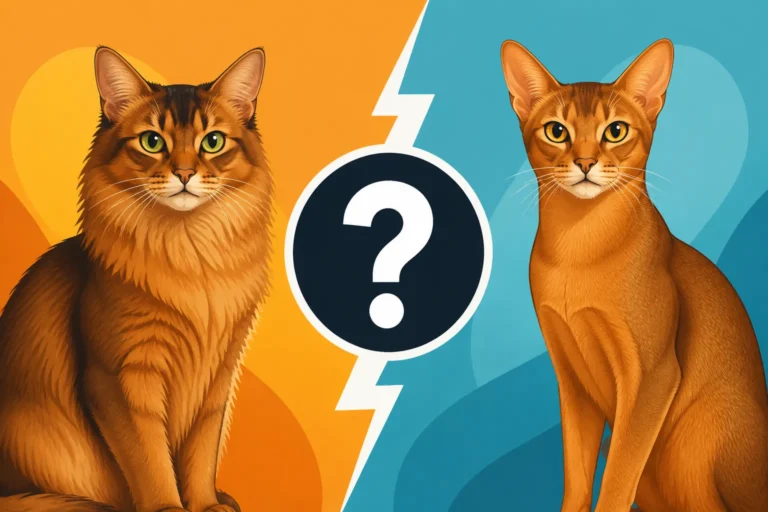
It is easy to mix up blue and fawn in a quick photo, especially when the lighting is poor. A simple comparison helps: blue is the dilute version of ruddy, while fawn is the dilute version of sorrel. Both are softer than their non-dilute counterparts, but they are not simply two names for the same grayish coat.
| Abyssinian color | General appearance | Helpful distinction |
|---|---|---|
| Ruddy | Warm brown or reddish background with dark ticking | The dark pigment looks nearly black |
| Sorrel | Warm coppery or cinnamon-toned coat | The ticking has a warmer reddish-brown look |
| Blue | Beige-toned background with slate blue ticking | The overall contrast is softened from ruddy |
| Fawn | Pale, warm beige or pinkish-tan appearance | The diluted sorrel palette looks lighter and more delicate |
These descriptions are broad rather than a substitute for a breed standard. A particular cat may have richer or paler tones, and a phone camera can distort colors. The most reliable way to understand a kitten’s color is to consider its coat in person, ask what color the breeder records, and compare that description with the relevant registry’s terminology.
If you are comparing a blue kitten with a fawn one, focus on the quality of the ticking and the overall warmth—not just whether the coat looks light. How a Blue Abyssinian's Ticking Differs looks more closely at the blue coat’s banding, while What a Fawn Abyssinian Looks Like describes the other dilute color.
How blue differs from other Abyssinian colors
Blue is not the same as a solid gray cat
Because “blue” is a traditional cat-color term, it can be confusing. It generally describes a softened gray or slate pigment, not a bright blue hue. In an Abyssinian, that pigment sits within a ticked coat, so you should see a finely blended appearance rather than one uninterrupted field of gray.
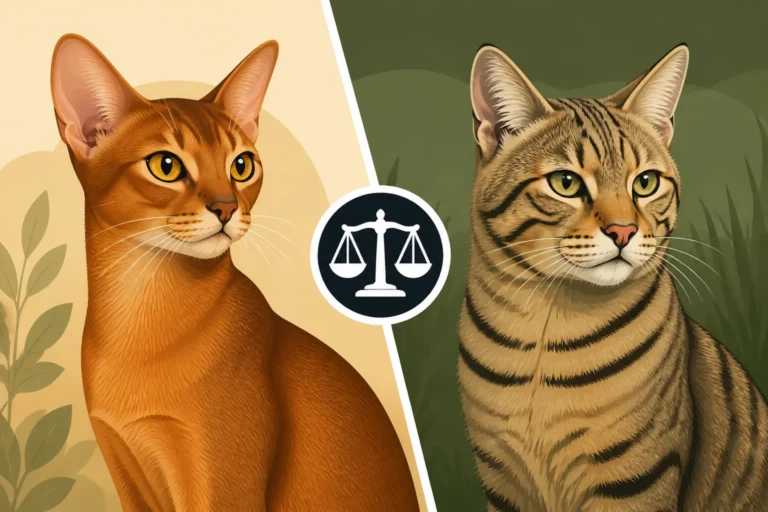
A Russian Blue, for example, is known for a solid-looking blue coat, while a blue Abyssinian’s coat is agouti and banded. The overall impression may be gray at a distance, but close up, the Abyssinian’s hairs and warmer ground color create a different texture and depth. A kitten photo with heavy shadows or image filters can erase that distinction, so be cautious about identifying color from a single picture.
Breed and color identification are separate questions, too. A blue-gray cat is not automatically an Abyssinian, and an Abyssinian does not become blue simply because its coat looks gray in a snapshot. If appearance matters because you are choosing a kitten, ask to see clear, unfiltered photos and, where practical, meet the kitten or view it in natural light.
Coat color does not determine personality or health
Blue is a coat-color description, not a personality type. A blue Abyssinian should not be expected to behave differently from a ruddy, sorrel, or fawn Abyssinian simply because of its shade. Temperament is shaped by many factors, including the individual cat, early socialization, environment, and health.
The same principle applies to routine care. A blue Abyssinian does not need a special diet or a color-specific grooming schedule. Its short, close-lying coat generally needs simple, gentle upkeep. Choose a soft grooming tool and avoid harsh brushing that can rough up the coat or irritate the skin. If you are shopping for a rubber grooming mitt, Chewy is one retailer where you can compare available styles; whichever one you choose, use a light touch and stop if your cat seems uncomfortable.
A coat that suddenly looks rough, greasy, unusually sparse, or dull is different from a normal variation in color. Changes in coat condition can have many causes, so pay attention to whether the cat is also scratching, losing weight, eating less, or acting differently. In that situation, talk with a veterinarian rather than assuming the color is changing on its own.
Choosing and caring for a blue Abyssinian
Ask clear questions about color and registration
When speaking with a breeder, ask what color they believe the kitten is, what color they plan to record with the registry, and how they distinguish blue from fawn. A careful breeder should be able to explain the description without relying only on a marketing label such as “rare” or “special.” You can also ask to see photos of the kitten in natural light and, if available, photos of the parents.
Registry terminology matters because breed organizations may differ in which colors they recognize or how they describe them. If you are considering showing a cat, check the relevant organization’s standards rather than assuming every registry uses identical rules. Which Abyssinian Colors CFA Recognizes and How an Abyssinian's Coat Color Is Registered are useful starting points for understanding how recognition and paperwork fit together.
A color label should not distract from the more important questions about health, socialization, and the kitten’s living conditions. Ask what health information is available for the parents, what veterinary care the kitten has received, and how the breeder helps kittens adjust to family life. Coat color can be part of your preference, but it is only one small part of choosing a healthy, well-supported cat.
Keep coat care gentle and consistent
A blue Abyssinian’s ticking does not need to be enhanced with dyes, special color products, or frequent baths. Regular, gentle handling is more useful: run a soft grooming mitt over the coat when your cat is relaxed, and use the session to check for any change in skin, coat texture, or sensitivity. Many cats tolerate a short grooming routine better when it is paired with a treat or a calm moment after play.
If you are comparing grooming mitts, Chewy may offer a range of basic options, but the brand is less important than the fit and feel. Choose a tool that sits comfortably in your hand and does not snag the coat. If your cat walks away, let the session end; forcing grooming can make the next attempt harder. A few calm strokes at a time are often more productive than trying to complete a long grooming session all at once.
Color can also influence what you notice, but it should not become a reason to over-groom. The aim is to keep the coat clean and comfortable, not to make the blue look darker or brighter. For a broader look at how coat texture and ticking are assessed, see What an Abyssinian's Coat Should Feel Like in the Ring. If you are comparing the cost or rarity of different colors, Why Blue and Fawn Abyssinians Cost More provides related context, but a higher price alone is not evidence of better health or care.
Keep color rarity in perspective
Blue may be less familiar than ruddy, but rarity is not a measure of quality. A buyer who feels pressured to make a quick decision because a color is described as unusually scarce should slow down and assess the breeder, the kitten’s care, and the available health information. Color preferences are personal; responsible breeding and a good match for your home matter much more.
It can help to compare several kittens or adult cats rather than making a decision from one striking photograph. Look at the coat in different lighting, notice whether the ticking is visible, and ask how the breeder arrived at the color description. Which Abyssinian Color Is Rarest gives additional context, but the right cat is the one whose health, temperament, and needs fit your household—not simply the one with the most unusual-looking coat.
A blue Abyssinian is best understood as a ticked Abyssinian in a softened, slate-and-beige palette. Dilution changes the shade of its inherited pigment; it does not erase the breed’s characteristic coat pattern or determine the cat’s personality. With sensible questions, realistic expectations, and gentle routine care, the color becomes an enjoyable detail rather than a mystery.
Disclaimer
This article is for general informational purposes only and does not constitute professional advice. Laws, prices and regulations vary by location and change over time. Consult a qualified professional for guidance on your specific situation.