How Long an Abyssinian Can Be Left Alone
It's a common worry for Abyssinian owners: how long is too long to leave your energetic, highly social cat home alone? We all lead busy lives, and the thought of our active Abyssinians feeling bored, lonely, or even destructive while we're away can be a source of real guilt. This guide will help you understand your Abyssinian's unique needs and provide practical strategies to ensure their happiness and well-being, whether you're just popping out for an hour or navigating a longer workday.
Understanding the Abyssinian's High Energy and Social Needs
Abyssinians aren't your typical lounge-lizard lap cats. They are renowned for their incredible energy, intelligence, and a deep-seated need for interaction. This isn't just a quirky trait; it's fundamental to their breed and dramatically influences how well they cope with solitude.
The Unrelenting Abyssinian Drive
Imagine a cat that’s perpetually running on a slightly higher octane than most other felines. That's your Abyssinian. They are lean, muscular, and built for speed and agility, often displaying bursts of intense activity throughout the day. This isn't just kitten energy; many Abyssinians maintain this zest for life well into their senior years. They explore every nook and cranny, climb to the highest perches, and investigate anything new with an insatiable curiosity. This means that a quiet, empty house quickly becomes a challenge for them. Without an outlet for this incredible drive, they don't just "rest"; they often find less desirable ways to occupy themselves, which can sometimes lead to what we perceive as mischief. Owners often remark on How Many Hours a Day an Abyssinian Stays Active.
Why Abyssinians Crave Interaction
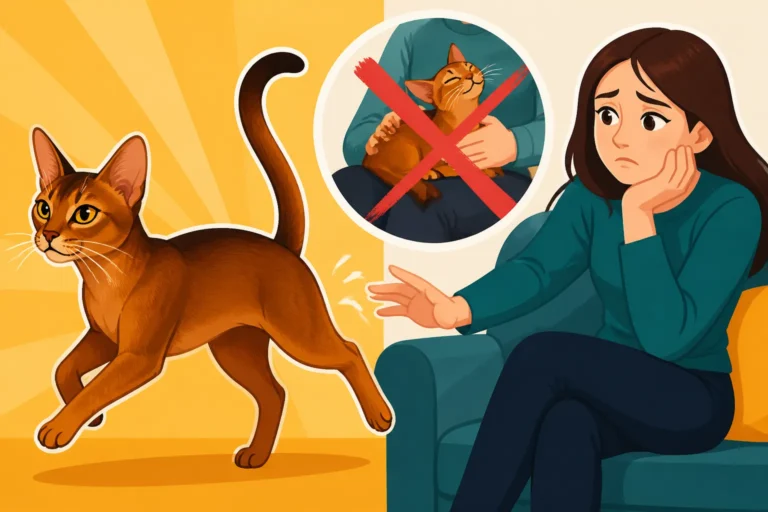
Beyond their physical energy, Abyssinians possess a profound need for social engagement. They thrive on being part of the family, often following you from room to room, supervising your activities, and "chatting" with their distinct chirps and trills. They are often described as having a dog-like loyalty, forming strong bonds with their human companions. This isn't just about cuddles – though many Abyssinians are affectionate on their own terms – it's about mental stimulation and participation. They want to be involved, to observe, and to interact. Leaving an Abyssinian alone means cutting them off from this vital social interaction, which can be far more distressing for them than it might be for a more independent cat breed. They truly need to feel connected and engaged with their environment and their people. Why an Abyssinian Will Not Sit on Your Lap delves into their unique ways of showing affection.
The Consequence of Undermet Needs
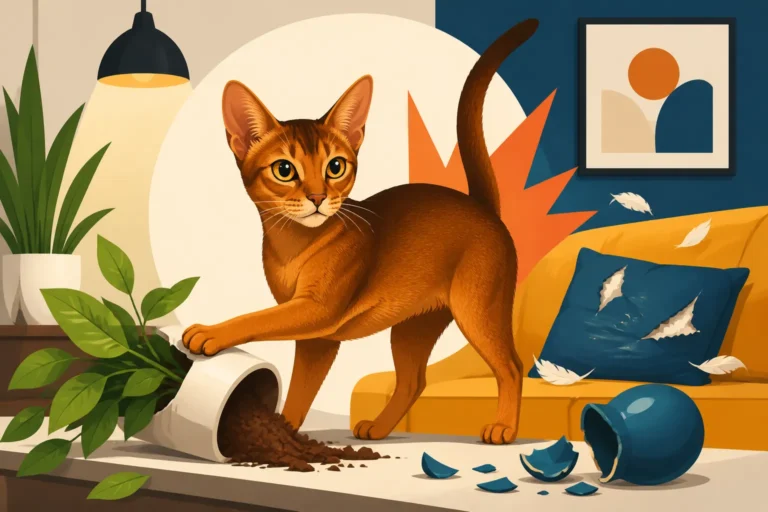
When an Abyssinian's high energy and social needs aren't met, you'll start to see a range of behaviors that are often misinterpreted. They might become destructive, not out of malice, but out of sheer boredom and a desperate attempt to create their own stimulation. This could manifest as scratching furniture, pulling items off shelves, or even trying to open cabinets and doors. They might also become more vocal, meowing or chirping excessively when you return, almost as if complaining about their solitude. Some Abyssinians might even develop stress-related habits like overgrooming, which can lead to skin irritation or bald patches. Understanding that these behaviors stem from unmet needs, rather than defiance, is the first step toward finding effective solutions to keep them happy and well-adjusted. What an Abyssinian Does When It Is Bored explores these behaviors in more detail.
Short Absences: A Few Hours to Half a Day
For most busy households, short absences are unavoidable. Whether it's a quick trip to the grocery store, a doctor's appointment, or a couple of hours running errands, your Abyssinian will experience periods of being alone. The good news is that with a bit of preparation, these shorter stints are usually manageable for this spirited breed.
Preparing for Your Morning Errands
Before you head out, think about what your Abyssinian will do in your absence. This isn't just about food and water; it's about mental and physical preparation. A good, vigorous play session right before you leave can work wonders. Use their favorite wand toy or a laser pointer to get them really running, jumping, and chasing. This helps to burn off some of that boundless energy and can lead to a much-needed nap shortly after you leave. Ensure their basic needs are met: fresh water, a clean litter box, and perhaps a small meal or a puzzle feeder filled with a portion of their kibble. This gives them a "job" to do once the immediate excitement of your departure has settled. Even just a little forethought can make a significant difference in their mood.
Enrichment for Brief Solitude
Even for short periods, providing engaging distractions is key. Puzzle feeders are excellent for Abyssinians, as they tap into their intelligence and natural foraging instincts. You can find many options on Amazon, from simple treat balls to more complex labyrinth feeders. Hide a few treats around the house, perhaps on a cat tree or inside a crinkly tunnel, to encourage them to explore. A window perch where they can watch birds or squirrels can also be a fantastic source of passive entertainment. Rotate their toys regularly so that what's available feels "new" and exciting each time. This kind of environmental enrichment prevents boredom from setting in too quickly, keeping their busy minds occupied and their bodies moving, even when you're not there to initiate play. Which Puzzle Feeders Hold an Abyssinian's Attention offers some great suggestions.
Monitoring Their Behavior
For short absences, you might not feel the need for advanced monitoring, but paying attention to their behavior when you return is crucial. Do they seem frantic, overly vocal, or immediately destructive? Or do they greet you warmly, then settle back into their routine? These cues can tell you a lot about how well they're coping. If you're concerned, a simple pet camera, easily found on Amazon, can offer peace of mind. Many modern pet cameras allow you to check in remotely, talk to your cat, or even dispense treats. This can be especially useful if you're trying to gauge how quickly boredom sets in or if specific triggers cause them distress. Understanding their individual reaction to your absence is the best way to tailor your approach and ensure their comfort.
Managing Longer Workdays: Eight to Ten Hours
A standard workday often means your Abyssinian is alone for eight to ten hours, including commute time. This duration pushes the boundaries for a highly social and energetic breed. While it’s certainly possible to manage, it requires a more deliberate strategy and a robust environment to keep them mentally and physically stimulated.
Structuring the Day for a Solitary Abyssinian
When you're looking at an 8-10 hour stretch, simply leaving out a bowl of food isn't enough. Your Abyssinian needs a structured environment that encourages activity and engagement. Consider creating a "foraging trail" where small portions of their dry food are hidden in various locations throughout the house, forcing them to hunt for their meals. This mimics their natural instinct and provides mental exercise. A sturdy, tall cat tree is absolutely essential, offering multiple levels for climbing, napping, and observation. These cats thrive on vertical space, and an empty house can feel much smaller without it. Ensure they have access to plenty of fresh water, perhaps even a flowing water fountain, which many Abyssinians find more appealing.
It's also crucial to schedule intense play sessions both before you leave for work and immediately upon your return. A twenty-minute vigorous game in the morning can tire them out enough for a good nap, and another solid play session in the evening helps reconnect with you and burn off any pent-up energy from the day. Consistency is key here; Abyssinians thrive on routine, so they'll learn to anticipate these play times.
Automated Tools and Environmental Setup
Technology can be a huge ally in managing a long workday for your Abyssinian. Automatic feeders, readily available from various brands on Amazon, can dispense meals at set times, preventing them from gobbling everything down at once and providing a moment of engagement during the day. This also helps regulate their metabolism and prevents them from getting excessively hungry. Interactive toys that move or dispense treats on a timer can also provide intermittent stimulation. Think about setting up a bird feeder outside a window they can access; this provides endless, safe entertainment.
Furthermore, ensure your home is truly "Abyssinian-proofed." These clever cats are known for opening cabinets and doors, so childproof latches might be necessary on anything you don't want them getting into, particularly if it contains food, medications, or dangerous chemicals. Cables should be secured or hidden, and houseplants checked for toxicity. A secure Catio Costs for an Abyssinian can offer safe outdoor access and a wealth of sensory enrichment during the day, assuming you have the space and budget for one.
The Importance of Post-Work Engagement
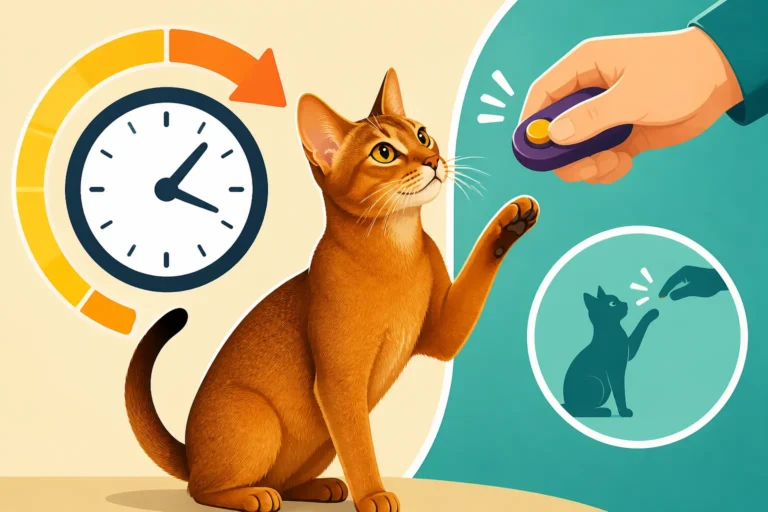
While tools and environmental setups are vital, nothing replaces human interaction for an Abyssinian. Your return home should signal a burst of attention and dedicated playtime. They've been waiting for you, and they need to feel that connection. Don't just collapse on the couch; engage with them fully. Use those wand toys, throw their favorite fuzzy mice, and let them chase and "kill" their prey. This isn't just about burning energy; it's about reinforcing your bond and reassuring them that they are a cherished part of your life. A relaxed evening of petting, gentle grooming, and perhaps some clicker training (which Abyssinians excel at) can round out their day, ensuring they feel loved and mentally satisfied. How Much Play an Abyssinian Needs Each Day cannot be overstated.
Overnight Stays and Weekend Trips
Leaving an Abyssinian alone overnight or for an entire weekend is a different challenge altogether. This duration pushes beyond what most Abyssinians can comfortably handle without direct human interaction. While it might seem convenient to simply leave extra food and water, it often leads to stress, boredom, and potential behavioral issues.
Evaluating the Risks of Extended Absence
The primary risk of leaving an Abyssinian alone for more than 24 hours is the lack of social interaction. These cats genuinely crave companionship and thrive on being part of your daily routine. An extended absence can lead to profound loneliness and anxiety. Beyond emotional well-being, there are practical concerns. Automatic feeders can malfunction, water bowls can be knocked over, and a clean litter box quickly becomes soiled, which can deter a fastidious Abyssinian from using it. If a medical emergency arises, like an unexpected illness or injury (which can be hidden by their stoic nature, as explored in Why a Lean Abyssinian Hides Illness Longer Than a Heavy Cat), there will be no one there to notice or intervene. The longer you're away, the greater the potential for problems, both minor and serious.
Professional Pet Sitters vs. Automated Solutions
For overnight or weekend absences, relying solely on automated solutions is generally not recommended for an Abyssinian. These are situations where human intervention becomes crucial. A professional pet sitter, whether they come to your home daily or board your cat, is often the best solution. They can provide not only food and water but also dedicated playtime, litter box cleaning, and critical observation of your cat's health and demeanor. A sitter can recognize if your Abyssinian is showing signs of distress or illness. Ask for references and ensure they are experienced with active, intelligent breeds like Abyssinians. They should understand that a quick "check-in" isn't enough; they need to engage.
Another option is to have a trusted friend or family member stay at your home or visit multiple times a day. Whichever route you choose, ensure the person understands the Abyssinian's unique needs for play and interaction. Whether a Sitter Beats Boarding for an Abyssinian is a crucial consideration, as many Abyssinians prefer the familiarity of their own home, even with a temporary caregiver.
Setting Up for Success with a Cat Sitter
If you opt for a pet sitter, proper preparation is paramount. Provide detailed instructions regarding feeding schedules, medication (if any), preferred play routines, and emergency contact information for your vet. Show them where all essential supplies are located – food, litter, toys, cleaning supplies. Consider leaving out a few special toys or treats that only come out when you're away, making the sitter's visit a more positive experience for your Abyssinian.
Create a clear "Abyssinian Checklist" for your sitter:
| Task | Frequency | Details |
|---|---|---|
| Feeding | 2-3 times/day | Specific food type, quantity, and time. Use puzzle feeders if provided. |
| Water | Daily | Refresh water bowls/fountain, ensure it's clean. |
| Litter Box Cleaning | 1-2 times/day | Scoop all boxes thoroughly. Replenish litter as needed. |
| Play Session | 2 times/day | At least 15-20 minutes of active wand toy play, chasing, fetching. |
| Observation | Each visit | Check for changes in appetite, litter box habits, energy levels, or any signs of illness. |
| Social Interaction | Each visit | Petting, talking, gentle grooming. |
| House Security | Daily | Ensure windows/doors are secure, check for any mischief or damage. |
Leave a list of your cat's quirks, like Why an Abyssinian Prefers the Highest Point in a Room, so the sitter understands their behavior. The more information you provide, the better equipped your sitter will be to keep your Abyssinian happy and safe.
The Case for a Companion: Why Two Might Be Better Than One
For many Abyssinian owners, the realization that their highly social cat struggles with solitude leads them to consider a second feline companion. This can be an incredibly effective solution, transforming a lonely, bored cat into a thriving, playful duo.
The Benefits of a Second Cat
Bringing a second cat into the household can profoundly change the dynamic for an Abyssinian. Another feline provides constant companionship, a playmate for those energetic bursts, and a warm body to curl up with during naps. Abyssinians often do exceptionally well with another cat, as they can channel their intense energy into chasing, wrestling, and mutual grooming, rather than focusing it all on their human companions (or the furniture!). This can significantly reduce instances of boredom-induced mischief and separation anxiety. When you're at work, they have each other, which can make those long hours feel much shorter and less lonely for both cats. It's truly a win-win situation for highly social breeds like the Abyssinian. Why a Second Cat Suits an Abyssinian is often the solution many owners find for their busy lifestyles.
Choosing the Right Companion
Not just any cat will do, however. When selecting a companion for your Abyssinian, consider another cat with a similar energy level and personality. Another Abyssinian or a breed known for its playful and social nature, like a Siamese or a Bengal, can be an excellent match. A very laid-back, shy cat might find an Abyssinian's relentless energy overwhelming, leading to stress for both felines. Look for a cat that enjoys interactive play and isn't overly territorial. Kittens can often adapt well to an adult Abyssinian's playful nature, but an adult rescue cat with a known history of getting along with other energetic felines can also be a wonderful choice. Spend time researching breeds or talking to rescue organizations about cats that would complement an Abyssinian's dynamic personality. Which Breeds Live Well With an Abyssinian provides more detailed recommendations.
Introducing a New Friend to Your Abyssinian
Introducing a new cat to your Abyssinian requires patience and a structured approach to ensure a smooth transition. Don't simply drop the new cat into the living room and hope for the best. Start with a slow, gradual introduction, keeping the new cat in a separate room initially. Allow them to get used to each other's scent under the door, then progress to supervised visual contact through a baby gate or screen. Short, positive interactions during mealtimes or play sessions can help them associate each other with good experiences. Always ensure both cats have their own food bowls, litter boxes (plus one extra!), and sleeping spots to prevent competition. It can take weeks, or even months, for cats to fully accept each other, but the long-term benefits of companionship for your Abyssinian are well worth the effort.
Recognizing Signs of Stress or Boredom
Even with the best intentions and preparations, Abyssinians can still experience stress or boredom when left alone. Being able to recognize these signs early is crucial for adjusting your care routine and ensuring their well-being. These aren't just "naughty" behaviors; they are communications from your cat.
Behavioral Red Flags
An Abyssinian experiencing stress or severe boredom will often exhibit changes in their usual behavior. One common sign is increased vocalization, either excessive meowing or crying when you return, or even seemingly random vocalizations during the day (which you might pick up on a pet camera). They might also become more clingy when you are home, following you even more closely than usual, as if to make up for lost time. Destructive behaviors such as scratching furniture, chewing on inappropriate items, or knocking things off shelves can also escalate. Furthermore, changes in litter box habits, like urinating or defecating outside the box, can be a clear indicator of stress or anxiety. It's important to rule out medical causes first, but if your vet gives a clean bill of health, consider boredom or anxiety as the culprit.
Physical Manifestations of Unhappiness
Sometimes, the signs of stress in an Abyssinian can be more subtle and even physical. Overgrooming, where a cat licks its fur excessively, can lead to bald patches or skin irritation, often seen on the belly, inner thighs, or flanks. This is a common self-soothing behavior in stressed cats. A noticeable change in appetite, either eating much more or much less than usual, can also be a red flag. While Abyssinians are typically very lean, sudden weight loss or gain should always prompt a vet visit. Lethargy or unusual quietness, which is very uncharacteristic for such an active breed, can also indicate underlying issues, whether behavioral or medical. Remember, Why a Suddenly Still Abyssinian Needs a Vet is an important piece of advice; these cats hide illness well.
When to Re-evaluate Your Approach
If you notice any of these behavioral or physical signs, it's time to re-evaluate how long your Abyssinian is being left alone and the enrichment they have during that time. Ask yourself:
- Are they getting enough intense playtime before and after you leave?
- Is their environment stimulating enough with varied toys, puzzle feeders, and vertical space?
- Have their social needs been adequately addressed, perhaps by considering a companion cat?
- Could a pet sitter for longer absences be a better option?
It's an ongoing process of observation and adjustment. What works for one Abyssinian might not work for another, and their needs can change over time. Being flexible and responsive to your cat's signals is the hallmark of a good Abyssinian owner. Sometimes, even small changes, like adding another climbing shelf or a new type of interactive toy found easily on Amazon, can make a significant difference in their overall happiness and well-being. Ultimately, their comfort and contentment should be the priority.
Disclaimer
This article is for general informational purposes only and does not constitute professional advice. Laws, prices and regulations vary by location and change over time. Consult a qualified professional for guidance on your specific situation.