Why an Abyssinian Kitten Needs an Early Vet Visit
Bringing home a new Abyssinian kitten is an incredibly exciting time, full of playful pounces and inquisitive chirps. But amidst all the joy, it's easy to overlook a crucial step: that very first vet visit. Many people assume a healthy kitten just needs its vaccinations and nothing more, but for a high-energy, unique breed like the Abyssinian, an early, thorough veterinary check-up is absolutely essential to lay the groundwork for a long, vibrant life. This guide will walk you through why that initial visit is far more than just a quick poke and prod, addressing the specific health considerations and behavioral traits of your new Abyssinian.
Why the Initial Vet Visit Sets the Stage for Abyssinian Health
That first trip to the vet with your new Abyssinian kitten isn't just a formality; it's a foundational step in their long-term wellness. Unlike some breeds, Abyssinians are known for their incredible energy and lean, athletic build, which can sometimes mask early signs of illness. Getting a professional baseline assessment early helps you and your vet understand your specific kitten's normal, making it much easier to spot when something is off down the line. It's about proactive care, not just reactive treatment.
Establishing a Health Baseline for a Unique Cat
Abyssinians are a special breed, with a slender, muscular body and a famously short, ticked coat. While they might seem robust, their energetic nature can often hide subtle discomfort. During this first visit, your veterinarian will conduct a comprehensive physical examination. This isn't just about checking a heartbeat; it's about looking at their gait, palpating their joints, assessing their dental health, and checking their overall body condition. Because Abyssinians are so active, even slight lameness from something like a developing patellar luxation might be missed by an untrained eye at home, but a vet will catch it. This initial visit also allows the vet to note any unique physical characteristics your kitten might have, providing a crucial point of reference for future check-ups. It's like taking a snapshot of their health at peak kittenhood, giving you a valuable comparison as they grow.
Beyond the physical exam, the vet will discuss your kitten's background. What was their environment like at the breeder's? What food were they eating? Are there any concerns you've noticed, even small ones? This conversation helps the vet build a complete picture. They'll also record your kitten's initial weight, which is incredibly important for this breed. Why an Abyssinian's Weight Loss Is Never Minor is a topic many owners discover too late, but by establishing a weight chart early, you create a baseline that allows for quick detection of any concerning drops later on. This thorough initial assessment is truly the first line of defense in maintaining your Abyssinian's unique health.
Early Detection of Abyssinian-Specific Vulnerabilities
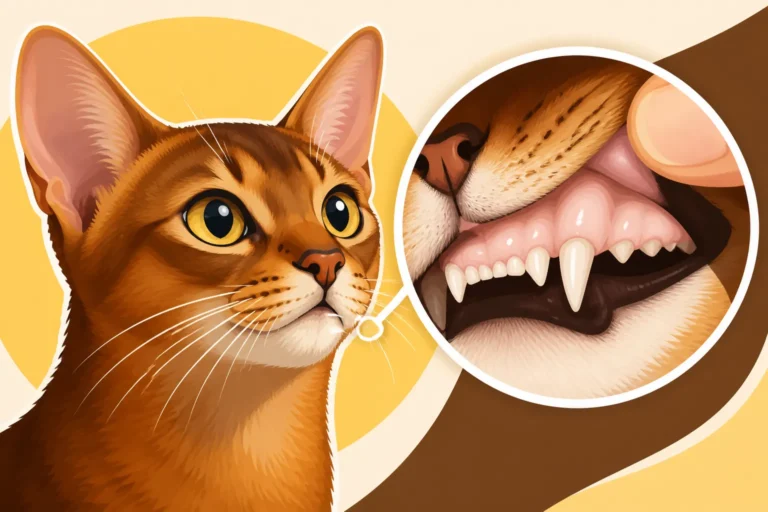
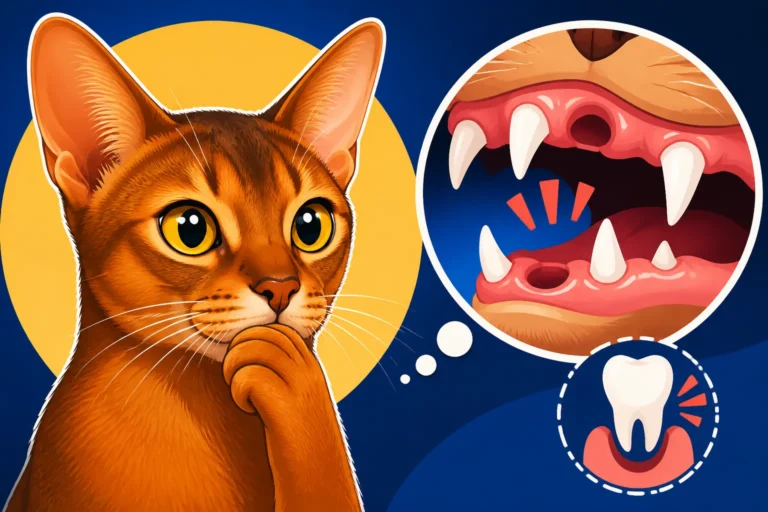
Abyssinians, while generally healthy, do have some predispositions that make early veterinary intervention and discussion paramount. One significant concern is juvenile gingivitis. Many Abyssinian owners are surprised when they learn that their kitten's gums can start causing trouble surprisingly early. Why an Abyssinian Kitten's Gums Fail at Six Months is a common frustration, and an early vet visit can help you understand what to look for and how to start preventative dental care right away. Your vet can show you how to check for early redness or swelling and discuss the importance of home dental hygiene, like brushing, from a young age. Catching this early can prevent more severe issues, like tooth resorption and extractions, down the road.
Another area of focus should be their musculoskeletal system. Abyssinians are incredible climbers and jumpers; they truly believe the top of the bookshelf is their rightful throne. This athleticism, while charming, can put strain on their joints. Patellar luxation, where the kneecap slips out of place, can affect active breeds. While often genetic, an early vet exam can sometimes detect subtle signs or confirm structural integrity, allowing you to discuss ways to support joint health, such as maintaining a lean body condition and providing safe climbing structures. The vet can also advise you on how to monitor your kitten for any signs of discomfort or changes in movement as they explore their new vertical world, which for an Abyssinian, is always a grand adventure.
Navigating Abyssinian Genetic Health with Your Vet
Genetic health is a huge topic for pedigree cats, and Abyssinians are no exception. Even if your breeder provided extensive documentation, that first vet visit is the perfect opportunity to review and understand these crucial test results. It's not about doubting your breeder, but about ensuring you, as the new owner, are fully informed and prepared. It also allows your vet to integrate this information into your kitten's ongoing care plan.
Confirming DNA Test Results and Understanding the Implications
Reputable Abyssinian breeders will conduct DNA tests for specific genetic conditions that are known in the breed. The most critical ones are Pyruvate Kinase Deficiency (PKD) and Progressive Retinal Atrophy (PRA-rdAc). Your vet visit is where you should present all the health certificates and discuss what they mean. Even if the results show your kitten is "clear," understanding these conditions is key to being a responsible owner. For example, Pyruvate Kinase Deficiency Is the Abyssinian's Best Known Test can lead to intermittent anemia, and knowing your cat's status helps you and your vet monitor for any subtle symptoms if they are a carrier or affected. Similarly, PRA-rdAc Takes an Abyssinian's Sight by Five, a condition that causes progressive blindness, needs to be understood. If your kitten is a carrier, or if there's any uncertainty, your vet can guide you on future monitoring.
Think of it this way: your breeder did their due diligence, and What an Abyssinian Breeder Should Have Tested Before You Buy is an excellent guide. But now that the kitten is in your care, you need to be equally informed. The vet can explain the difference between being a carrier and being affected, and what that means for your cat's long-term health. They can also advise on the importance of annual check-ups, even for healthy cats, to look for any emerging signs of issues that might be genetic or otherwise. It's a team effort, and your vet is a vital part of that team.
Discussing Renal Amyloidosis and Family Lines
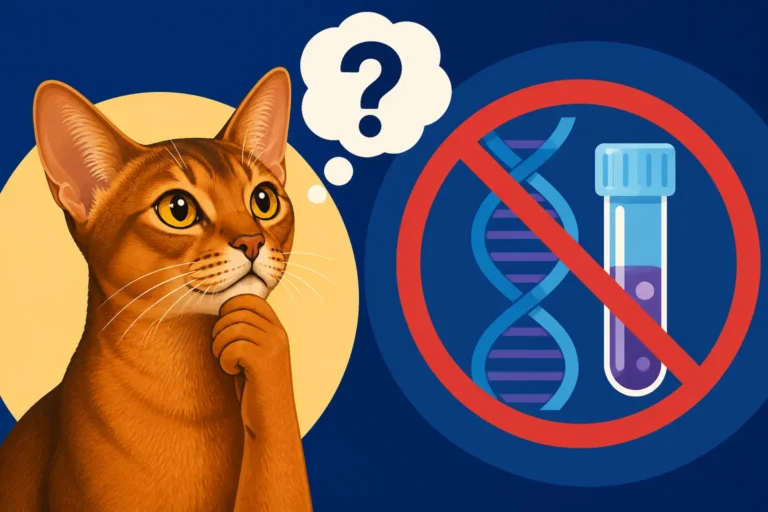
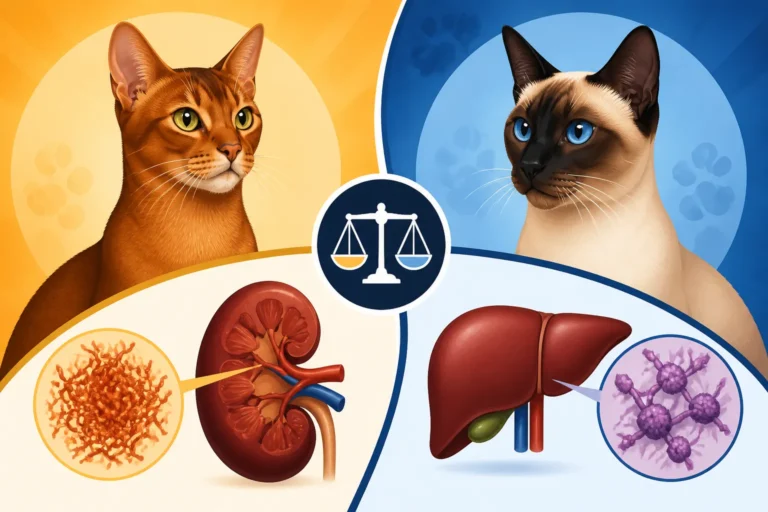
One of the most frustrating aspects of Abyssinian health is Renal Amyloidosis. Unlike PKD and PRA-rdAc, there is currently no direct DNA test for this devastating kidney disease. As such, Renal Amyloidosis Is the Abyssinian Problem Nobody Can Test For, which makes a thorough discussion of your kitten's lineage and family history with your vet incredibly important during that first visit. Your breeder should have provided detailed pedigree information and been transparent about any amyloidosis in the lines, and your vet can help you interpret this.
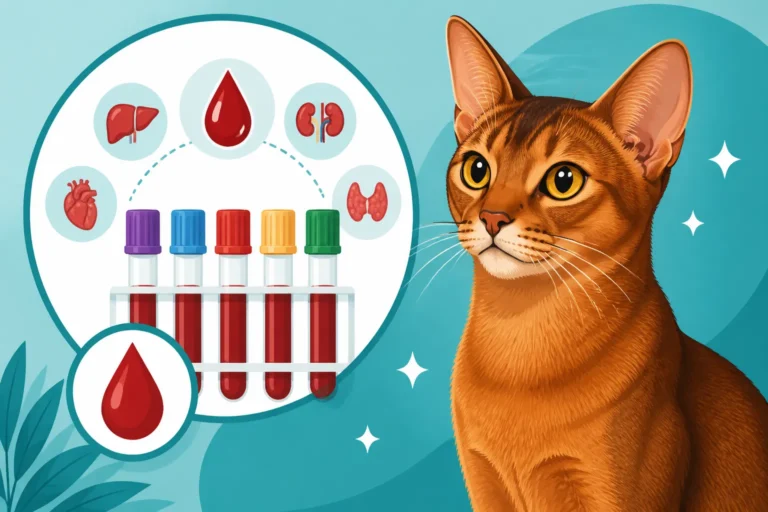
During the vet visit, you can review the kitten's pedigree together. The vet can then help you understand why this history is so crucial. While you can't test for it, knowing if there's a predisposition in the family tree means your vet can recommend early and proactive monitoring for kidney function later in life. This might involve blood tests like SDMA and regular urine analysis as your Abyssinian matures. While not a cure, early detection and management can significantly extend the lifespan and quality of life for cats with kidney issues. This highlights why The Abyssinian Has Three DNA Tests and One Disease With None is a key topic for any new owner, and your vet is the best person to help you navigate this complex area.
Laying the Groundwork for Lifelong Wellness and Behavioral Support
An early vet visit is not just about catching potential health problems; it's also about setting up a comprehensive plan for lifelong care. This includes everything from vaccination schedules to dietary advice and even behavioral guidance for this famously active breed. Proactive planning helps ensure your Abyssinian thrives in every aspect of their life.
Tailoring Vaccinations and Parasite Control
Your Abyssinian kitten will arrive with some initial vaccinations from the breeder, but that first vet visit is where you'll establish the ongoing schedule. Your veterinarian will assess your kitten's age, lifestyle (indoor-only, for example), and local disease risks to recommend a tailored vaccination protocol. This ensures they get necessary protection without over-vaccination. They'll also discuss parasite prevention, covering everything from fleas and ticks to internal parasites like worms. Even indoor cats can pick up parasites, so understanding the risks and preventive measures is essential.
This is also a great time to discuss broader preventative care. Many owners wonder How Much an Abyssinian's First Year Adds Up To, and while costs are a factor, preventative care often saves money in the long run. Your vet can outline routine check-ups, dental care schedules, and the importance of things like microchipping. You might also consider pet insurance at this early stage. Many providers, like Healthy Paws, emphasize signing up kittens young, before any pre-existing conditions can be noted, to ensure the broadest coverage for unexpected illnesses or accidents later on. Discussing these options with your vet can provide peace of mind and help you budget for your cat's future.
Nutritional Guidance for an Active Abyssinian
Abyssinians are like little athletes; they burn a lot of calories! Their constant motion and high energy levels mean they have unique nutritional requirements. During the first vet visit, your veterinarian can provide tailored advice on the best diet for your kitten. This includes discussing appropriate food types (wet vs. dry), portion sizes, and feeding schedules that support their rapid growth and sustained energy without leading to weight gain. Getting their diet right from the start is paramount, especially considering their predisposition to kidney issues.
Hydration is a particularly important topic for Abyssinians, especially in the context of their kidney health. Your vet can stress the importance of adequate water intake and may recommend incorporating plenty of wet food into their diet to help meet this need. They can also advise on optimal protein levels to support muscle development in such an active breed. It's not just about filling their bowl; it's about providing the right fuel for their boundless enthusiasm. Your vet can also help you understand how to monitor their body condition through their short coat, ensuring they maintain that ideal lean physique without being underweight.
Addressing Behavioral Traits and Enrichment Needs Early On
The Abyssinian's personality is as distinctive as its looks. They are known for being incredibly intelligent, curious, and perpetually in motion. This first vet visit is also an excellent opportunity to discuss these behavioral traits and how to best cater to them, ensuring a happy and well-adjusted kitten.
Understanding Abyssinian Energy and Enrichment Needs
If you've spent any time with an Abyssinian kitten, you'll know they have two speeds: fast and faster. They are not content to lounge all day, and this boundless energy needs an outlet. Your vet can help you understand the normal parameters of Abyssinian behavior and offer insights into how to provide appropriate enrichment. This includes discussing the importance of vertical space, as An Abyssinian Needs Height More Than It Needs Floor. Your vet can reinforce why cat trees, wall shelves, and other climbing opportunities are not luxuries but necessities for this breed to feel secure and stimulated.
You can also talk to your vet about typical kitten behaviors like rough play, exploring, and their intense curiosity. Knowing what's normal for the breed can help you differentiate between playful antics and potential behavioral concerns. For instance, Abyssinians often "redecorate" your home or investigate closed cabinets due to their intelligence and natural curiosity; Why an Abyssinian Opens Doors and Cabinets is a common lament among owners! Your vet can offer tips on safe outlets for this curiosity and how to kitten-proof your home effectively.
Proactive Approaches to Training and Socialization
Abyssinians are highly trainable, and starting early can make a huge difference in managing their spirited nature. During your vet visit, you can discuss early socialization techniques and positive reinforcement training methods. Your vet can offer advice on introducing your kitten to new sights, sounds, and people in a positive way, helping them grow into a confident and friendly adult. It's often said that Training an Abyssinian Is Easier Than Stopping It, and a vet can provide guidance on clicker training, leash training, or even teaching basic commands.
If you have other pets, such as dogs or other cats, the vet can also provide advice on safe and gradual introductions. Abyssinians often do well with other animals, especially those who can match their playful energy, but a controlled introduction is always best. Discussing these early behavioral strategies helps prevent common issues like destructive tendencies born out of boredom or anxiety, ensuring your Abyssinian integrates smoothly into your household and brings endless joy rather than chaos. The early vet visit is about more than just physical health; it's about nurturing the whole, vibrant Abyssinian.
| Key Topics for Your Abyssinian Kitten's First Vet Visit | Why It Matters for Abyssinians |
|---|---|
| Comprehensive Physical Exam | Establishes baseline health, checks for congenital issues (like patellar luxation), and tracks initial weight for a lean, active breed. |
| Review of Breeder Health Certificates | Confirms DNA test results for PK Deficiency and PRA-rdAc. Discusses family history for Renal Amyloidosis, which has no genetic test. Crucial for understanding breed predispositions. |
| Vaccination and Parasite Protocol | Tailors a vaccination schedule appropriate for their indoor-only lifestyle and discusses year-round parasite prevention, even for indoor cats. |
| Nutritional Assessment | Recommends diet and feeding schedule for high-energy needs, ensuring proper growth and supporting kidney health through hydration. |
| Dental Health Education | Addresses predisposition to juvenile gingivitis, teaching owners how to check gums and start preventative brushing early to avoid future issues. |
| Behavioral & Enrichment Needs Discussion | Provides guidance on managing high energy, intelligence, and curiosity, emphasizing the need for vertical space and appropriate mental stimulation to prevent destructive behaviors. |
| Pet Insurance Information | Discusses options like Healthy Paws to cover unexpected health issues or accidents, especially valuable for a breed with specific genetic considerations, with early enrollment often offering the best coverage. |
| Microchipping | Ensures your active, curious Abyssinian can be identified and returned if they ever manage an escape, which for a door-opening breed, is a real concern. |
Disclaimer
This article is for general informational purposes only and does not constitute professional advice. Laws, prices and regulations vary by location and change over time. Consult a qualified professional for guidance on your specific situation.