How Long an Abyssinian Lives After Amyloidosis Shows
Receiving a diagnosis of renal amyloidosis for your beloved Abyssinian can feel like a punch to the gut. It’s a devastating moment, often leaving you with a whirlwind of emotions and one overwhelming question: "How much time do I have left with my cherished cat?" This guide aims to tackle that heartbreaking uncertainty head-on, offering a realistic look at what to expect after an Abyssinian is diagnosed with amyloidosis, focusing on managing the disease and understanding the factors that influence their remaining time.
Understanding the Silent Threat: Renal Amyloidosis in Abyssinians
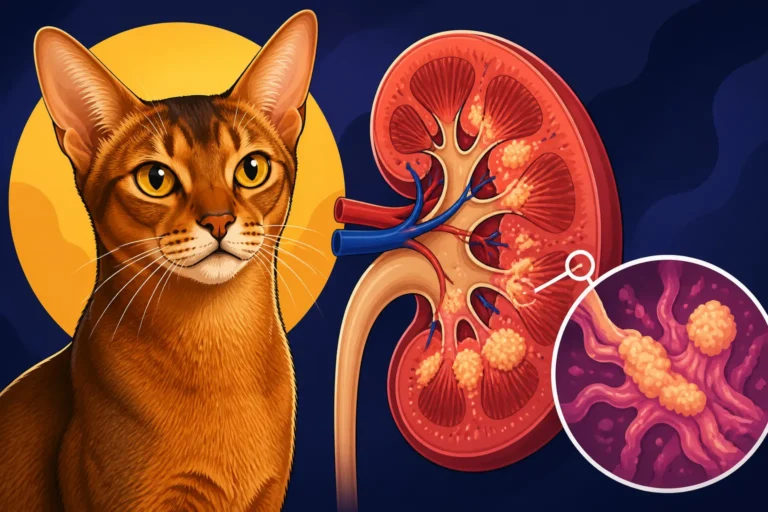
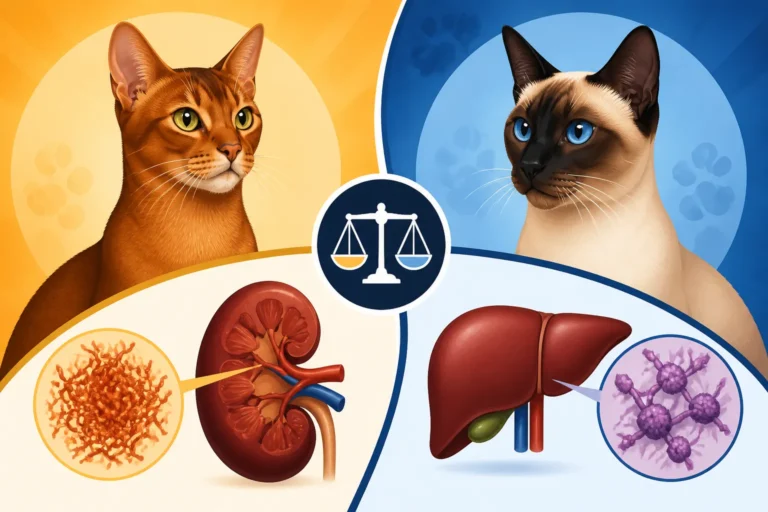
Renal amyloidosis is a particularly cruel disease, especially prevalent in our energetic Abyssinian friends. Unlike some other common feline kidney issues, this isn't just about aging kidneys; it's a specific condition where an abnormal protein, called amyloid, begins to deposit in the kidney tissue. This insidious protein gradually chokes off the normal function of the kidneys, leading to their progressive failure. It’s a genetic predisposition, unfortunately, making it a concern for Abyssinian owners and breeders alike. If you're wondering "What Amyloid Is and Why It Reaches Abyssinian Kidneys," it's essentially misfolded proteins that clump together, and in Abyssinians, they have a nasty habit of finding their way to the delicate filtration system of the kidneys.
The real frustration with Abyssinian amyloidosis is the lack of a definitive genetic test for breeding, unlike Pyruvate Kinase Deficiency or PRA. This means breeders have to rely heavily on tracking family history, which can be incredibly difficult and isn't always foolproof. This lack of a clear genetic marker is a huge hurdle for preventing the disease, and it's why we often hear, "Why No Gene Test Exists for Abyssinian Amyloidosis." It leaves owners and breeders feeling somewhat helpless against an invisible enemy.
The sad truth is that by the time an Abyssinian starts showing outward signs of kidney failure due to amyloidosis, the disease is often quite advanced. Our Abyssinians are masters of disguise when it comes to illness; their high energy and playful nature can mask significant problems for a long time. They're wired to keep moving, to keep playing, and that incredible stoicism means they'll often hide discomfort until they simply can't anymore. This makes early detection an immense challenge, and it's why this diagnosis hits so hard.
Catching the Unseen: Recognizing Symptoms and Diagnostics
One of the biggest heartaches of renal amyloidosis is how subtly it can begin. Abyssinians are such lean, active cats that even minor changes can be hard to spot. You might notice your cat seems a bit thirstier than usual, always hovering around the water bowl or even seeking out running water from a tap. This increased thirst, known as polydipsia, often goes hand-in-hand with increased urination (polyuria). If you find yourself thinking, "Why a Thirsty Young Abyssinian Is a Red Flag," you’re right to be concerned. These are often the first, very quiet whispers of kidney trouble.
Another common symptom, though often missed, is subtle weight loss. Abyssinians are naturally svelte, almost appearing to stand on their toes, and their short, close-lying coat doesn't add much bulk. This means that a loss of a few ounces can actually be significant, but it's easily dismissed as just being an active Abyssinian. However, "Why an Abyssinian's Weight Loss Is Never Minor" is a crucial point to remember. Any sustained, unexplained weight reduction warrants a vet visit.
When you finally bring your Abyssinian to the vet with these concerns, they'll likely run a comprehensive blood panel and urinalysis. While traditional kidney markers like creatinine can be elevated in kidney disease, a newer, more sensitive test called SDMA (Symmetric Dimethylarginine) can often detect kidney dysfunction much earlier – sometimes even before creatinine levels rise significantly. This is a game-changer because it offers a glimmer of hope for earlier intervention. We've learned so much about "Which Blood Values Catch an Abyssinian's Kidneys Early" in recent years, and SDMA is certainly at the forefront. A urinalysis might also reveal proteinuria, which is an excess of protein in the urine, another strong indicator of kidney damage, especially with amyloidosis. These tests, combined with a vet's clinical assessment, can lead to a diagnosis. It's truly devastating when we consider that "How Young an Abyssinian Can Lose Its Kidneys" can be surprisingly early, sometimes even before five years of age.
Managing the Disease and Supporting Your Abyssinian
Once renal amyloidosis is diagnosed, the focus shifts entirely to supportive care. There is no cure for this disease, but careful management can significantly improve your Abyssinian's quality of life and potentially extend their comfortable time with you. This is where a dedicated veterinary team, and sometimes financial planning through pet insurance like Healthy Paws, really become invaluable, as treatments can be ongoing and sometimes costly.
The cornerstone of managing kidney disease in cats, including amyloidosis, involves several key strategies:
- Dietary Management: Your vet will almost certainly recommend a prescription kidney-supportive diet. These diets are typically lower in protein (but still high quality), phosphorus, and sodium, designed to reduce the workload on the kidneys and slow the progression of the disease. While your Abyssinian might be picky, finding a palatable kidney diet is paramount.
- Fluid Therapy: Many Abyssinians with renal amyloidosis benefit greatly from subcutaneous (under the skin) fluid therapy at home. This helps combat dehydration, flush toxins from the body, and support overall kidney function. It might sound daunting at first, but with proper instruction from your vet, it becomes a routine that can make a huge difference in how your cat feels. We have excellent resources on "Whether Fluids at Home Help an Abyssinian" that can guide you through the process.
- Medications: Depending on your Abyssinian's specific symptoms and lab results, several medications might be prescribed. These can include:
- Phosphorus Binders: To reduce the absorption of phosphorus from food, as high phosphorus levels can worsen kidney disease.
- Blood Pressure Medication: High blood pressure (hypertension) is a common complication of kidney disease and can further damage the kidneys. Medications like amlodipine are often used.
- Anti-Nausea Medication: Cats with kidney disease often experience nausea, which can reduce their appetite. Medications like maropitant (Cerenia) can help.
- Appetite Stimulants: Sometimes, despite anti-nausea medication, appetite remains poor. Appetite stimulants like mirtazapine can be beneficial.
- Proteinuria Management: If your Abyssinian is losing excessive protein through their urine, medications like telmisartan might be used to help reduce this.
It's a lot to take in, and it often feels like a full-time job at first, especially when you're also dealing with the emotional weight of the diagnosis. But these interventions, outlined in guides like "How a Vet Manages an Abyssinian in Kidney Failure," are truly about extending comfort and maintaining your cat's sparkle for as long as possible.
Realistic Expectations: Lifespan After Diagnosis
Now, to the question that weighs most heavily: how long can an Abyssinian live after amyloidosis shows? This is the most challenging part to discuss because there is no single, easy answer. The prognosis varies widely depending on several critical factors, making each case unique.
Here's a breakdown of what influences the post-diagnosis lifespan:
- Stage of Diagnosis: This is arguably the most significant factor. If the disease is caught very early – perhaps through routine screening before clinical signs are obvious – and aggressive management is initiated, some Abyssinians might live for a year or even a bit longer with a good quality of life. However, if the disease is diagnosed when your Abyssinian is already showing severe symptoms, the prognosis is often measured in weeks to a few months.
- Severity of Amyloid Deposition: The extent to which amyloid has infiltrated and damaged the kidneys plays a crucial role. This isn't always fully quantifiable without biopsies, but blood and urine tests give a good indication of overall kidney function.
- Response to Treatment: How well your Abyssinian responds to the supportive therapies – dietary changes, fluids, and medications – will greatly impact their longevity and comfort. Some cats adjust well and regain much of their former zest for life, at least for a while. Others may struggle with appetite or side effects, making management more difficult.
- Presence of Other Health Issues: An Abyssinian dealing with amyloidosis alongside other age-related conditions or concurrent illnesses will naturally have a more guarded prognosis.
- Owner's Ability to Provide Intensive Care: Managing kidney disease, especially with home fluids and multiple medications, requires a significant time commitment and often financial resources. The ability to consistently provide this high level of care can directly influence how long and how comfortably your Abyssinian lives. This is another area where investing in pet insurance like Healthy Paws when your cat is young can offer immense peace of mind later on.
The Realistic Timeframe:
For many Abyssinians diagnosed with clinical signs of renal amyloidosis, the unfortunate reality is that the remaining lifespan is often several weeks to a few months. In cases where the disease is detected in a more moderate stage and managed diligently, some cats may live 6 to 12 months. Surviving beyond 18 months post-diagnosis is less common, but not impossible for those rare, very early detection cases that respond exceptionally well to therapy. It's a stark reminder of "What Kidney Failure Looks Like in a Young Abyssinian" and how quickly it can progress.
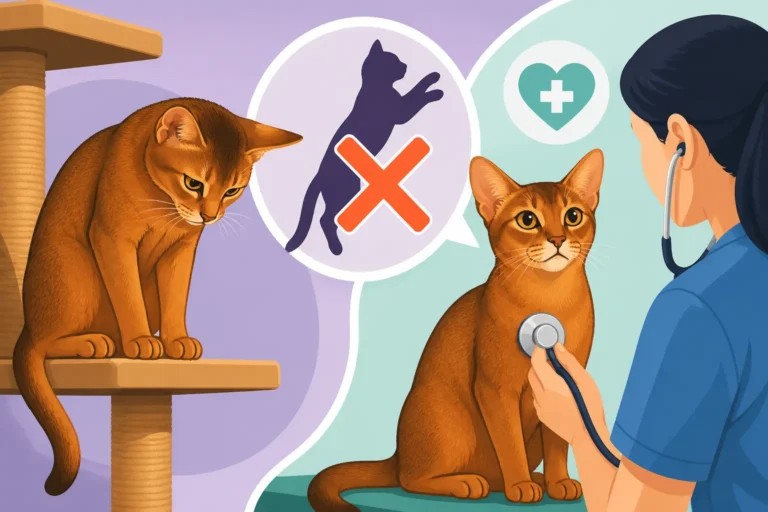
The goal isn't just about prolonging life, but about maintaining a good quality of life. You want your Abyssinian to still enjoy their favorite activities – climbing their cat tree, chasing wand toys, and chirping at the birds outside the window. As much as we wish for many more years, sometimes the kindest thing we can do is ensure their remaining time is filled with comfort and love, free from pain and distress.
Here's a summary table to help visualize the general prognosis:
| Factor Impacting Lifespan | Typical Range Post-Diagnosis | Key Considerations |
|---|---|---|
| Early Stage Diagnosis | 6 – 18+ months | Often detected via routine bloodwork (SDMA) before obvious symptoms. Requires aggressive, consistent management. |
| Moderate Stage Diagnosis | 3 – 6 months | Cat showing subtle signs (increased thirst, mild weight loss). Responds well to initial supportive care. |
| Advanced Stage Diagnosis | Weeks – 3 months | Cat showing significant symptoms (lethargy, vomiting, severe weight loss). Quality of life rapidly declines. |
| Response to Treatment | Varies greatly | Consistent fluid therapy, diet, and medication compliance are crucial. Individual variation in response. |
| Overall Health | Can shorten lifespan | Concurrent diseases (e.g., hyperthyroidism, dental issues) can complicate management and reduce prognosis. |
Remember, these are averages. Every Abyssinian is an individual, and the bond you share plays a huge role in how you navigate this journey together.
The Role of Responsible Breeding and Future Prevention
Given the genetic component of renal amyloidosis and the absence of a specific gene test, ethical breeders are truly on the front lines. They rely heavily on meticulous record-keeping and family history to try and reduce the incidence of this devastating disease. This practice of tracing back pedigrees is vital, as discussed in "Why Abyssinian Lines Are Judged on Family History Instead." Good breeders will openly discuss the health history of their lines, particularly any known cases of amyloidosis in parents, grandparents, and siblings of their breeding cats. It's a testament to their dedication to the breed's long-term health, even when the scientific tools aren't fully there yet.
As an owner, ensuring your Abyssinian has its regular veterinary check-ups is paramount, and discussing early screening options like SDMA blood tests with your vet can provide the earliest possible detection. While this diagnosis is always heartbreaking, being prepared and having a strong support system in place, both veterinary and emotional, makes all the difference for you and your beloved Abyssinian. Understanding their typical lifespan and the care they require is part of being a responsible Abyssinian owner, as highlighted in "How Long an Abyssinian Lives Against Other Shorthairs", but this particular disease adds a layer of complexity and sorrow.
Disclaimer
This article is for general informational purposes only and does not constitute professional advice. Laws, prices and regulations vary by location and change over time. Consult a qualified professional for guidance on your specific situation.