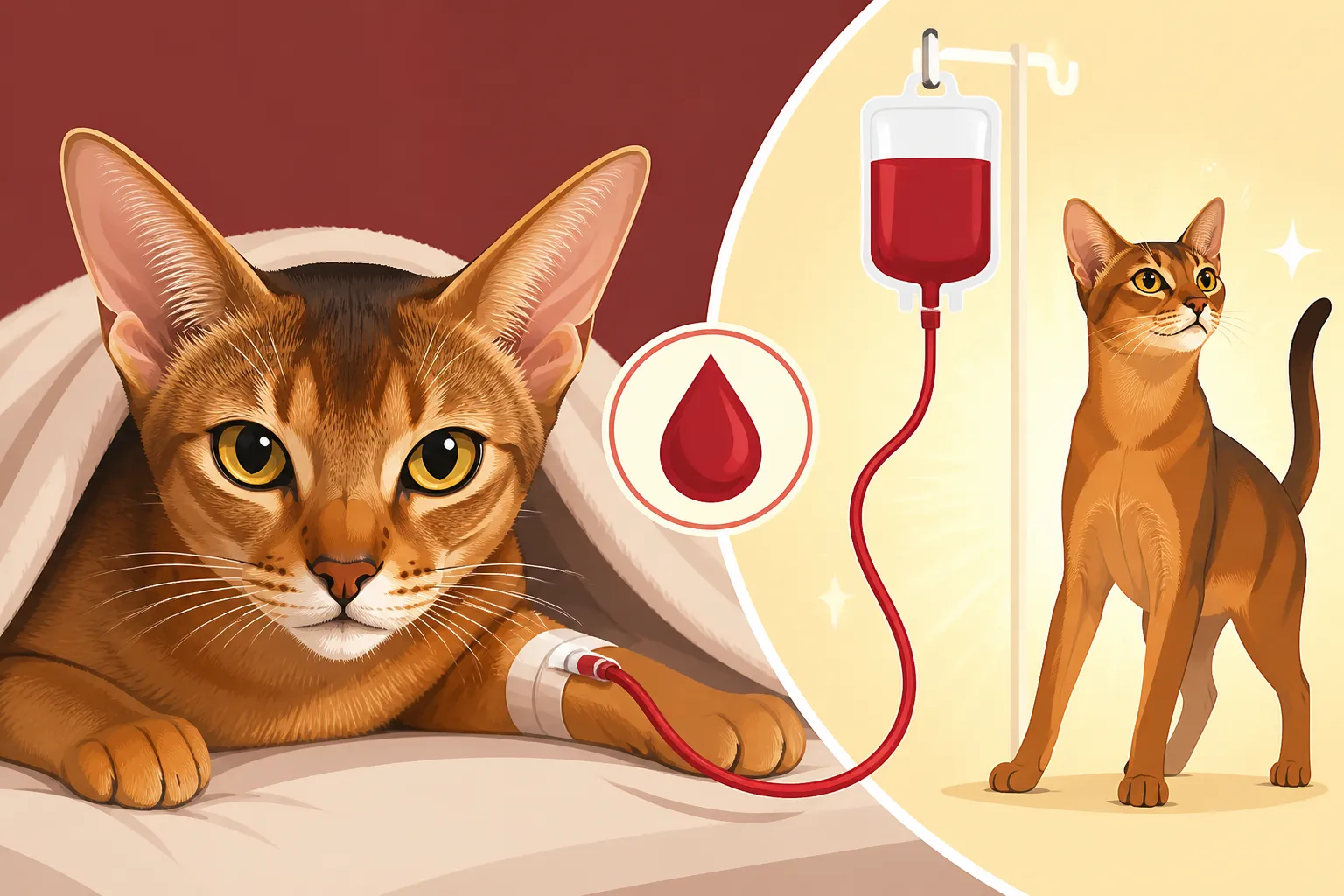
When an Anemic Abyssinian Needs a Transfusion
Watching your once-vibrant Abyssinian suddenly become listless, unusually quiet, or struggle with their breathing is one of the most terrifying moments any cat owner can experience. This dramatic shift often points to a severe health crisis: anemia, a condition where their body simply doesn't have enough healthy red blood cells to carry vital oxygen. This guide is here to help you understand the urgent signs of severe anemia in your Abyssinian, what might be causing it, and, most importantly, when your veterinary team might determine that a life-saving blood transfusion is absolutely necessary.
Decoding Anemia: What Happens in Your Abyssinian's Blood
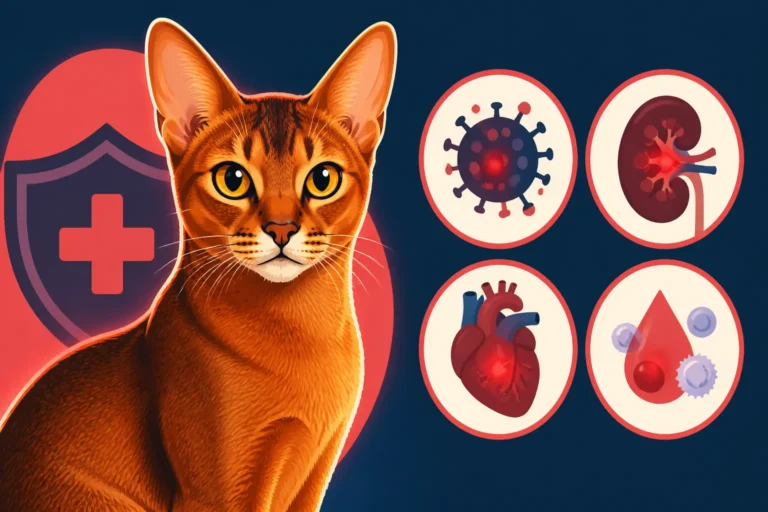
Anemia isn't a disease in itself, but rather a symptom, a red flag waving that something deeper is amiss within your beloved Abyssinian's system. Essentially, it means their red blood cell count, or the hemoglobin within those cells, is lower than it should be. Red blood cells are the unsung heroes of the circulatory system, tirelessly ferrying oxygen from the lungs to every tissue and organ, and then carrying carbon dioxide back for exhalation. When their numbers dwindle, every part of the body suffers from oxygen deprivation, leading to a cascade of concerning symptoms.
There are various ways an Abyssinian can become anemic, and identifying the root cause is crucial for effective treatment. Sometimes it's due to blood loss, from an injury or an internal bleed that you might not even be aware of. Other times, the problem lies in the bone marrow, the factory for new blood cells, which might not be producing enough of them. And then there are conditions where red blood cells are produced but are being destroyed faster than the body can replace them.
The Role of Genetic Conditions in Abyssinian Anemia
For Abyssinian owners, there's a particular shadow to be aware of: genetic predispositions. This breed, like many pedigreed cats, has certain inherited conditions that can manifest as anemia. One of the most prominent is Pyruvate Kinase Deficiency, often abbreviated as PK deficiency. This is a cruel genetic disorder where red blood cells lack a crucial enzyme needed for energy production, causing them to break down prematurely. You can learn more about What PK Deficiency Does to an Abyssinian's Red Cells. Cats with this condition might experience what we call What Intermittent Anemia Looks Like in an Abyssinian, meaning their symptoms can wax and wane, making it even harder to catch early without proper testing.
If you have a young Abyssinian or one with a mysterious recurring anemia, genetic testing is absolutely paramount. Knowing your cat's genetic status can help your vet formulate a much more targeted and effective treatment plan. It’s important to note that even carriers, while usually asymptomatic themselves, can pass this gene onto their offspring, which is why reputable breeders test their lines diligently.
Common Signs Your Abyssinian Might Be Anemic
Recognizing the signs of anemia early can literally mean the difference between life and death. Your Abyssinian, known for their boundless energy and playful antics, might suddenly seem like a different cat. They may lose interest in their favorite wand toy or forgo their usual zoomies around the house.
Here are some tell-tale signs to watch for:
- Lethargy and Weakness: This is usually the first and most obvious sign. Your cat just isn't themselves; they're sleeping more, moving less, and seem to have no energy for their usual activities.
- Pale Gums: This is a critical visual cue. Gently lift your Abyssinian's lip and check their gums. Healthy gums should be a vibrant bubblegum pink. If they are pale pink, almost white, or even bluish-tinged, it's a huge red flag indicating poor blood circulation and lack of oxygen. Don't delay—get to the vet immediately if you notice How Pale Gums Show Up on an Abyssinian.
- Increased Respiratory Rate or Difficulty Breathing: Your cat might be breathing faster than usual, even when resting. You might notice shallow, rapid breaths, or they might seem to be struggling to get enough air. Their heart might also be working harder, leading to a faster heart rate.
- Loss of Appetite: Anemic cats often feel unwell and may refuse to eat, exacerbating their weakness.
- Weight Loss: Chronic or severe anemia can lead to noticeable weight loss over time. Keep an eye on Why an Abyssinian's Weight Loss Is Never Minor, as these cats tend to be lean by nature, making weight changes more subtle but significant.
- Changes in Stool or Urine: If blood loss is the cause, you might see dark, tarry stools (melena) from digested blood, or red-tinged urine if red blood cells are breaking down rapidly.
If you observe any combination of these symptoms, especially pale gums and profound lethargy, consider it an emergency. Why a Lethargic Abyssinian Needs Blood Work Fast is not just a suggestion, it's a mandate for prompt veterinary care.
Assessing the Severity: When Anemia Becomes Critical
When you bring your anemic Abyssinian to the vet, the immediate priority is to assess the severity of their condition and stabilize them. This isn't just about noting symptoms; it's about getting concrete numbers from diagnostic tests that quantify just how critical the situation is.
Veterinary Diagnosis: The Packed Cell Volume (PCV)
The cornerstone of diagnosing and assessing anemia is a simple yet incredibly powerful test called the Packed Cell Volume, or PCV. This test measures the percentage of red blood cells in your cat's total blood volume. A small blood sample is spun in a centrifuge, separating the red cells from the plasma. The red cell layer at the bottom is then measured against the total volume.
Here's a general guideline for interpreting PCV levels in cats:
| PCV Range (Percentage) | Severity Level | Typical Clinical Signs | Immediate Actions |
|---|---|---|---|
| 30-45% | Normal | Energetic, healthy, pink gums | No specific action for anemia |
| 20-29% | Mild to Moderate Anemia | Slight lethargy, subtle paleness, decreased endurance | Investigate underlying cause, supportive care, monitor |
| 15-19% | Moderate to Severe Anemia | Pronounced lethargy, pale gums, increased breathing/heart rate | Aggressive diagnostic workup, IV fluids, oxygen, prepare for potential transfusion |
| Below 15% | Critical Anemia | Extreme weakness, white gums, panting, collapse, potentially life-threatening | Emergency transfusion highly likely, intensive care, immediate stabilization, find donor |
A normal PCV for a cat typically falls between 30% and 45%. If your Abyssinian's PCV dips below 20%, their situation is considered serious. Below 15%, it's critical, and below 10-12%, a blood transfusion becomes an urgent, often life-saving necessity. These thresholds can vary slightly based on the individual cat and the veterinarian's clinical judgment, but they serve as crucial benchmarks.
Beyond PCV: Other Vital Signs and Diagnostics
While PCV is vital, your vet will also perform a comprehensive physical exam and other diagnostic tests to get a full picture. This includes checking heart rate, respiratory rate, temperature, and capillary refill time (how quickly color returns to the gums after gentle pressure). They'll also run a complete blood count (CBC) to look at other blood cell types and a blood smear to examine the red cells themselves for abnormalities.
Additional tests might include:
- Biochemistry Panel: To assess organ function, especially kidneys and liver, as issues here can indirectly contribute to anemia. Which Blood Values Catch an Abyssinian's Kidneys Early can be critical, as kidney disease is another concern for Abyssinians.
- Urinalysis: To check for blood in the urine or other kidney issues.
- Fecal Exam: To rule out internal parasites causing blood loss.
- Coagulation Profile: If blood clotting issues are suspected.
- Imaging (X-rays, Ultrasound): To look for internal bleeding, tumors, or organ damage.
- Bone Marrow Biopsy: In some cases, to investigate problems with red blood cell production.
- Specific Disease Tests: Such as testing for Feline Leukemia Virus (FeLV), Feline Immunodeficiency Virus (FIV), or genetic tests for conditions like PK deficiency.
The goal is always to find the why behind the anemia. Treating the anemia itself with a transfusion is a supportive measure, but finding and addressing the underlying cause is what offers the best long-term prognosis.
The Lifeline: Deciding on a Blood Transfusion for Your Abyssinian
When your Abyssinian is severely anemic, a blood transfusion is not a cure, but rather a critical supportive therapy designed to buy time. It provides a temporary boost of healthy red blood cells, immediately increasing the oxygen-carrying capacity of their blood, giving their body a chance to stabilize while the veterinary team works to diagnose and treat the root cause of the anemia.
Criteria for Transfusion: When Is It Absolutely Needed?
The decision to transfuse is never taken lightly and is based on a combination of factors:
- PCV Levels: As discussed, a PCV consistently below 15-20% is a strong indicator.
- Clinical Signs: Regardless of the exact PCV number, if your Abyssinian is showing severe clinical signs like extreme weakness, collapse, difficulty breathing, or their heart is struggling (tachycardia, murmurs), a transfusion is likely warranted. Your vet will assess the overall condition; a cat with a PCV of 18% but still somewhat stable might be monitored, whereas a cat at 20% but rapidly deteriorating would certainly be considered for transfusion.
- Rate of Decline: If the PCV is dropping rapidly, even if not yet critically low, it indicates an ongoing problem (like severe internal bleeding or rapid red cell destruction) that needs immediate intervention.
- Anticipated Blood Loss: In some situations, like preparing for major surgery where significant blood loss is expected, a transfusion might be given proactively to a moderately anemic cat.
- Failure to Respond to Other Treatments: If initial treatments for the underlying cause aren't improving the anemia quickly enough, a transfusion can provide the necessary bridge.
It's a balance between the risks of transfusion (which are generally low but present) and the immediate life-threatening danger of severe anemia. Your vet will discuss all these considerations with you.
The Transfusion Process: What to Expect
Once the decision is made, your veterinary team will swiftly get to work.
- Blood Typing and Cross-Matching: Just like in humans, cats have blood types. The most common are A, B, and AB. It's crucial to identify your Abyssinian's blood type and, ideally, cross-match their blood with the donor blood to ensure compatibility. This minimizes the risk of a severe immune reaction. While sometimes, in dire emergencies, type A blood (which is common) might be given without full cross-matching, it's always safer to match.
- Finding a Donor: Veterinary clinics often have a list of pre-screened donor cats, sometimes staff pets or a dedicated blood bank. These donors are typically large, healthy cats, usually domestic shorthairs, that are regularly tested for infectious diseases and are fully vaccinated. They might also source blood from a larger animal blood bank.
- Administering the Transfusion: The donor blood, usually packed red blood cells or whole blood, is given intravenously, similar to an IV fluid drip. The process is slow and carefully monitored, usually taking a few hours. Your Abyssinian will be closely watched for any signs of a reaction, such as vomiting, hives, fever, or difficulty breathing.
- Post-Transfusion Monitoring: After the transfusion, your Abyssinian will continue to be monitored in intensive care. Their PCV will be re-checked to see if it has improved, and vital signs will be closely observed. The effects of a transfusion are temporary; red blood cells from a donor typically last a few weeks. This emphasizes the need to continue addressing the underlying cause.
The cost of emergency veterinary care, including blood transfusions, can be a major stressor for pet parents. This is where having pet insurance like Healthy Paws can truly be a lifesaver, helping to cover a significant portion of these unexpected, high-cost treatments. It's wise to consider insurance early on, especially for an active and curious breed like the Abyssinian.
Beyond the Transfusion: Supporting Your Abyssinian's Recovery and Health
A successful blood transfusion is a huge step, but it's just the beginning of your Abyssinian's recovery journey. The immediate goal is stabilization, but the long-term outlook hinges on managing the underlying cause of the anemia.
Immediate Post-Transfusion Care and Monitoring
Once your Abyssinian has received a transfusion and their PCV has improved, they will still need intensive care. This often includes:
- Continued Hospitalization: They will likely remain hospitalized for several days for close monitoring.
- Fluid Therapy: Intravenous fluids might still be necessary to maintain hydration and support organ function.
- Oxygen Therapy: If they were struggling to breathe, oxygen might be continued to aid recovery.
- Medication: Depending on the underlying cause, your vet might prescribe medications such as corticosteroids (for immune-mediated hemolytic anemia), antibiotics (for infections), or specific treatments for kidney disease or other conditions.
- Nutritional Support: Ensuring your Abyssinian eats is vital. If they're not eating on their own, your vet might use appetite stimulants or even a feeding tube temporarily.
It’s a worrying time, but remember that the vet staff are highly trained to monitor for any complications and adjust treatment as needed.
Managing the Underlying Cause for Long-Term Health
The real work, and the key to preventing future anemic crises, lies in treating the primary condition that caused the anemia.
- PK Deficiency Management: If PK deficiency is the cause, there is no cure, but managing the symptoms is possible. This might include regular veterinary check-ups to monitor blood counts, a careful diet, and sometimes medications to support red blood cell production. In some severe, recurring cases, a splenectomy (surgical removal of the spleen) might be considered, as the spleen is where many abnormal red blood cells are destroyed. You can read more about How a Splenectomy Helps an Anemic Abyssinian. While an Abyssinian with PK deficiency can live normally, it requires diligent care.
- Kidney Disease: Chronic kidney disease is another potential culprit for anemia because the kidneys produce erythropoietin, a hormone that stimulates red blood cell production. If kidney disease is diagnosed, managing it through specialized diets, medications, and fluid therapy is crucial. For more on this, check out How a Vet Manages an Abyssinian in Kidney Failure.
- Autoimmune Diseases: If the immune system is mistakenly attacking and destroying red blood cells (immune-mediated hemolytic anemia), immunosuppressive drugs are used.
- Infections or Toxins: Identifying and eliminating infectious agents or removing exposure to toxins is paramount.
Long-term care for an Abyssinian who has experienced severe anemia requires a dedicated partnership with your veterinarian. This might involve regular blood work to monitor PCV and other values, dietary adjustments, and ongoing medication. It's an investment of time and love, but seeing your Abyssinian reclaim their zest for life makes it all worthwhile. Don't forget, managing these chronic conditions can also add up financially, making a robust pet insurance plan like those offered by Healthy Paws a practical consideration for any Abyssinian owner.
Remember, your Abyssinian is a master at hiding pain and illness, which is why even subtle changes in their behavior or energy levels should prompt a call to your vet. They rely on you to be their advocate.
Disclaimer
This article is intended for informational purposes only and does not constitute medical advice. Always consult with a qualified veterinarian for any health concerns or before making any decisions about your pet's medical care.