Why PK Deficiency Reaches Somalis and Abyssinians Alike
It can be incredibly confusing and even frustrating when you’re researching health concerns for your beloved Abyssinian or Somali cat, only to find the same genetic condition, like Pyruvate Kinase Deficiency (PK Deficiency), popping up for both breeds. You might wonder if it’s a mistake, or if these two distinct-looking breeds are more intertwined than you first thought. This guide aims to clear up that mystery, explaining exactly why PK Deficiency is a shared concern and what it means for owners and breeders alike.
Understanding Pyruvate Kinase Deficiency in Felines
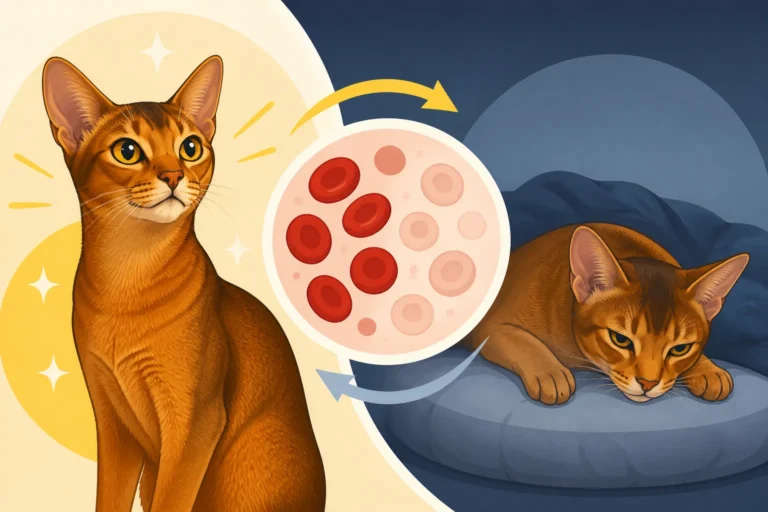
Pyruvate Kinase Deficiency is a serious hereditary metabolic disorder that affects a cat's red blood cells. Essentially, a defective enzyme, pyruvate kinase, is unable to perform its crucial role in the red blood cells' energy production cycle. Without this enzyme functioning correctly, red blood cells become fragile and break down prematurely, leading to a type of anemia known as hemolytic anemia.
What PK Deficiency Does to a Cat's Red Blood Cells
Imagine your cat's red blood cells as tiny, resilient vehicles delivering oxygen throughout their body. In a cat with PK Deficiency, these vehicles are poorly constructed. They can't maintain their structure or function properly, leading to a significantly shortened lifespan compared to healthy red blood cells. This constant destruction means the body is perpetually trying to replace them, often leading to a chronic, yet intermittent, anemia. You might notice your cat seems fine one day, full of boundless energy, then suddenly lethargic and pale the next. This waxing and waning of symptoms, often described as intermittent anemia, is a hallmark of the disease. Over time, the constant demand on the bone marrow can lead to exhaustion, and the spleen and liver may enlarge as they try to filter out the damaged cells. It's a relentless battle for their bodies. For more depth on the specific impact, you can read about What PK Deficiency Does to an Abyssinian's Red Cells.
The Recessive Inheritance Pattern of PK Deficiency
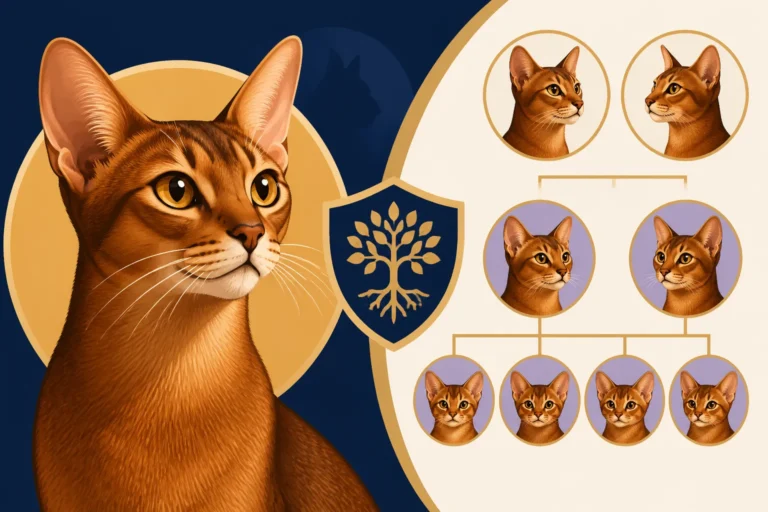
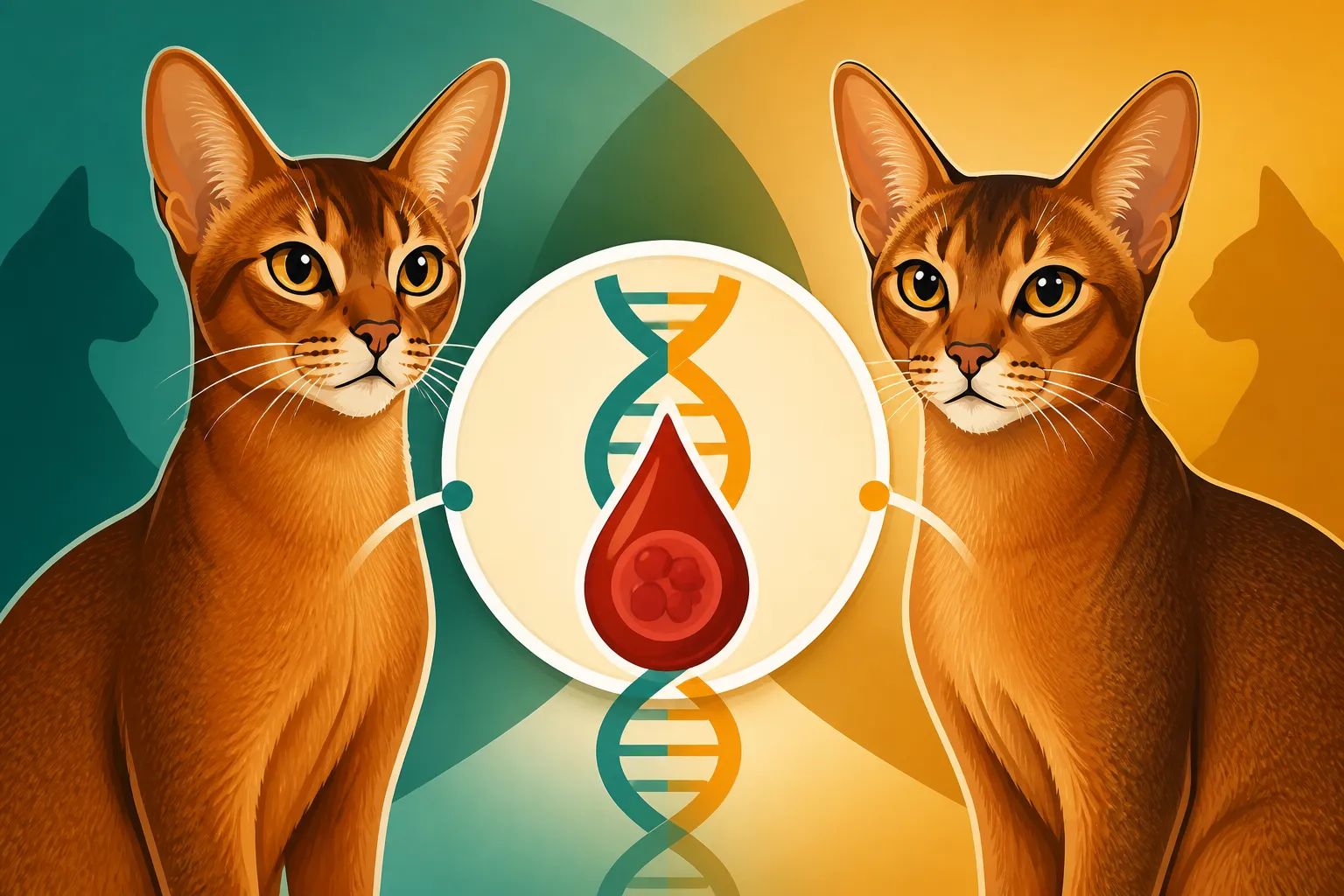
The way PK Deficiency is passed down through generations is a critical piece of the puzzle. It follows an autosomal recessive inheritance pattern. What does this mean in plain English? It means a cat needs to inherit two copies of the defective gene – one from each parent – to actually develop the disease. If a cat inherits only one copy of the defective gene and one normal copy, they become a "carrier." Carriers typically show no symptoms of PK Deficiency themselves, living perfectly normal, healthy lives. However, they carry the potential to pass that single defective gene to their offspring. This is a huge factor in why the disease can persist silently in breeding lines for years, only surfacing when two unsuspecting carriers are bred together. Understanding How a Carrier Abyssinian Differs From an Affected One is crucial for managing the health of these breeds.
The Genetic Link and Shared History
The most fundamental reason why Pyruvate Kinase Deficiency affects both Abyssinians and Somalis stems from their incredibly close genetic relationship. These aren't just two breeds that happen to share a similar look; they are, in essence, two sides of the same genetic coin.
The Somali's Abyssinian Roots
If you've ever wondered how the beautiful, long-haired Somali breed came to be, you're looking directly at the Abyssinian's family tree. Somalis are, quite simply, long-haired Abyssinians. The long hair gene is a recessive trait, meaning it can be carried silently through generations in Abyssinian lines without ever showing up. Occasionally, an Abyssinian queen and stud, both carrying the long hair gene, would produce long-haired kittens in an otherwise Abyssinian litter. For many years, these long-haired kittens were simply seen as "mistakes" or "throwbacks" and were often rehomed as pets without being registered as Abyssinians. However, some dedicated breeders saw their unique beauty and decided to selectively breed them, eventually establishing the Somali breed. This shared origin means they share a common gene pool, including any genetic mutations present in those foundational Abyssinian lines.
How the PKLR Mutation Spread Through Ancestral Lines
Given that Somalis emerged directly from Abyssinian lines, it makes perfect sense that they would carry the same genetic predispositions. The specific mutation in the PKLR gene responsible for PK Deficiency was already present in the ancestral Abyssinian population before the long-haired variant was selectively bred into what we now know as the Somali. When these long-haired "Abyssinian" kittens were separated and developed into their own breed, they naturally carried these genes with them. This isn't a case of the disease mutating independently in two different breeds; it's a shared legacy from their common ancestors. It’s why you'll see the same genetic tests recommended for both. The prevalence of this particular mutation is significant, and it’s important to understand How the PKLR Mutation Reaches an Abyssinian and consequently, a Somali.
Prevalence and the Importance of Genetic Testing
Because of this shared genetic heritage, the prevalence of the PK Deficiency gene can be quite similar across both breeds. This underscores why genetic testing is not just a recommendation but an absolute necessity for any responsible breeder of Abyssinians or Somalis.
High Carrier Rates and Silent Spread
Studies and genetic testing databases have revealed that carrier rates for the PKLR mutation can be surprisingly high in both Abyssinian and Somali populations. This high carrier rate is precisely what allows the gene to persist. Since carriers don't show any signs of illness, they can be bred for generations, unknowingly passing on the defective gene. It's only when two carriers are bred together that there's a 25% chance in each litter of producing an affected kitten, a 50% chance of producing carriers, and a 25% chance of producing clear, non-carrier kittens. This silent spread is why testing is so vital; you simply cannot tell if a cat is a carrier just by looking at them or observing their health. This also explains Why Abyssinian Carrier Rates for PK Are So High.
The Value of a Comprehensive DNA Panel
Thankfully, modern veterinary science offers a straightforward and reliable genetic test for PK Deficiency. A simple cheek swab can determine if a cat is clear (no copies of the gene), a carrier (one copy), or affected (two copies). This test is usually part of a comprehensive DNA panel, often encompassing other conditions relevant to the breed, such as PRA-rdAc. Knowing a cat's PK status allows breeders to make informed decisions to prevent the birth of affected kittens. Many reputable breeders will perform these tests as part of their standard practice. If you're looking for a kitten, always ask about the parents' genetic test results; this is a critical part of What an Abyssinian Breeder Should Have Tested Before You Buy. Reputable breeders ensure that How the Abyssinian's DNA Panel Is Ordered is transparent and readily available to prospective owners.
Living with and Preventing PK Deficiency
For owners, understanding PK Deficiency is key to providing the best care for their cats. For breeders, it's about making ethical choices that improve the overall health of the breed.
Recognizing Symptoms and Seeking Veterinary Care
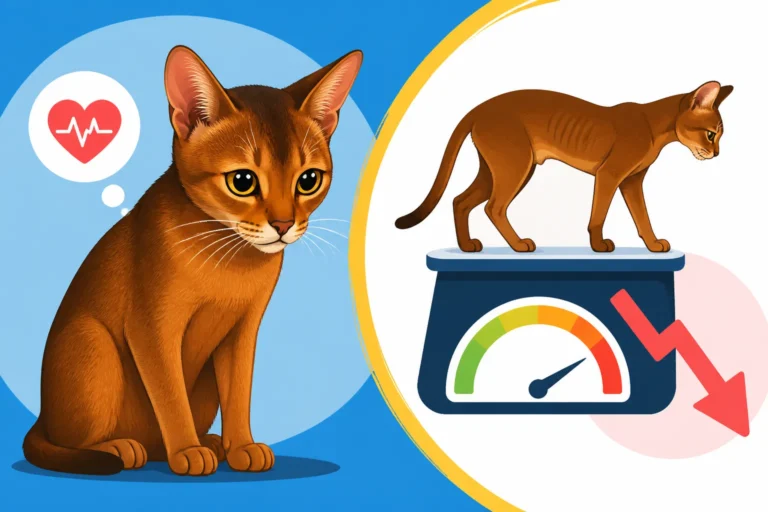
Even with careful breeding, sometimes an affected kitten is born. The symptoms of PK Deficiency can vary greatly in severity and onset. Some cats might show signs of anemia as early as kittenhood, while others might not exhibit clinical signs until they are several years old. Common indicators include lethargy, weakness, pale gums, weight loss, an enlarged abdomen due to an enlarged spleen, and even jaundice. If you notice any of these signs in your Abyssinian or Somali, it's crucial to seek veterinary attention immediately. Early diagnosis can help manage the condition and improve their quality of life. For instance, knowing What Intermittent Anemia Looks Like in an Abyssinian can help you be proactive. Pet insurance providers like Healthy Paws can be a lifesaver in these situations, helping to cover the costs of diagnostics and ongoing care.
Responsible Breeding Practices
Preventing PK Deficiency in future generations is largely in the hands of responsible breeders. The golden rule is simple: never breed two carriers together. By testing all breeding cats and only pairing clear cats with carriers (ensuring at least one parent is clear), or better yet, breeding clear cats with other clear cats, breeders can gradually reduce the prevalence of the gene in their lines. This commitment helps ensure that Abyssinians and Somalis continue to thrive as healthy, vibrant companions. This kind of responsible practice is why we emphasize Why Two Carrier Abyssinians Should Never Be Bred.
Here’s a simplified breakdown of breeding outcomes:
| Parent 1 Status | Parent 2 Status | Offspring Probabilities (PK Deficiency) |
|---|---|---|
| Clear (N/N) | Clear (N/N) | 100% Clear (N/N) |
| Clear (N/N) | Carrier (N/PK) | 50% Clear (N/N), 50% Carrier (N/PK) |
| Carrier (N/PK) | Carrier (N/PK) | 25% Clear (N/N), 50% Carrier (N/PK), 25% Affected (PK/PK) |
| Clear (N/N) | Affected (PK/PK) | 100% Carrier (N/PK) |
| Carrier (N/PK) | Affected (PK/PK) | 50% Carrier (N/PK), 50% Affected (PK/PK) |
| Affected (PK/PK) | Affected (PK/PK) | 100% Affected (PK/PK) |
N = Normal gene, PK = Pyruvate Kinase Deficiency gene
Supportive Care for Affected Cats
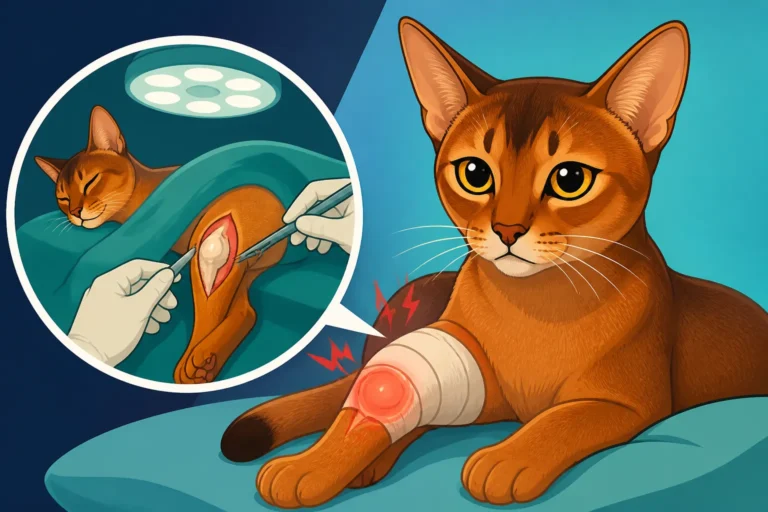
For an Abyssinian or Somali diagnosed with PK Deficiency, life can still be rich and fulfilling, though it often requires careful management. Veterinary care typically focuses on supportive measures during anemic crises, which might include blood transfusions in severe cases, or medications to stimulate red blood cell production. Sometimes, a splenectomy (removal of the spleen) is considered, as the spleen is a major site of red blood cell destruction. However, this is a significant surgical procedure and not a cure. Regular monitoring by a vet is essential. Owners can also help by minimizing stress, providing a high-quality diet, and ensuring access to fresh water to support overall health. Investing in pet insurance from companies like Healthy Paws early on can provide peace of mind, knowing that you're prepared for potential treatments and long-term care costs, ensuring your furry friend gets the care they deserve. It's often asked Whether an Abyssinian With PK Deficiency Can Live Normally, and with proper care, many can lead happy lives.
The connection between the Abyssinian and Somali breeds is a beautiful testament to genetics and selective breeding, but it also means they share vulnerabilities. PK Deficiency is a prime example of this shared genetic journey. By understanding its origins, testing for the gene, and providing diligent care, we can continue to ensure the health and longevity of both these magnificent breeds. Responsible pet ownership and breeding are about embracing these facts and working with them, not against them. Healthy Paws can offer great support for managing the unexpected health needs of your cat throughout their life.
Disclaimer
Please remember that the information provided in this article is intended for general educational purposes only and should not be considered a substitute for professional veterinary advice. Always consult with a qualified veterinarian for any health concerns or before making any decisions related to your pet's care.