Why Abyssinian Dental Care Is a Yearly Budget Line
It’s a scenario many cat parents dread: you take your beloved Abyssinian in for their annual check-up, perhaps noticing a bit of bad breath, and suddenly, the vet is talking about dental X-rays, scaling, polishing, and potential extractions. For Abyssinian owners, this isn't just a possibility; it's practically a guarantee that dental care will be a regular, significant line item in your yearly budget. These active, engaging cats are unfortunately prone to specific oral health issues that demand consistent professional attention.
Understanding the Unique Dental Challenges for Abyssinians
Abyssinians, with their lean builds and boundless energy, might seem robust, but their oral health can be surprisingly delicate. They're often predisposed to certain conditions that require vigilance and regular intervention, making comprehensive dental care a non-negotiable part of their well-being. It’s not just about fresh breath; it’s about preventing pain, infection, and systemic health problems.
Juvenile Gingivitis and Periodontal Disease
One of the most common and often heartbreaking issues we see in Abyssinians, particularly young ones, is juvenile gingivitis. This isn't just a little red gum line; it can be an aggressive inflammatory response. While many cats develop gingivitis later in life, some Abyssinian kittens start showing signs of inflamed, swollen gums as early as six months old. It's truly disheartening to see a vibrant kitten struggle with such a painful condition. This early onset can quickly progress if not managed diligently.
The gums can become so inflamed they actually start to overgrow the teeth, a condition known as gingival hyperplasia. This creates little pockets where food particles and bacteria can easily get trapped, leading to an even more severe cycle of inflammation and infection. If left unchecked, this rapidly escalates into periodontal disease, which affects the structures supporting the teeth. Once bone loss around the tooth root begins, it's irreversible and can lead to tooth instability and eventually, tooth loss. Early detection and aggressive management, sometimes involving a procedure called a gingivectomy, are absolutely essential to give these young cats a fighting chance at good oral health. You can read more about Why an Abyssinian Kitten's Gums Fail at Six Months and How Juvenile Gingivitis Starts in an Abyssinian Kitten for a deeper dive.
The Threat of Feline Odontoclastic Resorptive Lesions FOURLs
Beyond gingivitis, Abyssinians are also disproportionately affected by Feline Odontoclastic Resorptive Lesions, or FORLs. These are essentially painful "cavities" that aren't caused by decay but by the cat's own body reabsorbing parts of the tooth. Imagine having a sensitive spot on your tooth that constantly aches, and that's what many cats with FORLs experience. They can develop on any tooth, often starting below the gum line where they're impossible to see without dental X-rays.
These lesions can be incredibly painful, leading to changes in eating habits, excessive drooling, or even a sudden aversion to hard food. Because Abyssinians are so stoic and energetic, they often hide pain remarkably well, making it hard for owners to spot the problem until it's quite advanced. By the time you notice your Abyssinian dropping food or being reluctant to chew, they might be in considerable discomfort. Unfortunately, once a tooth develops a FORL, the only effective treatment is extraction. This is why Why an Abyssinian Loses Teeth Younger Than Most Cats is a serious concern, as multiple extractions can become necessary.
The Indispensable Role of Professional Dental Cleanings
Given these breed-specific predispositions, professional dental cleanings aren't a luxury; they're a cornerstone of an Abyssinian's health management. These aren't just cosmetic procedures; they're crucial diagnostic and preventative measures performed under anesthesia by your veterinary team.
What Happens During a Professional Dental Procedure
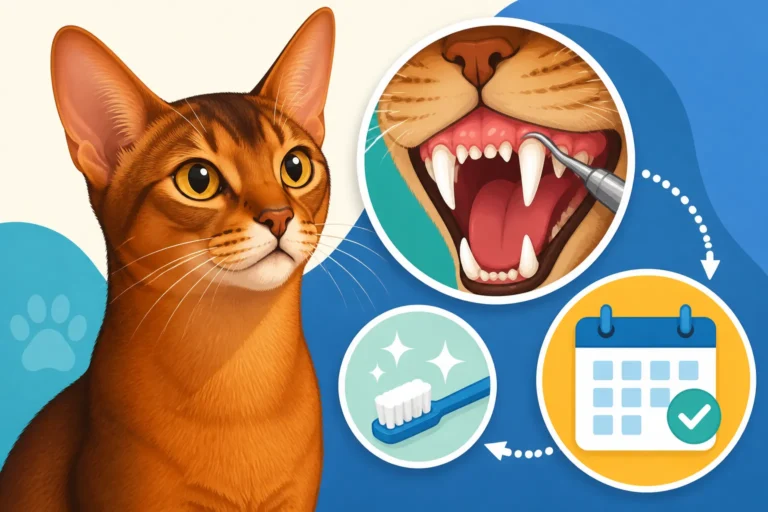
A professional dental cleaning for your Abyssinian is far more involved than simply brushing their teeth at home. It’s a comprehensive medical procedure designed to assess, clean, and treat their entire oral cavity. First and foremost, your vet will conduct a thorough pre-anesthetic exam and bloodwork to ensure your Abyssinian is a good candidate for anesthesia, especially vital given their potential for other health concerns. Once safely under, the real work begins. The veterinary technician will carefully scale away plaque and tartar from above and below the gum line using ultrasonic and hand instruments, just like a human dental hygienist. This subgingival cleaning is critical, as that's where the most destructive bacteria hide.
Next, each tooth surface is polished to smooth out microscopic scratches where plaque could easily adhere again. But the absolute game-changer in feline dentistry is full-mouth dental X-rays. These aren't optional; they're essential. About two-thirds of a cat's tooth is hidden beneath the gum line, and conditions like FORLs, abscesses, or bone loss can only be detected through X-rays. Without them, you’re only seeing the tip of the iceberg, missing potentially painful and serious problems. A vet might also probe the gum line to check for periodontal pockets, measure gum recession, and meticulously chart every tooth. Any diseased teeth, such as those affected by advanced FORLs or severe periodontal disease, are then extracted. What Happens During an Abyssinian's Dental Under Anesthetic details this process further.
The Importance of Regularity and Early Intervention
Due to the Abyssinian's specific vulnerabilities, yearly professional cleanings are often recommended, and sometimes even more frequently for those with severe juvenile gingivitis. Think of it this way: for us, it's a twice-a-year visit, but for our cats, who can't brush their own teeth, yearly is already pushing it. If your Abyssinian has a history of dental issues, your vet might suggest checks every six months. This regular schedule allows for early detection of issues like gingivitis, which can then be managed before it progresses to irreversible periodontal disease or painful FORLs.
Early intervention not only saves your Abyssinian from prolonged pain but can also prevent the need for more extensive, and therefore more costly, procedures down the line. Catching a small FORL early might mean extracting one tooth instead of several, or managing gingivitis with medication and diligent home care before it requires a full gingivectomy. The reality is, ignoring subtle signs or skipping annual dentals can lead to significant pain for your cat and much higher vet bills for you. This proactive approach underscores Why an Abyssinian Needs Dentals More Often than many other breeds.
The Financial Reality of Abyssinian Dental Care
When we talk about "yearly budget line," it’s important to be transparent about what that actually entails. Veterinary dental care involves specialized equipment, trained staff, anesthesia monitoring, and skilled surgical procedures, all of which contribute to the cost. This isn't just a simple tooth cleaning; it’s comprehensive medical care.
Breaking Down the Costs
The cost of a professional dental cleaning can vary significantly based on your geographic location, the specific veterinary clinic, and the individual needs of your cat. In major metropolitan areas, you might expect to pay more than in rural settings.
Here’s a general breakdown of what contributes to the overall expense:
| Procedure/Service | Estimated Cost Range (USD) | Notes |
|---|---|---|
| Pre-anesthetic Bloodwork | $100 – $250 | Essential to ensure your Abyssinian is healthy enough for anesthesia. Catches underlying issues like kidney or liver problems. |
| Anesthesia & Monitoring | $200 – $500+ | Includes anesthetic drugs, IV fluids, and constant monitoring of heart rate, blood pressure, oxygen levels, and temperature by a dedicated technician. Longer procedures (with extractions) will cost more. |
| Dental Cleaning (Scaling/Polish) | $250 – $600 | Basic procedure to remove plaque and tartar above and below the gum line, followed by polishing. Does not include extractions or complex treatments. |
| Full-Mouth Dental X-rays | $150 – $350 | Crucial for detecting problems below the gum line, such as FORLs, root abscesses, and bone loss. Most vets consider these non-negotiable for a thorough dental. |
| Tooth Extractions | $50 – $250 per tooth | Can vary widely based on the complexity of the extraction. Incisors are generally cheaper than molars or severely impacted teeth. Surgical extractions requiring sutures are on the higher end. Often the biggest variable cost. What Extracting an Abyssinian's Teeth Costs can add up quickly. |
| Gingivectomy | $300 – $700+ | Surgical removal of overgrown gum tissue, often necessary for severe juvenile gingivitis. Cost depends on the extent of the tissue removal. How a Vet Removes an Abyssinian's Excess Gum is a specialized procedure. |
| Pain Medication/Antibiotics | $30 – $100 | Often prescribed post-procedure, especially if extractions or significant inflammation were present. |
| Total for "Routine" Dental | $700 – $1500+ | This is a typical range for an annual dental with bloodwork, anesthesia, cleaning, X-rays, and perhaps a couple of minor extractions. More complex cases with multiple extractions can push this well over $2,000. |
Many owners are shocked by these figures, but it reflects the high standard of care your cat receives. Remember, these procedures are preventative and therapeutic, aimed at alleviating pain and preventing systemic infections that can impact kidney, liver, or heart health.
The Role of Pet Insurance like Healthy Paws
Given the significant and often recurring costs associated with Abyssinian dental care, many owners find peace of mind with pet insurance. While not all policies cover routine cleanings (these are usually considered "wellness" add-ons), most comprehensive plans will cover unforeseen dental illnesses and injuries. This means if your Abyssinian develops severe periodontal disease requiring multiple extractions, or if a tooth is fractured, a good insurance policy like one from Healthy Paws could significantly reduce your out-of-pocket expenses.
When considering pet insurance, it’s crucial to read the fine print regarding dental coverage. Some plans might have limits, or they might not cover pre-existing conditions (meaning if your cat already has a diagnosed dental issue, it might not be covered). It’s generally best to enroll your Abyssinian when they are young and healthy to ensure the broadest coverage. This way, when those inevitable dental issues crop up, you're financially prepared. This is why many people ask Whether Pet Insurance Is Worth It for an Abyssinian.
Proactive Care: Making Dental Care a Budget Line, Not a Surprise
The goal is to move Abyssinian dental care from being a reactive, emergency expense to a planned, predictable part of your pet ownership journey. Proactive care involves both home maintenance and diligent veterinary oversight.
The Power of Home Dental Care
While professional cleanings are paramount, what you do at home can make a tremendous difference in extending the time between cleanings and reducing the severity of issues. Starting early is key – ideally, when your Abyssinian is still a kitten. Gently introducing them to toothbrushing can be a challenge, but consistency pays off. Use a soft, finger-sized toothbrush or a gauze pad and a feline-specific enzymatic toothpaste (never human toothpaste!). Aim for daily brushing, even if it's just for a minute or two. Even getting them used to having their mouth handled will make vet visits easier. You can find tips on Why Home Dental Care Starts Early in an Abyssinian.
Beyond brushing, consider dental treats or dental-specific diets that are formulated to reduce plaque and tartar buildup. Look for products with the Veterinary Oral Health Council (VOHC) seal of acceptance, which indicates they meet specific standards for plaque and tartar reduction. However, remember that dental treats are a supplement, not a replacement, for actual brushing or professional cleanings, especially for a breed prone to specific issues.
Regular Vet Check-ups and Monitoring
Even if your Abyssinian seems fine, those annual vet check-ups are incredibly important. Your veterinarian will perform an oral exam as part of the routine check, looking for early signs of gingivitis, broken teeth, or other abnormalities. They can gauge the progression of any existing issues and recommend when it’s time for a professional cleaning. Sometimes, what looks like "just bad breath" to us is actually a clear sign of infection to a trained eye.
Your vet is your best partner in creating a long-term dental health plan for your Abyssinian. They can advise you on appropriate home care, recommend specific dental products, and help you schedule professional cleanings at the right intervals. Integrating dental care into your routine budget, rather than treating it as an unexpected crisis, provides the best outcome for your cat’s health and your wallet. After all, What an Abyssinian's Annual Checkup Costs and What Owning an Abyssinian Really Costs a Year will always include that vital dental component.
Ultimately, ensuring your Abyssinian receives consistent, high-quality dental care is a testament to your commitment to their overall health and happiness. It’s an investment, yes, but one that prevents pain, extends their lifespan, and ensures their vibrant personality can shine without the distraction of a sore mouth.
Disclaimer
Please remember that the information provided in this guide is for educational purposes only and should not replace professional veterinary advice. Always consult with a qualified veterinarian regarding your Abyssinian's specific health needs and treatment options.