How a Vet Confirms Retinal Atrophy in an Abyssinian
It’s heartbreaking when you notice something isn't quite right with your spirited Abyssinian, especially when it comes to their vision. These active, agile cats are renowned for their incredible energy and keen senses, so any sign of them slowing down or misjudging a jump can send a wave of worry through you. Progressive Retinal Atrophy, specifically the rdAc form, is a real concern in the breed, and understanding how a veterinarian diagnoses it is crucial for early intervention and support.
Recognizing the Early, Subtle Signs of Vision Loss
Abyssinians are truly phenomenal at adapting, often to the point where they can mask significant health issues. When it comes to their vision, this adaptability can make early detection of something like Progressive Retinal Atrophy (PRA-rdAc) incredibly challenging for even the most observant owner. It’s not uncommon for signs to be so subtle that they’re easily missed, or attributed to mere clumsiness or a "cat moment" rather than a burgeoning health problem.
Initial Observations at Home
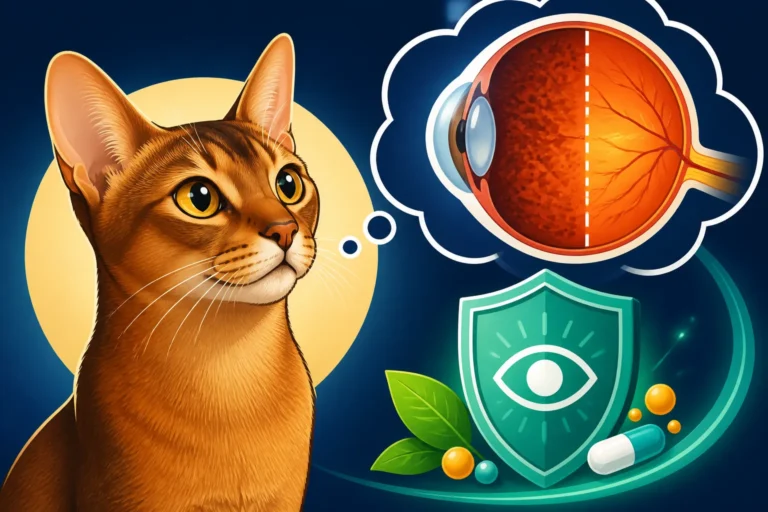
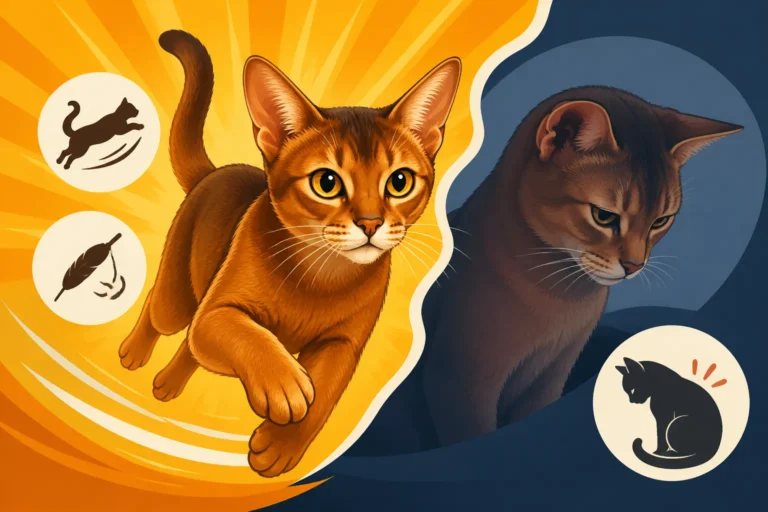
The very first clues that your beloved Aby might be experiencing vision challenges often appear in low-light conditions. Perhaps you’ve noticed them being a little less confident navigating the house after dusk, or maybe they hesitate on a familiar staircase when the hallway light is off. This is often because When an Abyssinian's Night Vision Goes First is typically the initial symptom of PRA-rdAc. The rods in the retina, responsible for night vision, degenerate before the cones, which handle daytime and color vision.
You might also start to observe tiny changes in their usual confident leaps. They might misjudge the distance to a favorite shelf, or land awkwardly on the floor more often than before. Small, seemingly insignificant bumps into furniture or doorframes can also be a tell-tale sign. Because Abyssinians are so athletic and sure-footed, any deviation from their usual grace should raise a red flag. They often learn to rely on their other senses – hearing, smell, and even whisker sensitivity – to compensate, making it hard to pinpoint the exact moment vision started to decline.
Changes in Play and Navigation
An Abyssinian's life is defined by play and exploration. They are naturally curious, always on the go, and thrive on interactive games. If you notice a shift in this, it's worth paying attention. Maybe they’re less enthusiastic about chasing a laser pointer, or they don’t track a wand toy with the same precision they once did. They might still engage, but their movements could be a fraction slower, a little less fluid. This isn't just about slowing down with age; it's about a gradual loss of ability that affects their core behaviors.
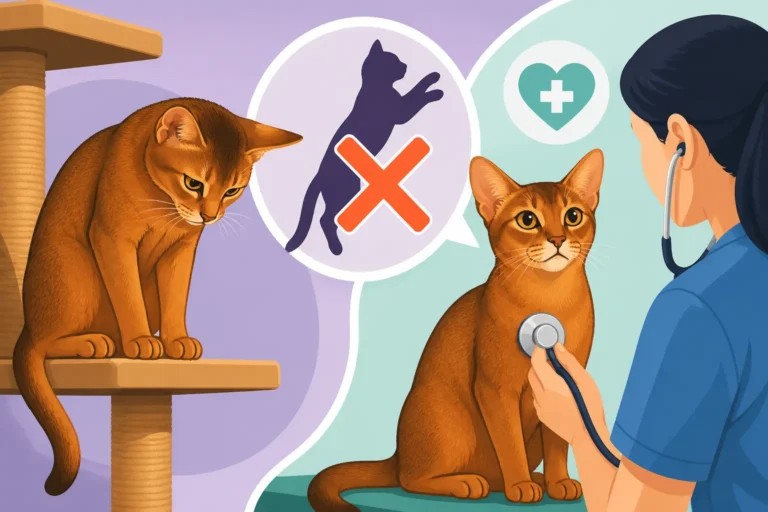
Navigating familiar environments, especially those with changes in lighting or new obstacles, can become increasingly difficult. While Why a Blind Abyssinian Still Climbs is true – their innate desire for height often remains – their confidence in scaling those heights might wane. You might see them pause before jumping, or carefully feel their way around a new object. They might stick to known paths, avoiding areas that were once prime hunting grounds for hidden toys. These are the moments when your gut instinct as a pet parent should tell you something is off, prompting a visit to your vet.
The Veterinary Examination: What to Expect
When you bring your Abyssinian to the vet with concerns about their vision, your veterinarian will approach it systematically. They understand that an Aby's energetic nature can sometimes make it hard to assess, so they'll employ a combination of observational skills and specific diagnostic tools to get a clear picture of what's happening. It’s not just about looking at their eyes; it’s about understanding their overall health and ruling out other possibilities.
The General Physical and Neurological Exam
Before even delving into the eyes, your vet will perform a thorough general physical examination. This is standard procedure to rule out any systemic health issues that could be indirectly affecting your cat’s vision or balance. They’ll check your Aby’s heart rate, listen to their lungs, palpate their abdomen, and check their overall body condition. How to Read an Abyssinian's Body Condition Through That Coat is important here, as weight changes can sometimes hint at underlying issues that might manifest as behavioral shifts.
A neurological exam will also be a key component. The vet will assess your cat’s reflexes, coordination, and gait to ensure there aren't any neurological conditions mimicking vision loss, such as an inner ear problem affecting balance or a brain issue. They might observe how your Abyssinian moves around the exam room, how they respond to being nudged, and their general awareness of their surroundings. This comprehensive approach ensures that no stone is left unturned in understanding the root cause of your cat's symptoms.
Ophthalmic Examination and Initial Eye Checks
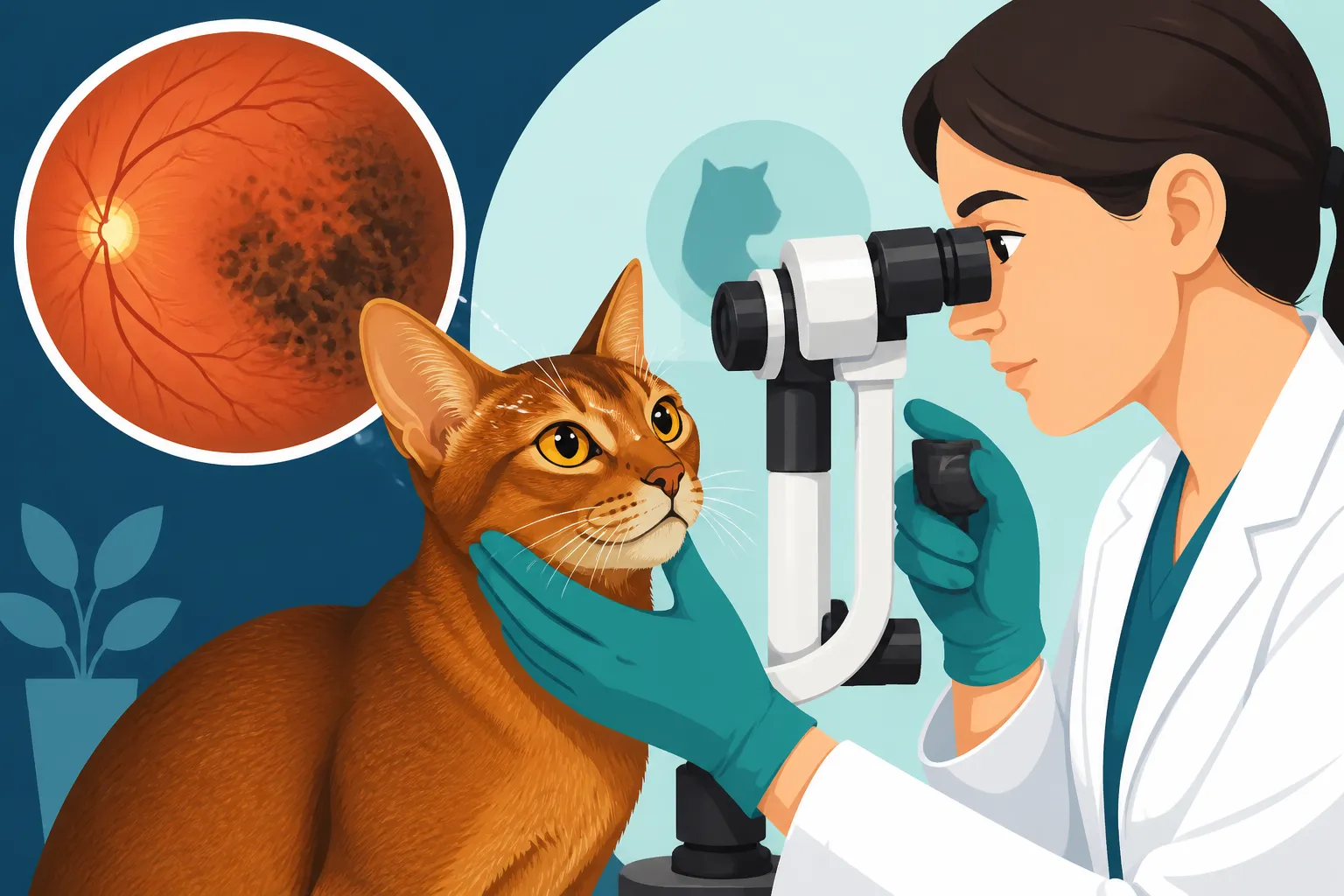
Once the general health is assessed, the focus will shift to a detailed ophthalmic examination. This is where your vet will really start to hone in on the eyes themselves. They’ll begin with basic tests like checking pupillary light reflexes (PLR) – how your cat's pupils constrict in response to light. In cases of advanced retinal degeneration, these reflexes might be diminished or absent. They’ll also check the "menace response," which is when a hand or object is moved quickly towards the eye to see if the cat blinks, indicating they perceive the threat.
Next, your vet will use specialized tools. An ophthalmoscope allows them to peer into the back of the eye, examining the retina directly. With PRA-rdAc, the retina will show characteristic degenerative changes. These changes can include thinning of the retinal layers, changes in the reflectivity of the tapetum lucidum (the reflective layer behind the retina), and narrowing of the blood vessels. You might also notice that How an Abyssinian's Pupils Change With rdAc as the disease progresses, often becoming more dilated even in normal light conditions, because the damaged retina isn't signaling properly. This visual inspection is often the first strong indicator that PRA-rdAc is at play.
Advanced Diagnostics: Electoretinography (ERG)
While a thorough ophthalmic exam can strongly suggest retinal atrophy, the gold standard for definitive diagnosis is often an Electoretinography (ERG). This sophisticated test directly measures the electrical responses of the cells in the retina when they're stimulated by light. Think of it like an ECG for the heart, but for the eyes!
To perform an ERG, your Abyssinian will typically need mild sedation to ensure they remain still and comfortable throughout the procedure. Tiny electrodes are gently placed on the cornea (the clear front surface of the eye) and around the eye. Then, flashes of light, varying in intensity and color, are directed into the eye. A healthy retina will produce a specific electrical waveform in response to these light stimuli. In an Abyssinian with PRA-rdAc, the retinal cells are degenerating, and therefore, their electrical response will be significantly reduced or even completely absent. This test provides objective evidence of retinal function (or lack thereof), confirming the diagnosis of retinal degeneration, which is a key part of How a Vet Confirms Retinal Atrophy in an Abyssinian.
Genetic Testing: Confirming the Underlying Cause
While an ERG provides undeniable proof of retinal degeneration, it doesn't tell you why it's happening. For that, especially with a breed like the Abyssinian that has known genetic predispositions, genetic testing becomes absolutely vital. This step moves beyond merely identifying the problem to pinpointing its specific inherited cause.
The Importance of a DNA Test for PRA-rdAc
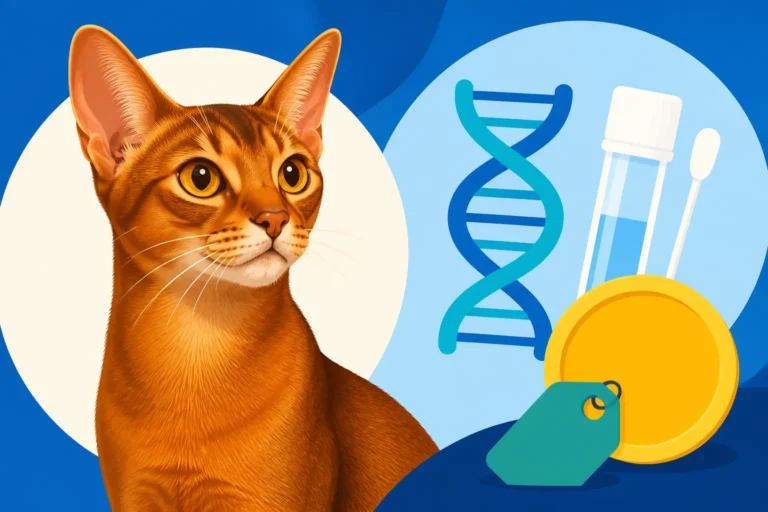
Knowing that your Abyssinian has retinal atrophy is one thing, but knowing it's specifically the rdAc form of PRA, caused by a mutation in the CEP290 gene, allows for definitive confirmation of the inherited condition. How the CEP290 Test Clears an Abyssinian involves a simple, non-invasive DNA test that can be done with a cheek swab. This test identifies whether your cat carries one or two copies of the mutant gene responsible for PRA-rdAc.
For breeders, this test is indispensable for making informed decisions and preventing the spread of the disease. For pet owners, it offers peace of mind in understanding the nature of their cat's vision loss and helps prepare for the progression of the disease. Companies like Optimal Selection or Wisdom Panel offer comprehensive genetic panels that include the rdAc test, making it accessible for concerned owners. Many pet insurance providers, such as Healthy Paws, offer coverage for diagnostic tests like these if your pet is enrolled before the onset of symptoms, which can be a huge relief during a worrying time.
Interpreting Test Results and Implications
Genetic test results typically come back as one of three outcomes:
- Clear/Normal: Your Abyssinian does not carry the gene mutation for PRA-rdAc. If they are showing signs of vision loss, it's due to another cause.
- Carrier: Your Abyssinian carries one copy of the gene mutation but will not develop PRA-rdAc themselves. They can, however, pass the gene to their offspring if bred. This is why How to Read an Abyssinian's Normal Test Result is important, as "carrier" is not normal for breeding purposes, but fine for a pet.
- Affected: Your Abyssinian carries two copies of the gene mutation and will develop or has developed PRA-rdAc. This result, combined with clinical signs and an ERG, provides a complete picture of the diagnosis.
Understanding these results is crucial. If your Abyssinian is diagnosed as "affected," it confirms the genetic basis for their vision loss. This knowledge allows you to focus on supportive care and adaptations for a blind cat. For breeders, it highlights the importance of responsible breeding practices, ensuring that Why Two Clear Abyssinian Parents End the Problem in future generations. The information from these genetic tests empowers owners and breeders alike to make the best decisions for the health and welfare of their Abyssinians. The upfront cost of How the Abyssinian's DNA Panel Is Ordered is a small investment for such vital information.
Differentiating Retinal Atrophy from Other Conditions
It's important to remember that vision loss, while concerning, isn't always indicative of PRA-rdAc. There are several other conditions, both ocular and systemic, that can impair a cat's sight. A thorough veterinarian will always work to rule out these possibilities to ensure an accurate diagnosis and the most appropriate course of action.
Ruling Out Other Eye Diseases
Beyond PRA-rdAc, several other eye conditions can lead to vision impairment or blindness in cats. These include:
- Glaucoma: This is a painful condition caused by increased pressure within the eye, leading to damage of the optic nerve and retina. Unlike PRA, glaucoma often presents with acute pain, a dilated pupil, and a cloudy or enlarged eyeball.
- Cataracts: While less common in cats than in dogs, cataracts involve a clouding of the lens of the eye, obstructing the passage of light. They typically look like a hazy or opaque area within the pupil and are distinct from retinal degeneration which affects the back of the eye.
- Uveitis: Inflammation of the uvea (the middle layer of the eye) can cause pain, redness, and vision changes, and if left untreated, can lead to secondary glaucoma or retinal detachment.
- Retinal detachment: This can occur due to trauma, inflammation, or underlying systemic disease, and often causes sudden and complete blindness in the affected eye.
Your vet will use their ophthalmoscope, as well as possibly tonometry (to measure eye pressure) and ultrasound of the eye, to differentiate these conditions from PRA-rdAc. Each condition has its unique visual signs and diagnostic indicators, allowing for precise identification.
Considering Systemic Illnesses
Sometimes, vision loss isn't a primary eye disease but rather a symptom or complication of a broader systemic illness affecting the body. In these cases, treating the underlying condition can sometimes restore or preserve vision.
- Hypertension (High Blood Pressure): Uncontrolled high blood pressure is a significant cause of sudden blindness in cats, often leading to retinal detachment or hemorrhage. It’s particularly common in older cats and those with kidney disease or hyperthyroidism. If your Abyssinian is suddenly bumping into furniture when they never used to, Why an Abyssinian Bumps Furniture Before Anyone Notices could be an early symptom of this.
- Hyperthyroidism: An overactive thyroid gland can lead to hypertension, which in turn can cause retinal changes. This is why When a Middle Aged Abyssinian Needs Yearly Bloodwork often includes checks for thyroid function, especially as cats age.
- Diabetes Mellitus: While diabetic retinopathy is rare in cats compared to humans and dogs, severe cases of uncontrolled diabetes can still have an impact on overall eye health.
- Neurological Disorders: Conditions affecting the brain or optic nerve pathways, such as tumors, inflammation, or strokes, can also lead to vision loss.
To rule out these systemic causes, your vet will likely recommend a full blood panel, including a complete blood count (CBC), biochemistry profile, and thyroid hormone levels, along with a blood pressure check. This comprehensive diagnostic workup is essential to ensure that the cause of your Abyssinian's vision issues isn't missed, and it's another area where comprehensive pet insurance like Healthy Paws can provide invaluable support for covering diagnostic costs. While Whether Anything Slows Retinal Atrophy in an Abyssinian directly is often not the case, treating an underlying systemic issue can sometimes prevent further vision degradation from those causes.
Here’s a quick overview of the diagnostic methods for retinal atrophy:
| Diagnostic Method | What it Does | What it Confirms | Is it Definitive for PRA-rdAc? |
|---|---|---|---|
| Owner Observation | Noticing behavioral changes, clumsiness | Suspicion of vision loss | No (Subjective) |
| General Physical Exam | Overall health check, neurological assessment | Rule out systemic issues | No |
| Ophthalmic Exam | Visual inspection of retina, pupil reflexes | Signs of retinal degeneration | Strong indicator, not definitive |
| Electoretinography (ERG) | Measures electrical activity of retinal cells | Objective evidence of retinal function (or lack thereof) | Yes (for retinal degeneration) |
| DNA Test (CEP290 gene) | Identifies specific genetic mutation for PRA-rdAc | Confirms genetic cause of PRA-rdAc | Yes (for genetic predisposition) |
Disclaimer
This article is intended for informational purposes only and does not constitute medical advice. Always consult with a qualified veterinarian for any health concerns or before making any decisions about your pet's health or treatment plan.