How Big an Abyssinian’s Litter Box Should Be
Finding the ideal litter box for your Abyssinian can feel like a quest, especially when you factor in their boundless energy, enthusiastic digging, and graceful leaps. Many owners struggle with messes outside the box because their cat simply doesn't have enough room to do its business comfortably, leading to frustrating clean-ups and a stressed feline. This comprehensive guide will delve into exactly what size and type of litter box will make both you and your spirited Abyssinian happier, ensuring they have a hygienic and comfortable space.
Understanding Your Abyssinian's Unique Needs
Abyssinians aren't just any cats; they're a breed renowned for their intelligence, agility, and incredibly active nature. These traits, while endearing, mean their environmental needs, including their litter box setup, are often different from those of a more sedentary domestic shorthair. Ignoring these unique characteristics can lead to everything from litter scattered across the room to inappropriate urination.
Their Active and Energetic Nature
Picture your Abyssinian mid-zoomie, a blur of motion, leaping onto shelves, and darting around corners. This isn't just play; it's a fundamental part of who they are. Their energy extends even to mundane activities like using the litter box. They don't just quietly slip in and out; they approach the box with purpose, often digging vigorously and sometimes even performing little "dances" as they choose their spot. A small, cramped litter box becomes a frustrating obstacle course rather than a private sanctuary. When an Abyssinian feels confined, they might rush their business, leading to accidents over the edge, or worse, decide the box isn't worth the effort and seek an alternative. They need space to express their natural instincts without feeling trapped or restricted, which directly impacts their willingness to use the litter box consistently and happily.
Body Shape and Digging Habits
Abyssinians are known for their sleek, muscular, and somewhat long bodies. While they might not be massive cats in terms of weight, their length and athleticism demand more horizontal space than you might initially think. Imagine trying to pivot and dig in a phone booth – that's what a standard-sized litter box can feel like to an Abyssinian. They are enthusiastic diggers, kicking up litter with gusto both before and after they do their business. This isn't just a casual scrape; it's a full-on excavation. If the box is too small, that kicked-up litter has nowhere to go but out onto your floor. This isn't a sign of naughtiness, but rather a natural feline behavior amplified by their breed's inherent zest for life. They're just doing what cats do, but with an Abyssinian flourish. To avoid constant sweeping and the unpleasant surprise of litter underfoot, you need a box that accommodates their impressive digging efforts. This also ties into the sheer satisfaction they get from a proper digging session, a simple pleasure that is surprisingly important for their well-being. You might even observe Why an Abyssinian Digs Before and After Every Visit and understand that this isn't just about covering waste, but a ritual.
Choosing the Right Dimensions for Your Abyssinian's Litter Box
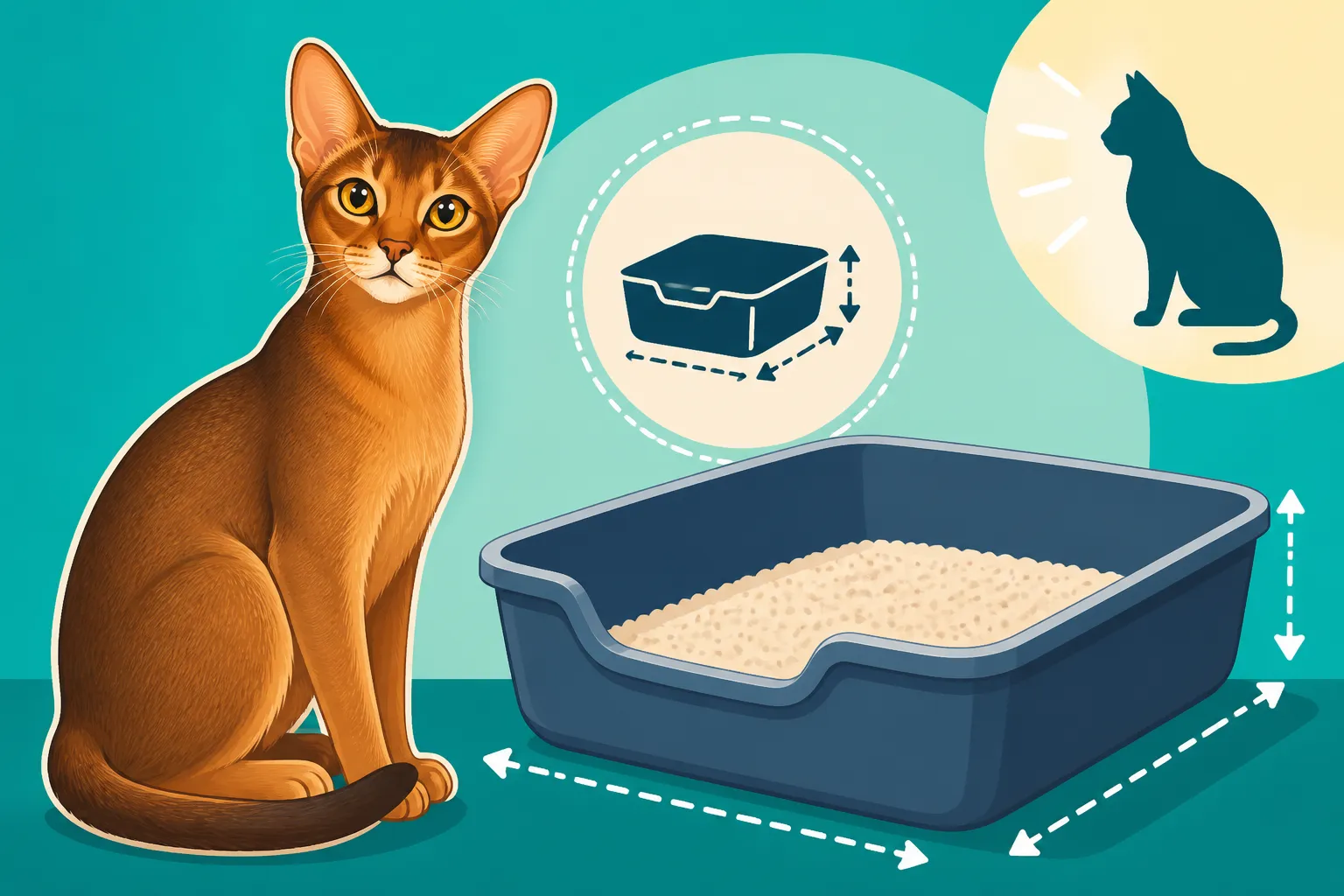
When it comes to litter boxes for an Abyssinian, bigger truly is better. Skimping on size is a common mistake that can lead to many preventable issues. Think of it less as a box and more as a "litter station" that needs to accommodate their full range of motion.
Length and Width: Giving Them Room to Maneuver
The golden rule for litter box size is that it should be at least 1.5 times the length of your cat, from nose to the base of the tail. For an Abyssinian, this often means a box that is significantly larger than typical offerings. Most adult Abyssinians are around 15-18 inches long, not including their tail. Therefore, you're looking at a minimum internal length of 22-27 inches. As for width, aim for at least 18-20 inches. This ample space allows them to:
- Enter and turn around comfortably: No more awkward maneuvers or backing into corners.
- Dig extensively: They can really get in there and dig to their heart's content without flinging litter over the sides.
- Find a clean spot: Even if you can't scoop immediately, a larger box offers more undisturbed areas, which is crucial for a fastidious cat.
- Stand fully upright: They won't feel hunched over or cramped, which can deter them from using the box.
Many standard litter boxes are simply too small for this energetic breed, causing them to feel restricted and leading to dissatisfaction. You might find that even boxes labeled "large" in pet stores aren't quite enough. Consider seeking out "extra-large" or "jumbo" pans. Retailers like Chewy often carry a good selection of these larger sizes that are more appropriate for the Abyssinian's build.
Wall Height: Containing the Enthusiastic Digger
Given their vigorous digging, the height of the litter box walls is almost as important as the length and width. An Abyssinian will kick litter with serious enthusiasm. If the walls are too low, you'll constantly be sweeping up granules from around the box.
Ideally, the walls should be at least 8-10 inches high. This provides a substantial barrier to keep the litter inside during their digging sprees. However, make sure there's at least one side with a lower entry point, or a ramp, especially for kittens, older Abyssinians, or those with mobility issues like How Patellar Luxation Shows in a Jumping Abyssinian. A high-sided box without an easy entry can be just as problematic as one that's too small. Many owners find success with large storage bins or utility tubs, which often have higher sides than traditional litter boxes and can be found at various home goods stores. Just be sure to cut out a smooth, low entrance on one side, sanding any rough edges to protect your cat's paws.
Here's a quick comparison of typical vs. ideal dimensions:
| Feature | Standard Litter Box (Typical) | Ideal Abyssinian Litter Box | Why It Matters for Abyssinians |
|---|---|---|---|
| Length | 18-20 inches (45-50 cm) | 24-30 inches (60-75 cm) | Allows full body turn, ample digging, and space away from waste. |
| Width | 14-16 inches (35-40 cm) | 18-24 inches (45-60 cm) | Prevents "overshooting" and provides comfort for active use. |
| Wall Height | 5-7 inches (12-18 cm) | 8-12 inches (20-30 cm) | Contains enthusiastic digging and reduces litter scatter. |
| Entry Point | Usually full height | One side lower (4-6 inches) | Easy access for all ages and mobility levels. |
Litter Box Styles and Placement for the Energetic Abyssinian
Choosing the right dimensions is a huge step, but the style of the litter box and its placement are equally vital for ensuring your Abyssinian's comfort and compliance. These cats have preferences, and respecting them can make all the difference.
Open vs. Covered: Why Open is Often Best
When it comes to litter box styles, the debate between open and covered is long-standing, but for an Abyssinian, an open litter box typically reigns supreme.
- Ventilation: Covered boxes trap odors, which can be highly off-putting for a cat's sensitive nose. Abyssinians appreciate fresh air, and a stinky box might lead them to find a more pleasant spot elsewhere.
- Visibility and Escape Routes: Being able to see their surroundings and having clear escape routes makes cats feel safer. A covered box can make them feel trapped, especially if another pet or a child might inadvertently block the entrance. This can cause stress and lead to avoidance.
- Space: Even the largest covered boxes often feel more cramped inside due to the lid. Abyssinians need that extra head and body room to maneuver comfortably. With their athleticism, they need to know they can jump in and out freely. You might find that Why an Abyssinian Prefers an Open Litter Box is very much tied to their natural instincts and comfort.
While a covered box might appeal to us for aesthetics or odor control, it rarely appeals to the cat. For odor control, frequent scooping and proper litter choice are far more effective than a lid. If you're concerned about litter scatter from an open box, combine an extra-large, high-sided open box with a good litter mat, or even construct a simple DIY litter box enclosure that has open sides but contains the mess.
Material and Design Considerations
Beyond open versus covered, consider the materials and overall design.
- Plastic: Most litter boxes are made of plastic. Look for sturdy, heavy-duty plastic that won't absorb odors over time. Cheaper, thinner plastics can scratch easily, creating microscopic grooves where bacteria and odors can cling, even after cleaning. Replacing plastic boxes periodically (every 1-2 years) is a good practice to maintain hygiene.
- Stainless Steel: An increasingly popular option, stainless steel litter boxes are fantastic for Abyssinians. They are non-porous, meaning they don't absorb odors, are incredibly easy to clean, and are highly durable. While they are a higher upfront investment, they can last a lifetime, potentially saving you money in the long run compared to regularly replacing plastic boxes. You can find excellent stainless steel options on platforms like Amazon.
- Smooth Interior: Regardless of material, ensure the interior surfaces are smooth and easy to wipe down. Textured surfaces can be difficult to clean thoroughly and can harbor bacteria.
- Low Entry Point: As mentioned, even with high sides, a design that incorporates a lower entry point on one side is ideal. Some brands offer steps or ramps for this purpose, or you can find large storage containers and modify them yourself.
Beyond Size: Optimizing the Abyssinian Litter Box Experience
Getting the size and style right is fundamental, but the journey to a perfect litter box setup doesn't end there. Abyssinians are sensitive creatures, and every detail, from placement to maintenance, plays a role in their acceptance and happiness.
Strategic Placement: Location, Location, Location
Where you put the litter box is almost as important as the box itself. Abyssinians, with their watchful and active natures, have specific needs when it comes to location.
- Accessibility: Place boxes in easily accessible locations. Your Abyssinian needs to be able to get to them quickly and without feeling like they have to navigate an obstacle course. Avoid tucking them away in dark, forgotten corners if that means they have to push past laundry or fight for access.
- Privacy, Not Isolation: Cats need privacy when doing their business, but they also need to feel safe. A litter box in the middle of a high-traffic hallway is a no-go. However, a box banished to a cold, damp basement or a closet where the door might accidentally close is equally problematic. Aim for a quiet, low-traffic area where they won't be startled by sudden noises or intrusions. A spare bathroom, a quiet corner of a living room, or a dedicated cat room are often good choices.
- Multiple Locations: The general rule of thumb is one litter box per cat, plus one extra. For an active Abyssinian household, especially if you have more than one cat, this is critical. If you have a multi-story home, ensure there's at least one box on each level. This prevents frantic dashes up or down stairs, which can be especially important as your Abyssinian gets older or if they suffer from conditions like Why an Abyssinian's Kidneys Fail Before Its Coat Dulls. Having choices means they'll always find a clean, available spot.
- Away from Food and Water: Just like us, cats don't want to eat where they eliminate. Always place litter boxes a significant distance from food and water bowls. An Abyssinian is likely to avoid a box that's too close to their dining area.
- Noisy Appliances: Avoid placing litter boxes next to noisy appliances like washing machines, dryers, or furnaces. Sudden loud noises can scare your Abyssinian mid-business, creating a negative association with the box.
Litter Type and Maintenance
The type of litter you use and how diligently you maintain the boxes are crucial for Abyssinian satisfaction.
- Litter Type: Most Abyssinians prefer a fine-grained, unscented clumping clay litter.
- Unscented: Cats have extremely sensitive noses, and perfumed litters can be overwhelming and off-putting. The scent might be pleasant to you, but it's likely irritating to your cat.
- Fine-grained: This texture is softer on their paws and mimics the sandy soil they might instinctively prefer. Coarser litters can be uncomfortable.
- Clumping: Clumping litter makes scooping much easier and helps keep the box cleaner, which is vital for a fastidious Abyssinian.
- Depth: Fill the litter box with at least 3-4 inches of litter. This gives your Abyssinian enough material to dig and cover their waste properly, fulfilling their natural instinct.
- Scooping Frequency: This is non-negotiable for any cat, but especially important for a discerning Abyssinian. Scoop at least once, preferably twice, daily. If you work from home, even more frequently is ideal. A dirty box is the number one reason cats refuse to use it.
- Full Cleaning: Beyond daily scooping, the entire litter box needs a thorough cleaning regularly. For plastic boxes, this means emptying all the litter, washing the box with mild, unscented soap and water, and drying it completely. For stainless steel, you might find you can go longer between full washes due to their non-porous nature, but still aim for at least once a month. This full clean helps eliminate any residual odors and bacteria. Remember that proper hygiene can also help prevent issues like How Juvenile Gingivitis Starts in an Abyssinian Kitten as bacteria in the environment can contribute to overall health challenges.
- Consider Automation: If your schedule makes frequent scooping a challenge, a self-cleaning litter box might be an option. However, ensure it's large enough for your Abyssinian and that they aren't spooked by the automated cleaning mechanism. Some cats take to them beautifully, others are more wary. You can find various models on sites like Chewy and Amazon, but always prioritize your cat's comfort over convenience.
By combining the right size and style with thoughtful placement and rigorous maintenance, you'll create a litter box environment that your Abyssinian will happily use, keeping them healthy and your home clean. Understanding what an Abyssinian needs, rather than what's easiest for us, is key to their well-being.
Disclaimer
This article is for general informational purposes only and does not constitute professional advice. Laws, prices and regulations vary by location and change over time. Consult a qualified professional for guidance on your specific situation.