How British Abyssinians Nearly Died Out
British Abyssinian cats twice faced near extinction during the twentieth century due to severe population bottlenecks and wartime hardships.
Is this the right one for you?
Origins and temperament, size and coat, what living with one is actually like, and how it compares to the breeds people weigh against it.
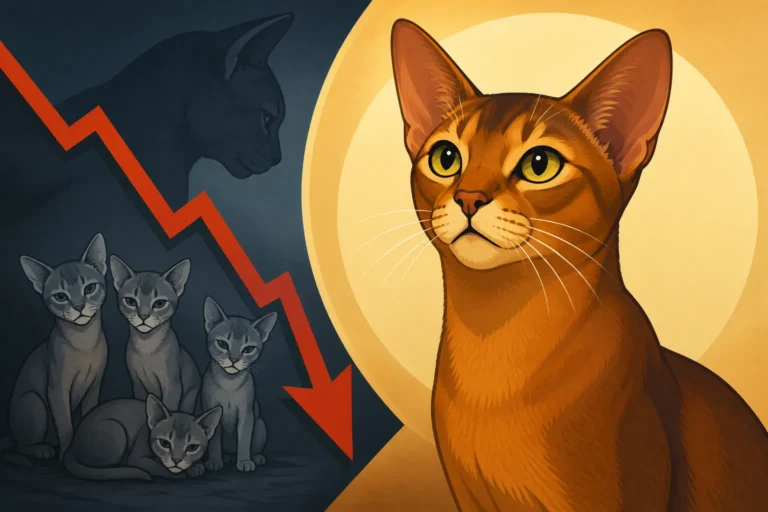
British Abyssinian cats twice faced near extinction during the twentieth century due to severe population bottlenecks and wartime hardships.
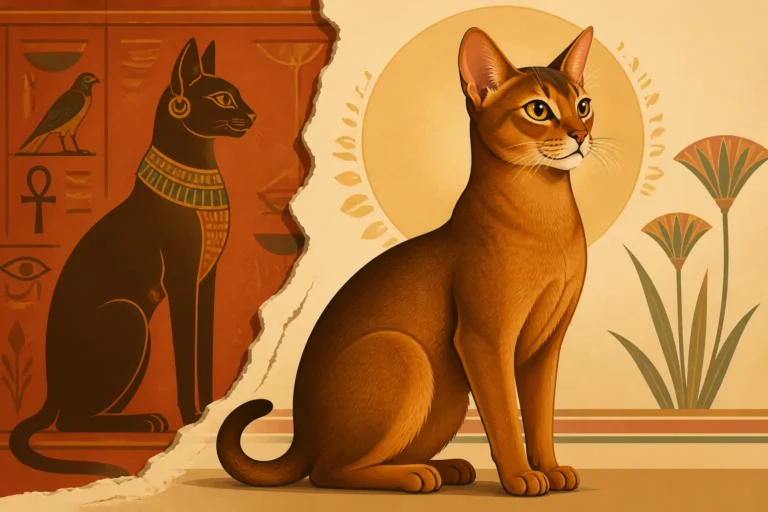
Abyssinian physical traits like lean bodies, large ears, and almond eyes create an ancient wall painting appearance.
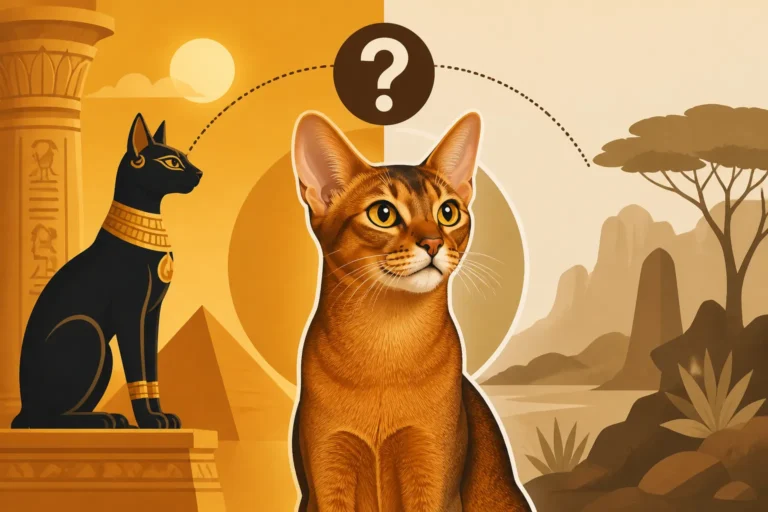
Abyssinian cat ancestry and the 1868 import of Zula from Abyssinia explain the persistent ancient Egyptian lineage myth.
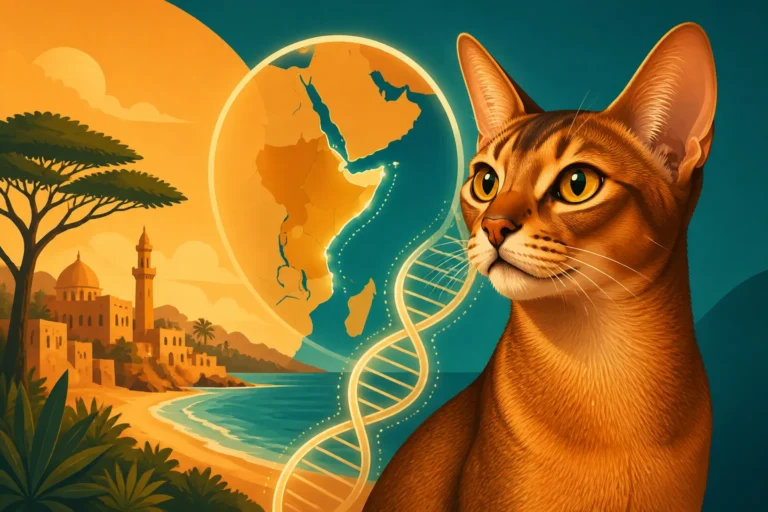
Genetic evidence traces Abyssinian cat ancestry to Indian Ocean Coast port cities, replacing Captain Barrett-Lennard and Zula.
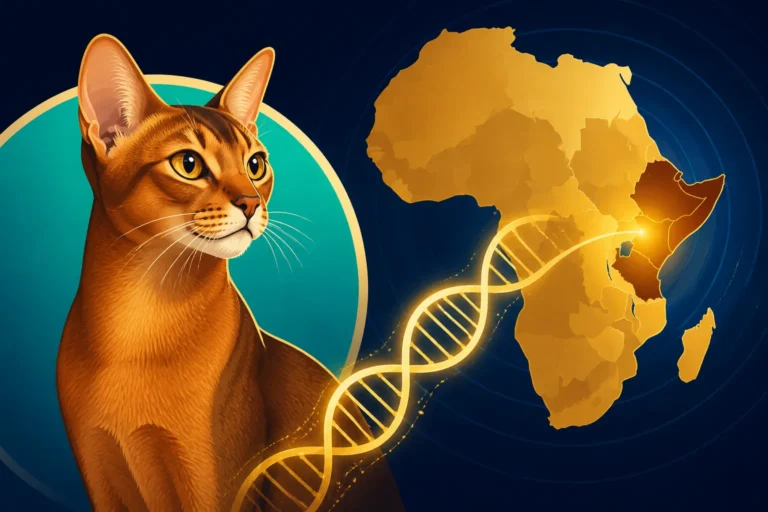
Abyssinian cat DNA analysis explains how the breed separated from ancient Egyptian myths and the 1868 Zula story.
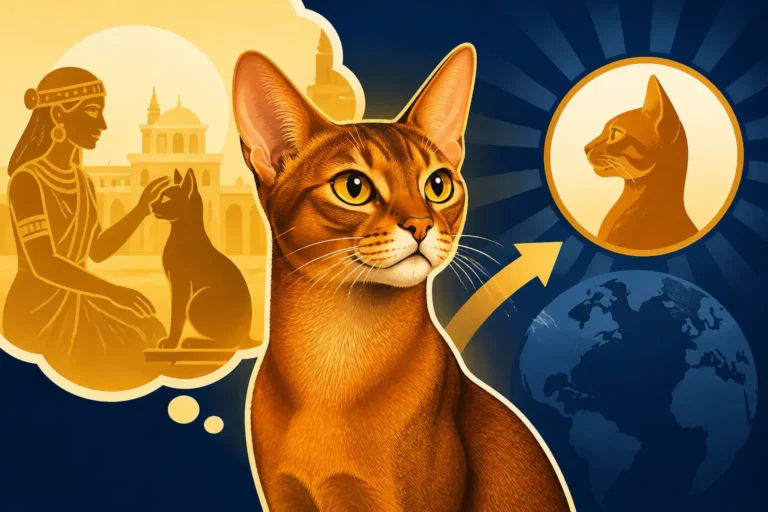
The Abyssinian cat origin story survived because exoticism, prestige, and romance of ancient heritage appealed to cat enthusiasts.
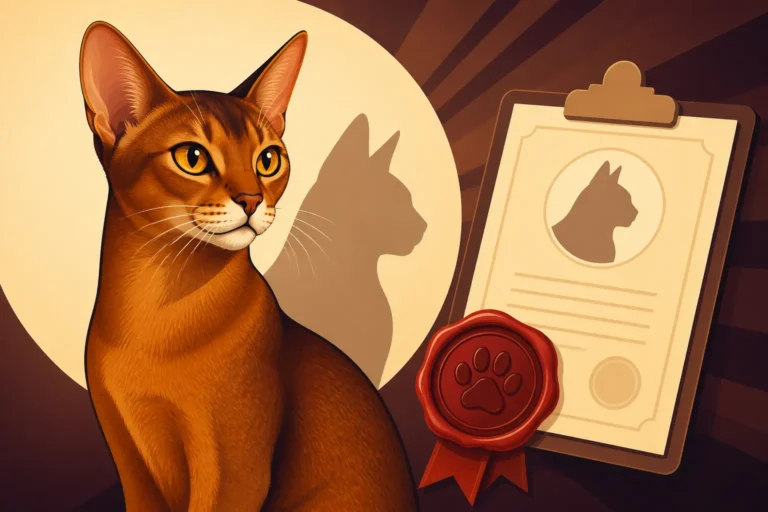
The history of early Abyssinian cat registration involves nineteenth-century breeders, informal records, and Harrison Weir.

Harrison Weir and the 1871 Crystal Palace cat show reveal the real history and origins of the Abyssinian breed.
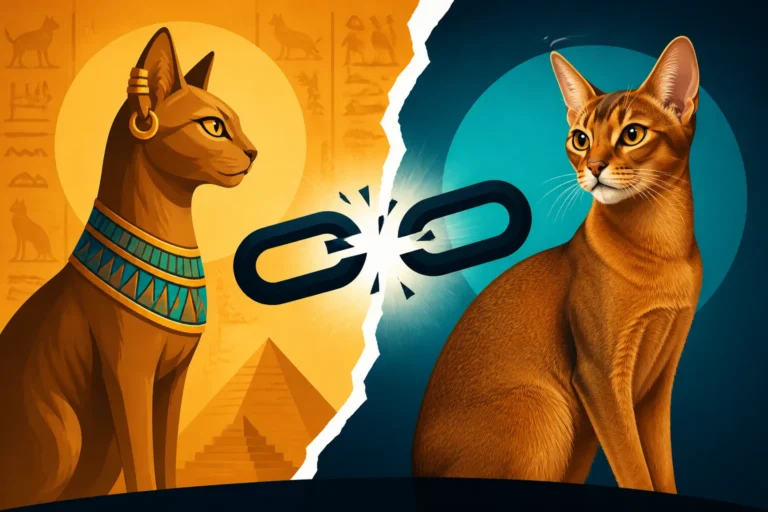
Genetic science and historical records explain why the legend connecting Zula from the 1871 Crystal Palace Show to modern Abyssinian cats is false.
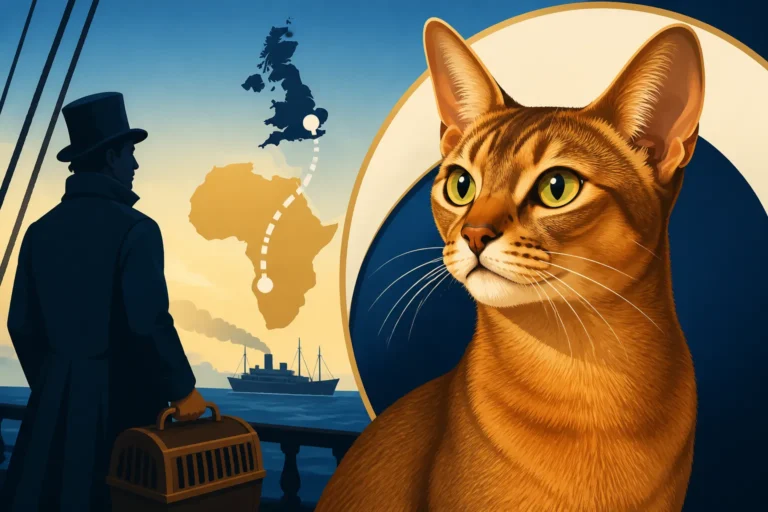
The true history of Zula, a cat brought to England in 1868, and her connection to Lieutenant General Robert Napier.