Whether a Rescue Abyssinian Comes With History
Bringing a rescue Abyssinian into your home is a truly rewarding experience, but one of the biggest anxieties many prospective adopters face is the lingering question: what exactly do I know about this cat's past? Unlike a kitten from a reputable breeder who provides extensive health records and pedigree information, a rescue Abyssinian often comes with a blank slate, and that lack of history can feel incredibly daunting when you're trying to prepare for their care. This guide aims to demystify what kind of background you might receive with a rescue Abyssinian and, more importantly, how to proactively ensure their health and happiness even without a detailed historical record.
Why Knowing an Abyssinian's History Matters So Much
When you welcome any cat into your life, you want to give them the best possible start and a healthy, long life. For an Abyssinian, a breed known for its specific health predispositions and vibrant personality, a thorough understanding of their lineage and past experiences can be incredibly valuable. The truth is, without it, you're stepping into a bit of an unknown, and that's perfectly normal for many rescue situations.
Health Predispositions and Genetic Concerns
Abyssinians, while generally robust, are known to carry certain genetic conditions that can significantly impact their health and lifespan. Knowing if a cat's parents were tested, or if there's a history of these diseases in their line, gives you a crucial heads-up. For instance, Progressive Retinal Atrophy (PRA-rdAc) is a condition that causes progressive blindness, often starting around two to five years of age. Another significant concern is Pyruvate Kinase Deficiency (PKD), which affects red blood cells and can lead to anemia. Then there's Renal Amyloidosis, a kidney disease that, heartbreakingly, has no genetic test but is well-documented in certain Abyssinian lines. If a rescue Abyssinian's previous owners had records of these issues, or even better, genetic test results for PRA or PK Deficiency, it would dramatically inform your preventative care plan. How the Abyssinian's DNA Panel Is Ordered can be a helpful read if you're considering genetic testing yourself.
The absence of this information means you simply don't know what genetic time bombs might be ticking. This isn't to say every rescue Abyssinian will have these issues, but the breed's specific vulnerabilities make that historical data particularly precious. You might find yourself asking, for example, What to Ask About an Abyssinian Line's Kidney History when you consider a new cat, but with a rescue, those answers might not be available.
Behavioral Cues and Past Experiences
Beyond genetics, a cat's history deeply shapes its behavior. Was your rescue Abyssinian raised in a quiet home or a bustling one? Did they have positive experiences with children or other pets? Were they an only cat, or part of a multi-cat household? Abyssinians are highly intelligent, sensitive, and energetic cats, and their past environment can profoundly influence their comfort levels and social interactions.
A cat that was previously neglected or abused might display fear-based aggression, extreme shyness, or compulsive behaviors like over-grooming. An Abyssinian who was rehomed multiple times might have abandonment issues, leading to separation anxiety. Knowing these things can help you preemptively provide a stable, understanding environment and avoid triggers that might cause stress. Without this history, you'll need to observe carefully and be patient as you learn your new cat's unique quirks and needs. Understanding Why an Abyssinian Is Wrong for a Quiet Household might clue you into their need for stimulation, but if they came from a quiet environment, it could explain initial shyness.
What Kind of History Might Come With a Rescue Abyssinian
The amount of history you receive with a rescue Abyssinian can vary wildly, largely depending on how the cat came into the rescue's care. It's a spectrum, from a detailed dossier to a complete mystery. Rescues always do their best to gather as much information as possible, but their resources and the circumstances of the surrender play a huge role.
Owner Surrenders: The Best-Case Scenario
When an Abyssinian is surrendered by its owner, perhaps due to allergies, a move, financial hardship, or a change in family dynamics, you often get the most comprehensive history. These owners, though heartbroken, usually want the best for their cat and will provide information on:
- Veterinary Records: This is gold. Vaccination history, previous illnesses, dental procedures, spay/neuter certificates, and any known conditions.
- Behavioral Observations: Details about their personality, likes and dislikes, how they interact with people, children, and other animals. Do they scratch furniture? Are they vocal? Are they a lap cat (unlikely for an Aby, but you never know!) or a shoulder cat?
- Dietary Preferences: What food they've been eating, any allergies or sensitivities.
- Routine: Their daily schedule, favorite toys, litter box habits.
This type of surrender allows the rescue to paint a much clearer picture for potential adopters, making the transition smoother for both you and your new Abyssinian.
Stray or Abandoned Cases: A Blank Slate
Sadly, many Abyssinians find their way into rescue as strays or abandoned animals. These are the cases where there is virtually no history available. The rescue might know the location where the cat was found and maybe a rough estimate of age and sex, but that's about it. In these situations, everything from health status to personality traits will be a discovery process for both the rescue and eventually, you.
The rescue will perform a full medical evaluation, including necessary vaccinations, deworming, and spay/neuter surgery. They'll also observe the cat's behavior in their care to try and understand their temperament. This is where your patience and a willingness to embrace the unknown truly come into play.
Breeder Surrenders or Rehoming: A Mixed Bag
Sometimes, reputable breeders will work with breed-specific rescues to rehome retired breeding cats or kittens that didn't quite meet show standards or had a minor health issue that prevents them from being bred. In these instances, you might receive some, but not all, of the history you'd get with an owner surrender.
Breeders are usually very forthcoming with genetic test results for the parents and possibly the kitten itself, particularly for conditions like PK Deficiency or PRA-rdAc. They might also share information about the cat's lineage and any known health trends in the family line. However, the behavioral history might be limited, especially for a retired queen or stud who lived in a cattery environment and hasn't been a "pet" in a typical household. They might have lived with many other cats and had minimal human interaction beyond feeding and cleaning, requiring more socialization.
Rescue-Specific Assessments: The New Baseline
Regardless of how an Abyssinian arrives, dedicated rescues will perform their own assessments. They'll monitor behavior, observe interactions with staff and volunteers, and note any physical or emotional cues. They'll also conduct a comprehensive veterinary check-up.
Here's a general idea of what a rescue might provide, depending on the origin:
| Type of Intake | Medical History (Typical) | Behavioral History (Typical) | Genetic History (Typical) |
|---|---|---|---|
| Owner Surrender | Often complete, vet records available. | Good detail on personality, habits, and social interactions. | May have parentage or prior test results if breeder provided. |
| Stray/Abandoned | Basic assessment, current treatments. | Observations in shelter, initial reactions to people/cats. | None, unless DNA tested by rescue. |
| Breeder Rehoming | Variable, sometimes includes early records. | Limited, focuses on cattery environment, may need socialization. | Often good, includes parent test results or kitten tests. |
How to Piece Together an Abyssinian's Past (Even Without Formal Records)
So, you've found the perfect Abyssinian, but their past is a mystery. Don't despair! There are many proactive steps you can take to ensure their health and well-being, effectively creating a new "history" from the moment they join your family.
Prioritize a Comprehensive Initial Vet Visit
This is your absolute first step. Schedule a full check-up with a veterinarian as soon as your rescue Abyssinian settles in. Don't just go for a quick check; ask for a thorough examination. Your vet can perform a range of diagnostic tests that will give you a baseline understanding of your cat's health.
- Full Blood Panel and Urinalysis: This can detect early signs of kidney disease, liver issues, or anemia, which is especially important for Abyssinians. Remember, Why a Thirsty Young Abyssinian Is a Red Flag for kidney problems. A vet might suggest an SDMA test, which can pick up kidney issues earlier than traditional creatinine levels.
- FIV/FeLV Testing: These viral infections can impact a cat's immune system and long-term health. Knowing their status is crucial for future care and if you have other cats.
- Dental Exam: Abyssinians are unfortunately prone to dental issues, including juvenile gingivitis. Your vet can assess the state of their teeth and gums. When an Abyssinian Kitten's Gums First Go Red highlights how early these problems can start.
- Ophthalmic Exam: A vet can check for any signs of early retinal degeneration, which is relevant given the breed's predisposition to PRA-rdAc.
- Weight Assessment: Getting a solid baseline weight and body condition score is vital for tracking changes. What an Abyssinian's Annual Checkup Costs will give you an idea of the expense for these initial checks.
Discuss your concerns about the lack of history with your vet. They are your most valuable partner in piecing together your Abyssinian's health story.
Consider Genetic Screening
Even if you don't have parental history, you can directly test your rescue Abyssinian for known breed-specific genetic conditions. Many reputable veterinary labs offer comprehensive genetic panels for Abyssinians. These tests typically involve a simple cheek swab, which you or your vet can collect.
- PK Deficiency: This test will tell you if your cat is clear, a carrier, or affected. Knowing this can help your vet monitor for anemia and plan appropriate care. Why a Rescue Abyssinian Should Still Be PK Tested is a good idea for any Abyssinian.
- PRA-rdAc: This test determines if your Abyssinian carries the gene for progressive retinal atrophy, informing you about potential future vision loss.
These tests provide concrete, actionable information that no amount of historical documentation can replace if it's missing.
Observe and Document Behavioral Cues
Your new Abyssinian will tell you a lot about their past through their actions. Be a diligent observer, especially in the first few weeks and months. Keep a journal or notes on:
- Reactions to Stimuli: How do they react to loud noises, sudden movements, new people, or other animals? Are they easily startled? Do certain sounds or objects trigger fear or aggression?
- Eating and Drinking Habits: Do they eat ravenously, suggesting past food insecurity? Are they finicky? Do they drink a lot of water?
- Litter Box Habits: Any accidents outside the box could indicate stress, a past trauma, or an underlying medical issue.
- Play and Energy Levels: Abyssinians are known for being incredibly active. Is your cat displaying typical Abyssinian energy, or are they more subdued? How Much Play an Abyssinian Needs Each Day will give you a benchmark.
- Affection and Handling: How do they respond to being petted, picked up, or groomed? Do they show signs of past rough handling? How Long an Abyssinian Takes to Trust a Stranger can vary greatly.
These observations, combined with veterinary input, will help you build a holistic picture of your Abyssinian's needs.
Moving Forward: Embracing an Abyssinian's Future, Regardless of Its Past
The beauty of adopting a rescue, especially one with an unknown history, is the opportunity to give them a fresh start. You become their future, their advocate, and their safe haven. Focusing on proactive care and a loving environment can mitigate many of the uncertainties that come with a blank slate.
Establish a Solid Nutrition Plan
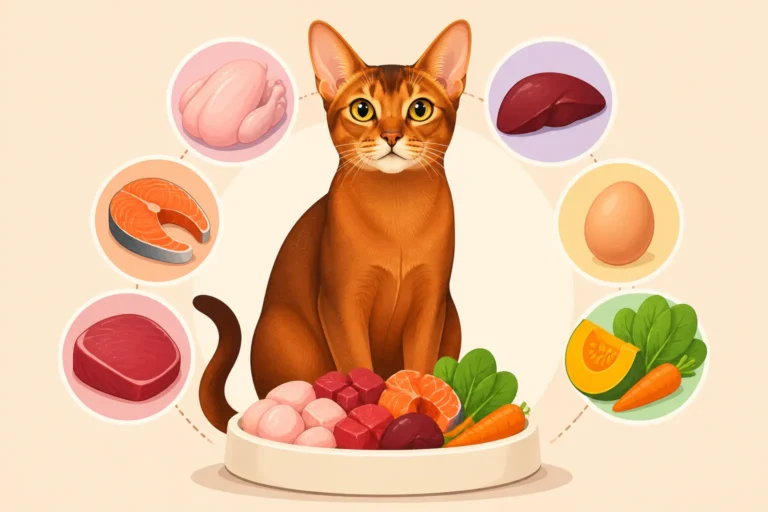
A high-quality diet is fundamental to an Abyssinian's health, particularly given their high energy levels and predisposition to certain conditions. Look for foods with high animal protein content and consider incorporating wet food. Why Wet Food Protects an Abyssinian's Kidneys is a crucial piece of advice for this breed, as good hydration can help support kidney health over their lifetime.
You might want to explore fresh food options, which can offer tailored nutrition. Alternatively, reliable online retailers like Chewy provide a vast selection of premium kibble and wet foods, making it easy to find something that suits your Abyssinian's preferences and dietary needs. Regular feeding schedules and the right portion sizes are also important, as Abyssinians can sometimes be prone to scarf-and-barf if they eat too quickly.
Create an Enriching and Safe Environment
Abyssinians thrive on mental and physical stimulation. They need spaces to climb, explore, and "hunt." Without a detailed history, you might not know what they're used to, so it's best to over-provide at first.
- Vertical Space: Install cat trees, wall shelves, and window perches. Abyssinians love heights and need them to feel secure and engaged. An Abyssinian Needs Height More Than It Needs Floor is a core tenet of Aby ownership.
- Interactive Toys: Provide a variety of puzzle feeders, wand toys, and rotational toys to keep their active minds busy.
- Safe Spaces: Ensure they have quiet, private spots to retreat to when they feel overwhelmed.
- Scratching Posts: Multiple, sturdy scratching posts are a must to protect your furniture and provide an outlet for their natural instincts.
Invest in Pet Insurance
With an unknown medical history, pet insurance can be an absolute game-changer. It provides a financial safety net for unexpected illnesses or accidents. Knowing that you won't have to make difficult decisions based solely on cost can bring immense peace of mind.
Research reputable providers, perhaps starting with a well-known name like Healthy Paws, to understand their coverage options, deductibles, and reimbursement rates. Enrolling your Abyssinian as soon as possible after adoption is usually beneficial, as pre-existing conditions (even if undiagnosed at the time of adoption) may not be covered if discovered later. Whether Pet Insurance Is Worth It for an Abyssinian is a question many owners ponder, and for a rescue with an unknown past, the answer is often a resounding yes.
Be Patient and Offer Unconditional Love
Ultimately, the most important thing you can offer a rescue Abyssinian is patience, understanding, and unconditional love. They may have a past you know nothing about, but their future is entirely in your hands. Celebrate every small victory, whether it's them finally relaxing on your couch, playing with a new toy, or soliciting a head scratch. Building trust takes time, especially for cats who may have experienced hardship. Focus on consistency, positive reinforcement, and a predictable routine.
Your rescue Abyssinian may not come with a complete life story, but with your dedication, they will write a beautiful new chapter filled with health, happiness, and all the love they deserve.
Disclaimer
This article is for general informational purposes only and does not constitute professional advice. Laws, prices and regulations vary by location and change over time. Consult a qualified professional for guidance on your specific situation.