What an Abyssinian Costs Over Fifteen Years
Abyssinian ownership expenses over fifteen years include purchase prices, premium food, veterinary care, pet insurance, and tall cat trees.
The price tag is the smallest number.
Purchase and adoption costs, insurance, routine vet care, food and grooming budgets, and the emergencies that change the total.
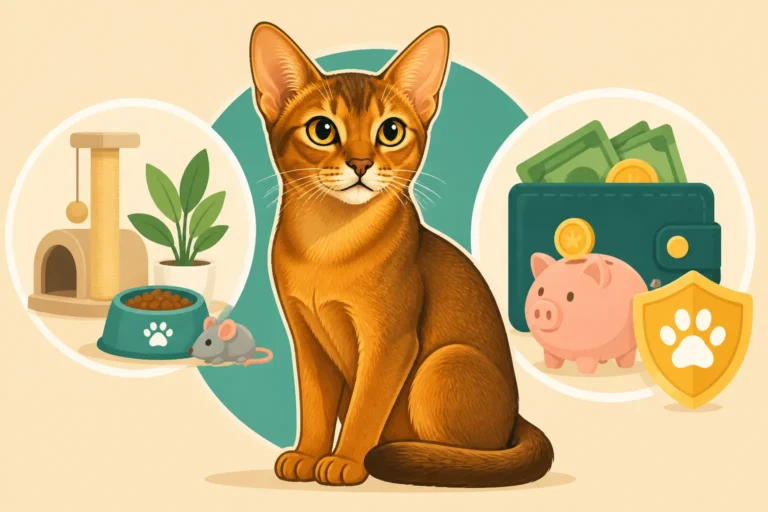
Abyssinian ownership expenses over fifteen years include purchase prices, premium food, veterinary care, pet insurance, and tall cat trees.
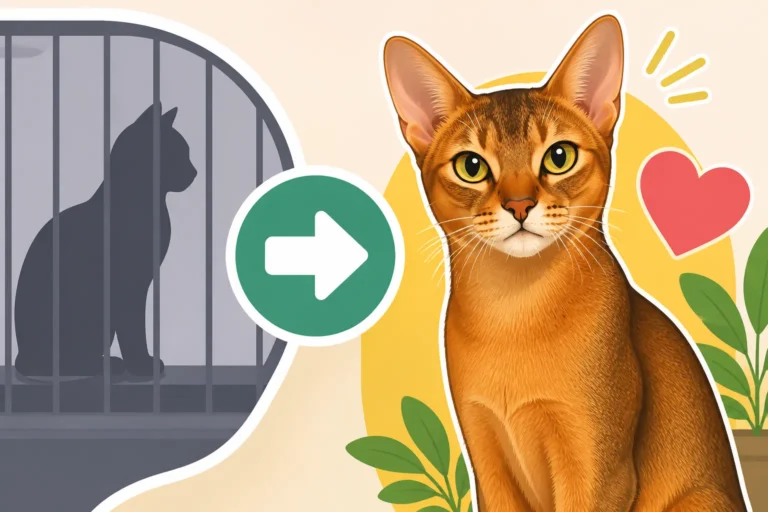
Adopting an adult Abyssinian offers predictable personalities, reduced training needs, and immediate companionship without the high energy of kittens.
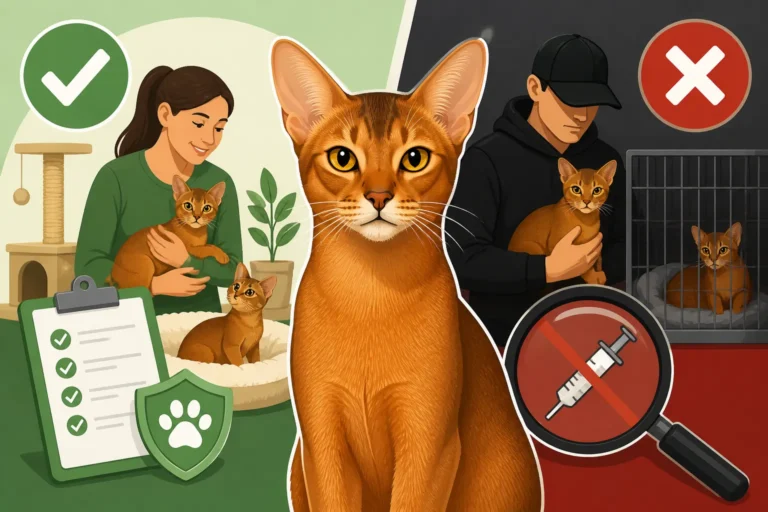
Abyssinian health testing red flags include missing Pyruvate Kinase Deficiency and Progressive Retinal Atrophy screening results.
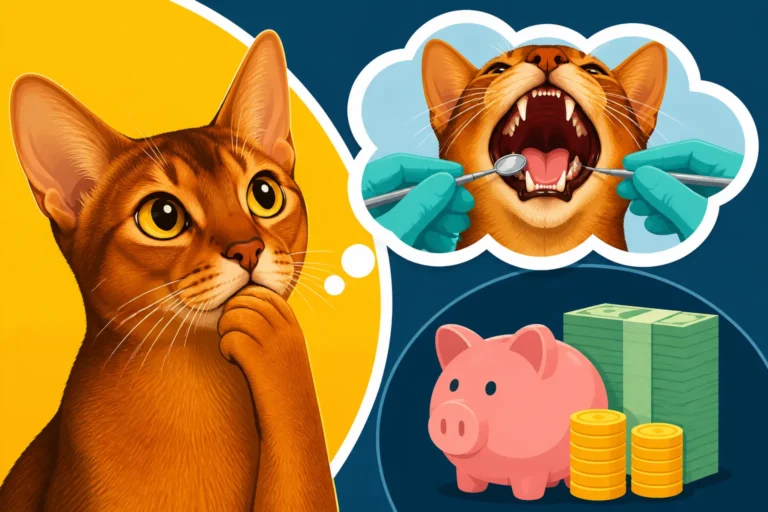
Abyssinian dental care involves juvenile gingivitis, tooth resorption, and anesthesia, making veterinary bills expensive.
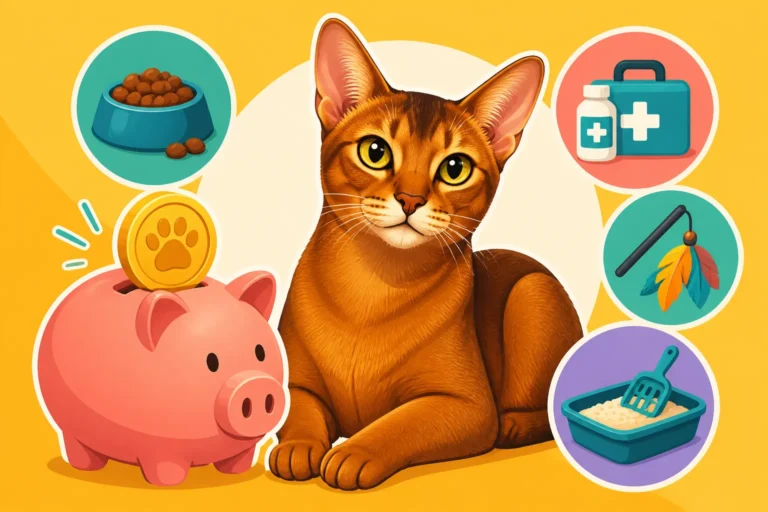
Abyssinian ownership expenses cover initial setup, ongoing food costs, and annual veterinary care throughout the cat lifespan.
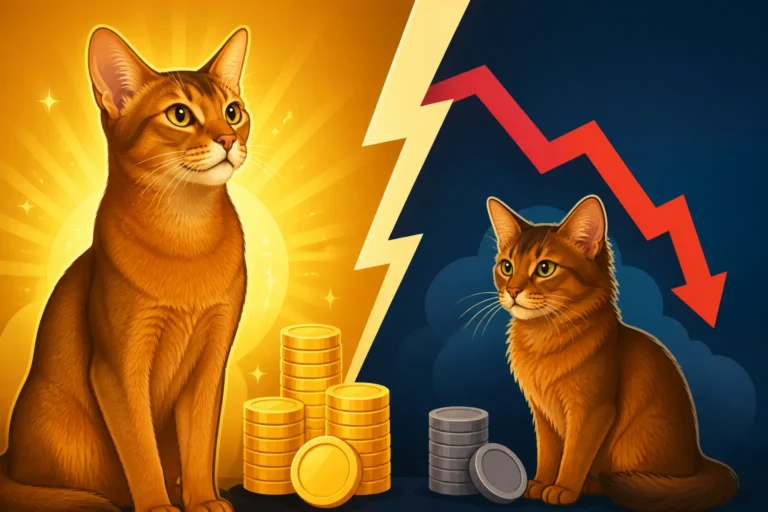
Somali littermate pricing usually falls below standard Abyssinian costs because long hair violates the purebred physical breed standard.
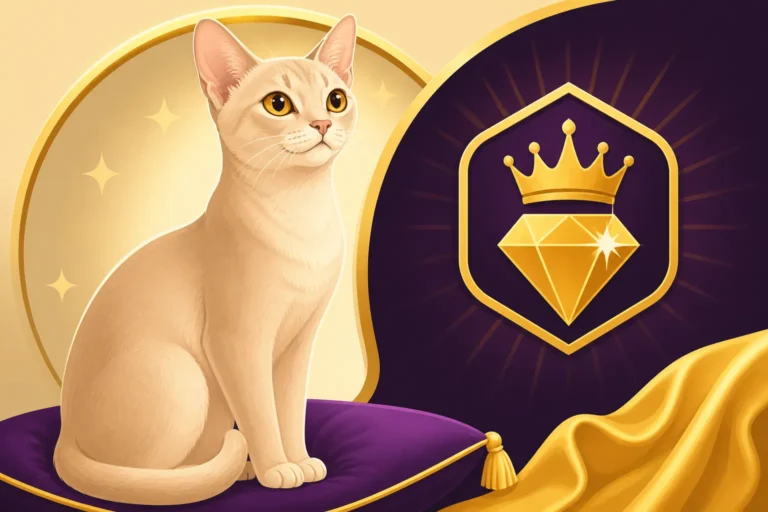
Cream Abyssinian females cost the most due to genetic rarity, breeding investment, and high demand for their unique coat.
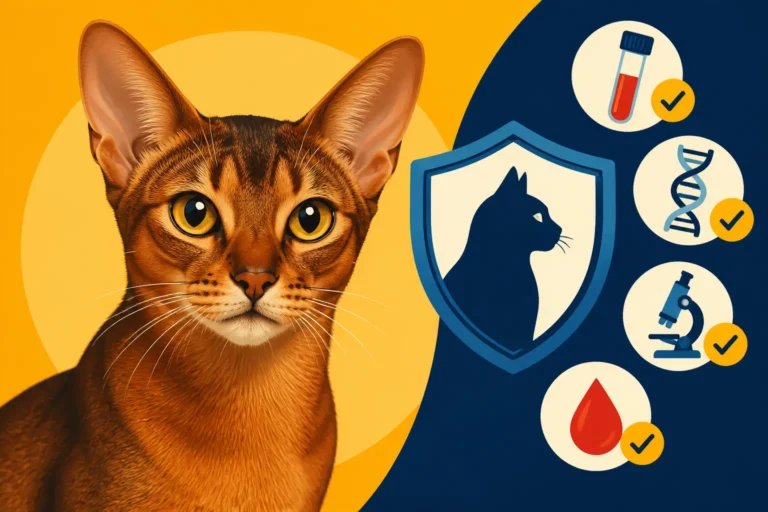
Responsible Abyssinian breeders must provide test results for Pyruvate Kinase Deficiency and Progressive Retinal Atrophy.
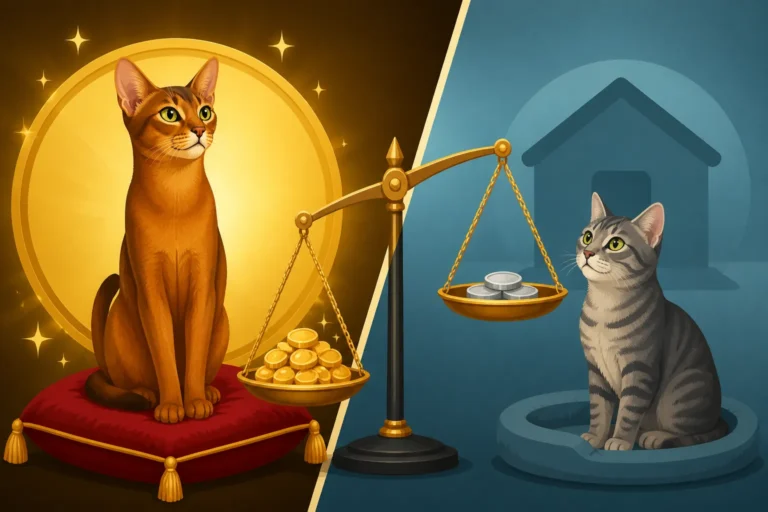
Abyssinian kitten prices reflect responsible breeding practices, genetic health testing, early socialization, and limited availability compared to shelter cats.
Abyssinian kitten pricing reflects breeder investments in health testing, genetic lines, and early socialization between twelve and sixteen weeks of age.