Whether a Somali Costs More Than an Abyssinian
Abyssinian and Somali cat ownership costs include initial purchase prices, high-quality food, and veterinary care for health issues.
The price tag is the smallest number.
Purchase and adoption costs, insurance, routine vet care, food and grooming budgets, and the emergencies that change the total.

Abyssinian and Somali cat ownership costs include initial purchase prices, high-quality food, and veterinary care for health issues.
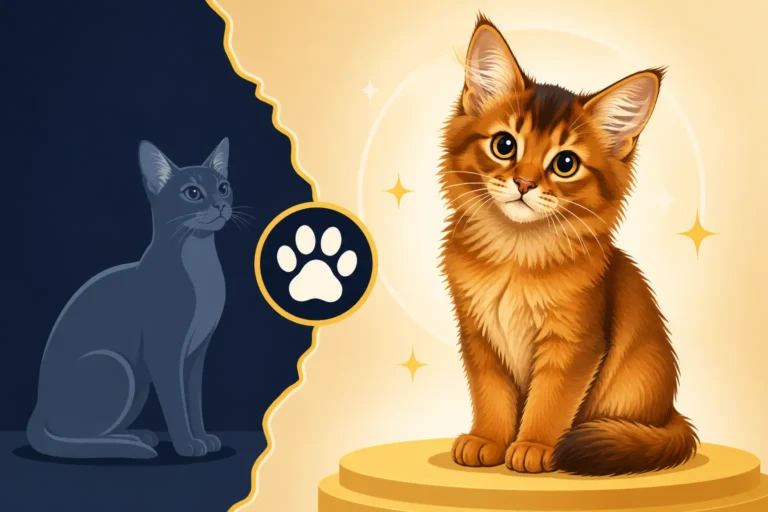
Somali kitten pricing depends on recessive genetics, breeder philosophies, supply and demand, and show quality standards.
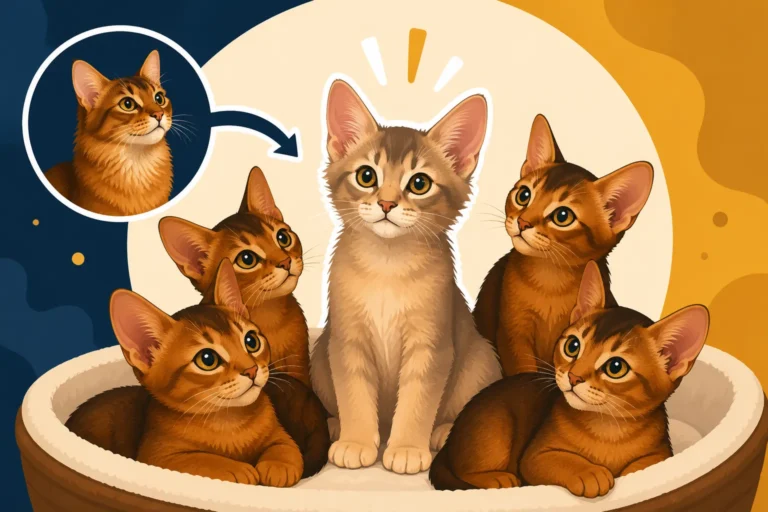
Recessive genetics explain how long-haired Somali kittens appear in purebred Abyssinian litters and how breeders identify them.
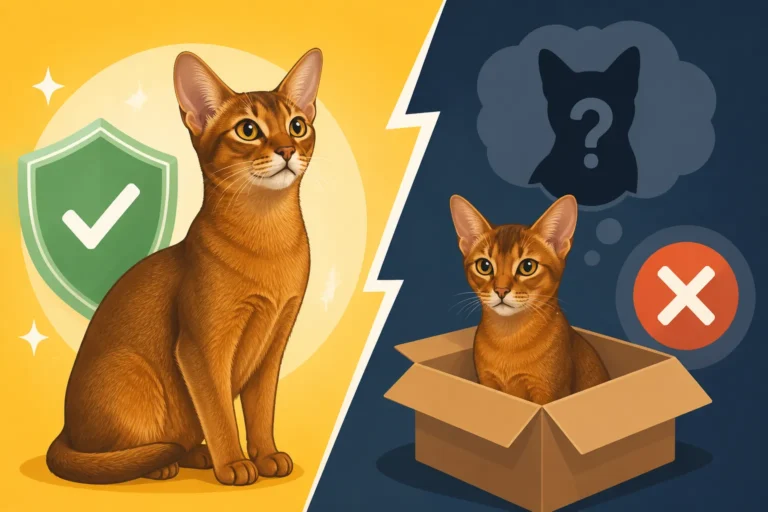
Untested Abyssinian kittens cost less upfront, but they frequently lead to significant long-term veterinary expenses and genetic health issues.
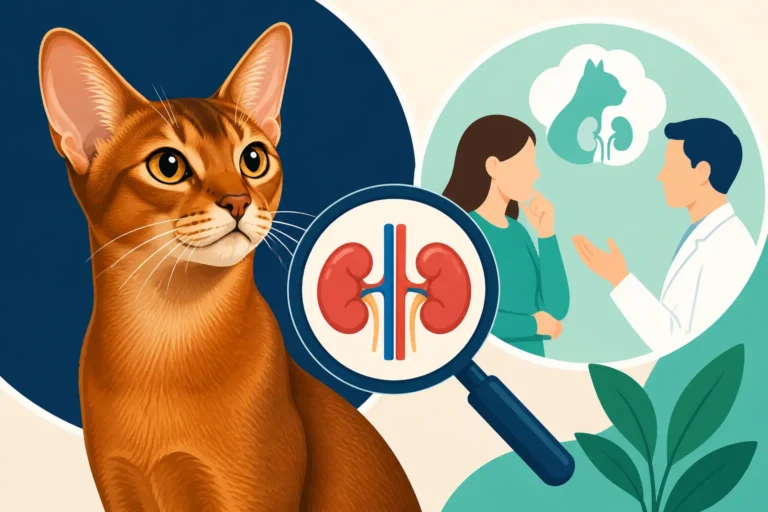
Abyssinian renal amyloidosis is an inherited genetic disease that requires buyers to ask breeders about family kidney histories and lifespans.
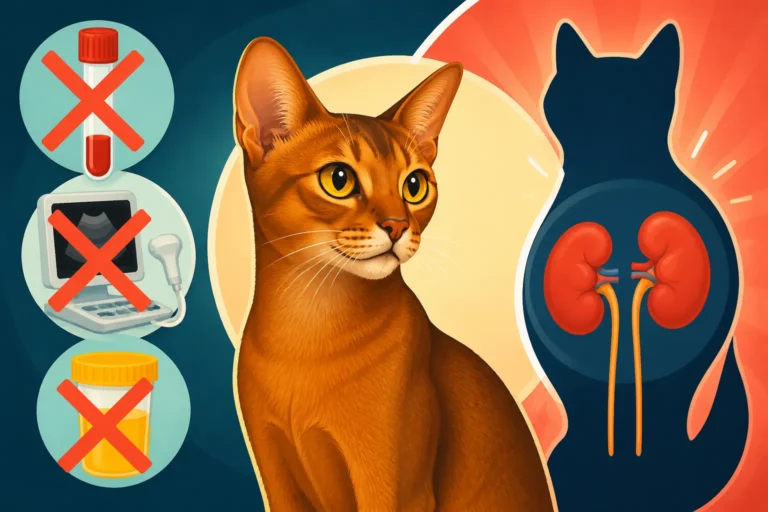
Abyssinian renal amyloidosis lacks a DNA test because the disease involves complex polygenic inheritance and environmental factors.
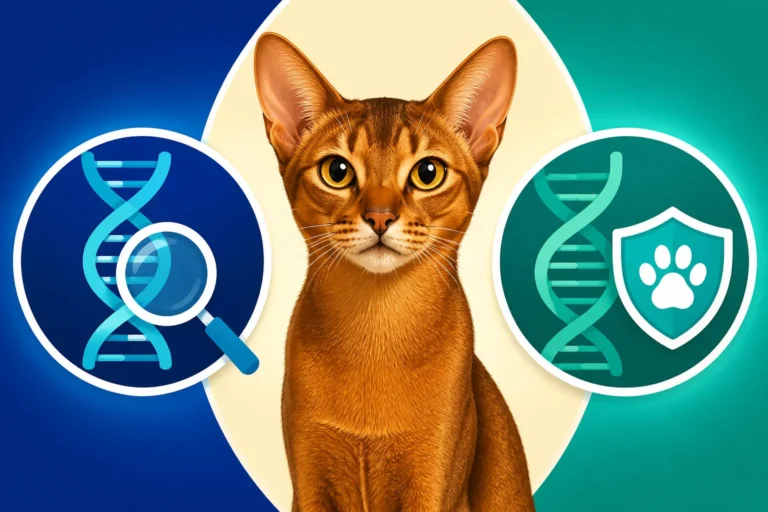
Two genetic tests identify Pyruvate Kinase Deficiency and Progressive Retinal Atrophy in Abyssinians to prevent severe anemia and blindness.
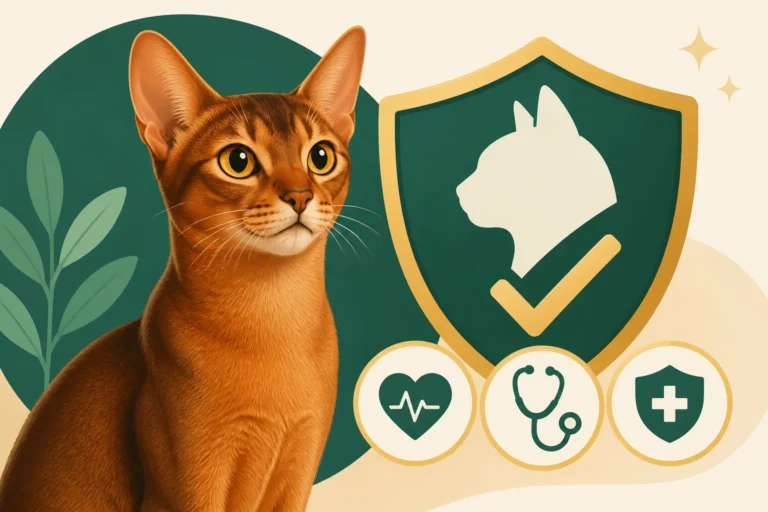
An Abyssinian breeder health guarantee covers initial kitten health, Pyruvate Kinase Deficiency, and Progressive Retinal Atrophy test results.
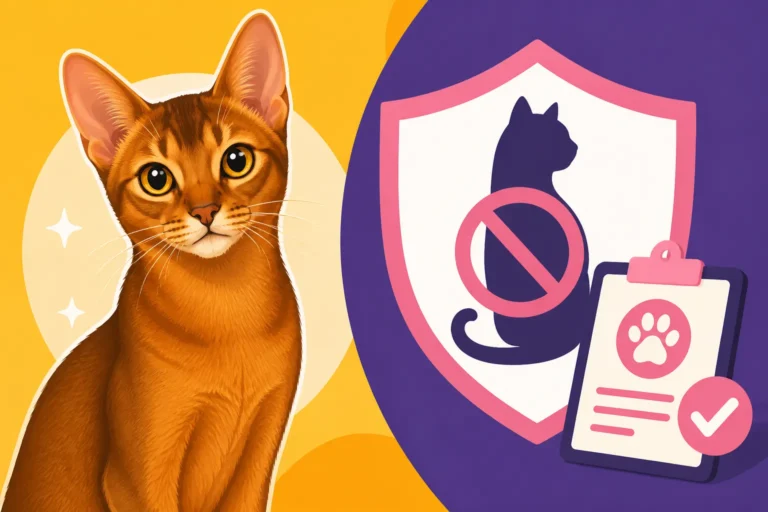
Abyssinian purchase contracts include mandatory spay clauses to protect genetic health, prevent hereditary diseases, and avoid overpopulation.
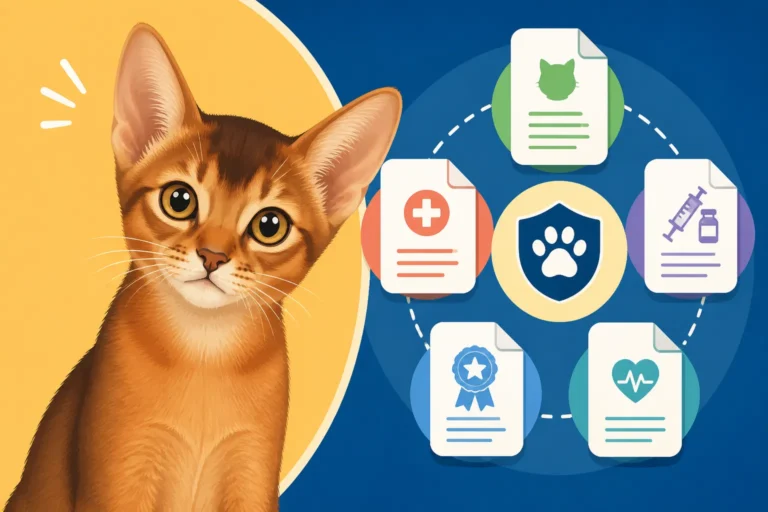
Abyssinian kitten paperwork includes registry certificates, pedigree records, DNA test results, health guarantees, veterinary histories, and purchase contracts.