Whether an Abyssinian Eats Normally After Extractions
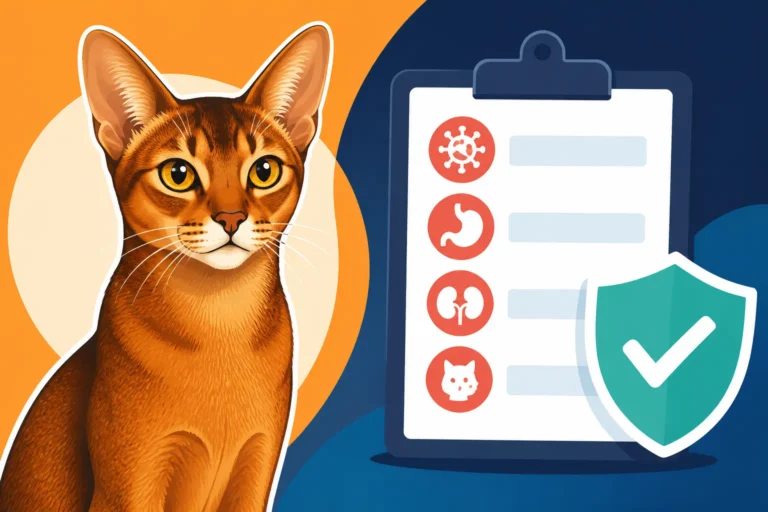
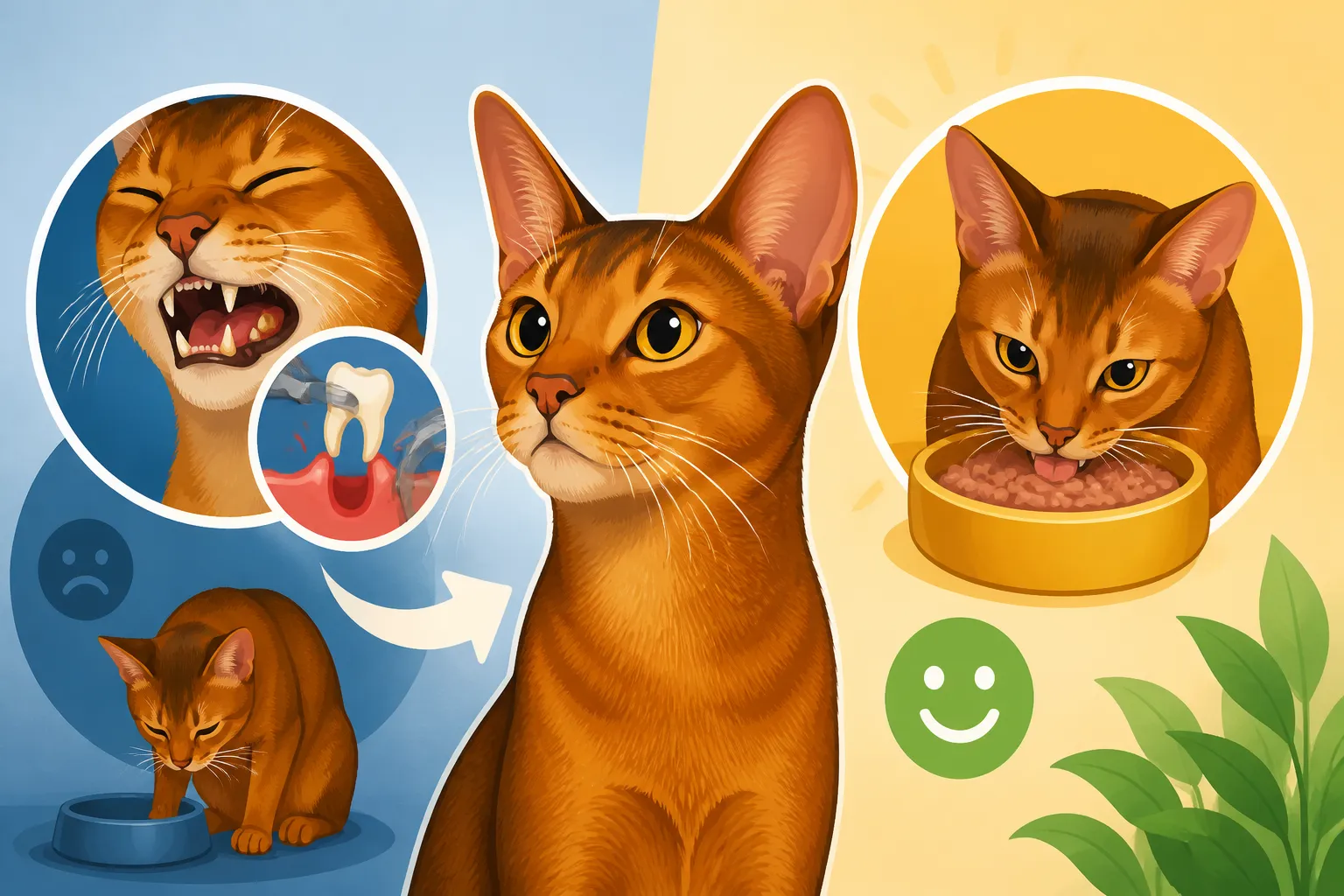
It's one of the biggest worries any cat parent faces when their beloved Abyssinian needs dental surgery: "Will my energetic, food-loving feline ever eat normally again after having teeth extracted?" This concern is incredibly valid, as the thought of your vibrant companion struggling with basic sustenance is heart-wrenching. Rest assured, while the journey requires patience and attentive care, most Abyssinians bounce back beautifully, adapting to a new normal with surprising resilience. This comprehensive guide will walk you through what to expect, how to support your Abyssinian through recovery, and strategies to ensure they continue to thrive and enjoy mealtime even after losing some teeth.
Understanding Why Extractions Happen in Abyssinians
Before we dive into post-extraction eating, it's crucial to understand why our Abyssinian friends often face this challenge in the first place. These gorgeous, active cats are, unfortunately, predisposed to certain dental conditions that can lead to the need for extractions, sometimes even at a surprisingly young age.
The Root Cause: Juvenile Gingivitis and Advanced Periodontal Disease
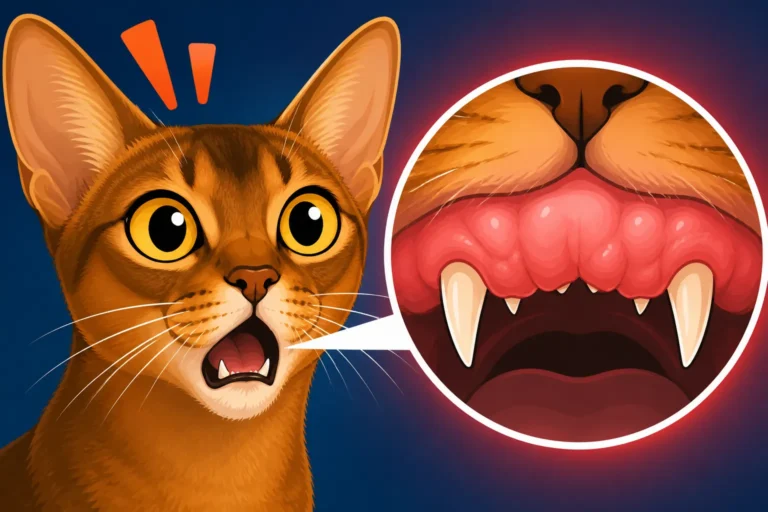
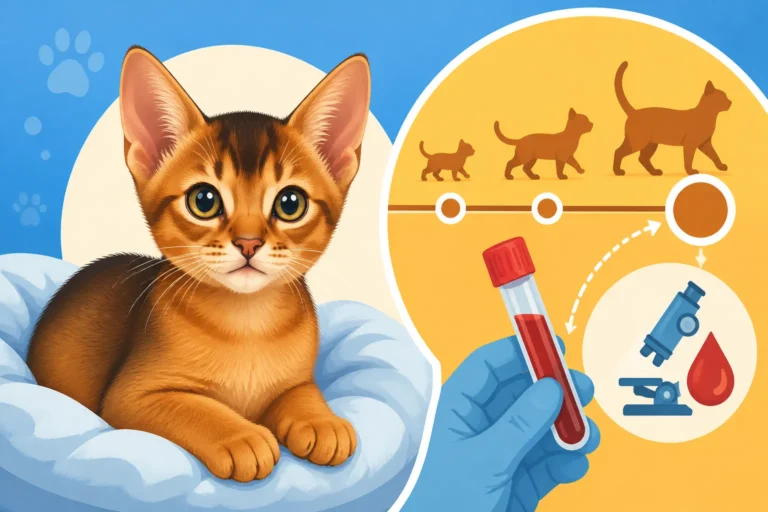
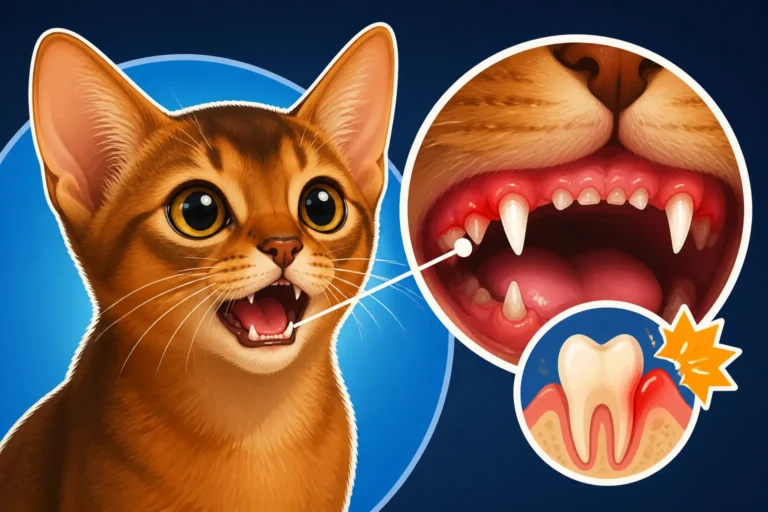
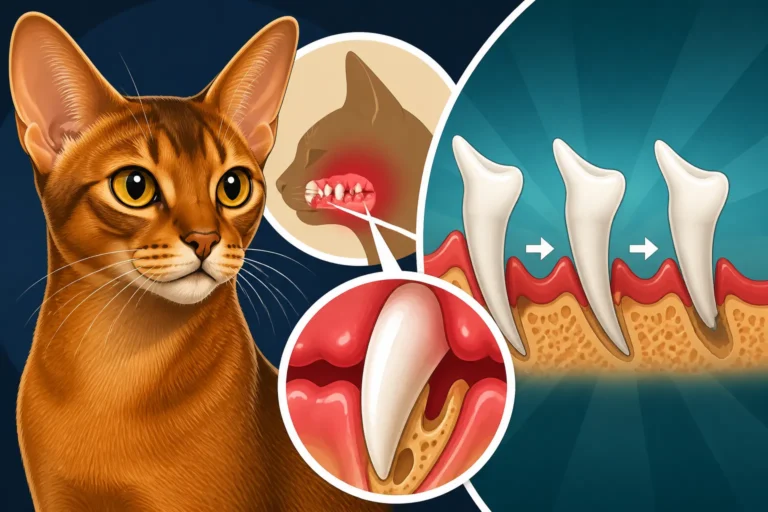
Many Abyssinian owners first encounter dental woes when their kittens are still quite young, sometimes as early as six months old. This is often the onset of what's known as juvenile gingivitis, a frustrating condition where their gums become inflamed, red, and swollen, often to the point of overgrowing the teeth. It's not just a superficial problem; this inflammation can quickly escalate. If left unchecked, it progresses into full-blown periodontal disease, attacking the bone and ligaments supporting the teeth.
Imagine trying to chew with constantly sore, bleeding gums, or teeth that are no longer firmly anchored. It’s incredibly painful, and even our stoic Abyssinians will eventually show signs, like reluctance to eat hard food, drooling, or bad breath. Early intervention is key, but sometimes, by the time the problem is obvious, the damage is already significant enough that cleaning alone isn't enough. The affected teeth become a source of chronic pain and infection, making extraction the only humane and effective solution to alleviate their suffering. It’s a harsh reality, but removing those compromised teeth actually improves their overall comfort and health dramatically. If you're seeing signs, don't delay a vet visit, as catching it early can make a huge difference in managing the condition. To learn more about this specific challenge, read about why an Abyssinian kitten's gums fail at six months.
The Domino Effect: Tooth Resorption and Decay
Beyond gingivitis and periodontal disease, Abyssinians can also be susceptible to another painful condition: tooth resorption. This is where the tooth structure itself begins to break down, starting from the inside out, or from the root up. It’s incredibly insidious because the external crown of the tooth might look perfectly healthy, even pristine, while beneath the gum line, the tooth is dissolving. This process can cause immense pain, similar to a severe cavity in humans, but unlike cavities, tooth resorption is progressive and irreversible.
While Abyssinians aren't typically prone to decay in the same way humans are, tooth resorption can lead to fractures and exposed pulp, creating entry points for bacteria. The only effective treatment for tooth resorption is extraction of the affected tooth. Your vet might discover these lesions during a routine dental exam or under anesthesia with X-rays. Many Abyssinians, especially as they get older, will unfortunately require multiple extractions due to a combination of severe periodontal disease and tooth resorption. It’s a major reason why an Abyssinian loses teeth younger than most cats, and it highlights why diligent dental care and regular vet check-ups are non-negotiable for this breed.
The Immediate Aftermath: Post-Extraction Eating Habits
Once the extractions are done, your Abyssinian will come home with a very different mouth, and your primary concern will be getting them to eat comfortably. It’s a critical period that demands patience, understanding, and a careful approach to feeding.
Soft Food and Gentle Introductions
Immediately after extractions, your Abyssinian's mouth will be sore. The extraction sites, often stitched closed, need time to heal without irritation. This means hard kibble is absolutely off-limits for at least a week, sometimes longer, depending on the number and location of extractions. Your vet will provide specific instructions, but generally, a soft food diet is essential.
Think pate-style wet food, or even a meat-based baby food (ensure it has no onion or garlic powder, which are toxic to cats). Some owners find success mashing up their usual wet food with a bit of warm water or low-sodium chicken broth to create an even smoother consistency. The key is to make it as easy as possible for them to lap up without needing to chew. If your Abyssinian is usually a kibble fanatic, this can be a challenging transition. Try offering a variety of flavors and textures of wet food to see what tempts them. Warming the food slightly can also enhance its aroma and palatability, making it more appealing to a sensitive nose. Present the food in a shallow dish to reduce whisker fatigue and make it easier for them to access without bumping their sore mouth.
It’s normal for them to be a bit hesitant at first, especially if they’re still groggy from anesthesia or feeling the initial discomfort. Don't panic if they don't dive right in. Offer small amounts frequently throughout the day rather than one large meal. Sometimes, a gentle hand-feeding, offering a little on your finger, can encourage them to start. Remember, they’re not being finicky; they’re genuinely in pain or discomfort, and it's a completely new sensation for them to navigate.
Pain Management and Appetite
A crucial component of successful post-extraction eating is effective pain management. Your veterinarian will send your Abyssinian home with pain medication, often an anti-inflammatory drug and sometimes an additional pain reliever. It is absolutely vital to administer these medications exactly as prescribed, even if your cat seems to be feeling better. Pain can severely suppress appetite, and keeping them comfortable is the best way to encourage them to eat.
Think about it from their perspective: if every attempt to eat sends a jolt of pain through their mouth, they're naturally going to avoid food. When the pain is managed, they are far more likely to approach their bowl with curiosity rather than trepidation. If you notice your Abyssinian is still reluctant to eat despite receiving their pain medication, or if they seem excessively uncomfortable, contact your vet immediately. They might need a different pain protocol or a stronger dose. Never try to give human pain relievers, as these can be extremely toxic to cats.
Beyond physical pain, some cats can also experience a bit of nausea or a general "unwell" feeling after anesthesia and surgery. Your vet might also prescribe an appetite stimulant or anti-nausea medication if they anticipate this could be an issue. Close monitoring of their food intake and general demeanor is paramount during these first few days. A pet insurance plan, such as those offered by Healthy Paws, can be incredibly beneficial in covering the unexpected costs associated with dental surgeries and post-operative care, alleviating some of the financial stress during this recovery period.
Long-Term Eating Success for Your Abyssinian
The good news is that Abyssinians are incredibly adaptable. Once the initial healing period is over and the pain subsides, most cats resume eating with gusto. It might look a little different, but their joyful enthusiasm for food typically returns in full force.
Adapting to a New Oral Landscape
It might seem strange to us, but cats are perfectly capable of eating a normal diet, including kibble, even after losing many or all of their teeth. Their primary method of "chewing" is actually shearing food with their carnassial teeth (the large molars at the back), and using their tongue and hard palate to manipulate food. They don't chew in the grinding motion that humans do.
After extractions, your Abyssinian will quickly learn to use their remaining teeth, gums, and tongue to manage food. If they've had multiple teeth extracted, especially molars, they might initially prefer slightly softer kibble or a mix of wet and dry food. However, many Abyssinians, driven by their inherent love of food and prey drive, will surprise you by happily crunching dry kibble again within weeks. Their gums, once healed, become quite tough, allowing them to mash food effectively.
You might notice a change in how they approach their food bowl—perhaps taking smaller mouthfuls, or eating a little more slowly. But the important thing is that they will learn to navigate their new oral landscape. Their natural instinct to hunt and eat is incredibly strong, and they won't let a few missing teeth stand in the way of a tasty meal. Observe them closely and let their comfort guide your choices. If they’re eating well and maintaining their weight, you're on the right track.
Dietary Adjustments and Continued Monitoring
For many Abyssinians, especially those who had severe periodontal disease, a primarily wet food diet or a mix of wet and dry food can be beneficial long-term. Wet food provides more moisture, which is excellent for their urinary tract health, and is generally easier on the gums. It also reduces the amount of plaque and tartar buildup compared to an all-kibble diet. However, if your Abyssinian absolutely insists on kibble and handles it well after recovery, there’s no reason to deny them if they're otherwise healthy.
What becomes crucial is continued monitoring. Even with extractions, the remaining teeth are still susceptible to disease. Regular visual checks of their gums and breath at home are important. You’re looking for any signs of redness, swelling, or unusual odors. If you notice your Abyssinian suddenly hesitating to eat again, dropping food, or showing any signs of discomfort, it's time for another vet visit.
Weight management is also key. Your Abyssinian is a naturally lean and active breed, and a sudden or unexplained weight loss can be an early indicator of a new health issue, including dental problems. Keep a close eye on their body condition and energy levels. Pet insurance can also be a significant help here, as continued monitoring and potential future dental work, including additional cleanings or extractions, can add up. Options like Healthy Paws can offer financial support throughout your Abyssinian's life, covering these recurring health needs.
Supporting Your Abyssinian's Oral Health Moving Forward
Dental extractions, while sometimes necessary, are not the end of the line for your Abyssinian's oral health journey. In fact, they can be a fresh start, paving the way for a more comfortable life. The key is to commit to proactive, lifelong dental care.
The Lifelong Commitment to Dental Hygiene
The battle against dental disease in Abyssinians, unfortunately, doesn't end with extractions. While the worst offenders may be gone, the underlying predisposition often remains. This means that home dental care becomes even more critical for the teeth that are left.
The gold standard for home care is daily toothbrushing. Yes, you read that right—daily! It might sound daunting, especially with an active Abyssinian, but even a minute a day can make a massive difference in preventing plaque from hardening into tartar. Start slowly, using a pet-specific toothbrush and enzymatic toothpaste (never human toothpaste). Begin by letting them lick the toothpaste, then gradually introduce rubbing a finger along their gums, and eventually, a soft-bristled brush. This is a topic thoroughly covered in how often an Abyssinian needs its teeth cleaned.
Beyond brushing, consider dental water additives, dental treats that are vet-approved (look for the VOHC seal), and toys designed to promote chewing. While these don't replace brushing, they can be valuable adjuncts. The goal is to minimize the buildup of plaque and tartar that leads to future periodontal disease. This proactive approach not only helps preserve existing teeth but also enhances your Abyssinian's overall quality of life, ensuring they can enjoy their food and remain pain-free.
| Stage of Recovery | Recommended Food Type | Key Actions for Owners |
|---|---|---|
| Days 1-3 (Immediate Post-Op) | Ultra-smooth pate wet food, pureed with water/broth if needed. Meat-based baby food (onion/garlic-free). | Administer all pain meds precisely as prescribed. Offer small, frequent meals in shallow dishes. Monitor for signs of pain or nausea. |
| Days 4-7 (Early Healing) | Soft pate wet food, possibly chunky pate if tolerated. Gradually introduce slightly thicker purees. | Continue pain management. Observe chewing comfort. Offer a variety of flavors. Ensure good hydration. |
| Weeks 2-4 (Transitional Healing) | Regular wet food. Consider reintroducing soaked kibble (softened). | Gradually transition to desired long-term diet. Check extraction sites (if visible) for signs of infection. |
| Month 2+ (Long-Term) | Regular diet (wet, kibble, or mixed) as tolerated. Monitor weight. | Implement daily home dental care (brushing). Schedule regular vet dental check-ups. |
Regular Vet Check-ups and Early Intervention
Even with the most diligent home care, regular veterinary check-ups are essential for maintaining your Abyssinian's oral health. Your vet can perform a thorough oral examination, assess the condition of remaining teeth, and advise on the frequency of professional dental cleanings under anesthesia.
For Abyssinians prone to dental issues, yearly or even bi-annual dental cleanings might be recommended. These professional cleanings allow the vet to scale and polish teeth above and below the gum line, identify any new areas of concern, and take dental X-rays to detect problems not visible to the naked eye, such as tooth resorption. This kind of consistent, professional oversight can prevent minor issues from escalating into painful conditions that necessitate further extractions.
Remember that an Abyssinian's weight should be recorded at every visit, as unexpected changes can sometimes signal dental pain. Furthermore, a consistent budget line for dental care is a wise decision for any Abyssinian owner, as why Abyssinian dental work is the biggest line in the budget for many. Comprehensive pet insurance plans like those from Healthy Paws can often help cover the significant costs associated with both routine professional cleanings and any necessary future dental procedures, providing financial security and ensuring your Abyssinian gets the best possible care throughout their life. By staying on top of their oral health, you’re not just saving their teeth; you’re ensuring they continue to eat normally, play vigorously, and share their unique, joyful spirit with you for many years to come.
Disclaimer
The information provided in this article is for general informational purposes only and is not intended as a substitute for professional veterinary advice, diagnosis, or treatment. Always seek the advice of your veterinarian or other qualified animal health provider with any questions you may have regarding a medical condition or treatment plan for your Abyssinian. Never disregard professional veterinary advice or delay in seeking it because of something you have read in this article.