The Test Results an Abyssinian Breeder Owes You
Bringing an Abyssinian kitten into your home is an absolute joy, filled with the promise of playful antics and affectionate companionship. But it also comes with the understandable desire to ensure your new family member is as healthy as possible. Navigating the world of breeder claims and health guarantees can feel like a minefield, leaving you wondering what specific test results you should actually be asking for. This comprehensive guide will walk you through the essential health screenings and genetic tests that a responsible Abyssinian breeder must provide, empowering you to make an informed choice for a long and happy life together.
The Absolute Essentials: Core Genetic Tests for Abyssinians
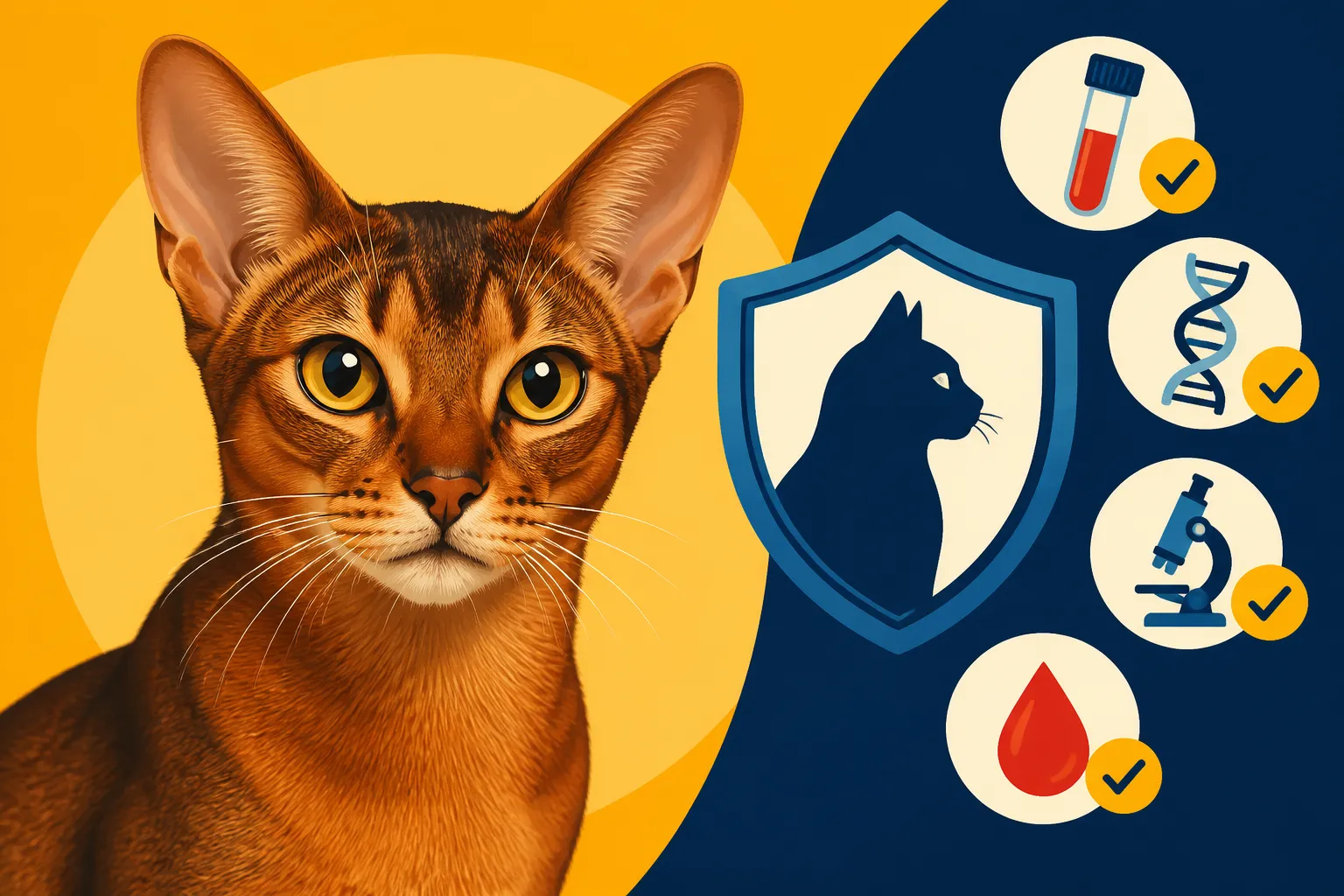
When you're looking for an Abyssinian, you're not just looking for a cute face. You're looking for a lifetime companion, and that means starting with a strong foundation of health. Responsible breeders understand this deeply, and they invest in genetic testing to ensure they are producing healthy kittens and protecting the future of the breed. There are two primary genetic tests that are considered non-negotiable for any Abyssinian breeder. If a breeder doesn't have results for these, it's a significant red flag.
Pyruvate Kinase Deficiency (PKD)
Pyruvate Kinase Deficiency, often simply referred to as PKD, is an inherited metabolic disorder that affects an Abyssinian's red blood cells. Think of it like this: your cat's red blood cells are like tiny delivery trucks carrying oxygen all over its body. In cats with PKD, these "trucks" are faulty and break down much too quickly, leading to a condition called hemolytic anemia. This can manifest in various ways, from mild lethargy to severe, life-threatening crises.
The gene responsible for this condition is called PKLR, and it's an autosomal recessive trait. This means a kitten only develops the disease if it inherits two copies of the faulty gene – one from each parent. If a cat inherits only one copy, it's a "carrier" and won't show symptoms, but it can still pass the gene on to its offspring. A reputable breeder will have tested both parent cats for this gene. Understanding what PK Deficiency Does to an Abyssinian's Red Cells is crucial for any potential owner. They should be able to show you documentation that both parents are clear of the gene, or at least that one parent is clear and the other is a carrier, ensuring no affected kittens are produced.
Progressive Retinal Atrophy (PRA-rdAc)
The thought of your energetic, curious Abyssinian slowly losing its sight is heartbreaking, and unfortunately, it's a real risk with Progressive Retinal Atrophy, or PRA-rdAc. This is another inherited disease, specifically affecting the retina at the back of the eye. The retina is like the camera film of the eye; it captures light and sends signals to the brain. In PRA-rdAc, the cells in the retina gradually degenerate, leading to progressive vision loss that eventually results in complete blindness.
The genetic mutation responsible for PRA-rdAc is within the CEP290 gene, and like PKD, it's also an autosomal recessive condition. This means, again, that a cat must inherit two copies of the defective gene to be affected. Kittens with only one copy are carriers and will have normal vision but can pass the gene to their offspring. Typically, the first signs of night blindness can appear as early as 1.5 to 2 years of age, progressing to full blindness by three to five years. It's devastating to watch. The article PRA-rdAc Takes an Abyssinian's Sight by Five offers more insight into this progression. Any responsible breeder will have tested their breeding cats for PRA-rdAc to prevent passing on this debilitating condition.
Why Genetic Testing Is So Vitally Important
You might wonder why these tests are so emphasized for specific breeds like the Abyssinian. After all, isn't a vet check-up enough? The truth is, genetic testing plays a profound role in safeguarding the health of individual cats and ensuring the longevity and well-being of the entire breed. It's about proactive prevention rather than reactive treatment, which can be both emotionally and financially draining.
Preventing the Spread of Inherited Diseases
Imagine bringing home a kitten, falling deeply in love, only to discover a few years later that they are slowly going blind or suffering from a chronic, debilitating anemia. This nightmare scenario is precisely what responsible genetic testing aims to prevent. By testing their breeding stock, breeders can identify carriers of these recessive genes and make informed decisions about pairings. They can ensure that at least one parent in any breeding pair is "clear" of the gene, guaranteeing that no kitten will ever be "affected" by the disease. This careful approach means that kittens entering your home have the best possible chance at a long, healthy life free from these specific genetic burdens.
This isn't just about avoiding a single sick kitten; it's about systematically reducing the prevalence of these genes in the breed over generations. Breeders dedicated to ethical practices view genetic testing as a fundamental responsibility, not just to the individual cats they produce, but to the entire Abyssinian lineage. It’s an investment in health that pays dividends for years to come.
Protecting the Future of the Abyssinian Breed
Beyond individual cats, genetic testing is a cornerstone of responsible breed stewardship. Breeds like the Abyssinian have relatively small gene pools compared to the general cat population, making them more susceptible to the concentration of certain genetic health issues. Without diligent testing, these conditions could become widespread, severely impacting the health and reputation of the breed.
When breeders commit to testing, they are actively participating in a collective effort to improve the breed's health profile. They share results, track lineages, and make breeding decisions that prioritize genetic diversity and health. This dedication helps to ensure that future generations of Abyssinians remain vibrant, healthy, and true to the active, engaging personalities we all adore. You can learn more about How the Abyssinian's DNA Panel Is Ordered and how these efforts contribute to a healthier future.
Understanding Common Inherited Diseases in Abyssinians
While the two main DNA tests cover a couple of significant conditions, it's helpful to have a broader understanding of the health landscape for Abyssinians. Knowing what to look out for, even if there isn't a direct genetic test for every condition, helps you ask the right questions and prepare for ongoing care.
PK Deficiency: A Closer Look at Red Blood Cell Health
Pyruvate Kinase Deficiency (PKD) isn't always obvious from birth. Affected kittens often appear perfectly normal for months, or even a couple of years. The symptoms, when they do appear, are related to the ongoing destruction of red blood cells. You might notice your energetic Abyssinian becoming unusually lethargic, perhaps not playing as much, or seeming weaker. Pale gums are a classic sign of anemia, which can be hard to spot under their typically darker facial markings, but it’s crucial to check.
The severity can fluctuate; some cats experience intermittent bouts of anemia, seeming to recover only to relapse later. This "waxing and waning" nature can make diagnosis tricky without a specific test. While a DNA test identifies affected cats and carriers, understanding the symptoms allows for quicker veterinary intervention if signs appear, especially if a cat's genetic status is unknown. Regular check-ups and being attuned to subtle changes in your Abyssinian's energy levels or appetite are key.
PRA-rdAc: The Slow Loss of Sight
Progressive Retinal Atrophy (PRA-rdAc) is particularly insidious because it's a slow, progressive condition. Owners might initially mistake their cat's clumsiness in dim light for normal behavior, or attribute bumping into furniture to a momentary lapse in attention. But over time, the signs become more pronounced. Night vision typically goes first, followed by daytime vision. You might notice your Abyssinian hesitating before jumping, or relying more on its whiskers and hearing to navigate familiar spaces.
While the DNA test can identify affected cats long before symptoms appear, if you've adopted an older Abyssinian whose history isn't fully known, keeping an eye out for these subtle changes is important. If you suspect vision issues, a veterinary ophthalmologist can conduct specialized tests to confirm retinal degeneration. Early confirmation allows you to adapt your home environment to keep your cat safe and comfortable as its vision diminishes. How a Vet Confirms Retinal Atrophy in an Abyssinian is a good resource if you suspect this.
Renal Amyloidosis: The Untestable Threat
Now, here's where things get a bit more challenging and why breeder transparency becomes even more critical: Renal Amyloidosis. This is a devastating kidney disease that is unfortunately prevalent in the Abyssinian breed, and currently, there is no genetic test for it. Amyloidosis occurs when an abnormal protein, called amyloid, is deposited in various organs, most commonly the kidneys in Abyssinians. These deposits interfere with the organs' normal function, leading to chronic kidney failure.
The insidious nature of renal amyloidosis is that symptoms often don't appear until significant kidney damage has already occurred, typically in middle-aged Abyssinians, but it can strike young cats too. Increased thirst, increased urination, weight loss, and lethargy are common signs of kidney trouble. Because there's no direct DNA test, breeders must rely on meticulously tracking their lines' health histories, knowing that Renal Amyloidosis Is the Abyssinian Problem Nobody Can Test For. This means asking about the lifespan and causes of death of the kitten's ancestors, especially their parents, grandparents, and siblings. This is a condition where a breeder's long-term commitment to their lines truly shines through. How a Kidney Diet Buys an Abyssinian Time for cats with early signs of kidney issues.
Here's a quick summary of the two key DNA tests:
| Disease | Gene | Inheritance Pattern | Typical Onset Age | Primary Impact | DNA Test Available? |
|---|---|---|---|---|---|
| Pyruvate Kinase Deficiency (PKD) | PKLR | Autosomal Recessive | Variable, often 1-5 years, but can be later | Intermittent hemolytic anemia, lethargy, weight loss | Yes |
| Progressive Retinal Atrophy (PRA-rdAc) | CEP290 | Autosomal Recessive | Night blindness by 1.5-2 years, complete blindness by 3-5 years | Progressive vision loss, ultimately total blindness | Yes |
Deciphering DNA Test Results: What It All Means
When a breeder presents you with test results, they shouldn't just be pieces of paper; they should be clear evidence of health. Understanding the terminology is essential for you to confidently evaluate the information. The results for autosomal recessive conditions like PKD and PRA-rdAc will typically fall into one of three categories: Clear, Carrier, or Affected.
What "Clear" Means for Your Abyssinian
A "Clear" result is the gold standard. It means that the cat has two normal copies of the gene in question and does not carry the mutation. Therefore, this cat will never develop the specific genetic disease, nor will it ever pass the mutated gene on to its offspring. When both parents of a kitten are "Clear" for a particular genetic condition, you can rest assured that your kitten is also genetically clear of that disease. This brings immense peace of mind and is precisely what you should be looking for in the paperwork.
For example, if both the queen (mother) and stud (father) of your potential Abyssinian kitten are certified "Clear" for both Pyruvate Kinase Deficiency and Progressive Retinal Atrophy, then your kitten is automatically clear as well, no matter which genes it received. This simplifies things greatly and is the ideal scenario for pet owners seeking to minimize genetic health risks.
Decoding "Carrier" Status
A "Carrier" result means that the cat has one normal copy of the gene and one copy of the mutated gene. Because these are autosomal recessive conditions, a carrier cat will not develop the disease itself. It has enough of the "good" gene to function normally. Think of it like a silent messenger – the cat is healthy, but it carries the potential to pass the mutated gene on. Why an Abyssinian Marked as a Carrier Is Still Fine explains this concept further.
The importance of knowing a cat's carrier status lies in breeding decisions. A responsible breeder might choose to breed a carrier cat, especially if that cat has other desirable traits, but only if paired with a "Clear" mate. This pairing guarantees that no affected kittens will be produced, though some kittens might also be carriers. A breeder should never breed two carriers together, as this carries a 25% risk of producing "affected" kittens. Why Two Carrier Abyssinians Should Never Be Bred is a critical piece of information for responsible breeding.
Understanding an "Affected" Diagnosis
An "Affected" result means the cat has inherited two copies of the mutated gene – one from each parent. This cat will develop the genetic disease. For conditions like PRA-rdAc, this means progressive blindness, and for PKD, it means intermittent or chronic hemolytic anemia. This is the outcome that responsible breeders strive to avoid at all costs through their testing and selective breeding practices.
If a breeder offers you an Abyssinian kitten that is "affected" by one of these conditions, even if it's at a reduced price, it is a massive red flag. While some affected cats might live for a time with careful management (like an Abyssinian with PK Deficiency Comes and Goes), their quality of life can be severely compromised, and the emotional and financial burden on you as an owner will be significant. A responsible breeder simply will not produce or knowingly sell affected kittens.
Beyond DNA: Other Essential Health Screenings and Breeder Transparency
While genetic tests are foundational, they aren't the only pieces of the health puzzle. A truly responsible Abyssinian breeder goes above and beyond, providing a holistic picture of their cats' well-being and maintaining an open, honest dialogue with potential buyers.
Veterinary Health Checks and Physical Screenings
Before any kitten leaves for its new home, it should have received a thorough veterinary health check-up. This check isn't about genetics but about ensuring the kitten is healthy in the moment. The vet will assess its general condition, listen to its heart and lungs, check its eyes, ears, and teeth, and ensure it's free of parasites. You should expect the kitten to be dewormed and to have received its initial vaccinations appropriate for its age.
The breeder should provide a veterinary certificate of health, often signed by their vet, detailing these findings. This isn't just a formality; it's a verification that a trained professional has given the kitten a clean bill of health before transition. This is also where discussions around the kitten's temperament, how it has been socialized, and any initial quirks come into play. A breeder who can articulate these details shows deep involvement and care. You might even want to ask about specific issues like patellar luxation; How Patellar Luxation Shows in a Jumping Abyssinian can give you an idea of what to look for.
Pedigree and Health History Research
Since conditions like renal amyloidosis don't have a direct gene test, the health history of the entire breeding line becomes incredibly important. A dedicated breeder keeps meticulous records, often tracking the health and longevity of their cats for generations. They should be able to discuss the health of the kitten's parents, grandparents, and even great-grandparents, including their causes of death and any significant health issues.
This transparency isn't always easy, as no breeder wants to highlight past losses, but it's a sign of true commitment to the breed. They should be able to tell you if there has been any history of early kidney disease in the line. Why Abyssinian Breeders Track Kidney Deaths by Line isn't just about curiosity; it's about minimizing the risk for future generations. This is also where you might learn about instances of juvenile gingivitis, a common Abyssinian issue. How Juvenile Gingivitis Starts in an Abyssinian Kitten often means early dental care is necessary.
The Breeder's Role in Transparency and Communication
A great breeder isn't just a seller; they're a mentor and a resource. They should be eager to share all relevant health documentation, not just offer it if you ask. This includes not only the DNA test results for PKD and PRA-rdAc for both parents but also detailed records of vet check-ups, vaccination history, and deworming for the kitten itself. They should also be transparent about any other health concerns observed in their lines.
Beyond the formal paperwork, a responsible breeder will engage in open communication. They will answer all your questions thoroughly, often asking you many in return to ensure their kitten is going to a suitable home. They should be happy to talk about their general cattery practices, feeding regimens, and socialization methods. This level of transparency builds trust and confidence, setting the stage for a positive relationship.
What to Do If a Breeder Won't Provide Test Results
It's a frustrating, even disheartening, situation to encounter a breeder who seems unwilling or unable to provide proper health documentation. But recognizing these red flags early is crucial for the well-being of your future pet and your own peace of mind.
Recognizing Red Flags
The absence of readily available and verifiable genetic test results for the breeding parents is the biggest red flag. If a breeder states they "don't believe in" genetic testing, or that their cats "look healthy," or offers vague assurances without documentation, walk away. These tests are standard practice for responsible Abyssinian breeders, and there's simply no good excuse for skipping them. Remember, these diseases are often silent carriers. A cat can look perfectly fine and still be a carrier, or even affected but not yet showing symptoms.
Other red flags include a breeder pressuring you for a quick sale, refusing to let you visit their cattery (or meet the kitten's parents), offering a price that seems too good to be true (often indicating corners cut on health testing), or lacking a detailed contract and health guarantee. What an Abyssinian Breeder's Health Guarantee Covers should be a comprehensive document, not just a handshake agreement. If you encounter these, it's a clear sign that this might not be the ethical source you're looking for.
Seeking Alternatives and Trusted Sources
If you encounter a breeder unwilling to provide proper documentation, do not compromise. The initial savings you might perceive by buying a cheaper, untested kitten will almost certainly be dwarfed by future veterinary bills and heartache. Instead, turn to reputable sources. Start with breed clubs, such as the Cat Fanciers' Association (CFA) or The International Cat Association (TICA). These organizations maintain lists of registered breeders who adhere to specific ethical and health standards.
Ask for referrals from trusted veterinarians or Abyssinian owners. Look for breeders who openly display their cats' health clearances on their websites or social media. Be prepared to be on a waiting list – this often signifies a breeder who is not over-breeding and has high demand due to their reputation for health and quality. While you wait, research things like whether pet insurance is worth it for an Abyssinian, perhaps from providers like Healthy Paws, to prepare for future care. Always remember that How to Vet an Abyssinian Breeder Before Paying involves asking many questions and verifying their answers.
The Long-Term Impact of Choosing a Well-Tested Abyssinian
Making the effort to find a kitten from a thoroughly tested lineage isn't just about ticking boxes; it's an investment in a happy, healthy future for your pet and a more peaceful experience for you. The ripple effects of responsible breeding touch every aspect of cat ownership, from daily life to unexpected challenges.
Healthier Pets, Fewer Vet Bills
The most immediate and tangible benefit of choosing a well-tested Abyssinian is, quite simply, a healthier cat. While no genetic testing can guarantee a lifetime free of all illness, it significantly reduces the risk of specific, devastating inherited diseases. This means fewer emergency vet visits, fewer complex and expensive treatments, and less emotional distress for you and your beloved pet. Imagine avoiding the chronic management of anemia or the heartbreak of progressive blindness, which requires significant adjustments to your home and lifestyle.
Beyond the big genetic conditions, breeders who prioritize testing often maintain higher overall standards of care, which translates to kittens with stronger immune systems and better early socialization. This holistic approach means your Abyssinian is set up for success from day one, able to channel its boundless energy into playful mischief rather than battling illness. Of course, all cats still need regular vet care and quality nutrition, perhaps special foods found on Chewy, but a healthy genetic start is invaluable.
Supporting Responsible Breeding Practices
Every time you choose a kitten from a breeder who rigorously tests and prioritizes health, you are casting a vote for ethical breeding practices. Your purchase supports breeders who invest time, money, and effort into understanding and improving the health of the Abyssinian breed. This, in turn, encourages other breeders to adopt similar standards, gradually elevating the health profile of the entire Abyssinian population.
Conversely, buying from breeders who cut corners on testing inadvertently supports practices that perpetuate genetic diseases, leading to more suffering cats and heartbroken owners down the line. By making an informed and responsible choice, you become part of the solution, contributing to a future where Abyssinians are known not just for their striking beauty and vibrant personality, but also for their robust health and longevity. It's a commitment to the breed's future, as much as it is to your own cat's well-being.
Disclaimer
This article is for general informational purposes only and does not constitute professional advice. Laws, prices and regulations vary by location and change over time. Consult a qualified professional for guidance on your specific situation.